
Boats of Cabotage (Coasts of Italy) — History & Facts
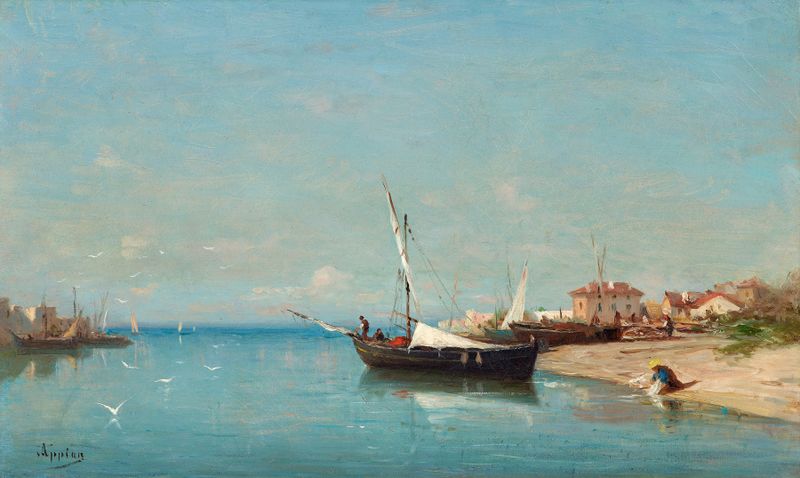
In the stillness of a moment, the vibrant movement of life unfolds across the canvas, whispering secrets of the coasts. Look to the left, where the boats sway gently against the deep blue of the water, their sails catching the light with a brilliance that dances across the surface. Notice how the sun spills golden hues onto the waves, illuminating the textures of the hulls and the rippling forms of the sea. The artist’s brushstrokes evoke a sense of fluidity, creating an almost palpable energy that beckons viewers to join this tranquil scene of maritime existence. Yet beneath the serene beauty lies an intricate tension.
The contrast between the tranquil water and the dynamic sails hints at the struggles between nature and human ambition. The ripples of the sea suggest movement, a metaphor for the passage of time, while the sturdy boats symbolize resilience in the face of uncertainty. Each nuanced detail, from the interplay of light and shadow to the vibrant colors, invites contemplation of the hidden stories of those who sail these waters. In Boats of Cabotage (Coasts of Italy), created in 1874, Adolphe Appian was exploring his passion for landscapes and marine scenes while living in France.
During this period, the artist was deeply influenced by the Impressionist movement, capturing the fleeting effects of light and atmosphere. The world was rapidly changing, and Appian's work reflects the burgeoning interest in capturing the ephemeral beauty of nature amid the evolving artistic landscape.
More Artworks by Adolphe Appian
Browse all →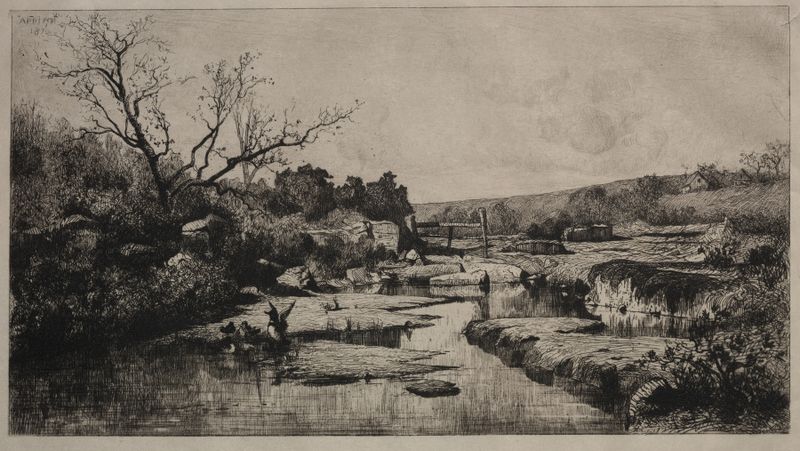
Source of the Albarine
Adolphe Appian
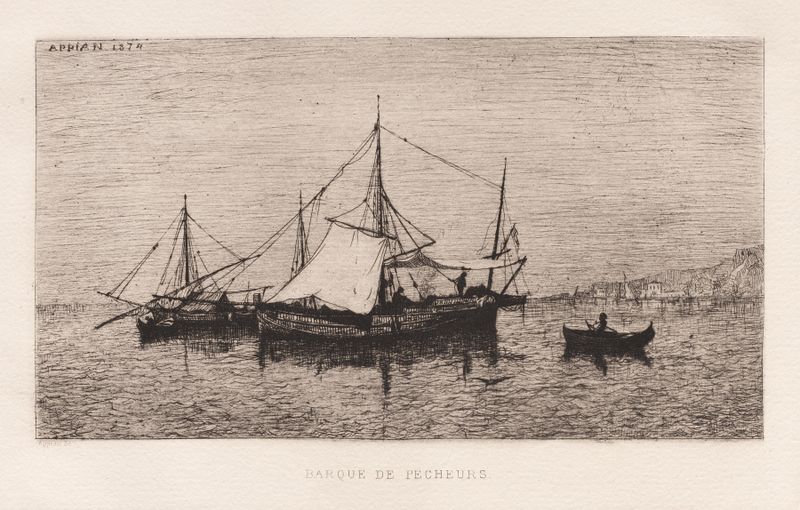
Barque de Pecheurs
Adolphe Appian
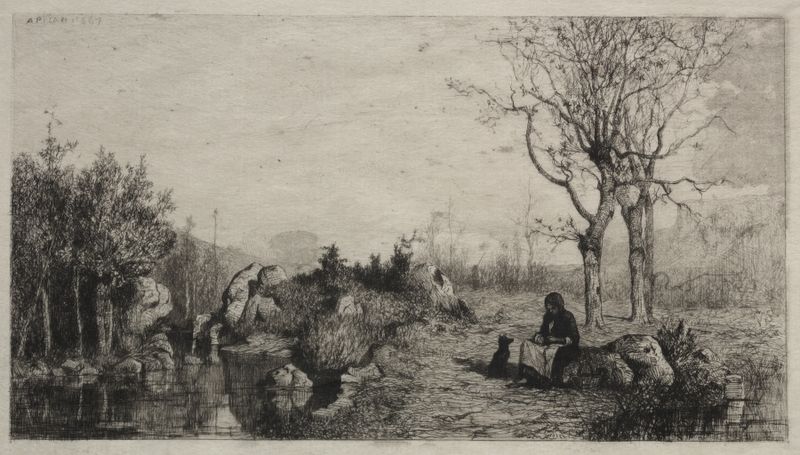
Shore of a Stream at Rossillon
Adolphe Appian

A Pond
Adolphe Appian

At Valromay (Ain)
Adolphe Appian

Woman Seated at the Edge of a Pond
Adolphe Appian
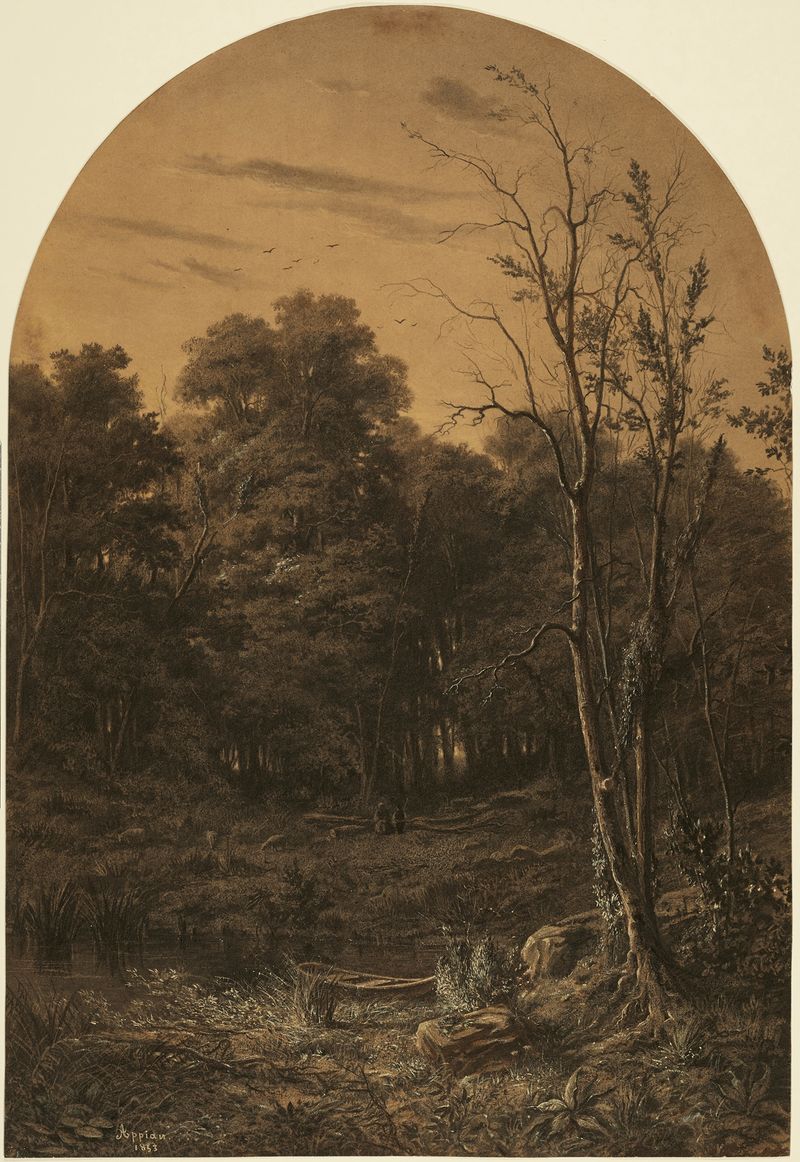
Forest Landscape near a Pond
Adolphe Appian
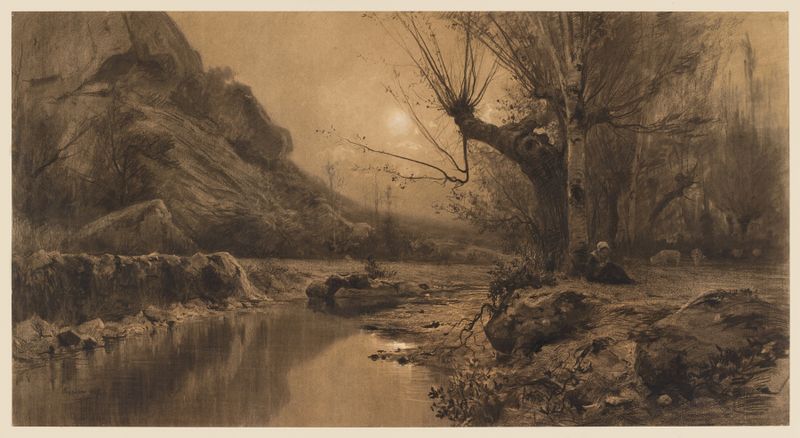
In the Valromey Valley, near the Rhône River
Adolphe Appian
Bord de mer
Adolphe Appian

Pond at the Edge of the Wood
Adolphe Appian





