
Böcklin Bildnis Wilhelmine Wiggenhauser (verwitwete Lippe Rumpf), Tante des Künstlers, 1849 — History & Facts
What draws the eye first in Böcklin Bildnis Wilhelmine Wiggenhauser (verwitwete Lippe Rumpf), Tante des Künstlers is the quiet gravity of the sitter’s gaze, suspended somewhere between the viewer and an unseen horizon. The soft, rose-colored scarf frames her face with a gentle contrast against the darkness that envelops the rest of the canvas. Her hand, resting on a table beside a folded letter, hints at a story untold—perhaps a message received, or one waiting to be sent.
The light falls tenderly across her features, illuminating her thoughtful expression and lending a sense of presence that feels almost private, as if we are intruding on a moment of reflection. Böcklin’s brushwork is careful and deliberate, the textures of fabric and skin rendered with a patient hand, inviting us to linger over each detail. Painted in 1849, this portrait belongs to the world of mid-19th-century Europe, when likenesses such as this were often commissioned to honor family ties or commemorate lives in transition. Portraits of this era were not merely records of appearance—they served as tokens of memory, sometimes marking widowhood, as the sitter’s title suggests, or other pivotal moments.
The sober palette and restrained composition speak to a time when such images were both personal keepsakes and social statements, reflecting the values of dignity and reserve. Today, Böcklin Bildnis Wilhelmine Wiggenhauser resides in the collection of the Kunstmuseum Basel, a quiet testament to the enduring power of a single, searching glance. The sitter’s presence lingers, inviting us to wonder about the life behind the stillness.
More Artworks by Arnold Böcklin

Die Toteninsel III
Arnold Böcklin
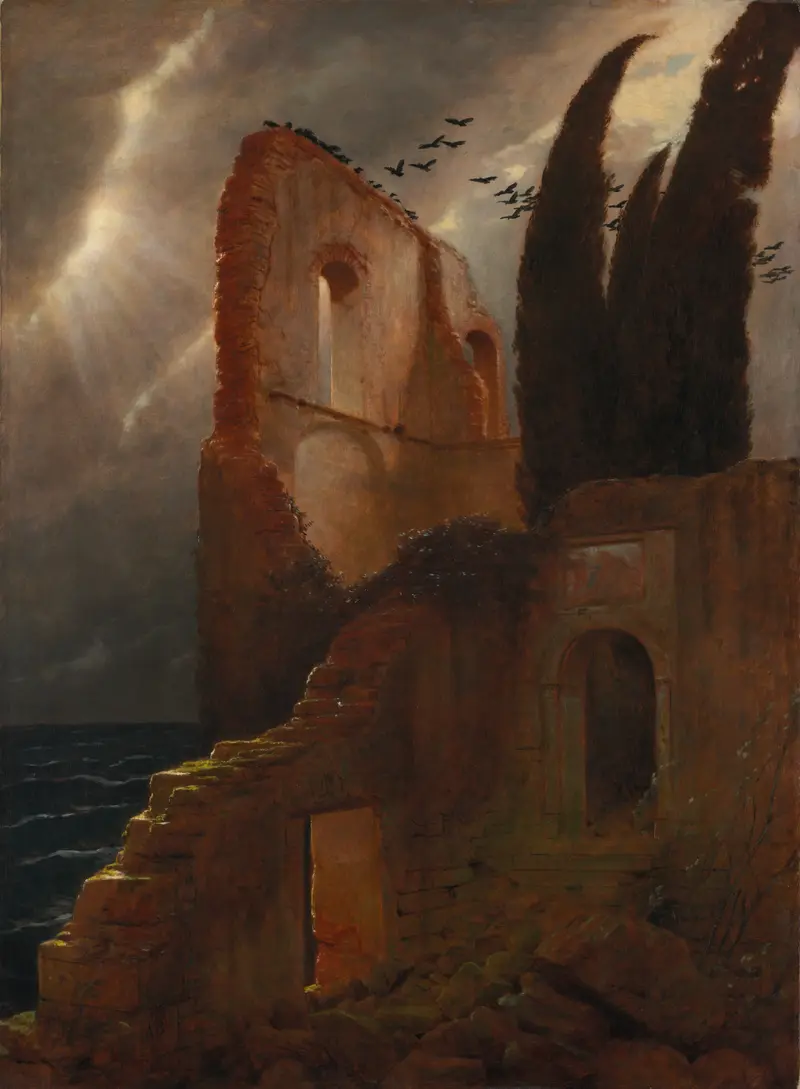
Ruin by the Sea
Arnold Böcklin
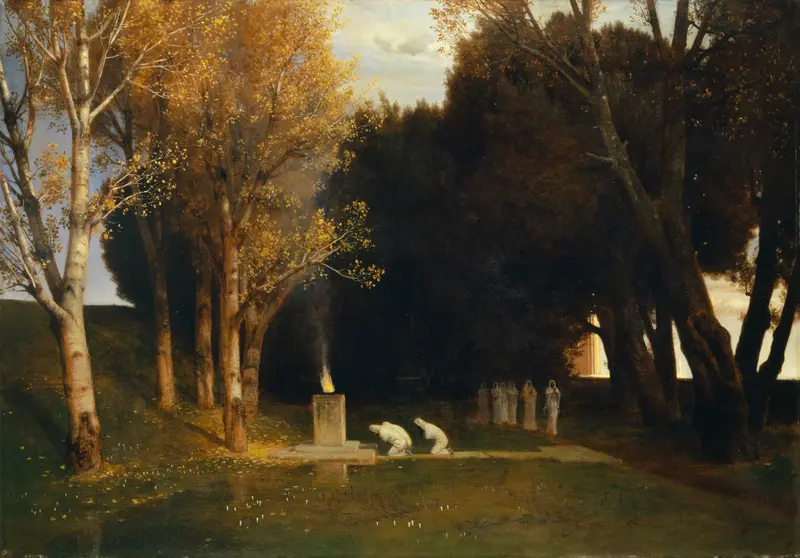
The Sacred Grove
Arnold Böcklin
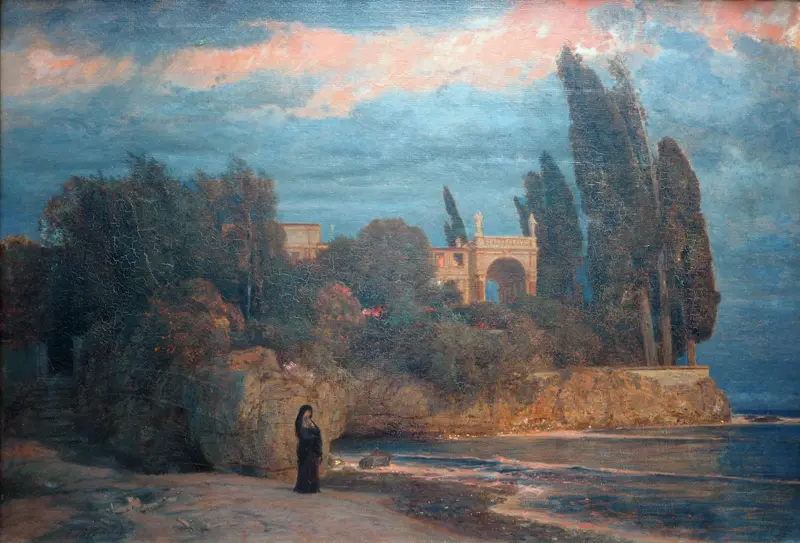
Villa by the Sea
Arnold Böcklin
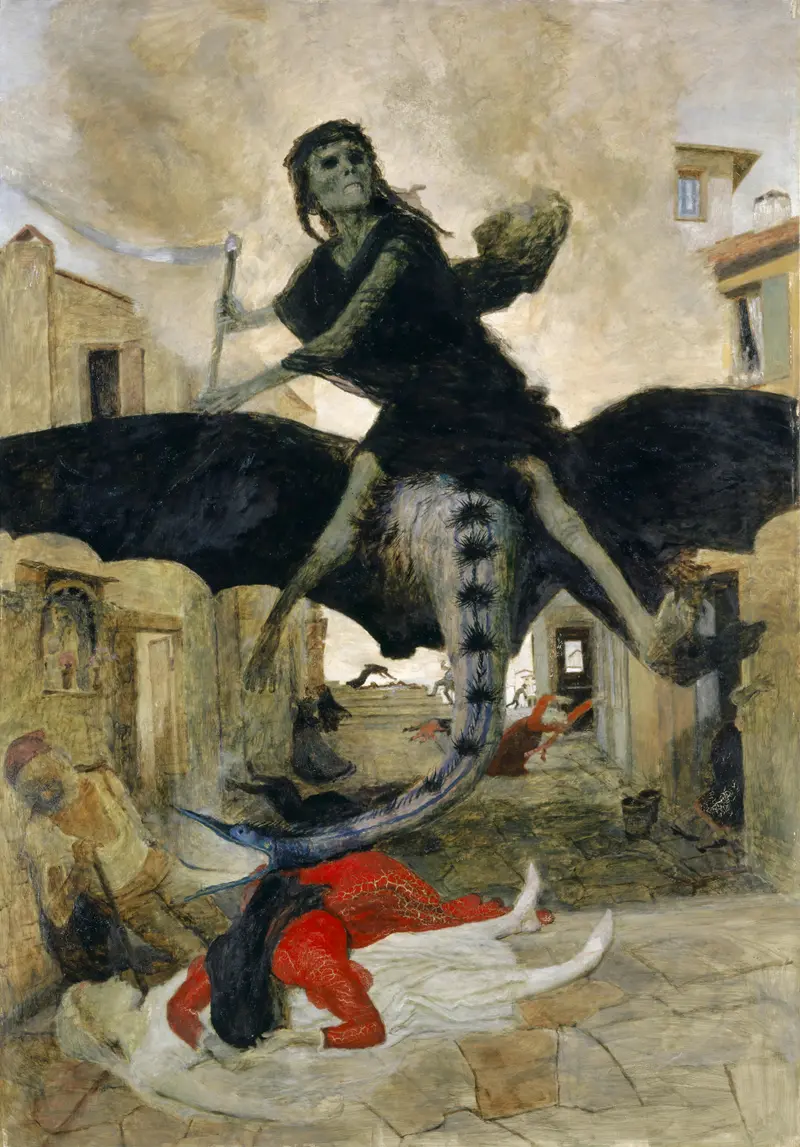
The Plague
Arnold Böcklin
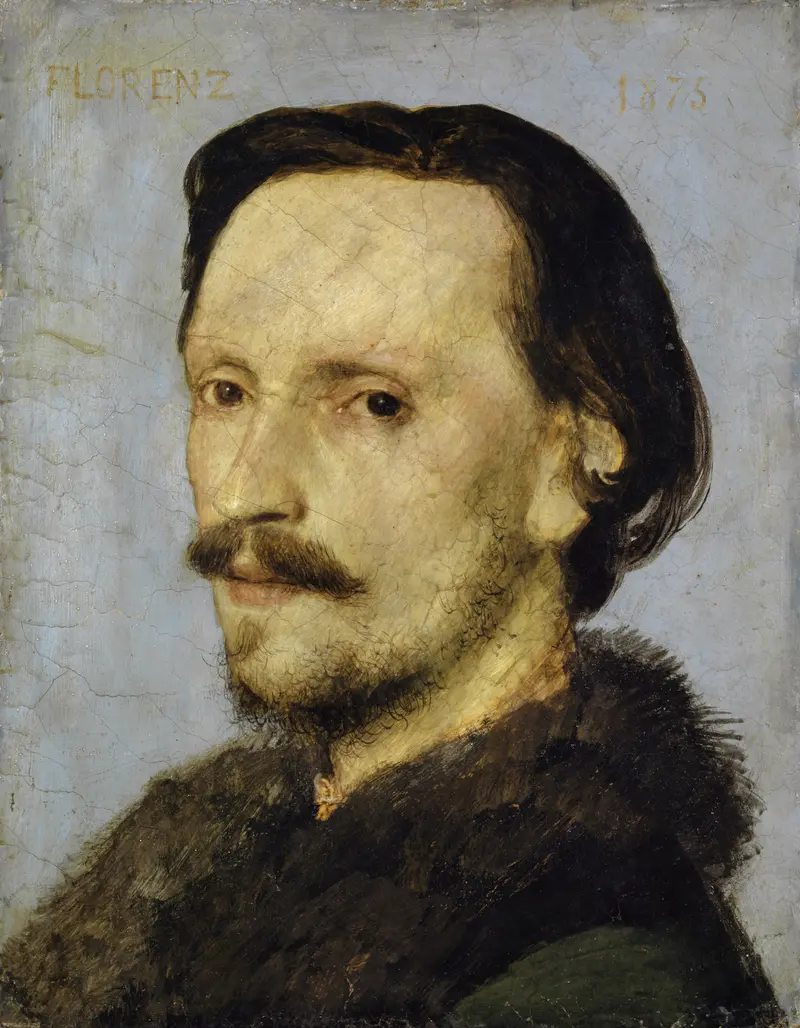
Böcklin Bildnis des Kunsthistorikers Adolph Bayersdorfer, 1875
Arnold Böcklin
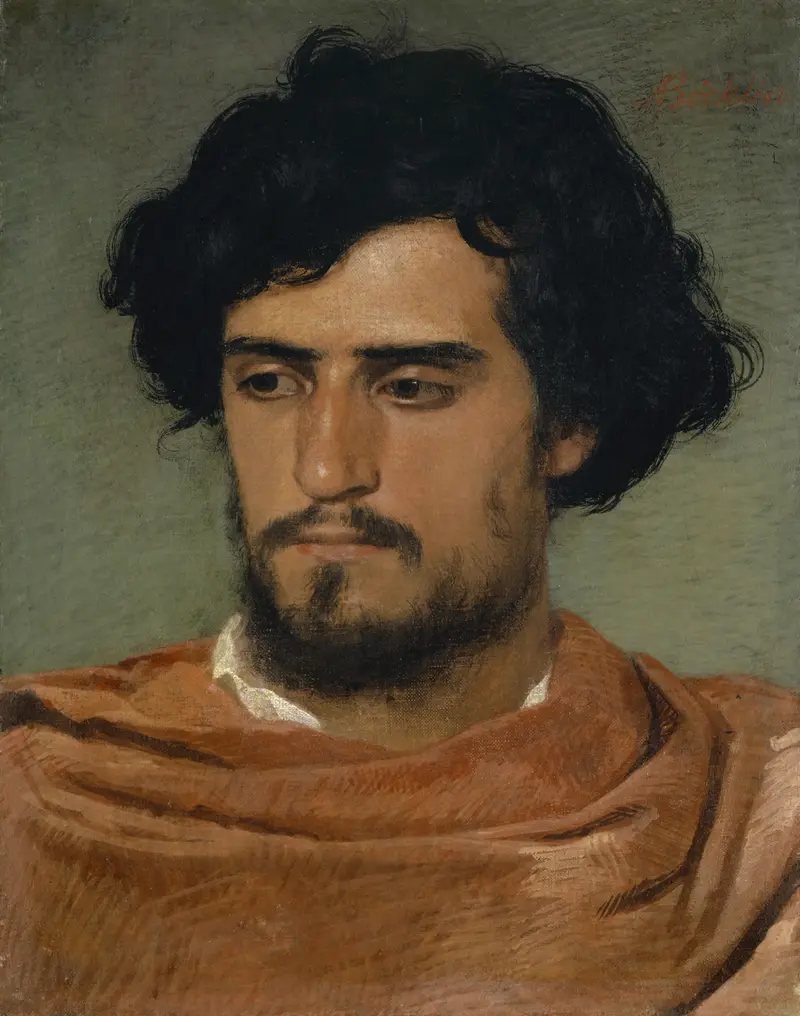
Head of a Roman
Arnold Böcklin
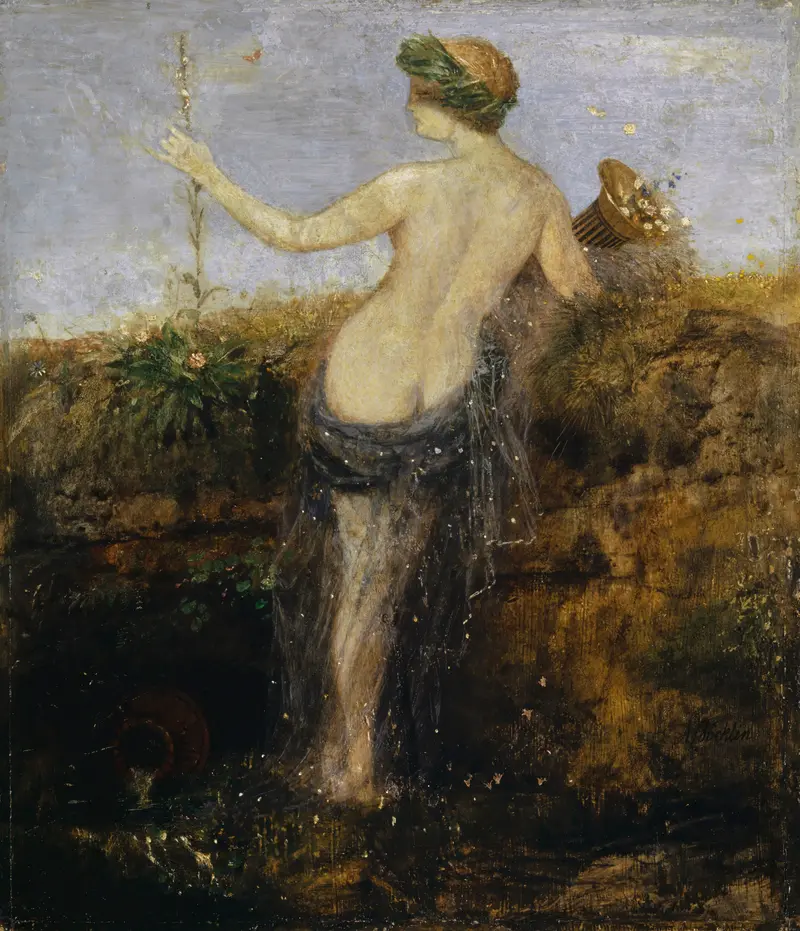
Nymphe with Horn of Plenty
Arnold Böcklin
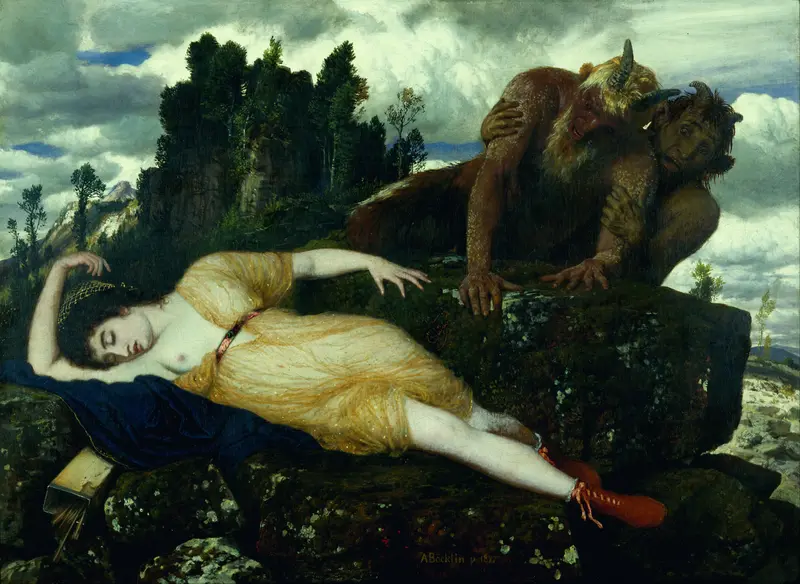
Sleeping Diana Watched by Two Fauns
Arnold Böcklin
Spring (Songs of Spring)
Arnold Böcklin





