
Spring (Songs of Spring) — History & Facts
A procession of myth and music winds through the heart of this painting, drawing the viewer into a world where spring is not just a season, but a living, breathing festival. The figures seem to dance out of the shadows, their bodies turning in rhythm, crowned with flowers and trailing garlands that spill across the canvas. Böcklin’s palette is lush and saturated, the greens and golds of new growth almost humming with energy, while the light falls in such a way that the central figures glow as if caught in a shaft of sunlight.
Every gesture is a celebration: one figure lifts a lyre, another scatters petals, and the entire scene sways with the suggestion of music too delicate to hear. The artist’s brushwork is both precise and loose, capturing the fleeting quality of spring’s arrival, and the composition leads the eye in a gentle spiral, always returning to the faces lost in reverie. Painted in 1876, this work belongs to the world of late nineteenth-century symbolism, when artists like Arnold Böcklin turned away from strict realism to conjure visions drawn from myth, legend, and dream. In an age of rapid industrial change, such paintings offered viewers a retreat into fantasy and memory, often commissioned by private patrons eager to fill their homes with reminders of beauty and renewal.
Böcklin’s influence was felt across Europe, inspiring artists and poets alike with his ability to blend the natural and the supernatural. Now held in the Pushkin Museum in Moscow, Spring (Songs of Spring) stands as a testament to a moment when art sought to capture not just what was seen, but what was longed for. The longer you look, the more the painting seems to promise: somewhere, the music of spring is always beginning.
More Artworks by Arnold Böcklin

Die Toteninsel III
Arnold Böcklin
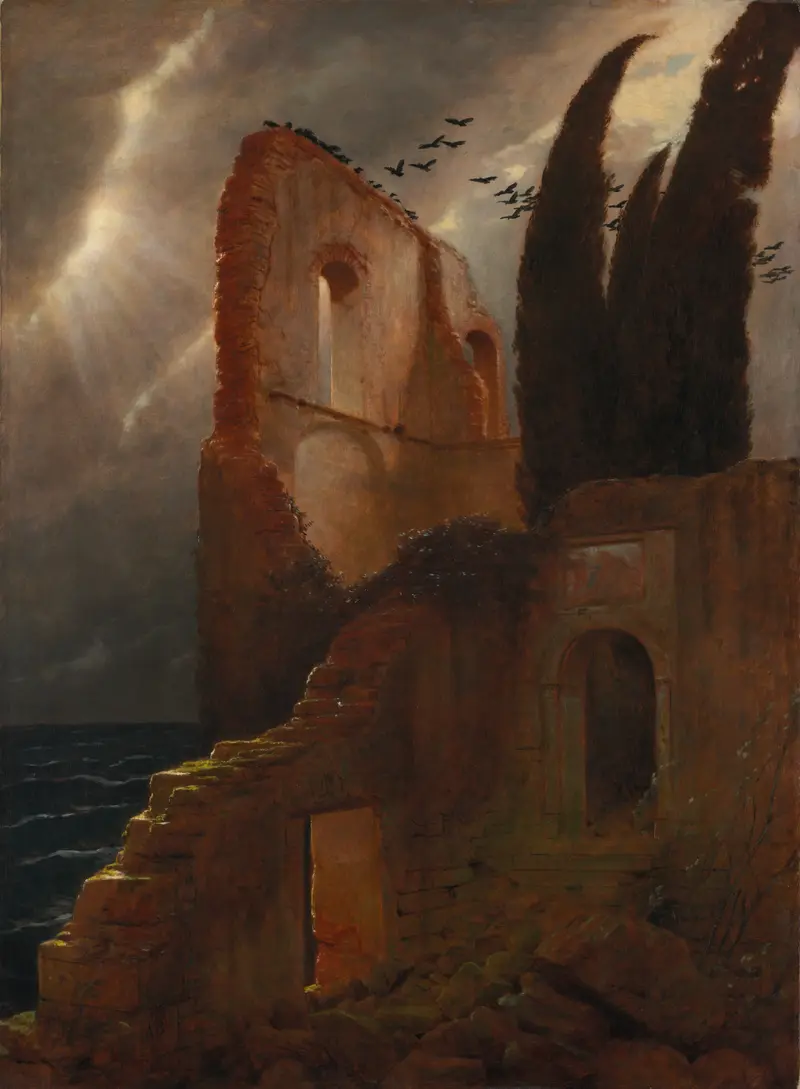
Ruin by the Sea
Arnold Böcklin
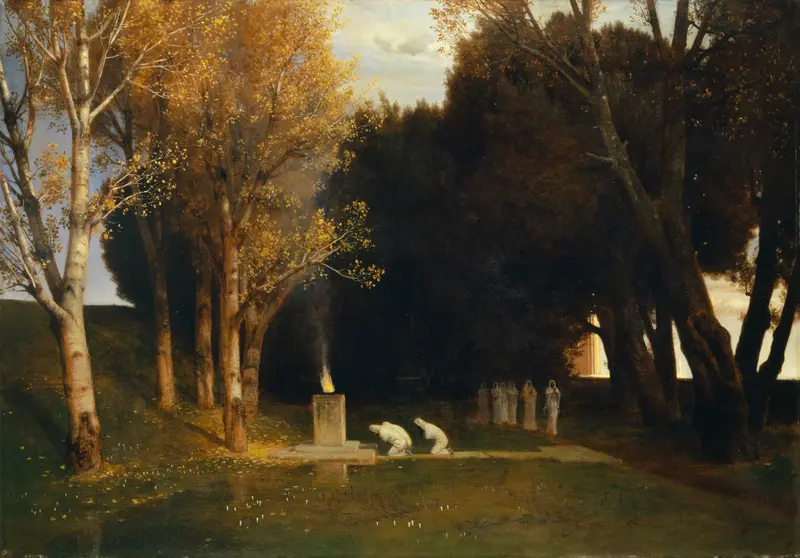
The Sacred Grove
Arnold Böcklin
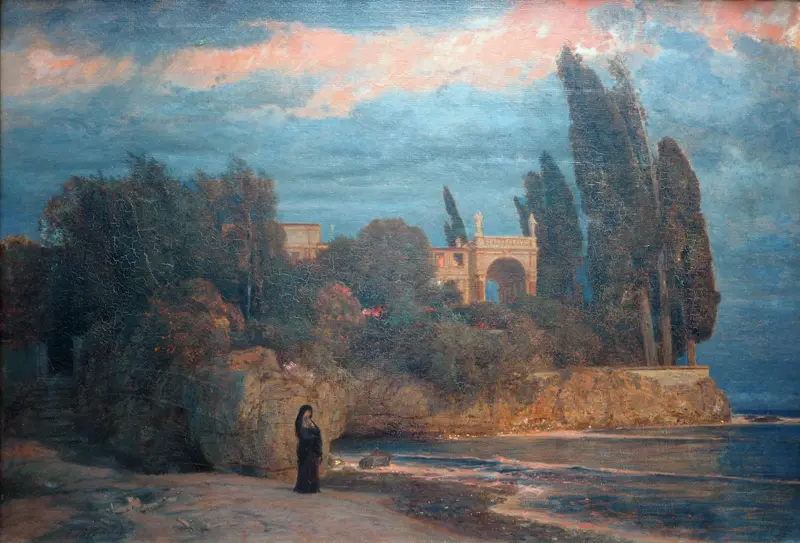
Villa by the Sea
Arnold Böcklin
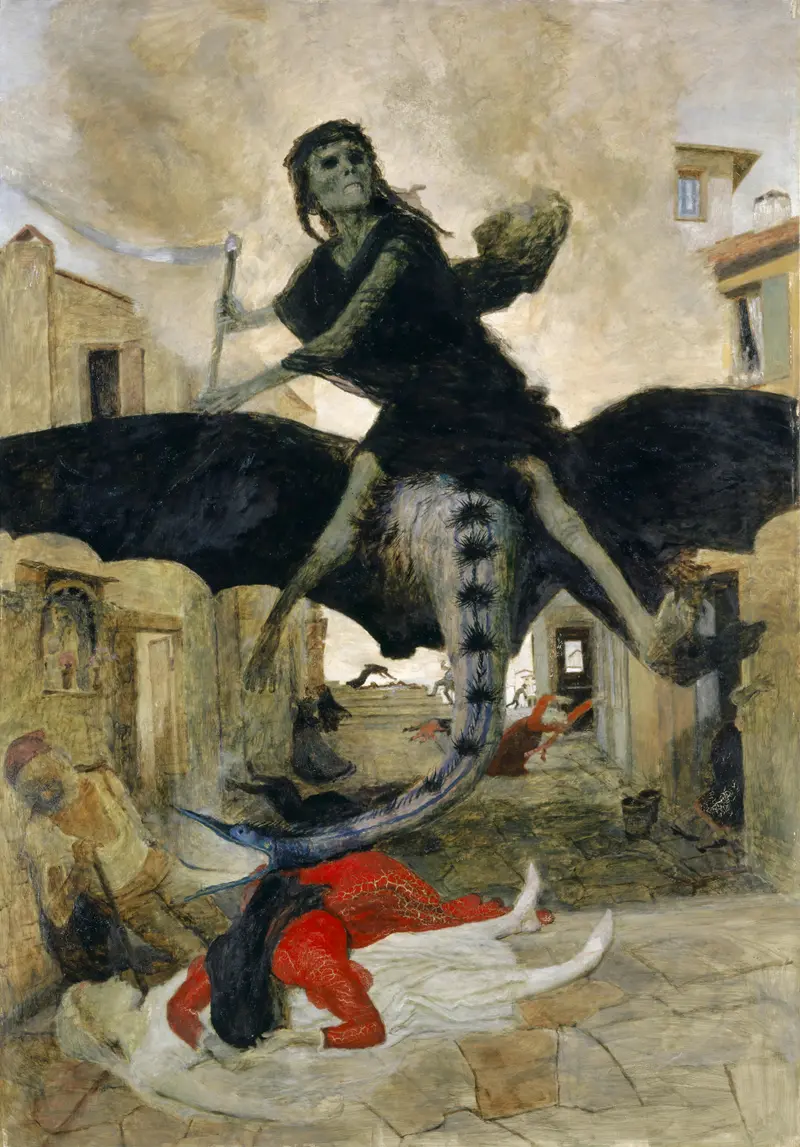
The Plague
Arnold Böcklin
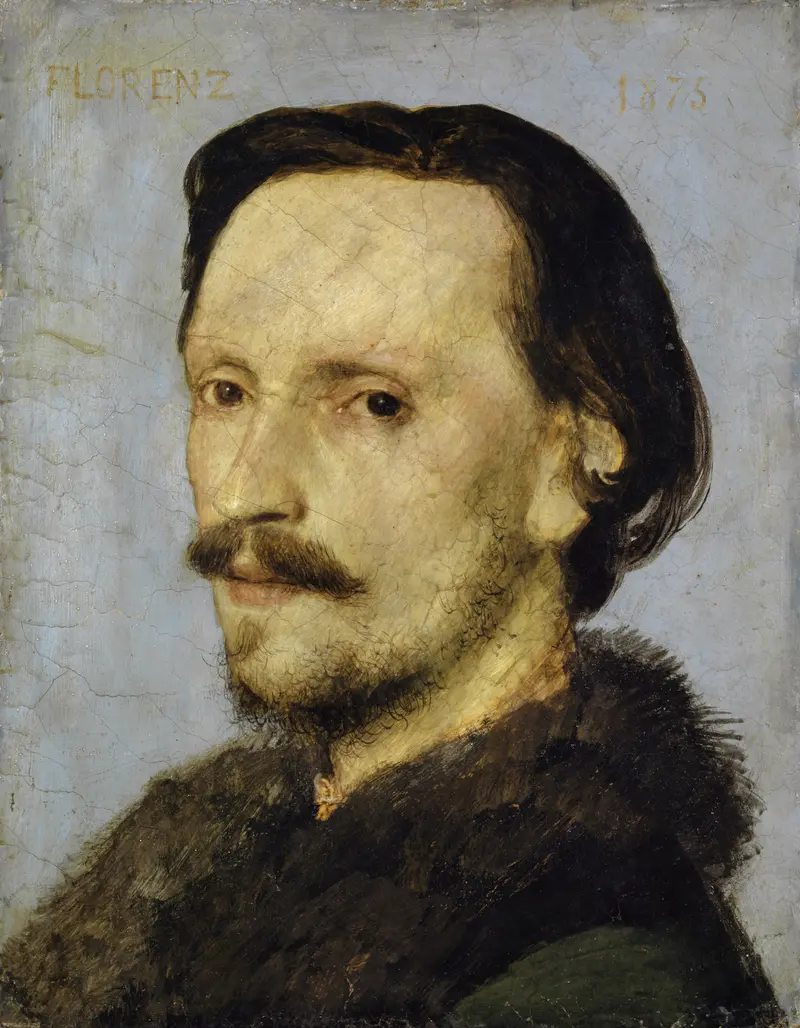
Böcklin Bildnis des Kunsthistorikers Adolph Bayersdorfer, 1875
Arnold Böcklin
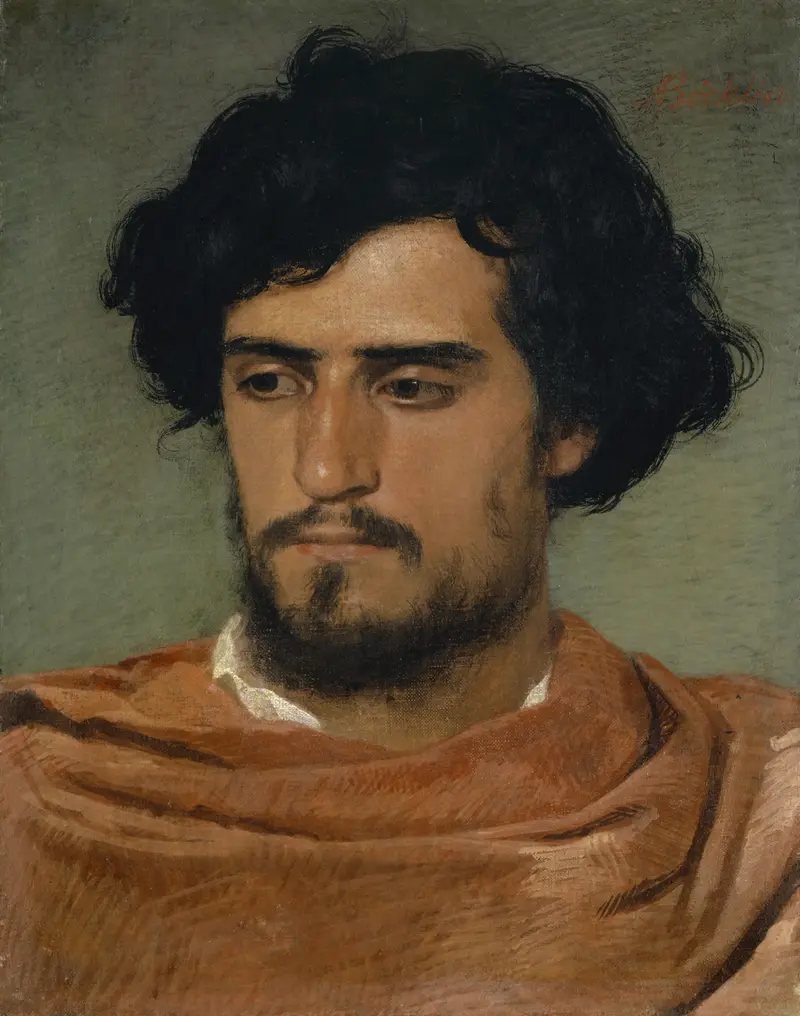
Head of a Roman
Arnold Böcklin
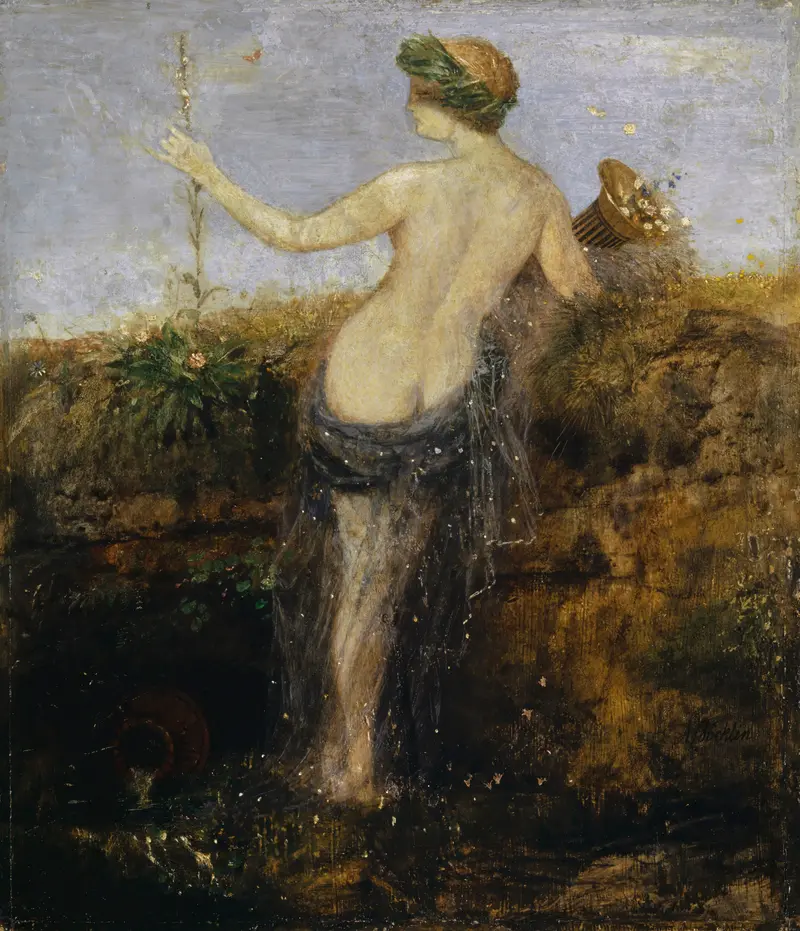
Nymphe with Horn of Plenty
Arnold Böcklin
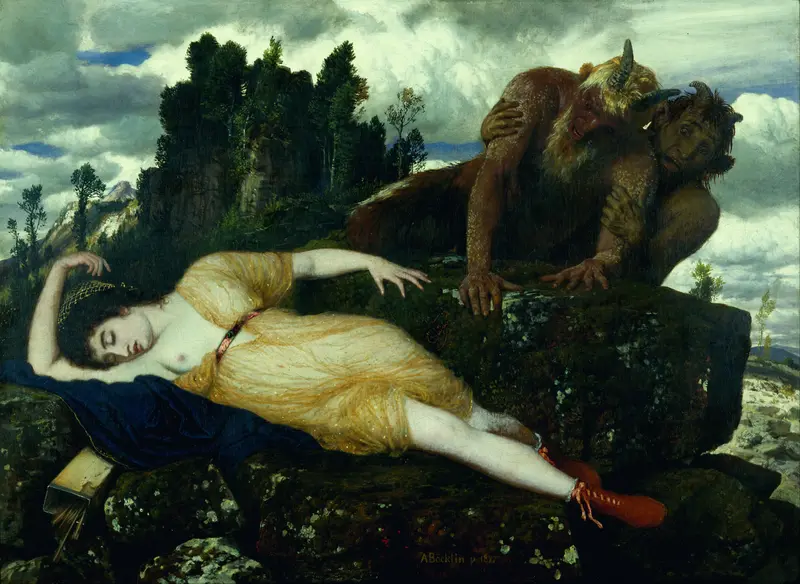
Sleeping Diana Watched by Two Fauns
Arnold Böcklin
The March of the Goths
Arnold Böcklin





