
Nymphe with Horn of Plenty — History & Facts
The first thing that catches the eye in Nymphe with Horn of Plenty is the way the figure seems to be both part of the earth and set apart from it, her pale back emerging from a tapestry of brown and green. A nymph, crowned with a wreath of leaves, stands at the edge of a mossy bank, her body turned away from the viewer as if caught mid-reverie. She reaches toward a tall, flowering stalk, her gesture both delicate and assured, while the horn of plenty in her right arm spills blossoms and fruit onto the ground.
The shimmer of her translucent drapery and the scattered petals suggest a world that teeters between myth and waking life, where abundance is as fragile as the light that touches her skin. Painted in 1866, this work by Arnold Böcklin belongs to a moment when artists across Europe were rediscovering the allure of myth and nature. Böcklin, a Swiss painter, became known for his dreamlike visions and his fascination with ancient stories, often blending the real and the imagined. In the mid-19th century, such paintings were sought by collectors eager for scenes that promised escape from the industrializing world, offering instead a vision of Arcadian peace or pagan mystery.
Today, Nymphe with Horn of Plenty resides in the collection of the Kunstmuseum Basel, a quiet testament to a time when art invited viewers to linger in the borderlands between history and fantasy—much as this nymph lingers at the edge of her own enchanted grove.
More Artworks by Arnold Böcklin

Die Toteninsel III
Arnold Böcklin
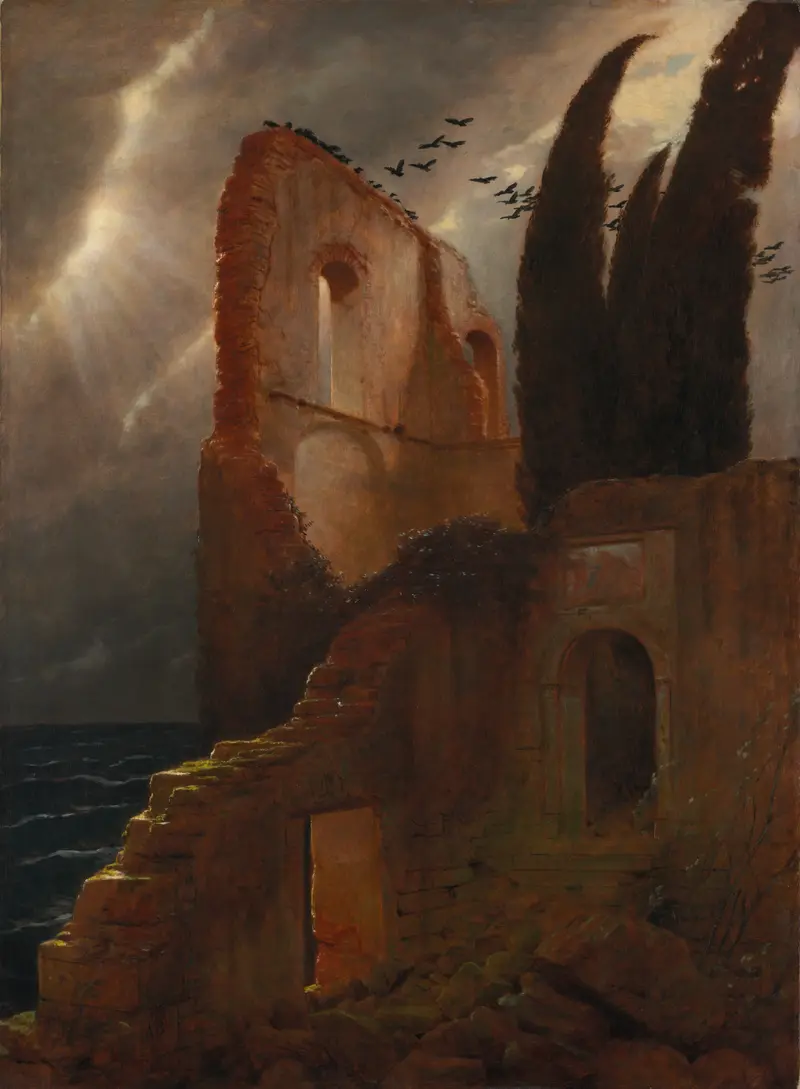
Ruin by the Sea
Arnold Böcklin
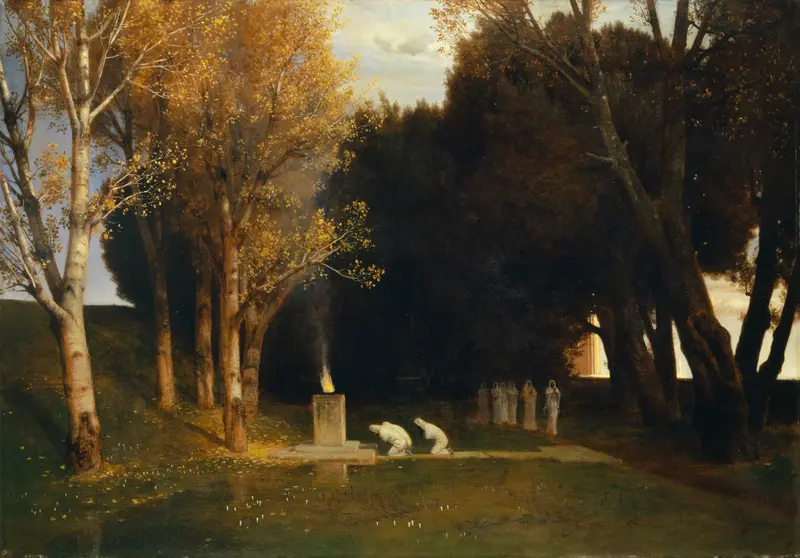
The Sacred Grove
Arnold Böcklin
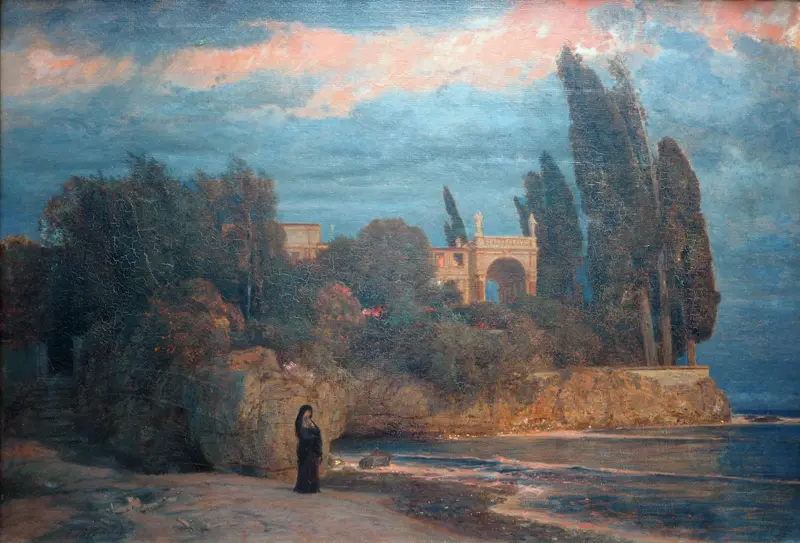
Villa by the Sea
Arnold Böcklin
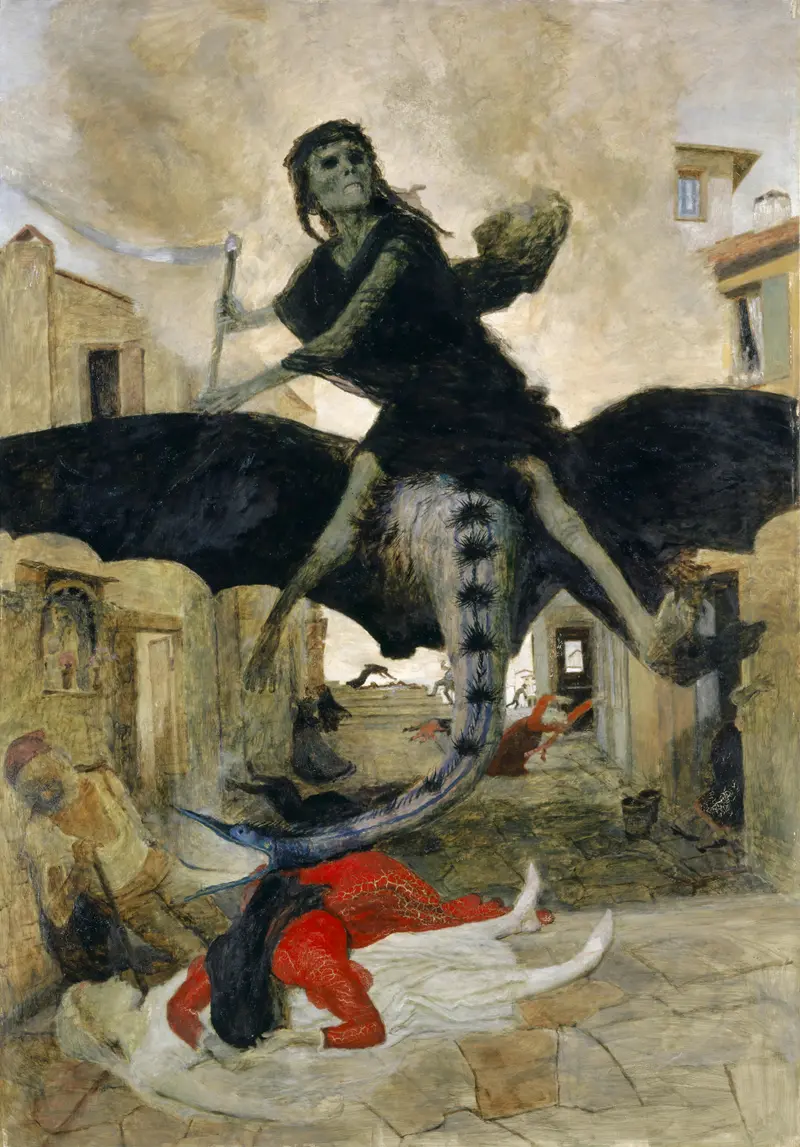
The Plague
Arnold Böcklin
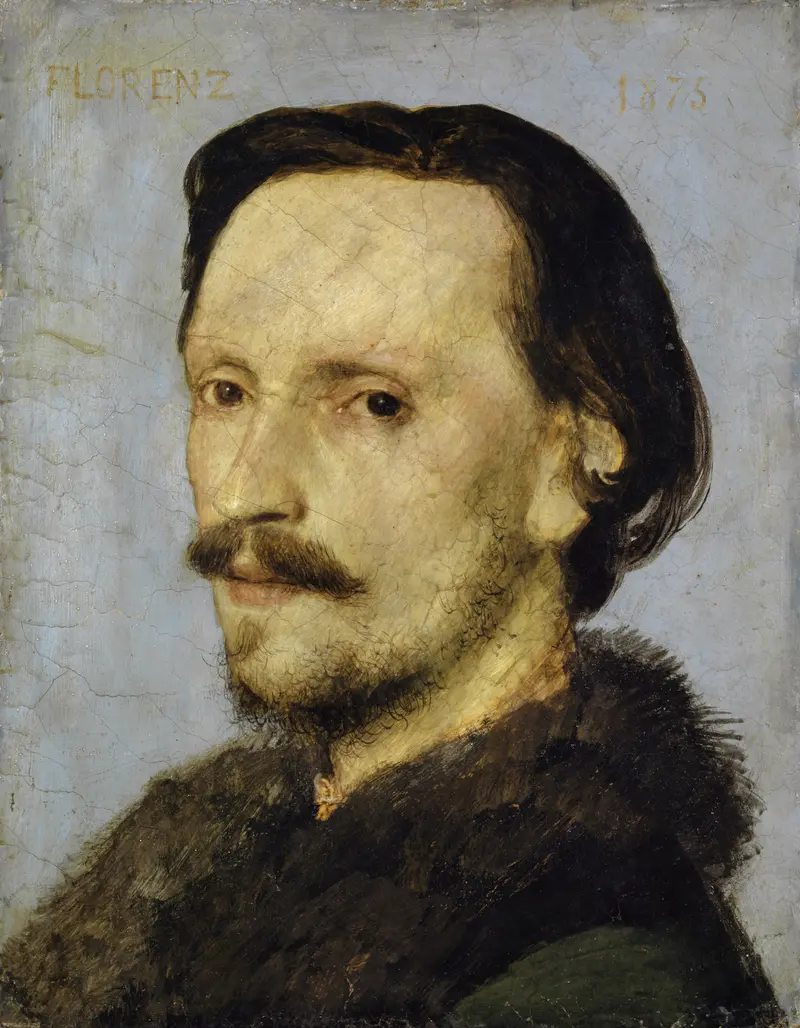
Böcklin Bildnis des Kunsthistorikers Adolph Bayersdorfer, 1875
Arnold Böcklin
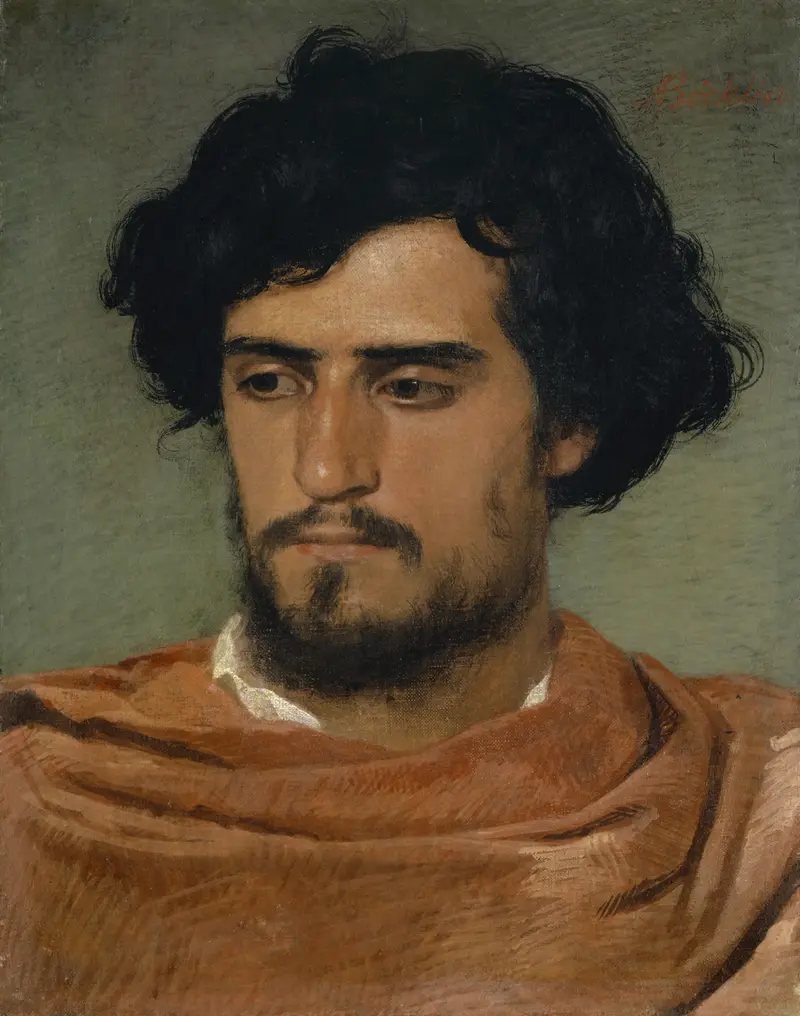
Head of a Roman
Arnold Böcklin
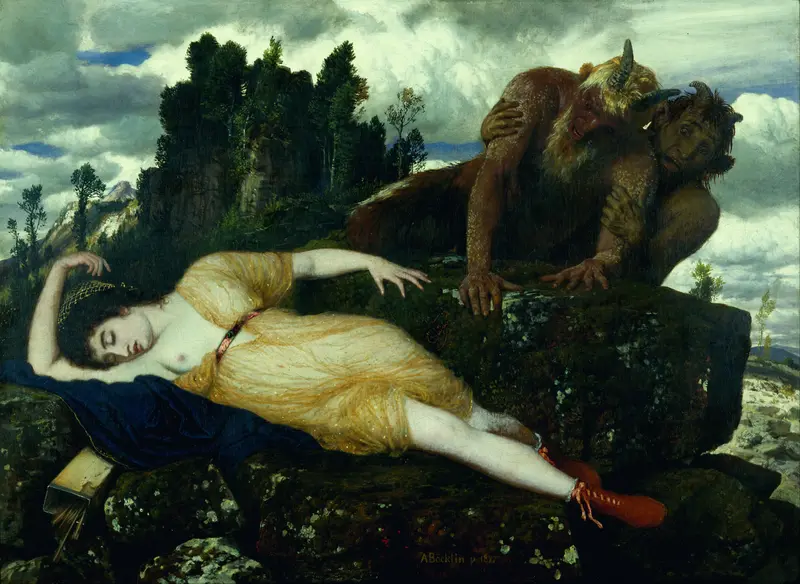
Sleeping Diana Watched by Two Fauns
Arnold Böcklin
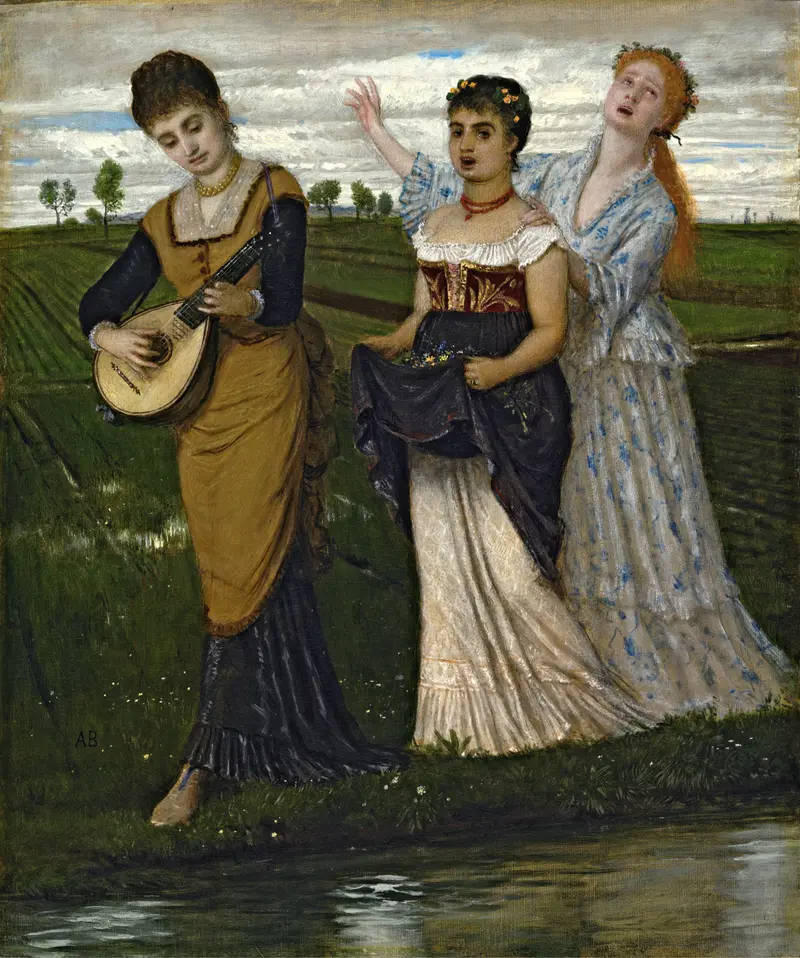
Spring (Songs of Spring)
Arnold Böcklin
The March of the Goths
Arnold Böcklin





