Boer met een mand met eieren — History & Facts
Who listens when art speaks of silence? In Boer met een mand met eieren, an evocative still-life from the early 16th century, the soft play of light creates a narrative that resonates with unspoken stories. Look to the left at the farmer, his weathered hands cradling a basket filled with eggs, each one gleaming with a delicate sheen. Notice how the soft, diffuse light falls upon his face, casting gentle shadows that reveal the wear of a life spent in labor. The muted color palette of earthy browns and soft whites emphasizes the intimacy of the moment, inviting the viewer to linger in the serene atmosphere. As you delve deeper, consider the contrast between the fragility of the eggs and the sturdy demeanor of the farmer.
This juxtaposition speaks to the balance of life and livelihood, the weight of responsibility against the lightness of hope. The eggs, representing potential and fragility, rest in tension with the man’s strong grip, reflecting the precariousness of existence itself. The stillness of the scene suggests a pause before action, encapsulating the fleeting nature of rural life. During the period of creation, the artist painted this piece amidst a flourishing Northern Renaissance, characterized by meticulous attention to detail and a heightened appreciation for the ordinary.
Working between 1510 and 1569 in the Netherlands, Binck was influenced by the increasingly complex relationship between art and domesticity, where still-life became a vessel to explore deeper meanings beneath everyday objects.
More Artworks by Jacob Binck
Browse all →
Portret van Christiaan II, koning van Denemarken
Jacob Binck

Christus en de Samaritaanse vrouw
Jacob Binck
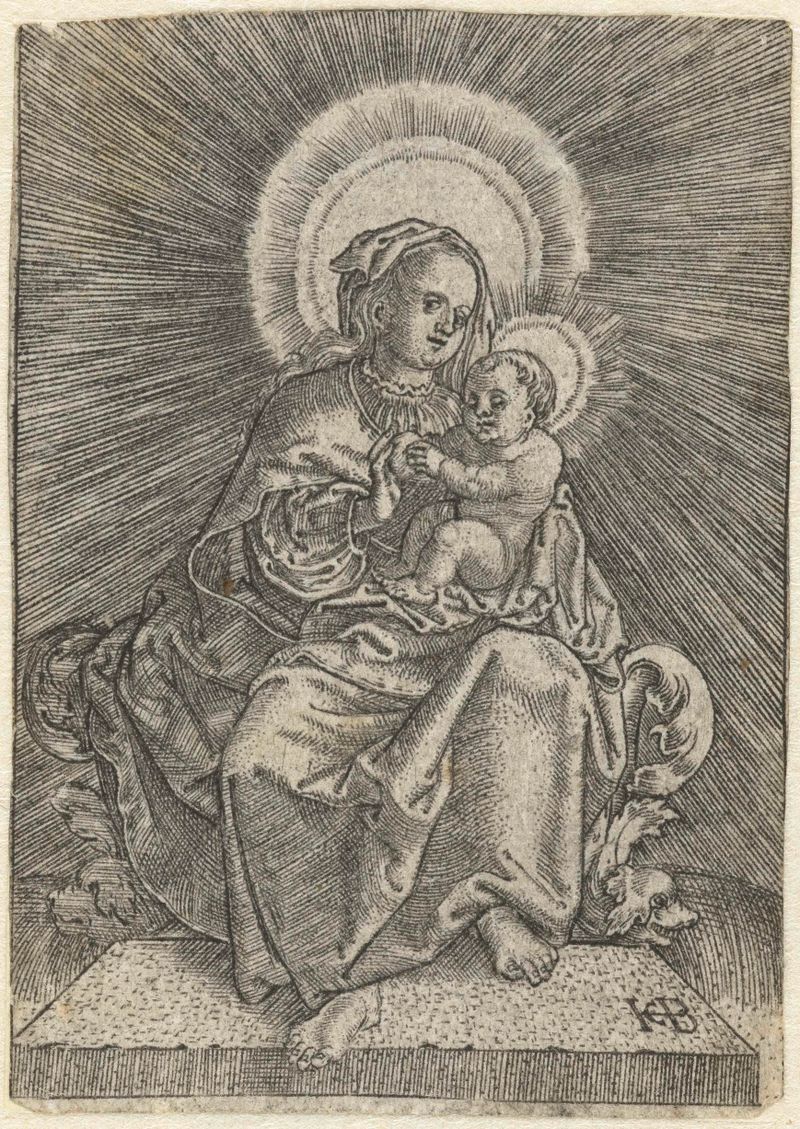
Tronende Maria met kind en appel in stralenkrans
Jacob Binck

Christus op de koude steen
Jacob Binck

Ornament met twee putti op dolfijnen onder een vaas
Jacob Binck
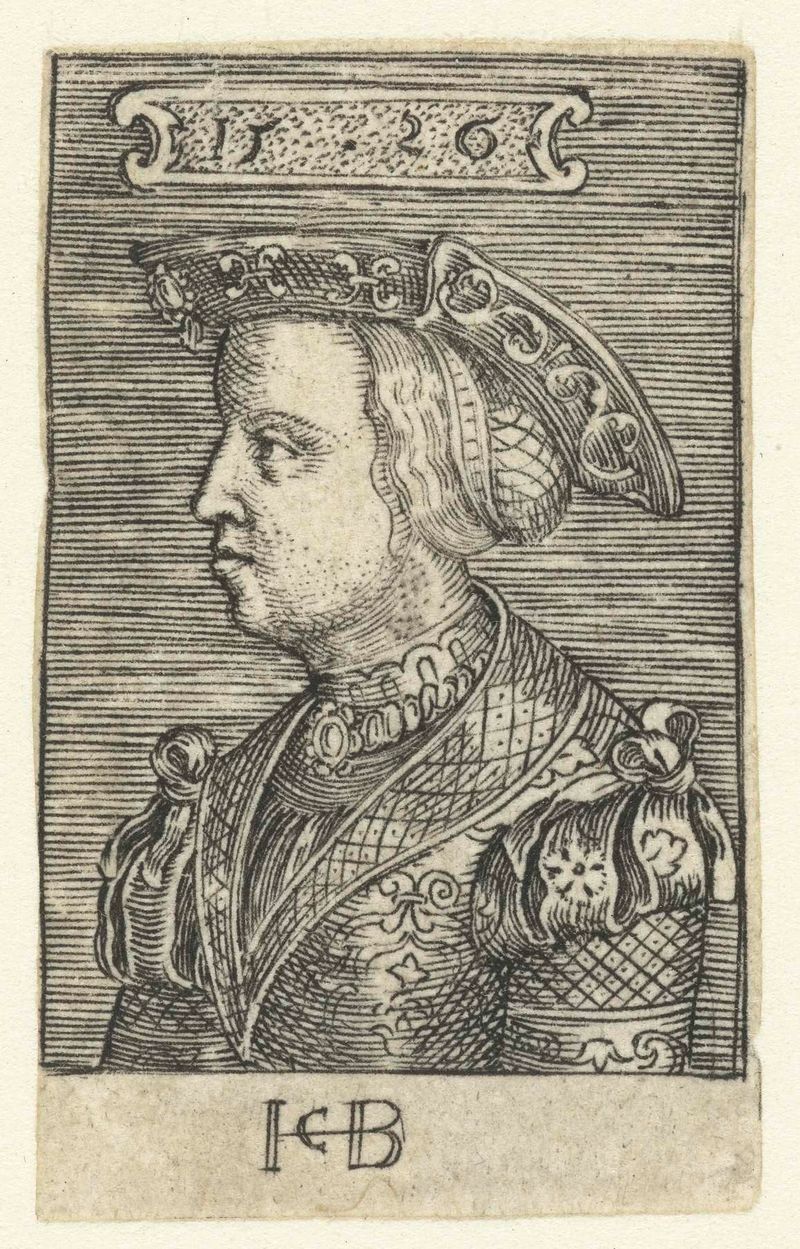
Portret van Claudia van Valois, echtgenote van Frans I
Jacob Binck

Ceres met kroon van korenaren, sikkel, brandende toorts en tweekoppige slang
Jacob Binck
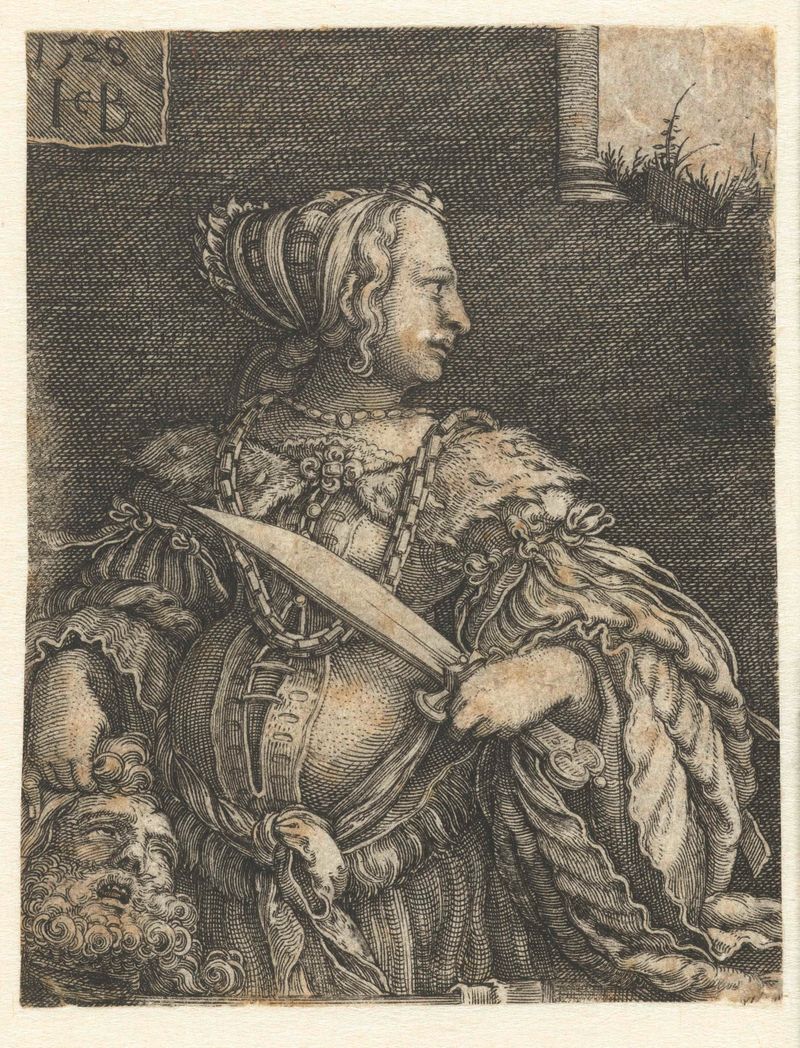
Judith met het hoofd van Holofernes
Jacob Binck
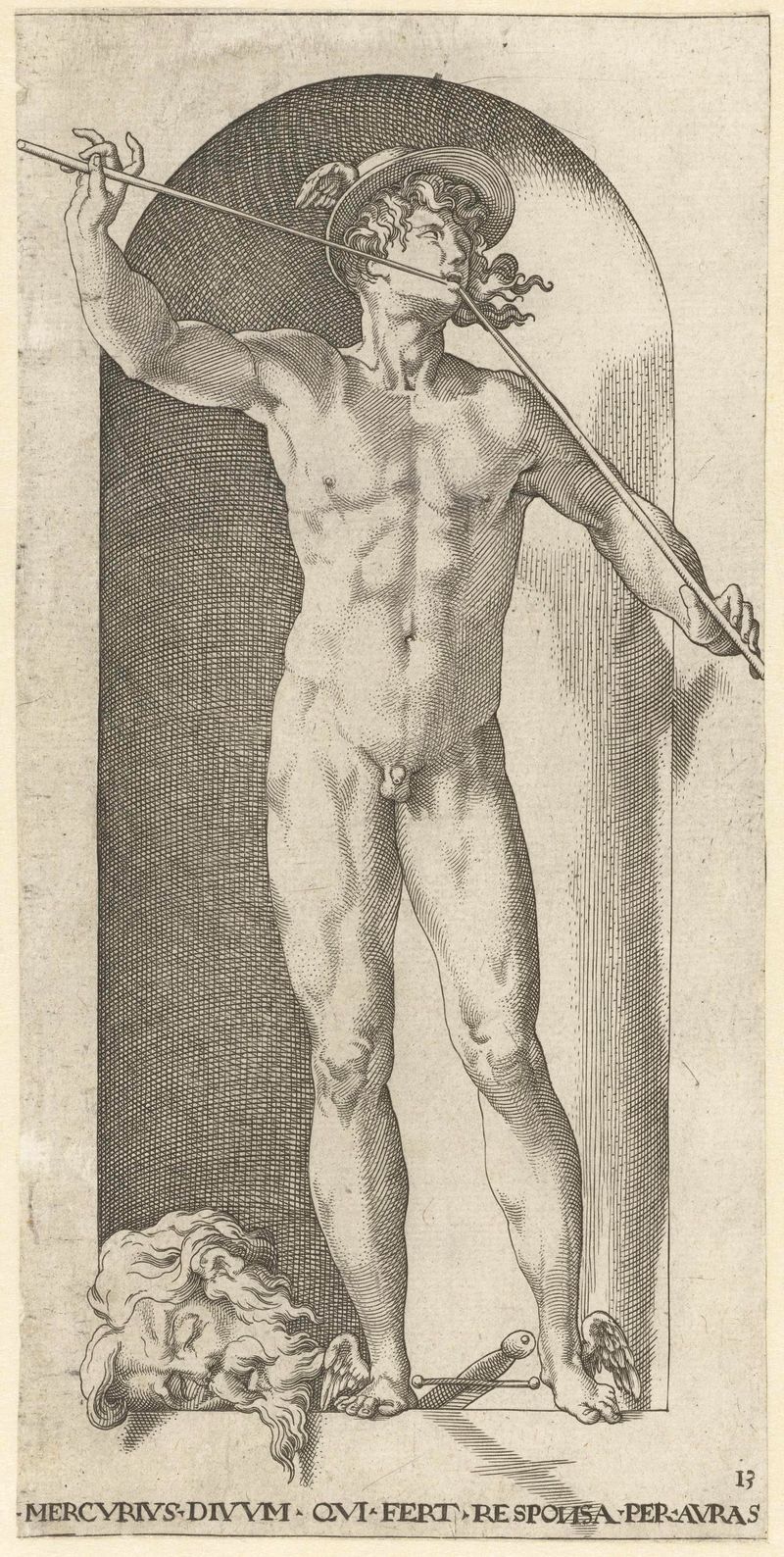
Mercurius met het hoofd van Argus
Jacob Binck

Minerva (Pallas Athena) met Medusahoofd op schild
Jacob Binck