
Boerderij bij een kanaal — History & Facts
What secret hides in the quiet of the canvas? In the stillness of Boerderij bij een kanaal, a sense of solitude envelops the viewer, evoking the hushed whispers of a landscape waiting for connection. Look to the left at the sturdy farmhouse, its muted hues of ochre and brown quietly blending into the earthy landscape. Notice how the gentle curve of the canal draws your gaze toward the horizon, mirroring the low-key palette and the understated brushwork that defines the scene. The soft light filters through the clouds, casting a subtle glow on the water’s surface; it echoes the serene yet melancholic aura that permeates the painting. In this tranquil depiction, emotional tensions lie beneath the surface.
The absence of figures suggests an unsettling loneliness, inviting contemplation of the lives that might inhabit such a place. The distant trees stand as silent witnesses to the passage of time, their branches reaching out yet never touching, embodying the yearning for connection that remains unfulfilled. The still water reflects not just the landscape but the poignant silence that defines the rural experience, hinting at stories untold. Esaias van de Velde painted Boerderij bij een kanaal in 1615, during a period when Dutch landscapes began to capture the essence of everyday life with a new realism.
Living in Haarlem, he was influenced by the burgeoning genre of landscape painting, marking a significant shift in the artistic focus in the Netherlands. This artwork exemplifies his masterful ability to evoke emotion through the quiet simplicity of rural scenes, a reflection of both his life and the emerging artistic trends of his time.
More Artworks by Esaias van de Velde
Browse all →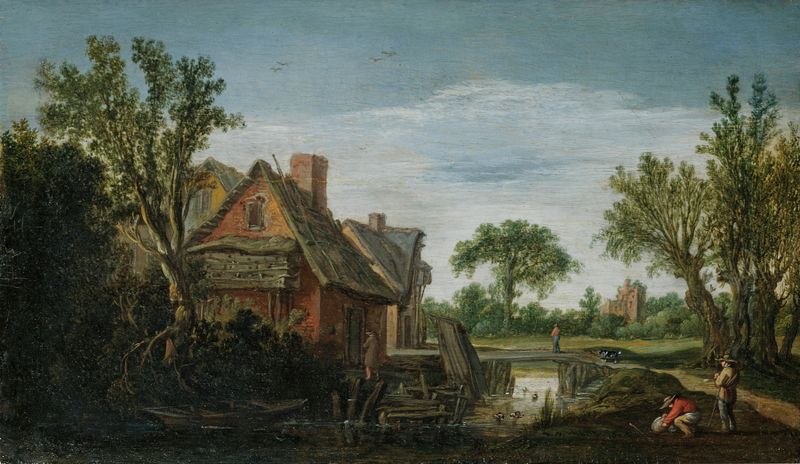
The Hague A Wooded River Landscape With Figures On A Path On A River Bank Beside A Village, A Bridge Beyond
Esaias van de Velde
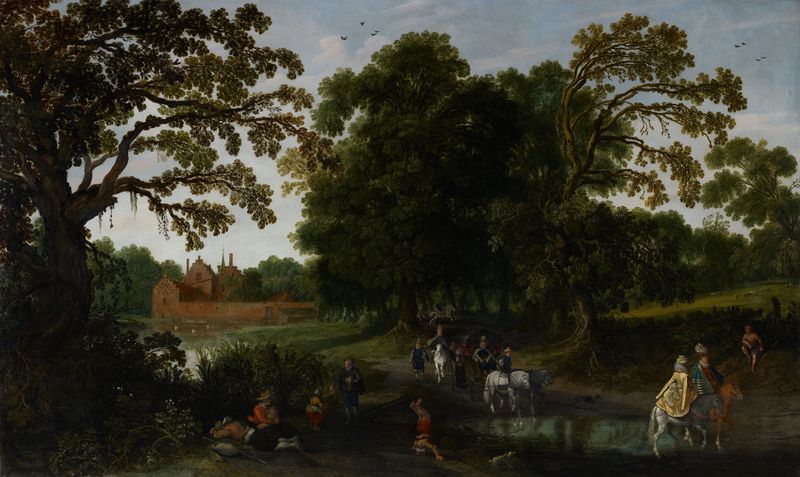
Courtly Procession before Abstpoel Castle
Esaias van de Velde
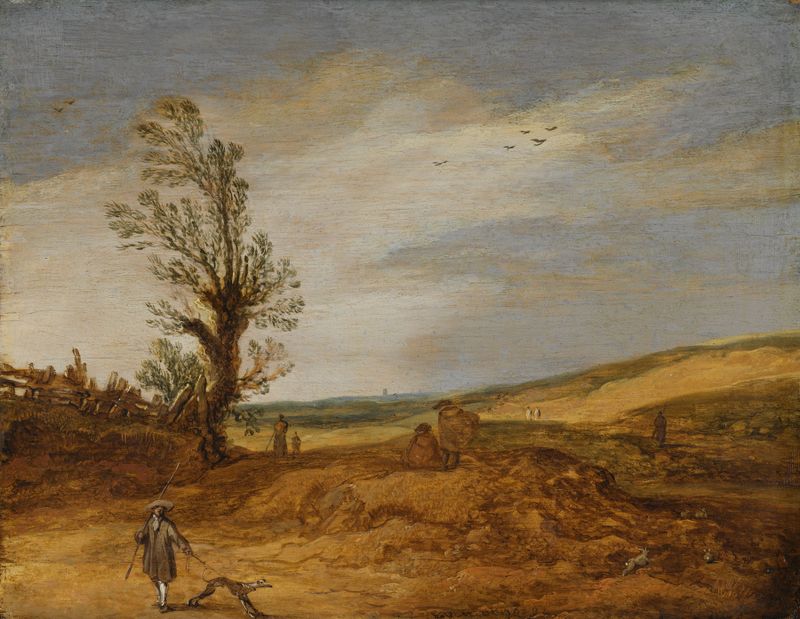
A View in the Dunes
Esaias van de Velde
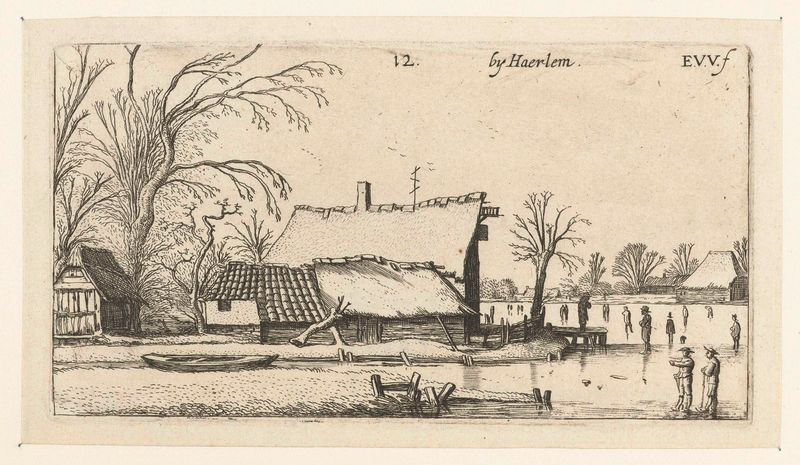
Boerderij bij een bevroren rivier met schaatsers
Esaias van de Velde
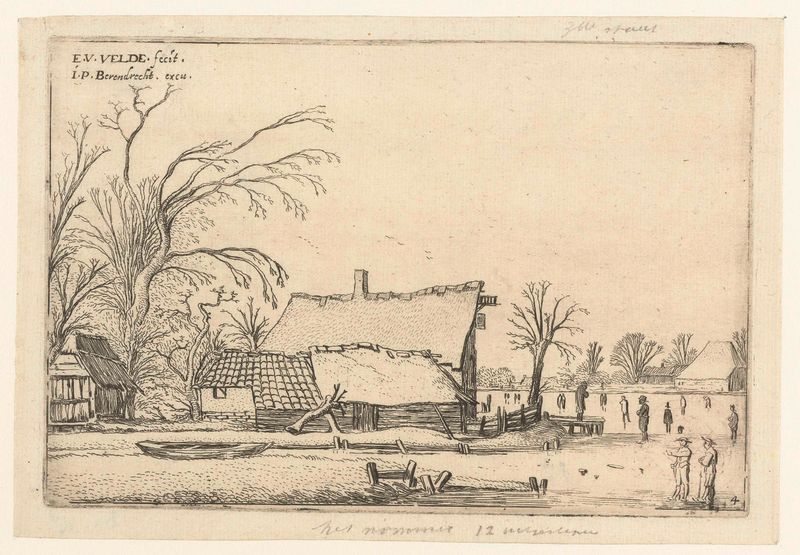
Boerderij bij een bevroren rivier met schaatsers
Esaias van de Velde
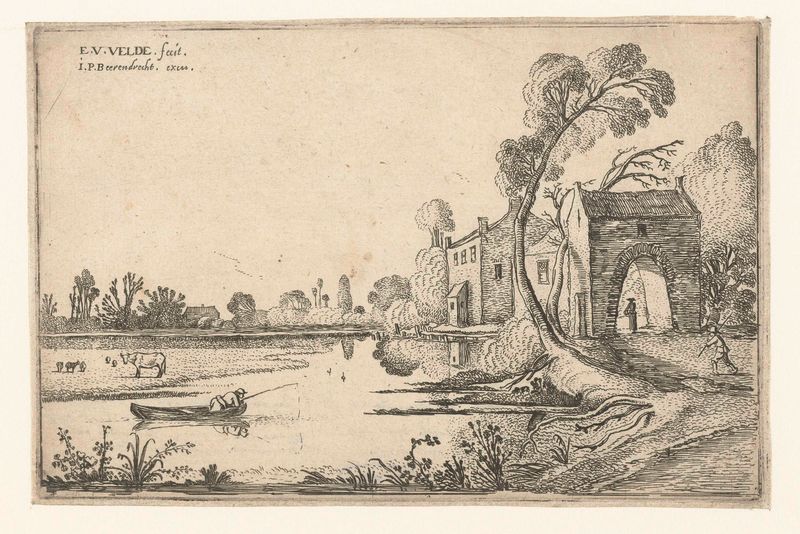
Landschap met rivier en poortgebouw
Esaias van de Velde
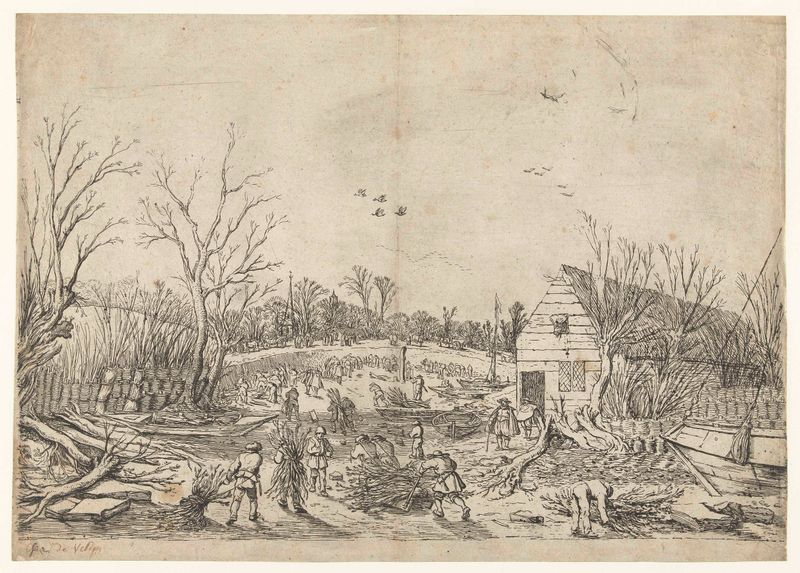
Herstelwerkzaamheden aan de doorgebroken Lekdijk bij 't Waal
Esaias van de Velde
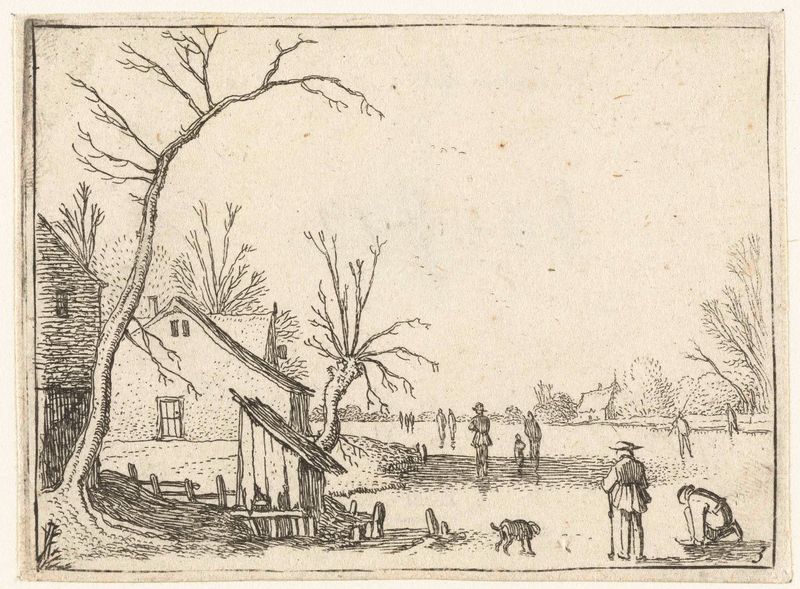
Boerderij bij bevroren rivier en schaatsers op het ijs
Esaias van de Velde
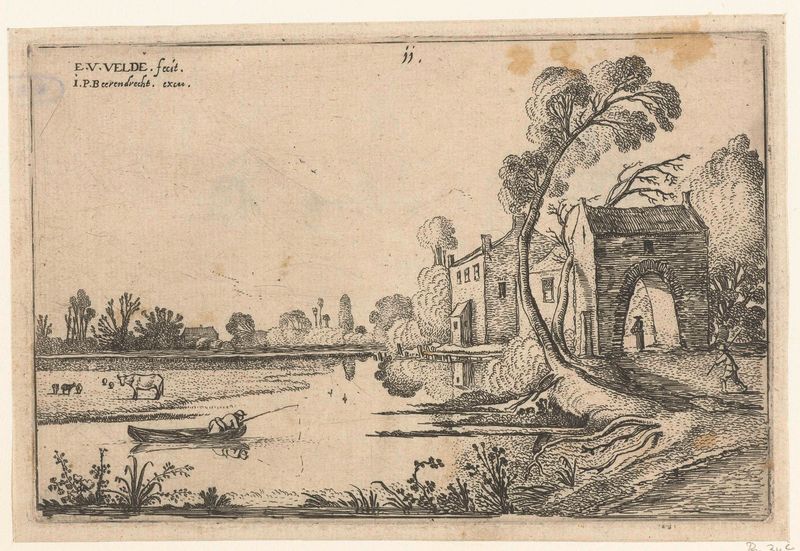
Landschap met een rivier en poortgebouw
Esaias van de Velde
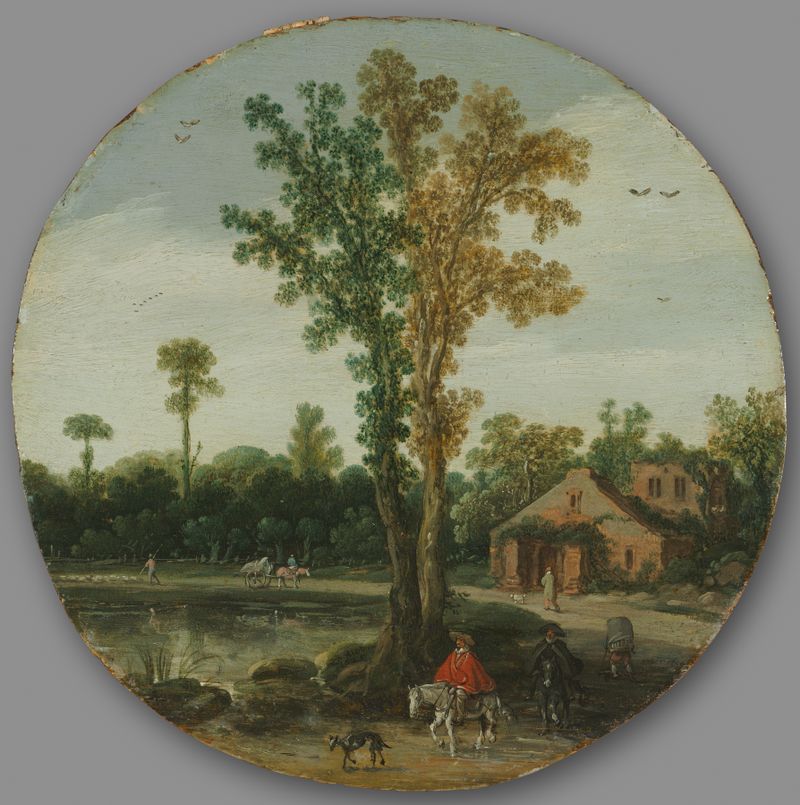
Travelers by a Lake
Esaias van de Velde





