
Bologna — History & Facts
What if beauty was never meant to be finished? In Bologna, Richard Parkes Bonington captures an essence of chaos, where the city seems to breathe and pulse with life, evoking a sense of endless possibility. Look to the left at the vibrant orange rooftops, standing in stark contrast to the deep blues of the sky. The brushwork is loose, almost spontaneous, inviting the viewer's eye to dance across the canvas rather than settling in one place. Notice how the light spills onto the buildings, creating a warm glow that captures the fleeting moments of sunlight, while the shadows hint at a world just beyond the frame — one filled with unspoken stories. In this work, contrasts abound: the tranquility of the scene is undercut by a sense of movement, as if the city is alive with both bustle and serenity.
The blending of colors speaks to the unpredictability of urban life, while the juxtaposition of the structured architecture against the fluidity of the sky suggests a deeper commentary on chaos and order. Each element, while distinct, harmonizes to evoke a rich narrative that resonates beyond mere observation. Bonington painted Bologna during a pivotal time in his artistic journey, between 1826 and 1827, while traveling through Italy. This period marked his engagement with the vibrant colors and atmospheric effects that would define his work.
The artist was influenced by the Romantic movement, which sought to capture the sublime chaos of nature and human emotion, reflecting a broader artistic shift as Europe grappled with change and enlightenment.
More Artworks by Richard Parkes Bonington
Browse all →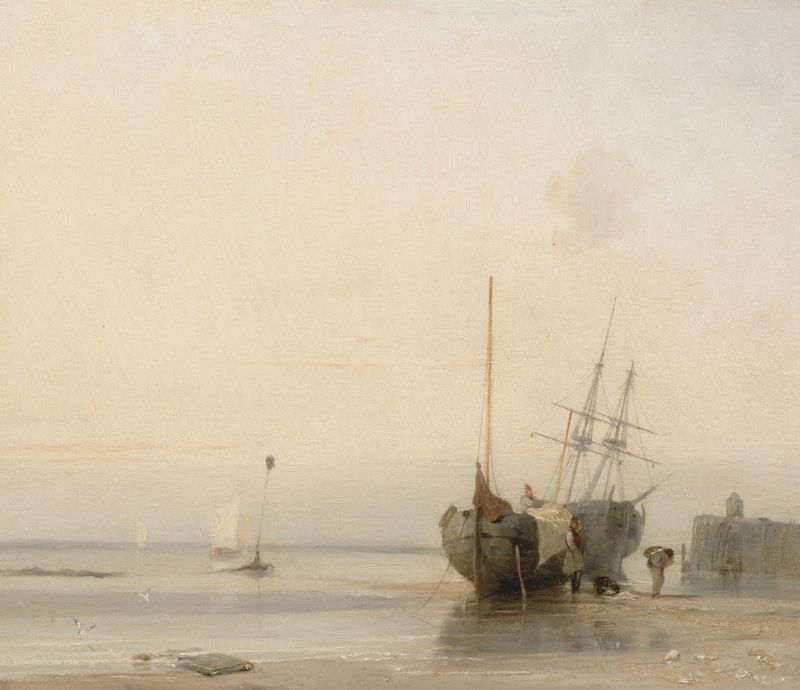
Calais Jetty, France
Richard Parkes Bonington
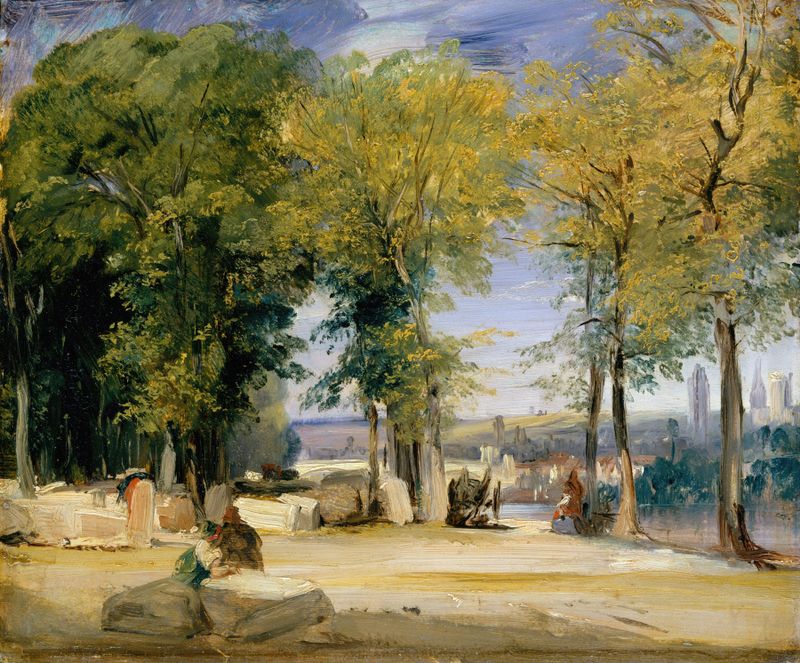
View near Rouen
Richard Parkes Bonington
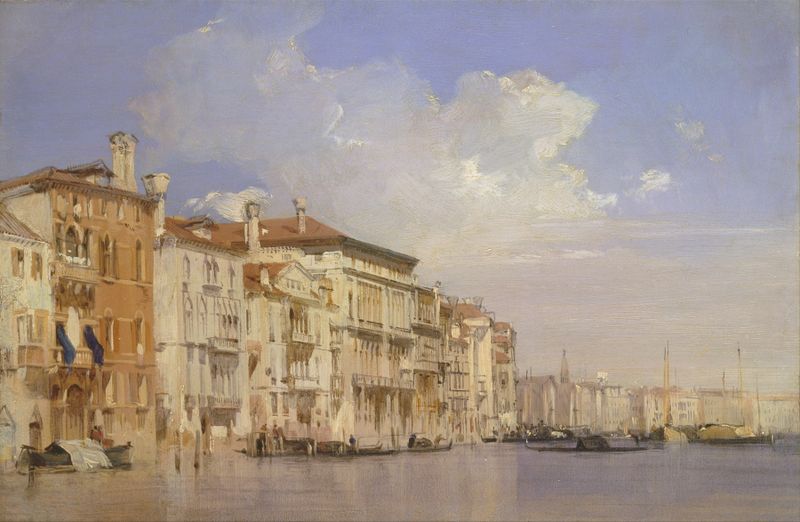
Grand Canal, Venice
Richard Parkes Bonington
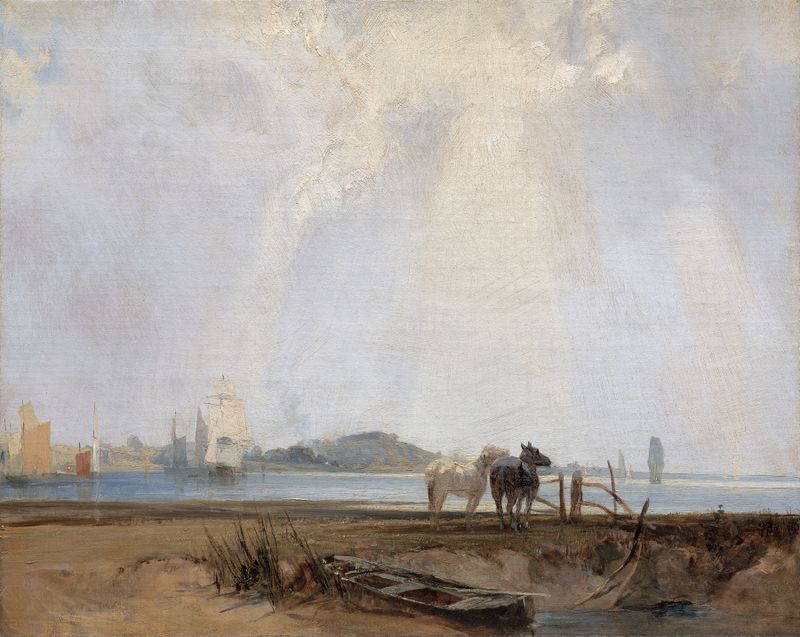
Near Quillebeuf
Richard Parkes Bonington
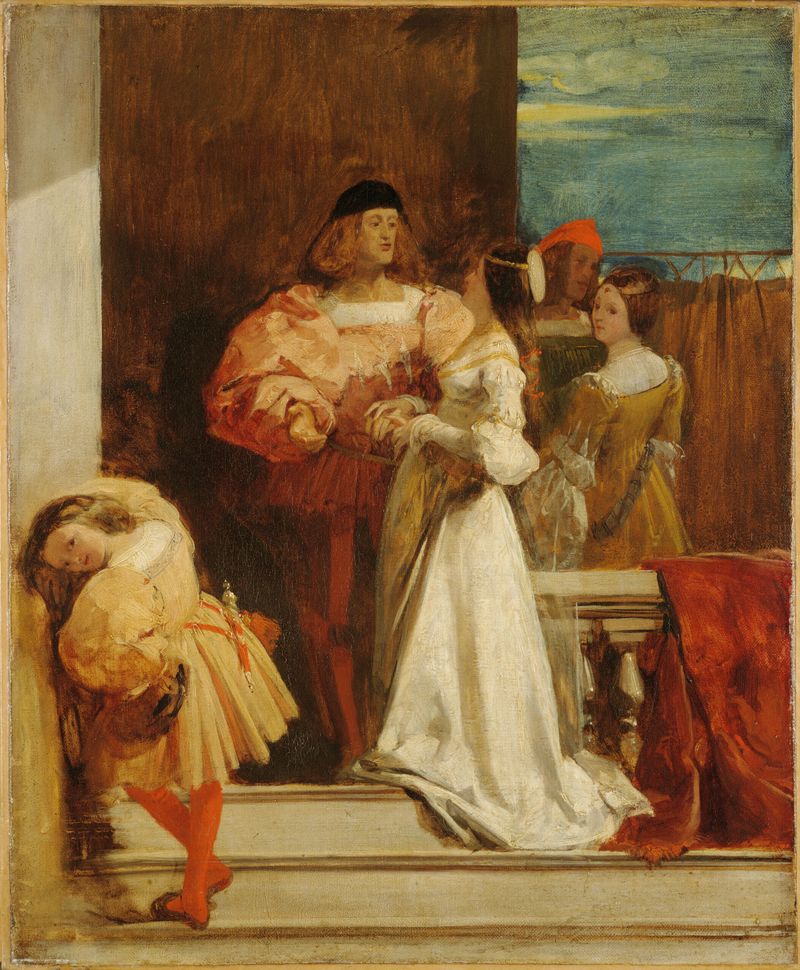
Evening in Venice
Richard Parkes Bonington
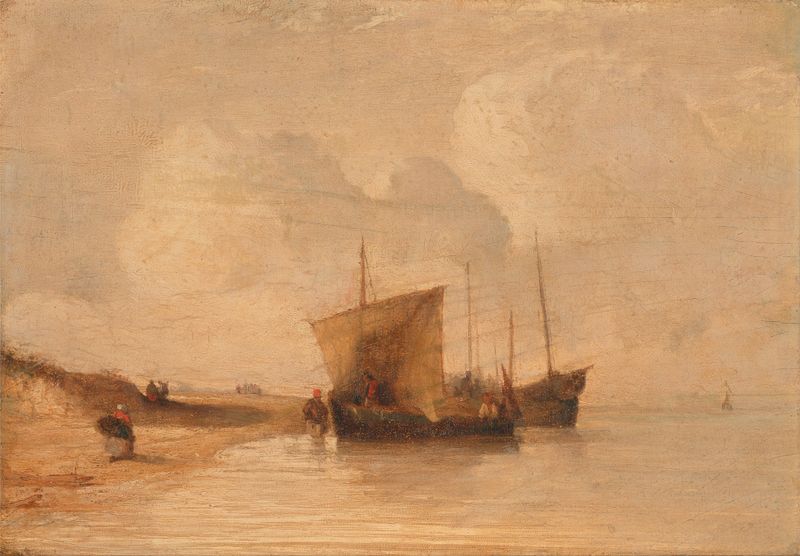
Normandy Coast
Richard Parkes Bonington
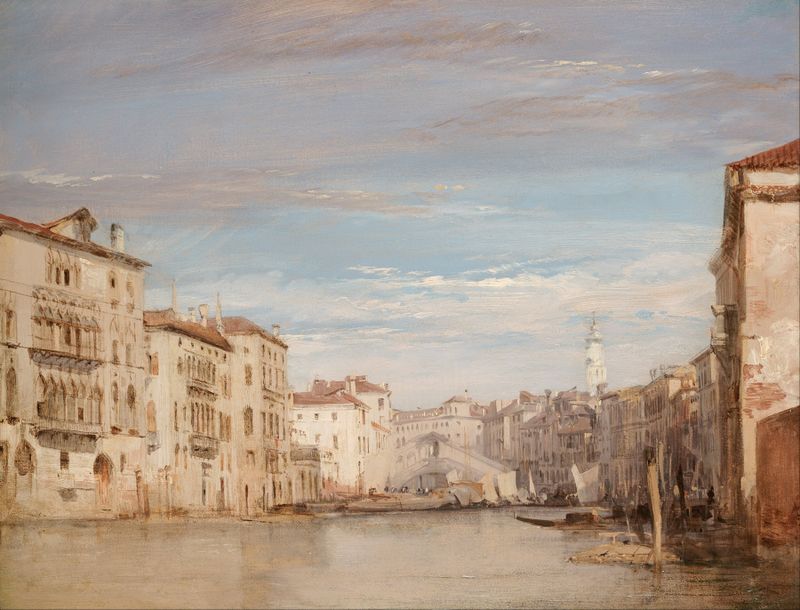
The Grand Canal, Venice, Looking Toward the Rialto
Richard Parkes Bonington
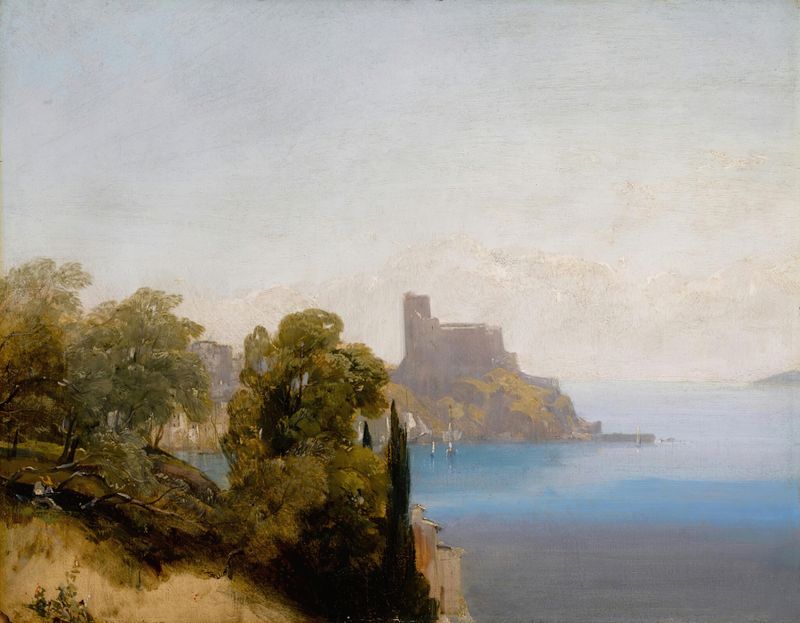
View of Lerici with Baron Charles Rivet sketching in the foreground
Richard Parkes Bonington
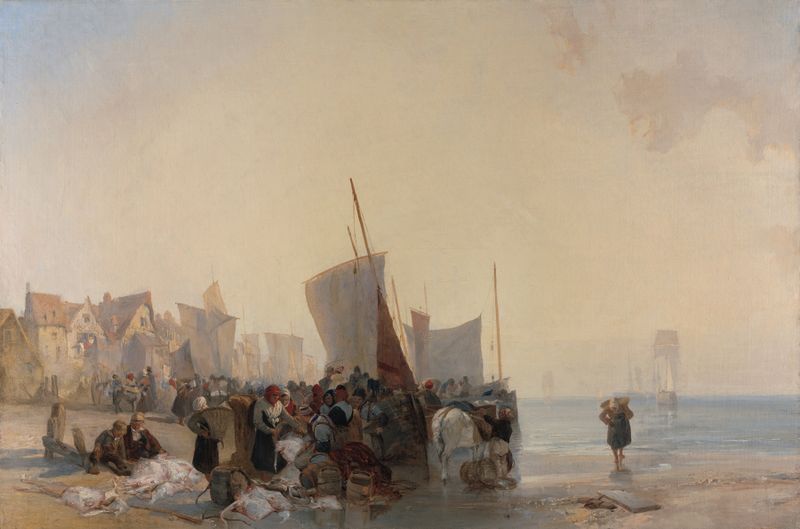
A Fish-market near Boulogne
Richard Parkes Bonington
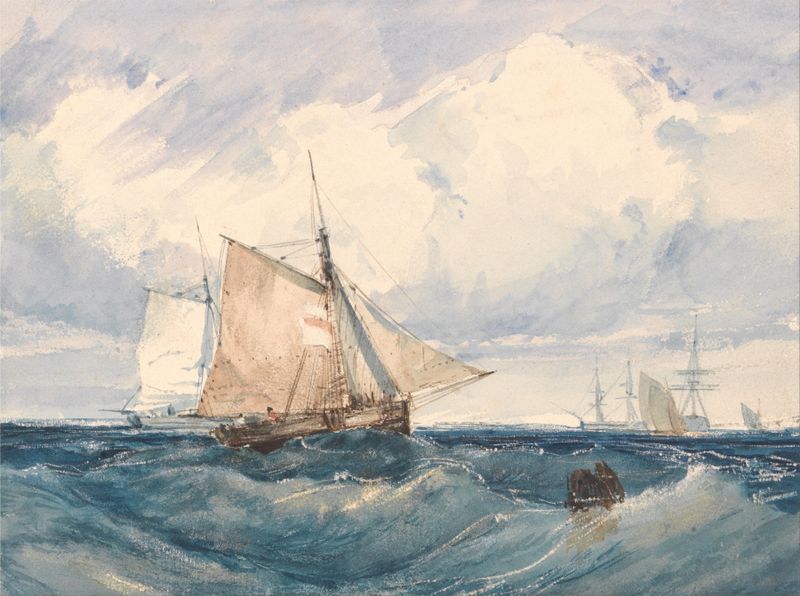
A Cutter and other shipping in a Breeze
Richard Parkes Bonington





