
Bomen aan het water — History & Facts
Could beauty survive in a century of chaos? The question looms over Bomen aan het water, evoking a sense of ecstasy in the midst of an unpredictable world. Look to the left at the gentle sway of the trees, their lush green foliage vividly contrasting against the serene blue water. The brushwork dances with life, and the dappled sunlight filters through the leaves, creating a mosaic of light and shadow on the surface below. Notice how Moulijn's use of vibrant hues not only captures the essence of the landscape but also imbues it with an almost enchanting quality, inviting the viewer into a tranquil moment frozen in time. Amidst this idyllic scene, there lies a subtle tension between nature's beauty and the persistent undercurrent of uncertainty that characterized the early 20th century.
The stillness of the water, reflecting the trees above, speaks of harmony, yet it stands in stark contrast to the world outside this frame, teetering on the brink of upheaval. Each brushstroke carries an emotional weight, revealing not just a serene view, but an invitation to ponder the fragile balance between peace and turmoil. In 1906, Simon Moulijn was in his native Netherlands, where he was deeply influenced by the Impressionist movement and its focus on capturing the ephemeral beauty of nature. During this period, the art world was undergoing significant transformation, shifting away from traditional views to more expressive techniques.
Moulijn's work embodies this evolution, simultaneously reflecting the natural world and the inner turmoil of a society on the cusp of monumental change.
More Artworks by Simon Moulijn
Browse all →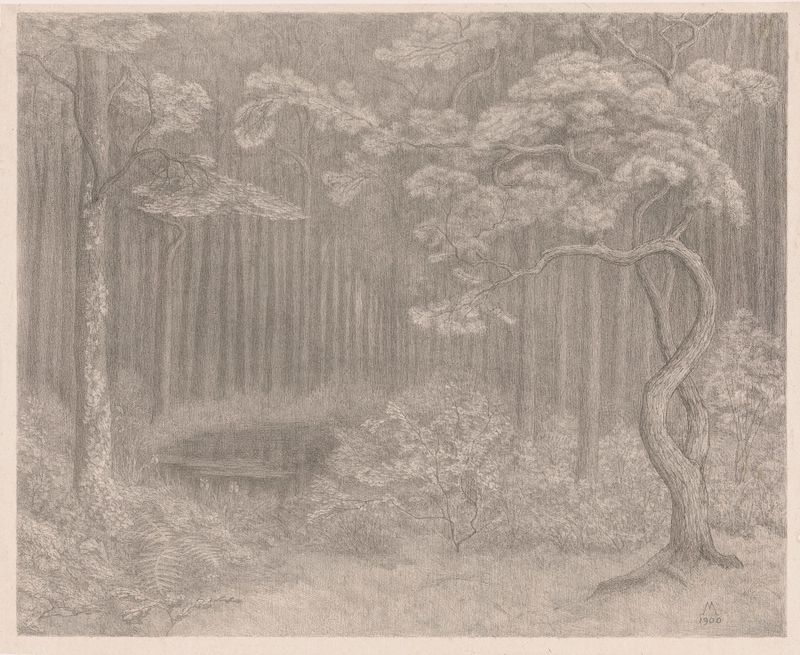
Bosgezicht
Simon Moulijn
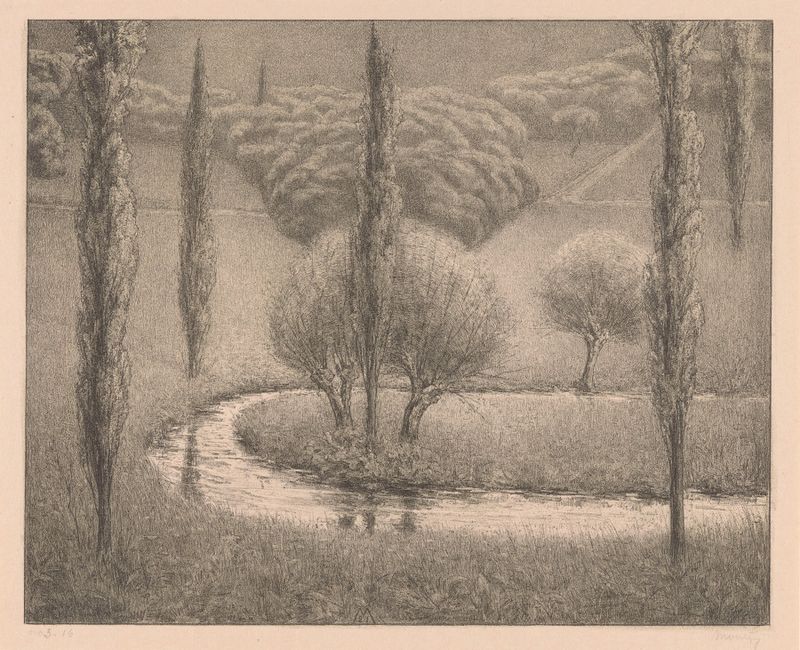
Landschap met wilgen en populieren
Simon Moulijn
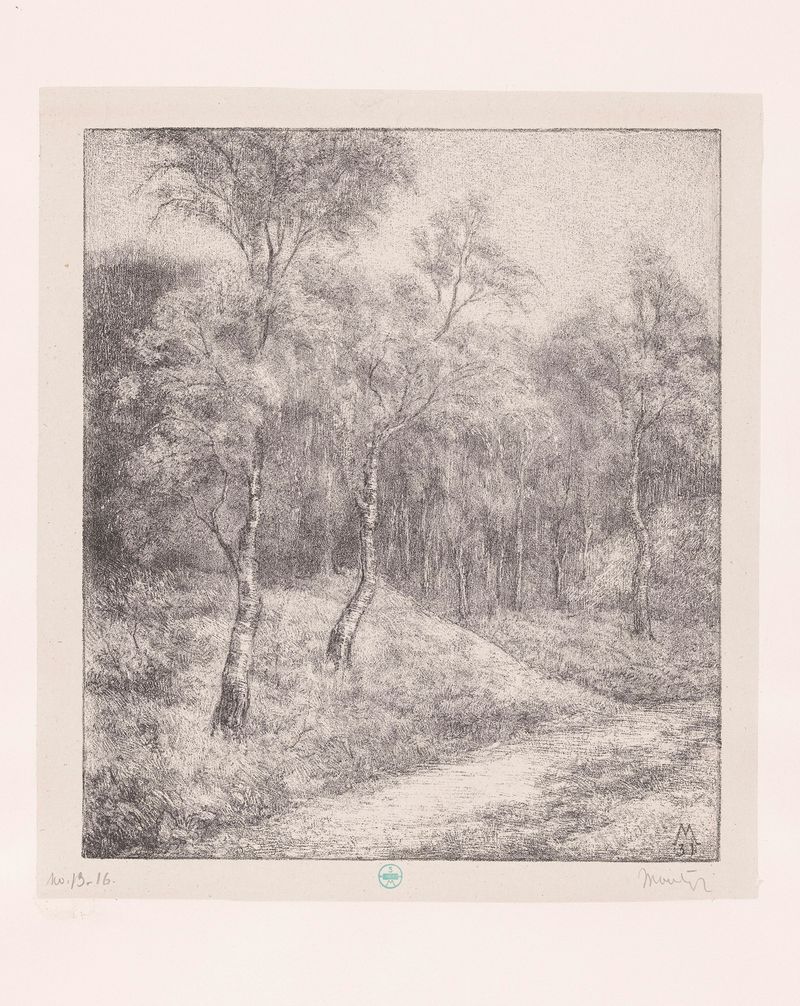
Bospad met berken
Simon Moulijn
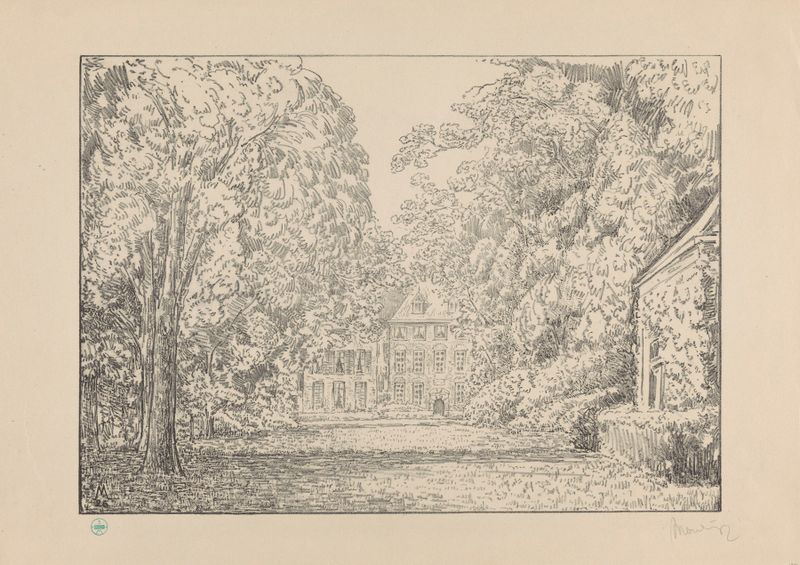
Gezicht op kasteel Duivenvoorde vanuit de tuin Duivenvoorde I
Simon Moulijn
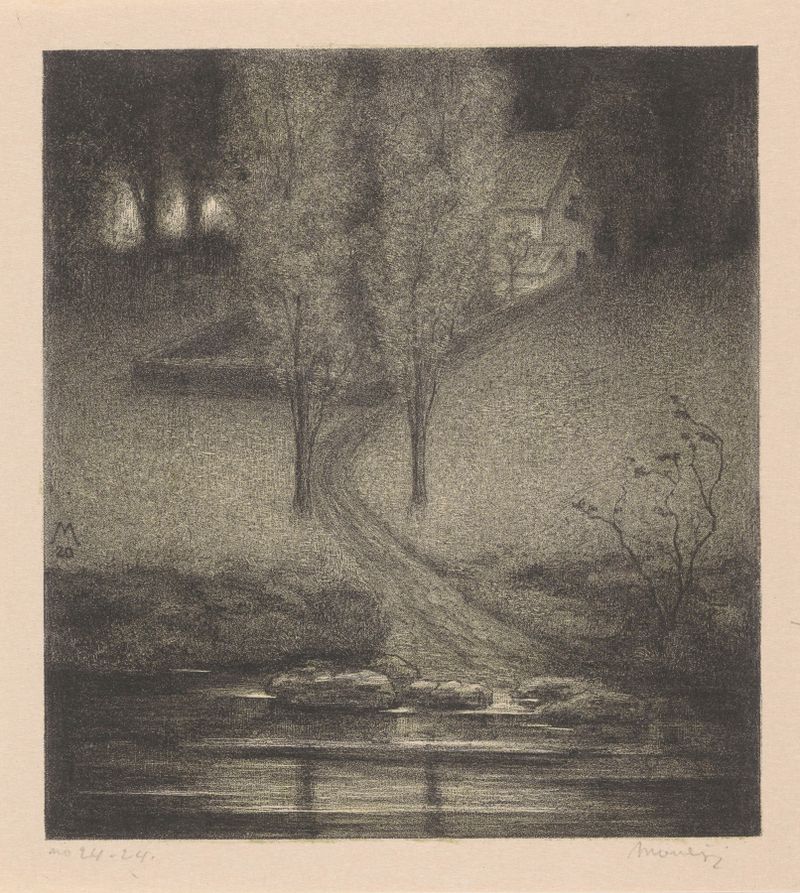
Populieren aan een beek
Simon Moulijn
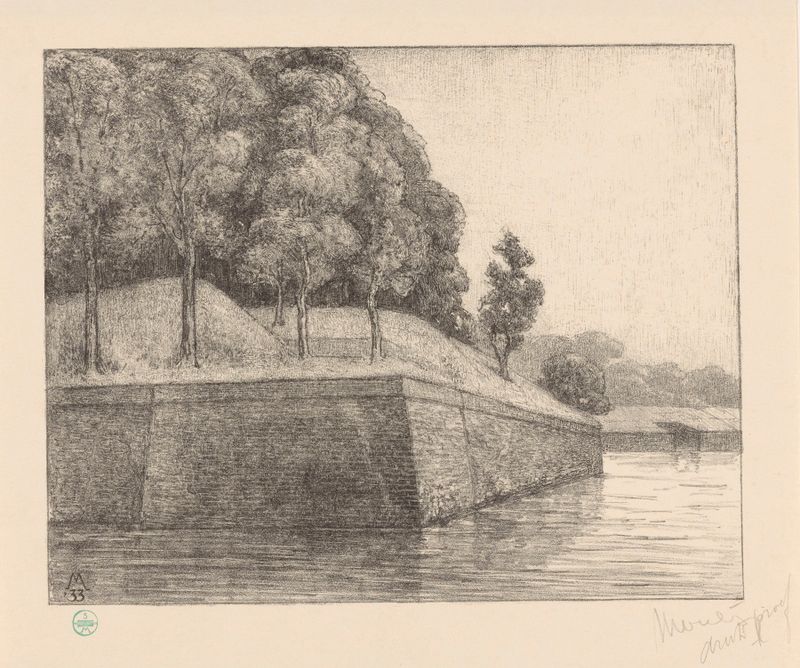
Gezicht op bastion Oud-Molen (westzijde)
Simon Moulijn
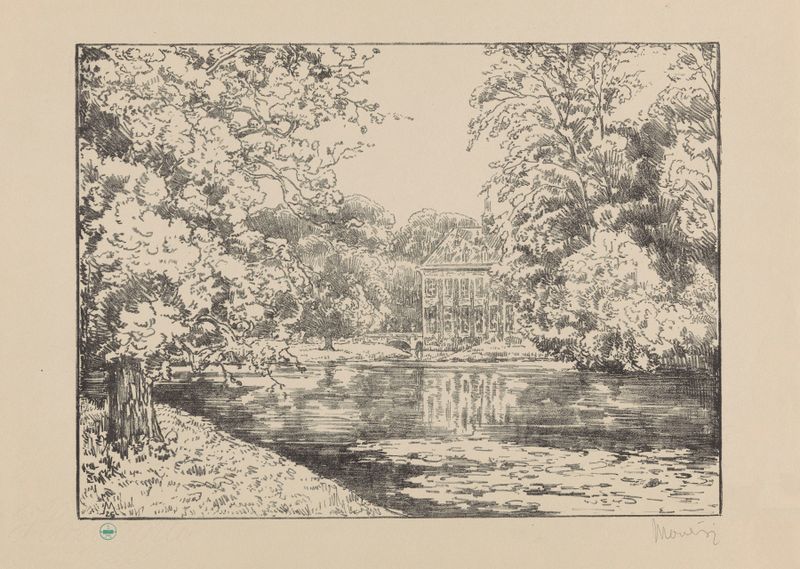
Kasteel Duivenvoorde aan vijver Duivenvoorde II
Simon Moulijn
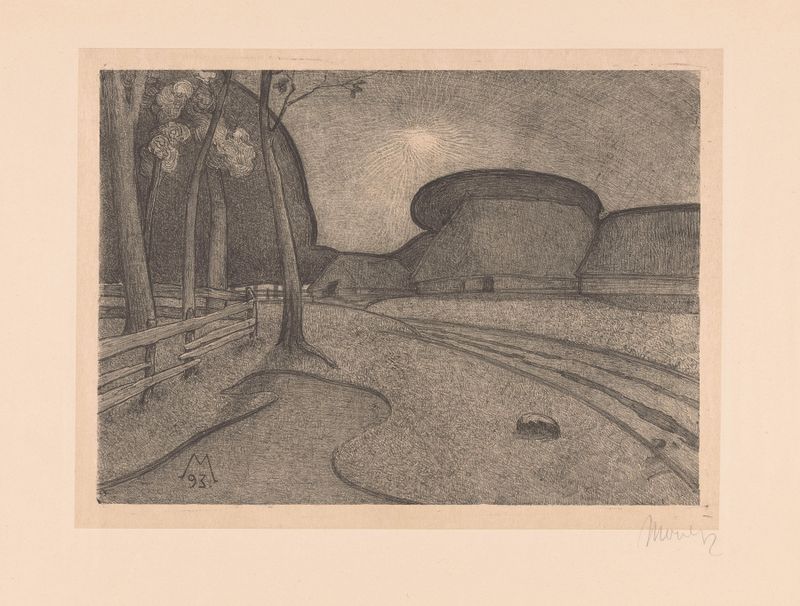
Landschap met boerderij Avond
Simon Moulijn
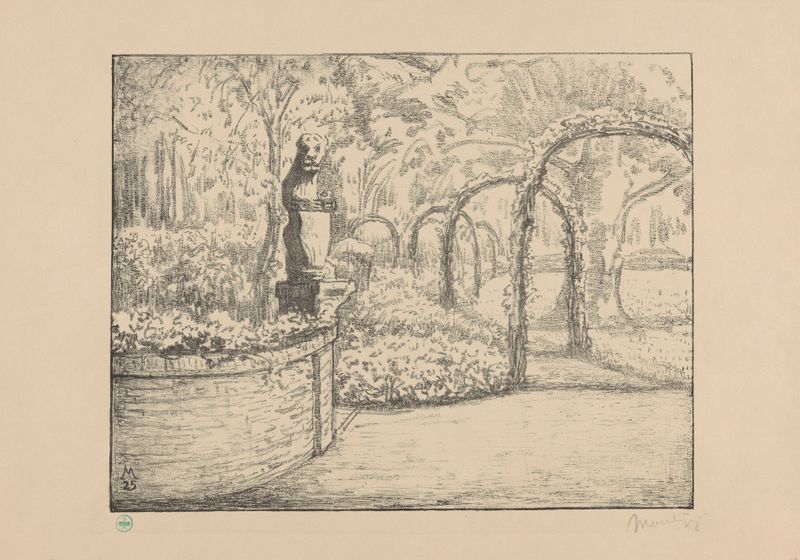
Tuin met rozenbogen op landgoed Zorgvliet Zorgvliet I
Simon Moulijn
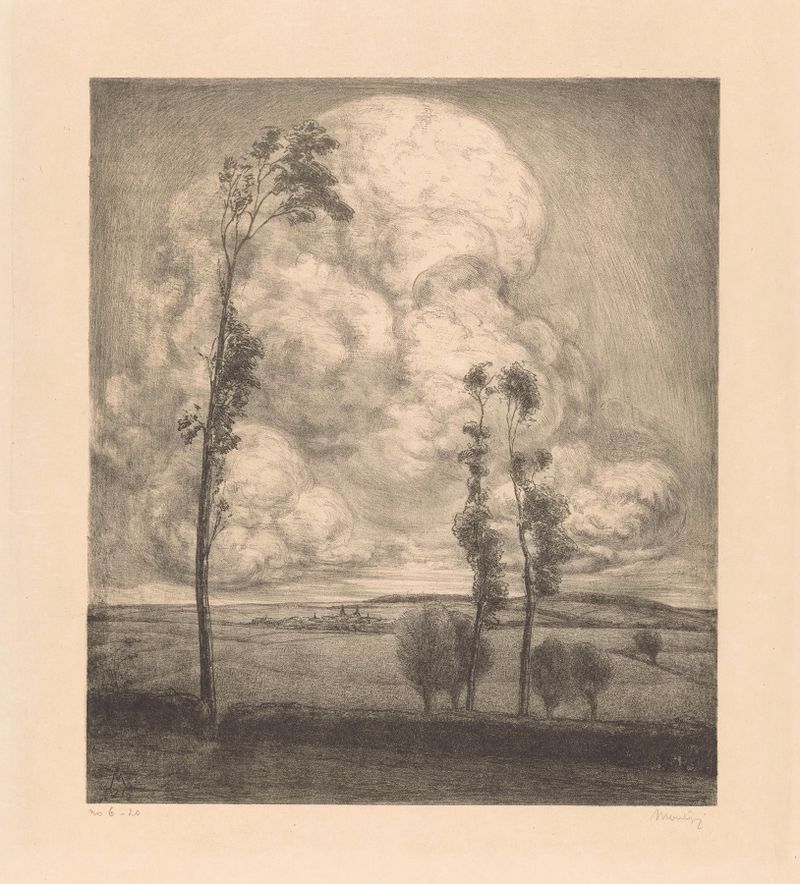
Wolken boven glooiend landschap
Simon Moulijn





