
Bonchurch, Isle of Wight — History & Facts
Few places in nineteenth-century England inspired as many artists as the Isle of Wight, but it is Bonchurch, Isle of Wight by John Linnell that captures a unique intersection of landscape and personal history. Linnell, better known for his rural scenes and association with William Blake, is thought to have visited Bonchurch during the 1830s, a time when the village was transforming into a fashionable retreat for poets and painters. The painting’s date and commission remain uncertain, but its existence testifies to the period’s fascination with the English countryside as both a site of nostalgia and modernity.
Unlike more famous depictions of the Isle by J.M.W. Turner, Linnell’s vision is quieter, more intimate, and less theatrical. In this work, Linnell chooses a tranquil moment: a winding lane bordered by lush foliage, with cottages nestled beneath the shelter of St. Boniface Down.
The eye is drawn along the path, dappled with sunlight, inviting the viewer to wander into the scene. Linnell’s attention to the play of light on leaves and stone, and the careful rendering of humble rural architecture, suggest both a deep affection for the place and a keen observation of nature’s details. Where Turner’s Isle of Wight paintings often dramatize the coastline and weather, Linnell focuses on the gentle, inhabited landscape, emphasizing the harmony between people and their environment.
The presence of a figure or two—perhaps villagers or travelers—grounds the scene in everyday life rather than spectacle. The painting’s early history is not fully documented, and it is unclear whether it was exhibited in Linnell’s lifetime or remained in private hands. Linnell, whose career spanned from the Romantic to the early Victorian periods, often painted for patrons but also for his own circle of family and friends. Today, Bonchurch, Isle of Wight stands as a testament to his quieter moments as an artist, when he turned away from grand commissions to record the English landscape as he saw and loved it.
Its current location in an online gallery allows new audiences to appreciate a side of John Linnell that is less known but richly rewarding.
More Artworks by John Linnell

A View Near Hampstead
John Linnell
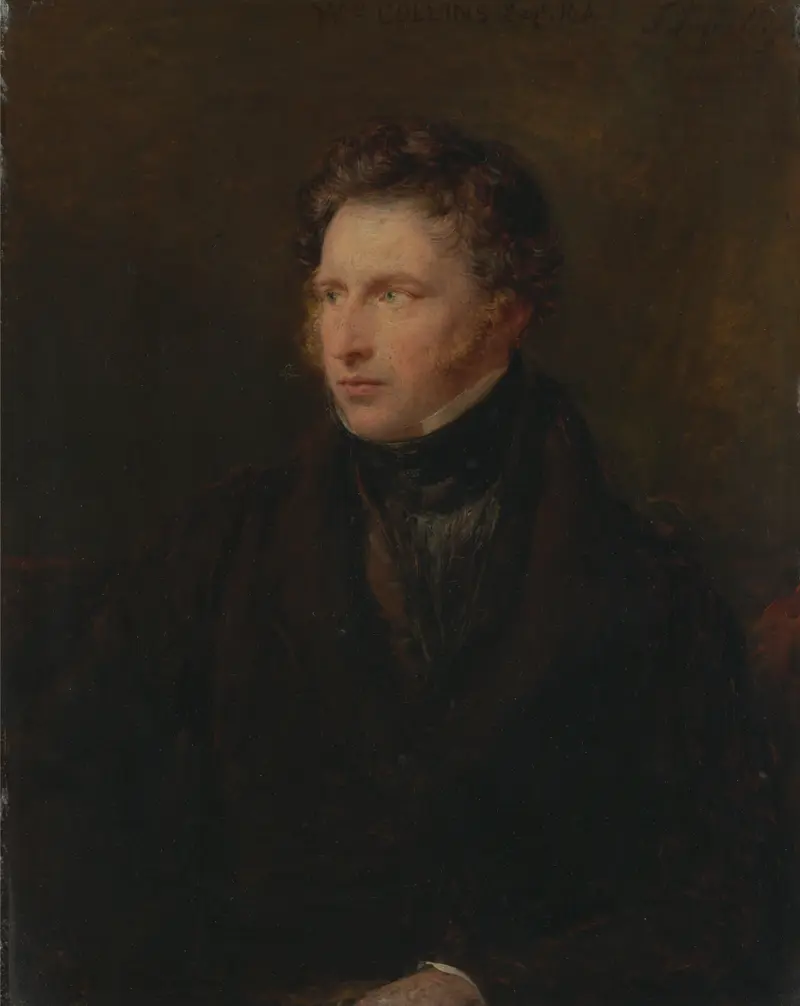
William Collins, R.A.
John Linnell
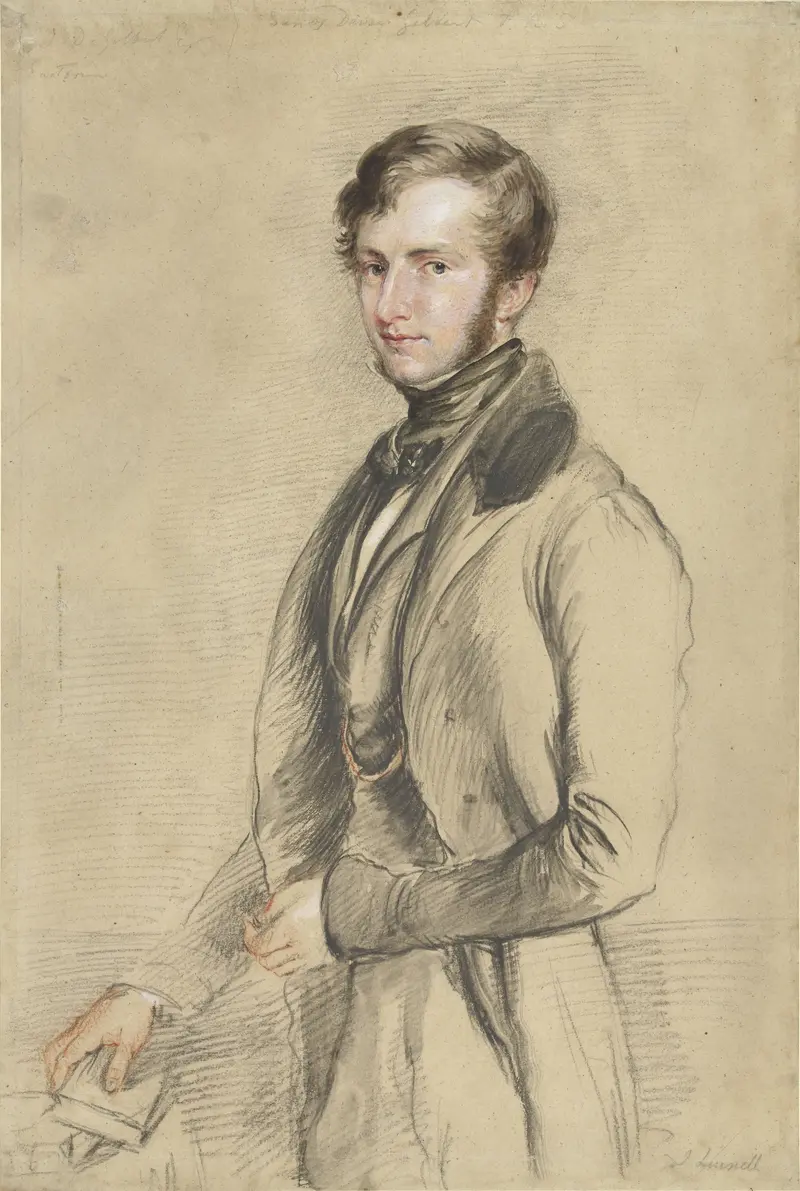
Portrait of John Davies Gilbert
John Linnell
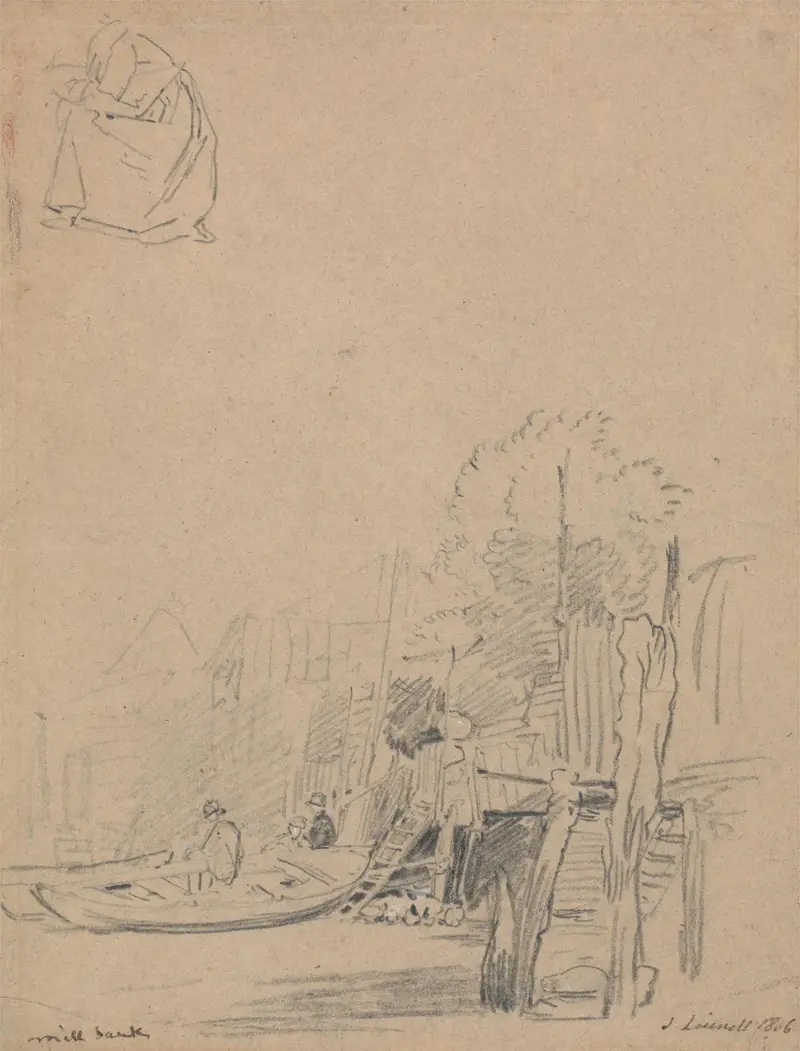
Millbank
John Linnell
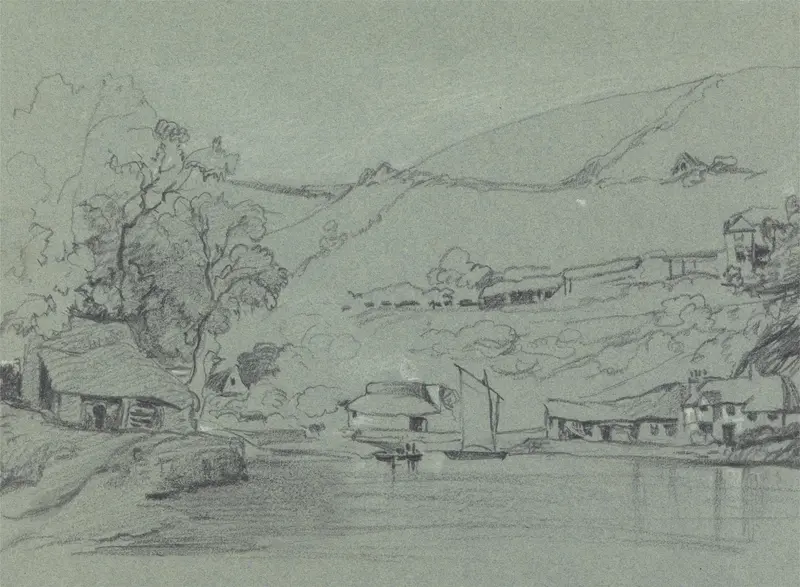
Scene in Kent
John Linnell
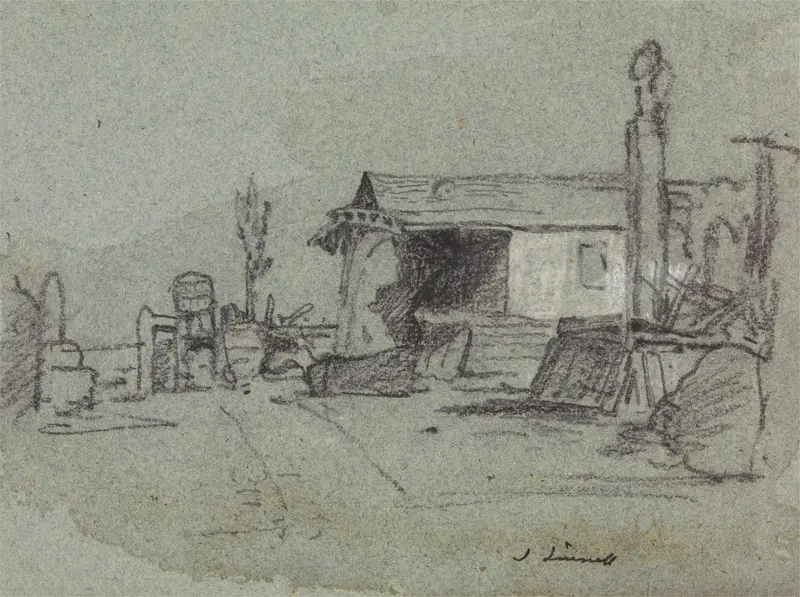
A Scene in the Edgware Road, London
John Linnell
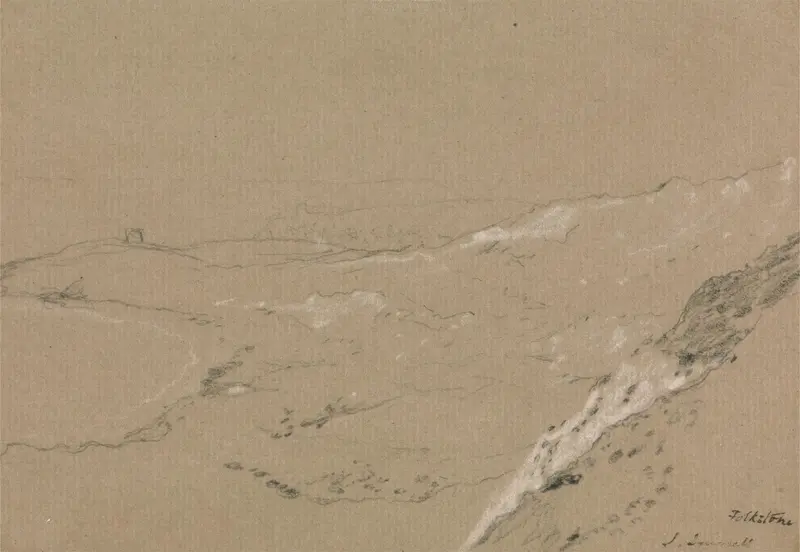
Folkestone
John Linnell
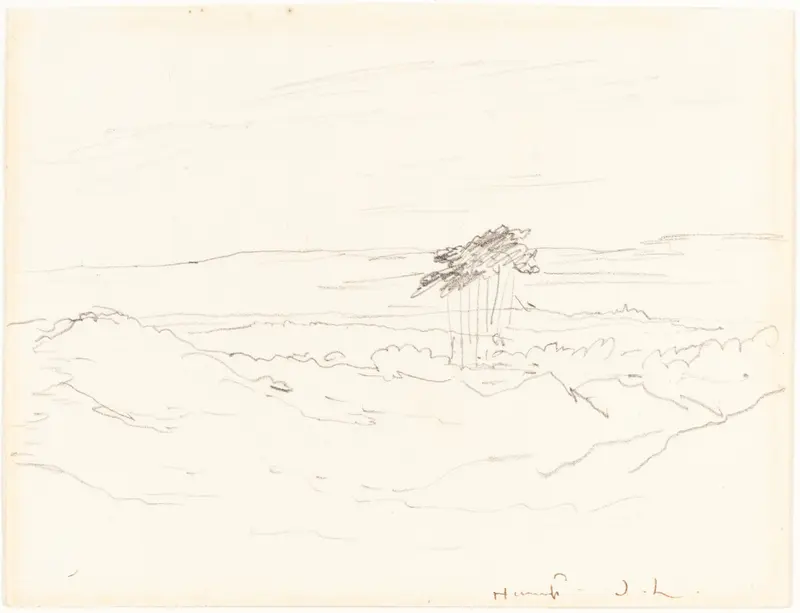
Hampstead Heath
John Linnell
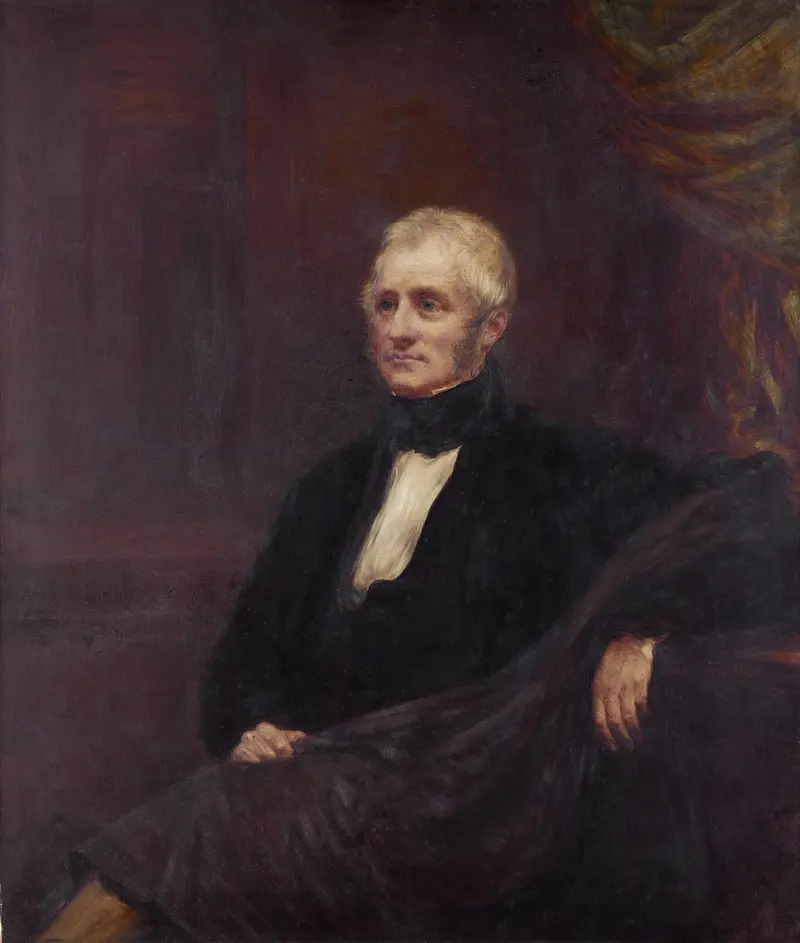
Henry Stephen Fox-Strangways, 3rd Earl Of Ilchester
John Linnell
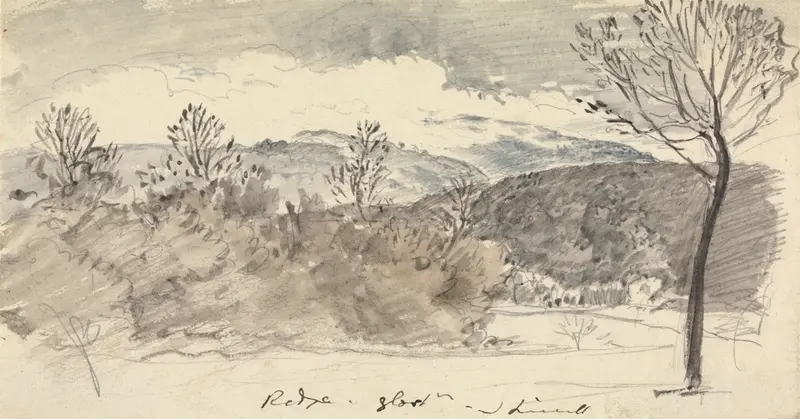
View at Mr. Sheppard’s, The Ridge, Gloucestershire
John Linnell
More Landscape Art

The Starry Night
Vincent van Gogh

View of Delft
Johannes Vermeer

Water Lilies
Claude Monet

The Grand Canal, Venice, looking north-west from the Ca' Corner to the Ca' Contarini degli Scrigni, with the campanile of Santa Maria della Carità
Canaletto

Windsor Castle
Canaletto

The Grand Canal looking North-East from the Palazzo Dolfin-Manin to the Rialto Bridge
Canaletto