
Bord de Seine à Charenton — History & Facts
A plume of smoke twists above the Seine, anchoring the eye before it drifts down to the quiet, almost improbable meeting of man, horse, and river. What first strikes is not the industry, but the solitary figure guiding his white horse into the water, the animal’s hooves dissolving into ripples of green and mauve. The shoreline curves gently, drawing you into the work’s center, where the barge looms—part sentinel, part witness—its reflection trembling in the current.
Guillaumin’s brushwork is brisk and searching, capturing the restless shimmer of water beneath a sky thick with smoke and cloud. The palette, cool and muted, hints at the dampness of the air and the encroaching presence of industry on the river’s edge. Painted in 1885, Bord de Seine à Charenton belongs to a world in flux: the outskirts of Paris where rural labor and urban expansion collided daily. The late nineteenth century saw the Seine transformed by factories, barges, and the ceaseless movement of goods—yet paintings like this one, by Armand Guillaumin, remind us that the river remained a stage for quieter, older rituals.
Works of this kind were rarely grand commissions; rather, they were painted for a growing bourgeois public, eager to see their changing world reflected in art. Now in the Collection Charles-André Colonna-Walewski, this painting stands as a record of a moment when the rhythms of nature and industry still intertwined, inviting us to linger on the threshold between the two.
More Artworks by Armand Guillaumin

La Seine À Charenton
Armand Guillaumin
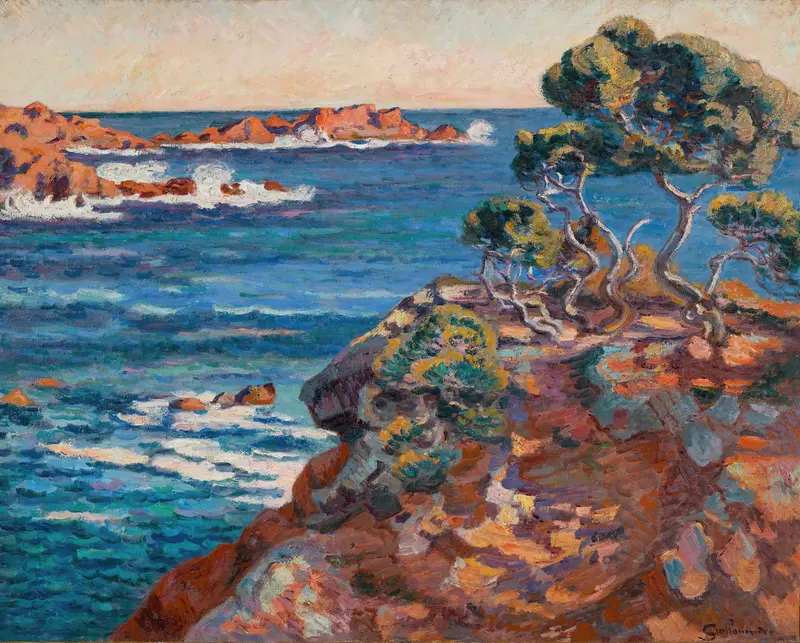
Bord De Mer À Agay
Armand Guillaumin
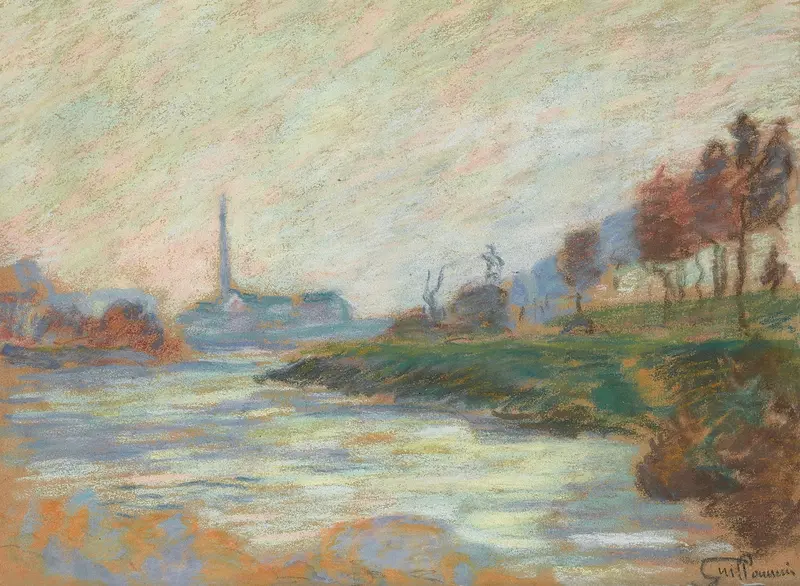
Confluent De La Marne Et De La Seine, Île De La France
Armand Guillaumin
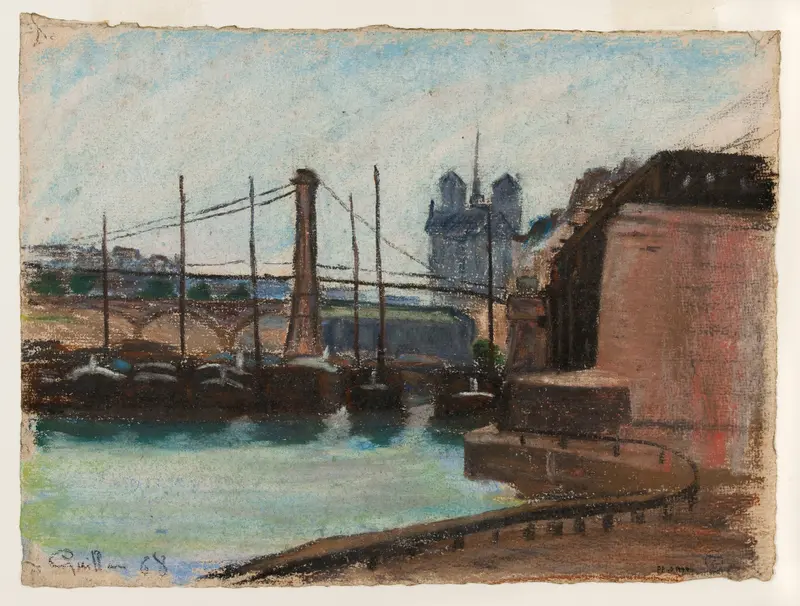
Le Pont d’Austerlitz
Armand Guillaumin
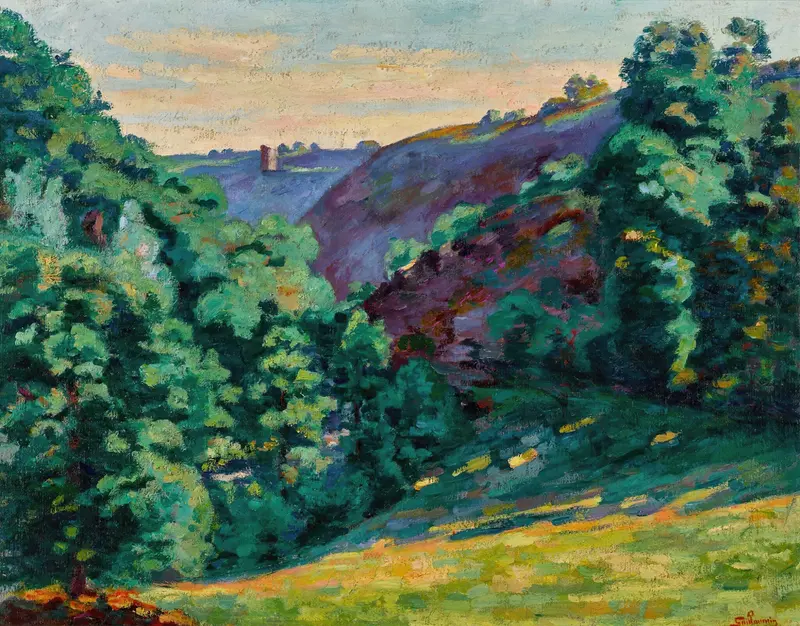
Le Ravin de la folie, vue de Chateau Crozant
Armand Guillaumin
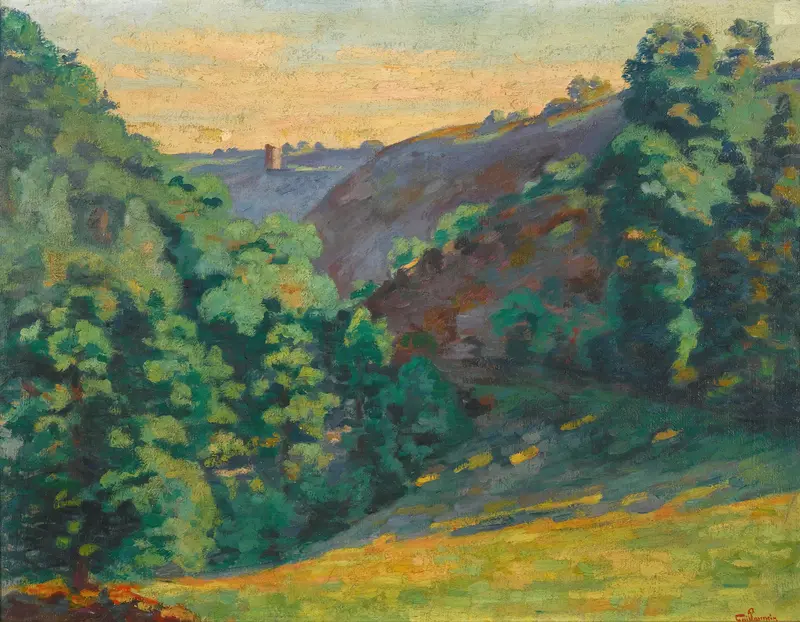
Crozant, Le Ravin De La Sedelle À La Folie
Armand Guillaumin
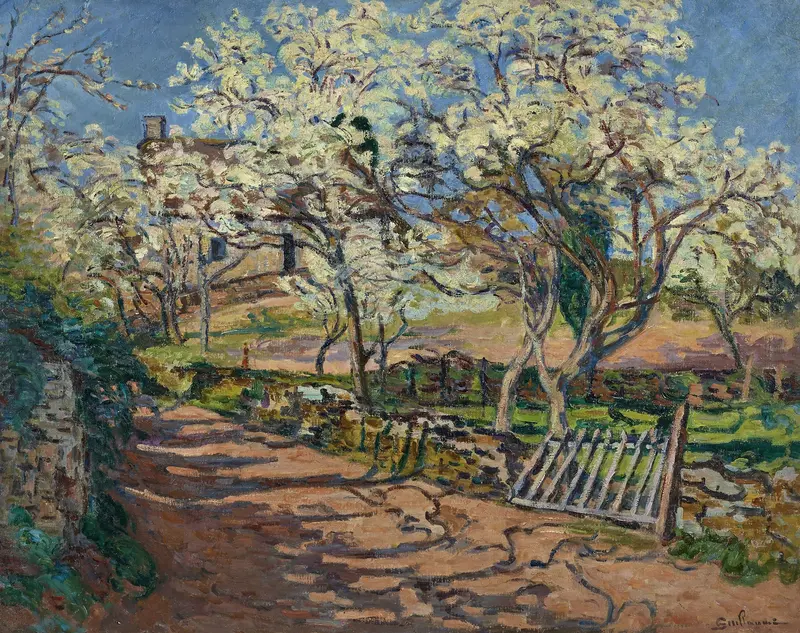
Paysage de Printemps
Armand Guillaumin
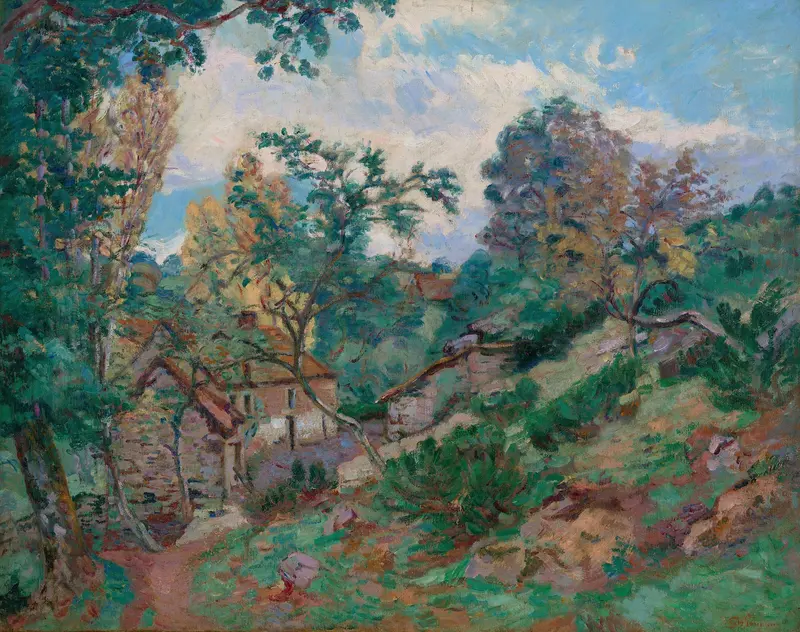
Paysage
Armand Guillaumin
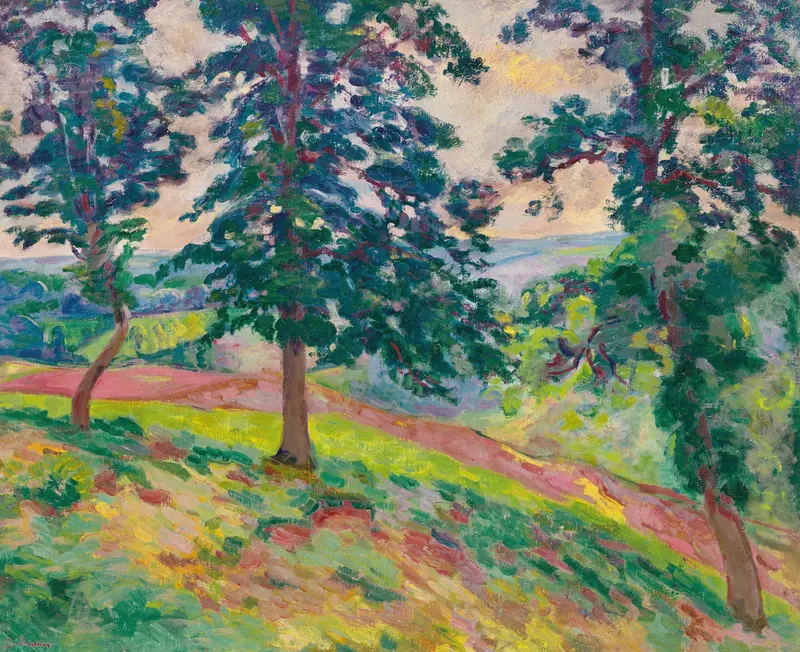
La vallée de la creuse
Armand Guillaumin
Le chemin de halage à Charenton, Ile de France
Armand Guillaumin
More Landscape Art

The Starry Night
Vincent van Gogh

View of Delft
Johannes Vermeer

Water Lilies
Claude Monet

The Grand Canal, Venice, looking north-west from the Ca' Corner to the Ca' Contarini degli Scrigni, with the campanile of Santa Maria della Carità
Canaletto

Windsor Castle
Canaletto

The Grand Canal looking North-East from the Palazzo Dolfin-Manin to the Rialto Bridge
Canaletto