
Borgas — History & Facts
In the hushed embrace of Luigi Mayer's Borgas, one finds an ethereal celebration of ecstasy that transcends the bounds of ordinary perception. The painting invites us to explore the intricate dance between the seen and the felt, sparking a yearning that resonates deep within. Look to the center, where vibrant hues of blue and gold intertwine, capturing the fleeting moments that evoke both joy and melancholy. The careful application of light highlights the figures emerging from the shadows, their expressions mingling delight and yearning.
The fluid brushstrokes guide the eye across the canvas, as the rich textures of fabric and the glow of the surroundings envelop the viewer, creating a visceral connection to the emotions at play. Within the layers of color lies a dialogue about the duality of existence. The figures' poses suggest a longing for connection, while their gazes drift away from one another, illustrating the tension between desire and isolation. This contrasts the exuberance of the joyous colors chosen, hinting at the complexities of human experience — the ecstasy of life shadowed by an underlying sense of detachment.
Each detail contributes to a larger narrative, inviting contemplation on what it means to truly connect. In 1810, Mayer painted Borgas during a tumultuous period in Europe, marked by political upheaval and the rise of Romanticism. Living in England at the time, he was influenced by the burgeoning emphasis on emotion and the sublime in art. This work reflects both a personal exploration of ecstasy and a broader cultural shift, capturing the essence of a world at the precipice of change.
More Artworks by Luigi Mayer
Browse all →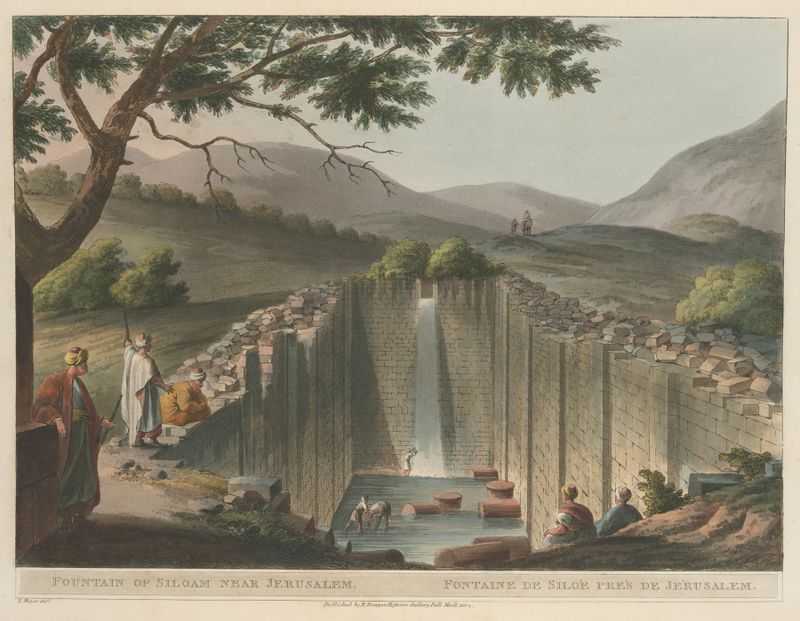
Fountain of Siloam Near Jerusalem
Luigi Mayer

View of the Dardanelles
Luigi Mayer
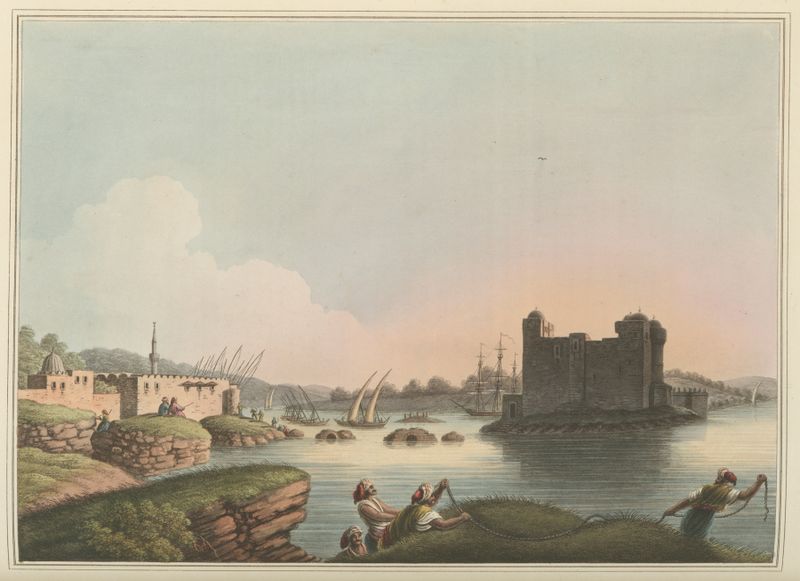
Port of Latachia
Luigi Mayer

Stadium at Ephesus
Luigi Mayer

Ancient Temples at Agrigentum
Luigi Mayer
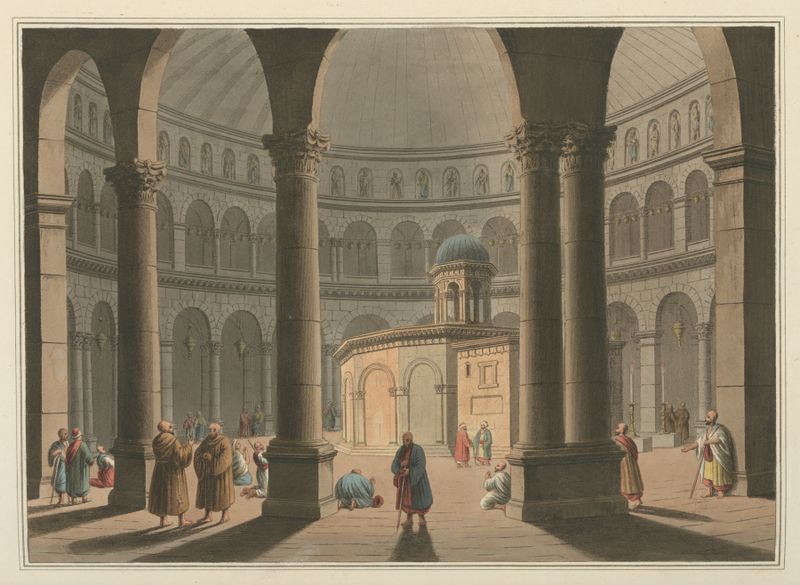
Church of the Holy Sepulchre
Luigi Mayer
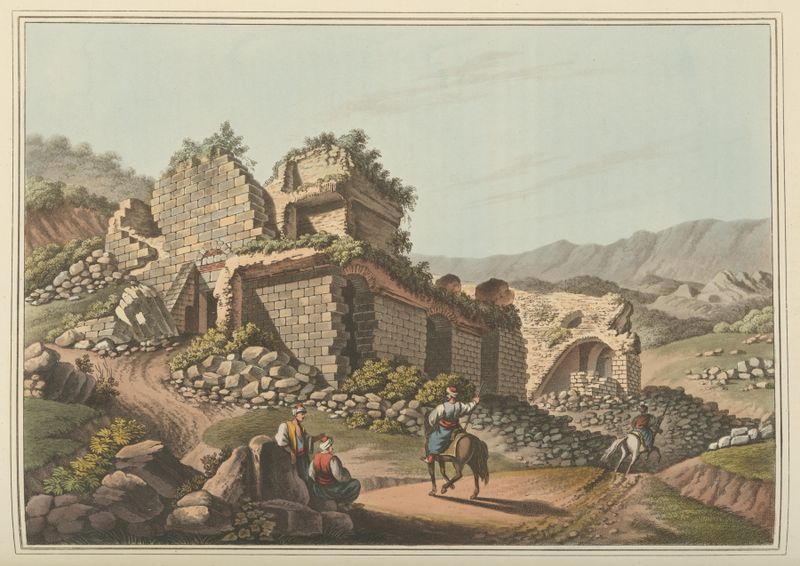
Theatre at Ephesus
Luigi Mayer
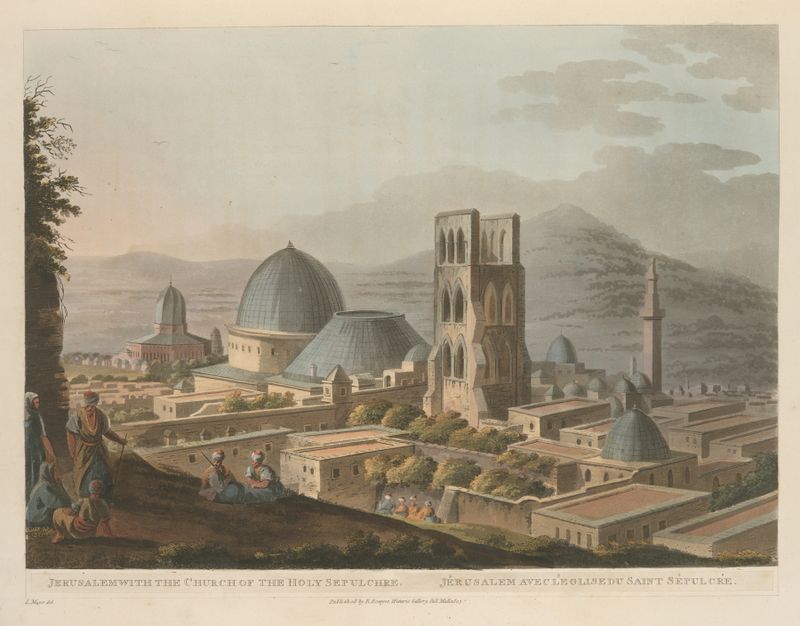
Jerusalem with the Church of the Holy Sepulchre
Luigi Mayer
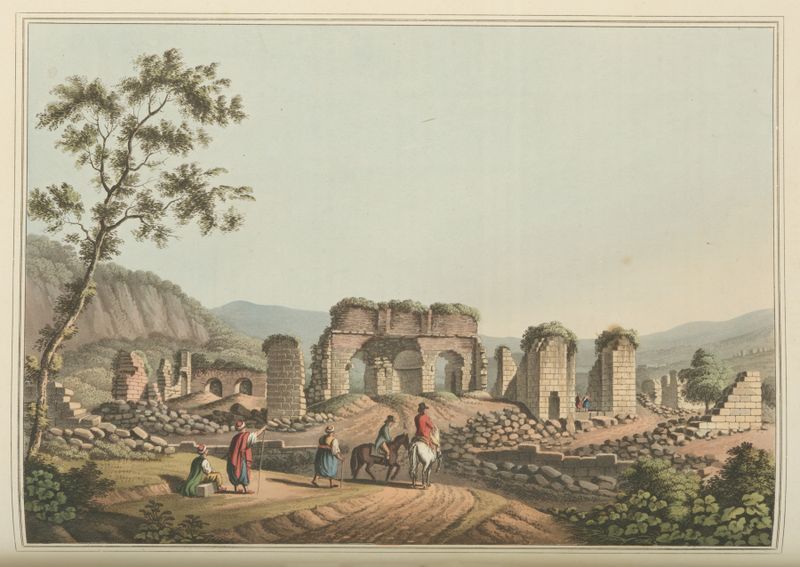
Ruins of the Temple of Diana at Ephesus
Luigi Mayer

Crater in the Island of Volcano
Luigi Mayer





