
Bormes — History & Facts
When did color learn to lie? In the hands of a master, hues pulse with a life of their own, blurring the lines between reality and imagination. Look to the vibrant interplay of deep blues and warm oranges, swirling together like an embrace of dawn and dusk. Focus on the waves crashing against the rocky shoreline, where the foamy whites punctuate the tranquility with a rhythmic energy. Notice how the brushstrokes dance across the canvas, each stroke a heartbeat, imbued with both the serenity of nature and the chaos of human emotion. The verdant greens of the foliage evoke a sense of renewal, a rebirth not only of the landscape but also of the spirit.
Yet, amidst this lush vitality, hints of darker tones lurk, suggesting an undercurrent of contemplation or loss. This contrast between vibrancy and shadow speaks to the duality of existence, where beauty coexists with the weight of memories and unanswered questions. Henri Rivière painted this piece in 1926, a period marked by an exploration of color and form in the art world. Living in France, he was part of a movement that sought to capture the essence of the natural world while pushing the boundaries of traditional representation.
This work reflects his artistic journey to harmonize the emotional with the visual, at a time when modernism was shifting the paradigms of beauty and perception.
More Artworks by Henri Rivière

Sur les toits
Henri Rivière
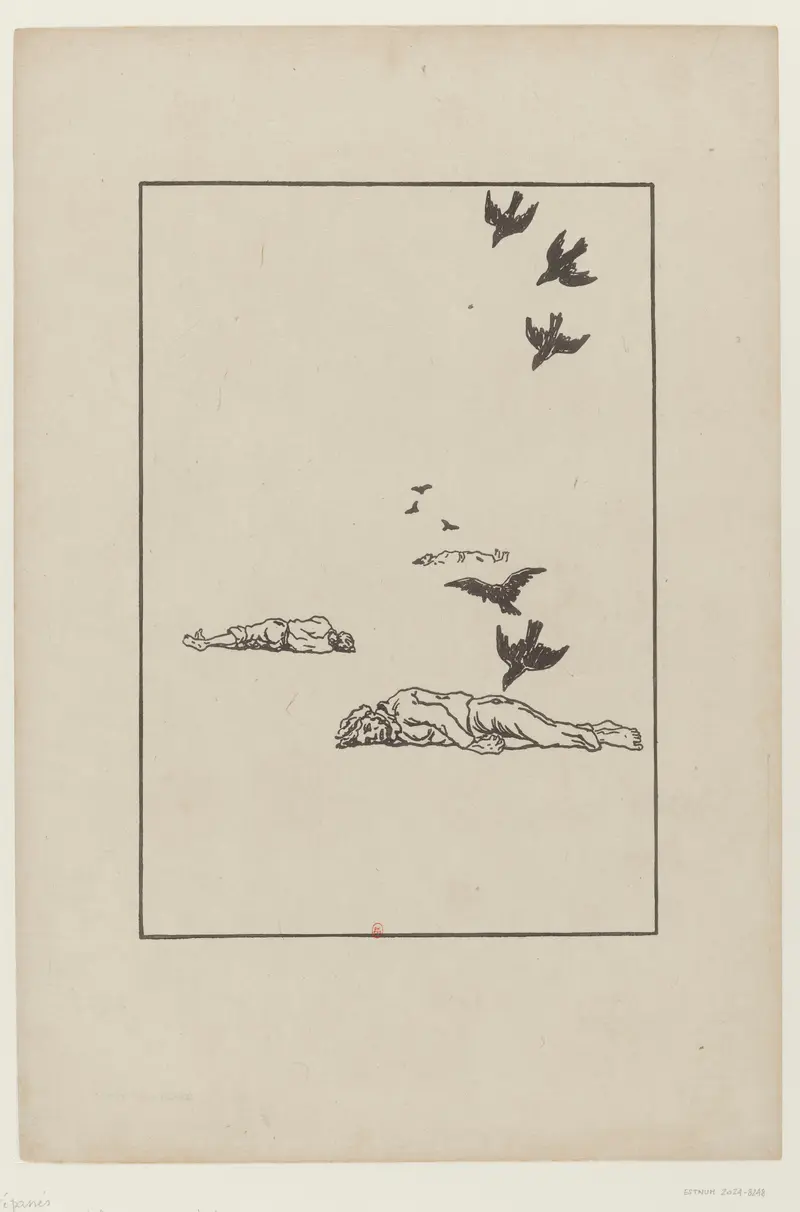
La Baie des trépassés
Henri Rivière
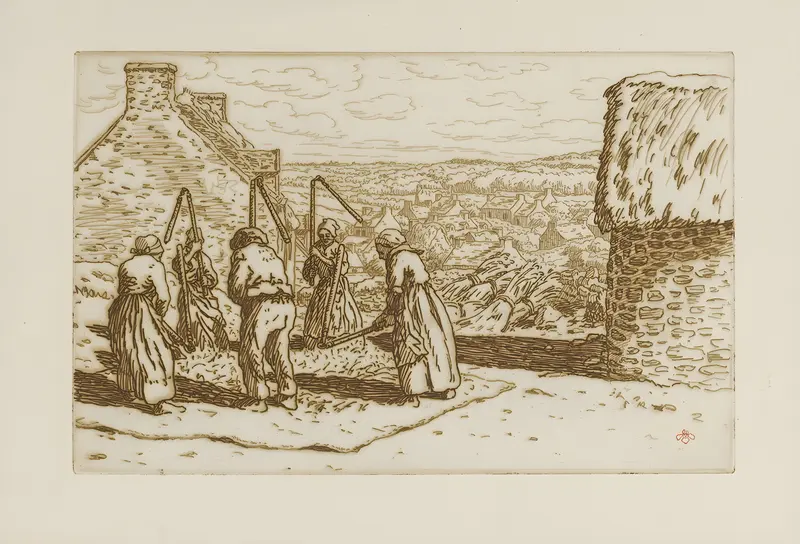
Homme et quatre femmes battant le blé
Henri Rivière

Barque à sec sur le sable au pied de la falaise
Henri Rivière
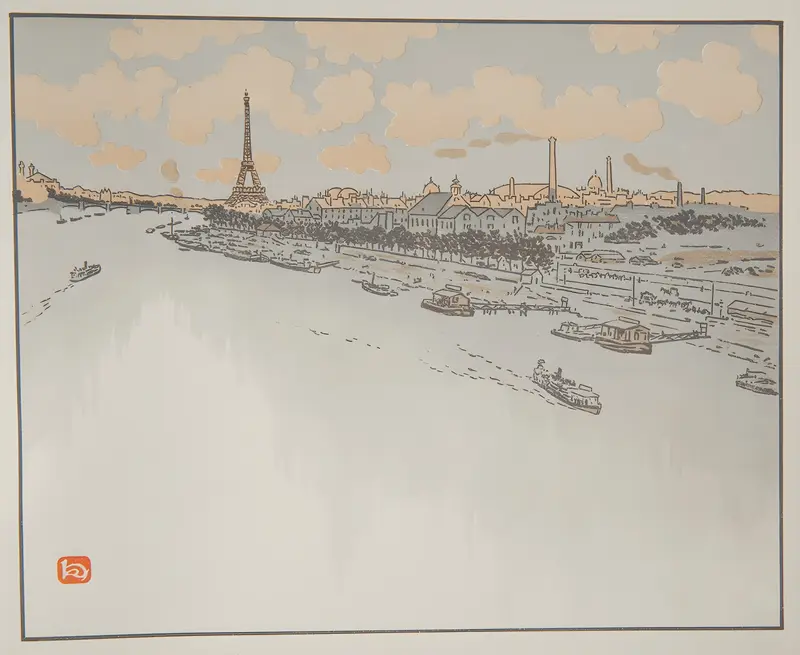
Du Point-du-Jour
Henri Rivière
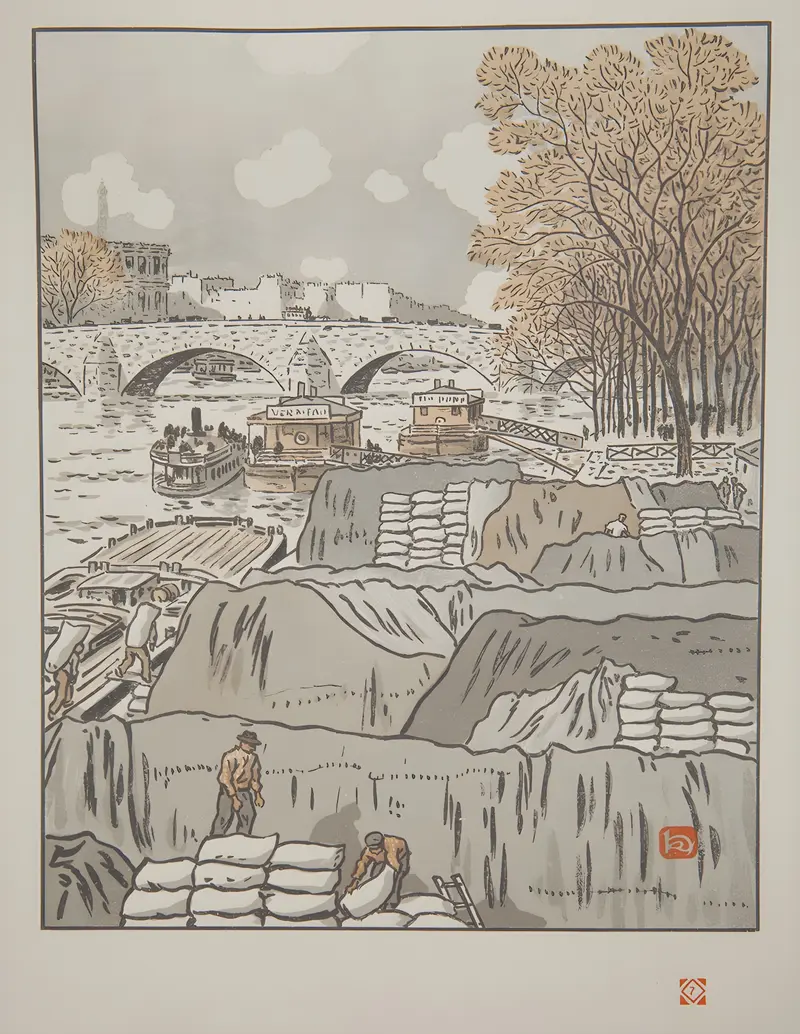
Du Pont des Saints Peres
Henri Rivière
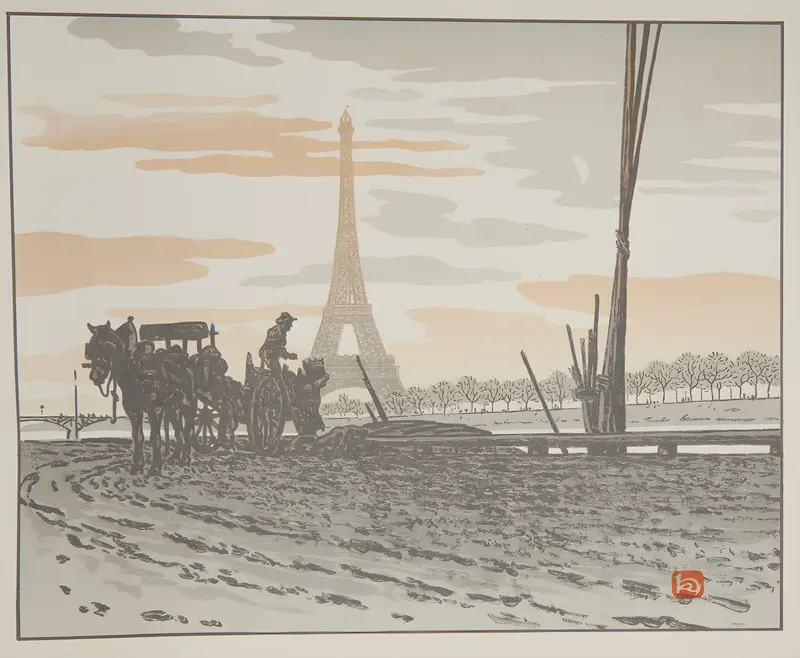
Du Quai de Pasy – Charboniers
Henri Rivière
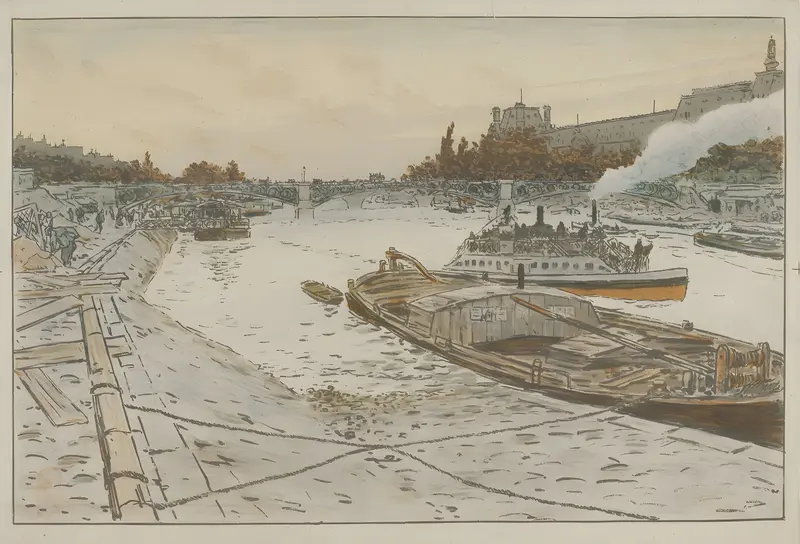
Le Pont des Saints-Pères (pont du Carrousel) et le Louvre
Henri Rivière
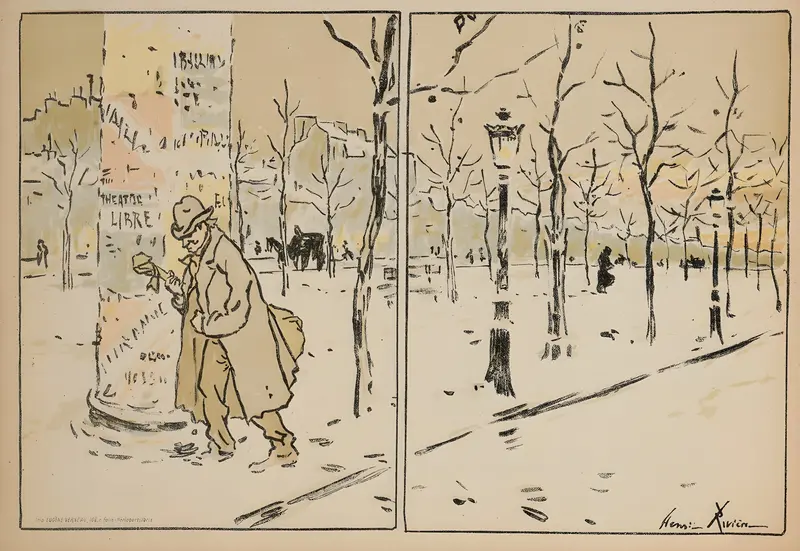
Paris en hiver, Programme pour le Théâtre Libre
Henri Rivière
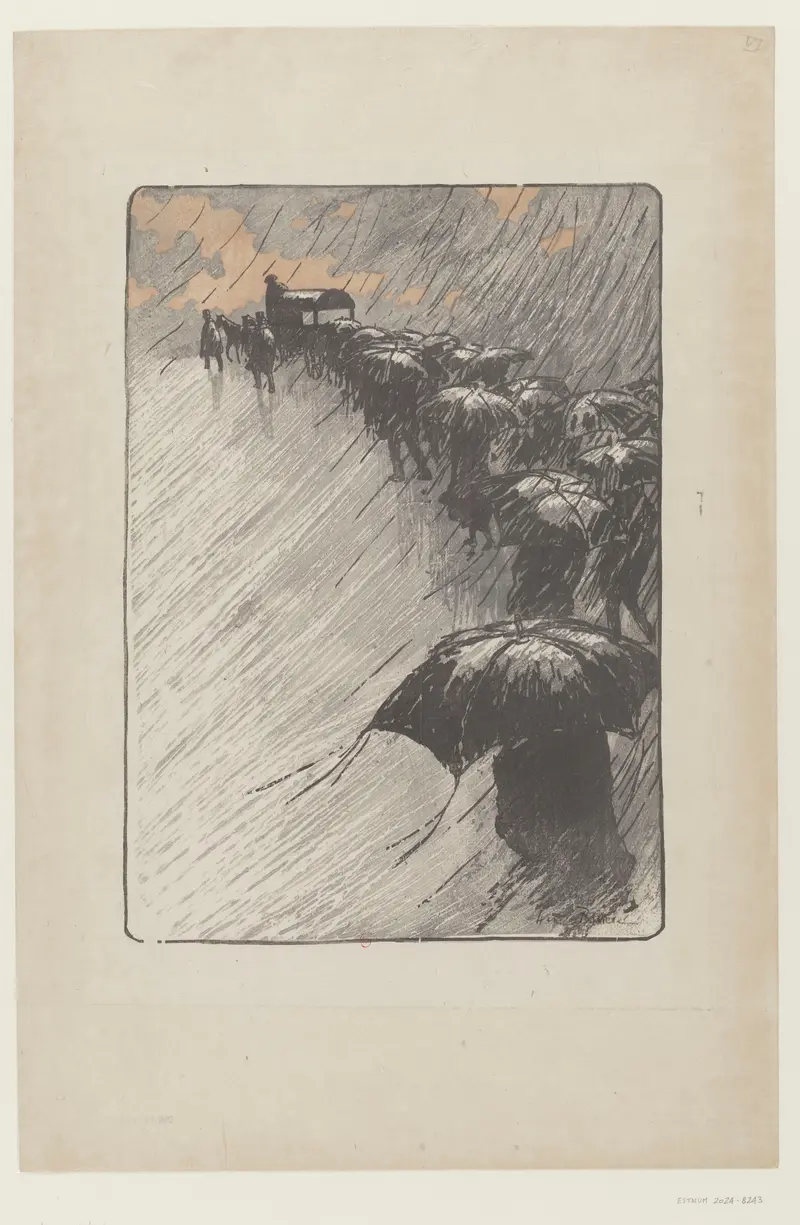
L’Enterrement aux parapluies
Henri Rivière





