Boston Stump — History & Facts
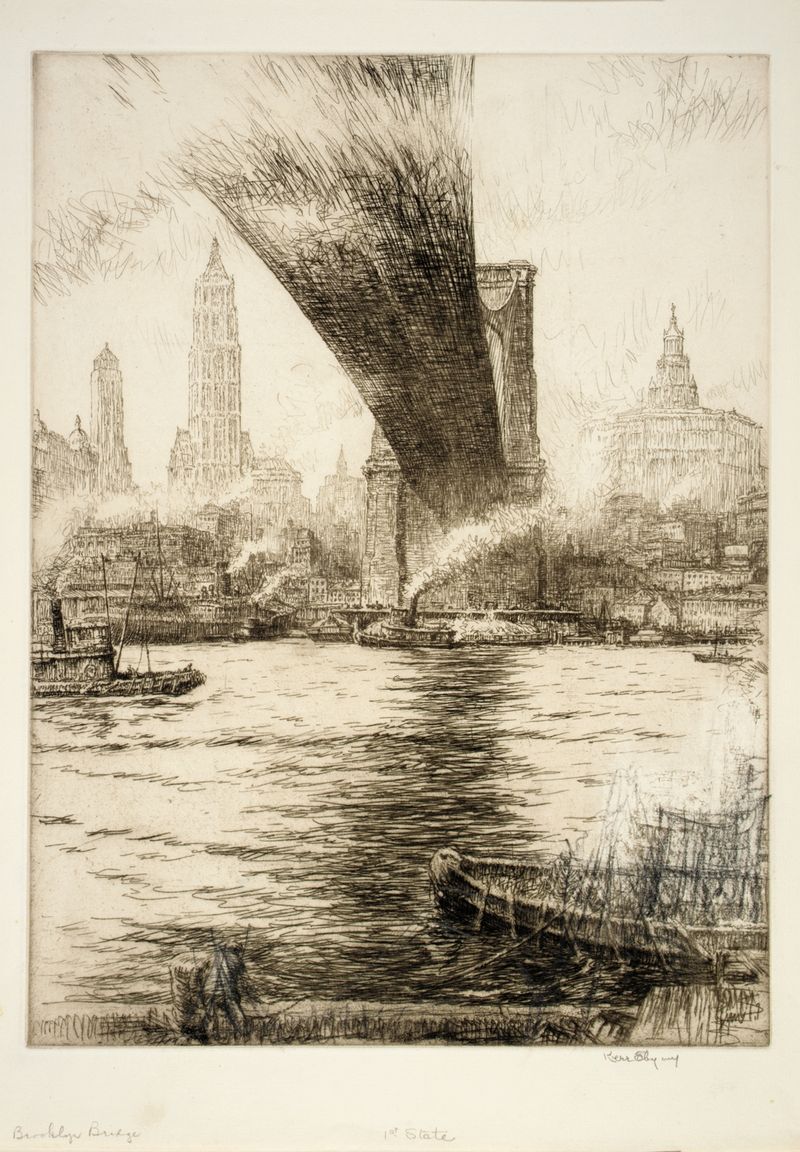
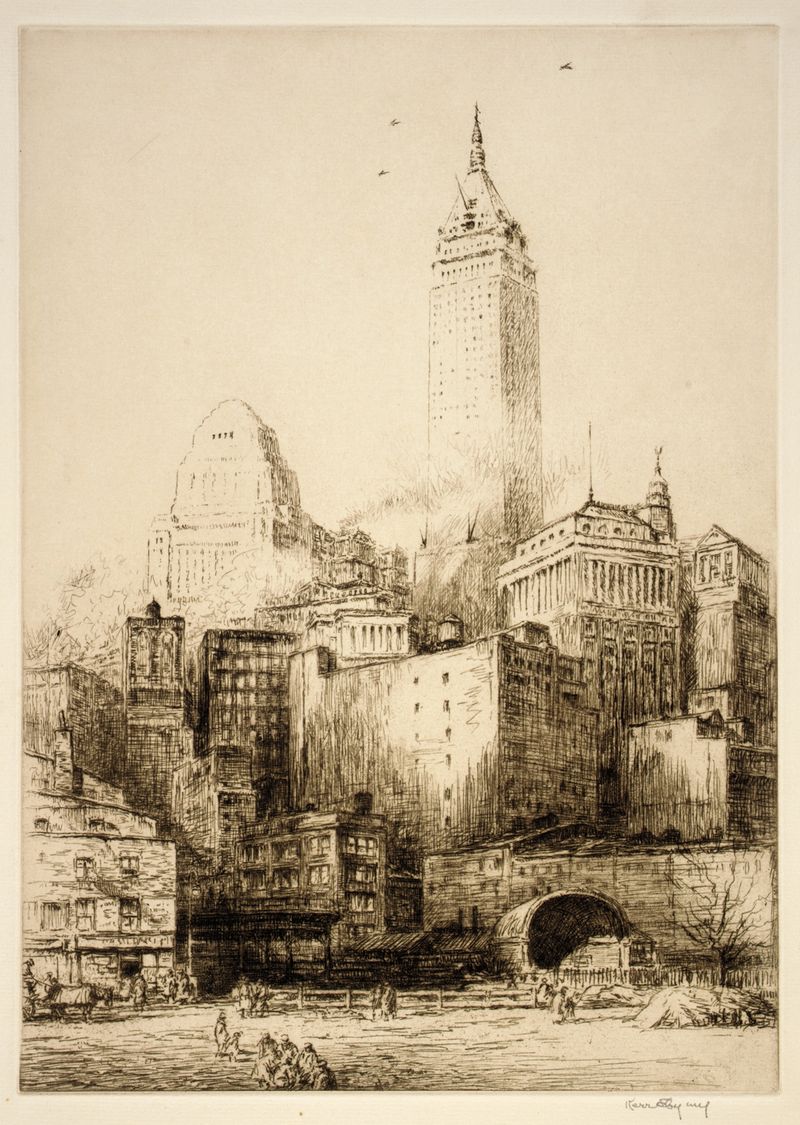
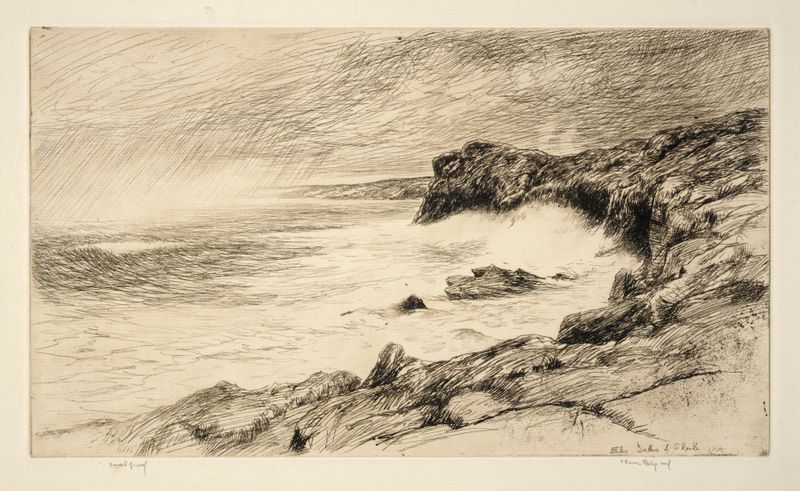
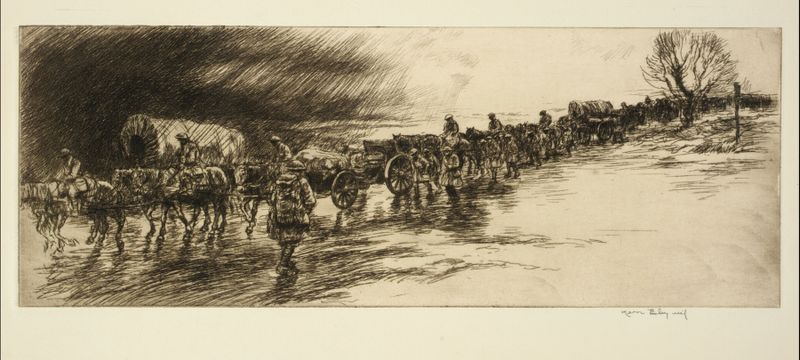
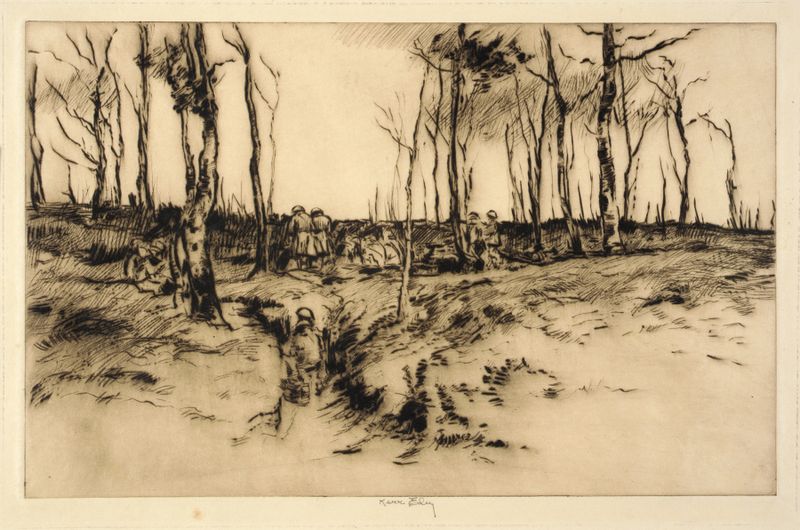
In a world filled with noise, emptiness often speaks the loudest, echoing through the silent spaces of our existence. It is in these voids that profound truths reside, waiting to be discovered. Focus on the central form of the towering Boston Stump, a lone sentinel rising against an expansive sky. Notice how the warm, muted tones of earth and stone contrast sharply with the cool blues of the sky, creating a dialogue between permanence and transience.
The careful strokes that define the rugged landscape lead your eye toward the dramatic silhouette of the structure, inviting contemplation of its isolation. Look closely at the texture — each layer of paint revealing the artist’s intimate relationship with the canvas, as if every mark were a whisper of time passing. This artwork evokes a sense of both nostalgia and solitude. The starkness of the granite monument against the sky prompts musings on human endeavors and the inevitability of decay.
The emptiness surrounding the Stump reflects the transient nature of existence, urging viewers to confront their own feelings of isolation while also celebrating the beauty found in solitude. The interplay of light and shadow captures fleeting moments, drawing attention to the stillness that pervades the scene. Kerr Eby created this evocative piece in 1926, during a time of significant artistic exploration in America, when artists were increasingly drawn to themes of nature and the human condition. Living in a post-World War I world, Eby was deeply influenced by the changes in society and the landscape, capturing not just the physical form but also the emotional weight of his subjects.
The Boston Stump stands as a testament to his artistic vision, blending realism with introspection in a rapidly changing world.