
Bouw van de toren van Babel — History & Facts
This sentiment resonates deeply within the vibrant complexities of our existence, where time plays both creator and destroyer. In a world shaped by ambitions and failures, the passage of time can be both a gentle caress and a relentless march toward oblivion. Look to the left of Bouw van de toren van Babel, where the intricate details of the tower rise majestically against a backdrop of stormy skies. The viewer’s eye is immediately drawn to the spiraling structure, a mesmerizing feat of architecture that seems to stretch endlessly upward, as if reaching for the heavens.
Notice the careful interplay of light and shadow across the surfaces, highlighting the craftsmanship of each brick and stone. The color palette, rich with deep blues and earthy tones, invokes a sense of both awe and foreboding, inviting contemplation of the tower's symbolic weight. As the viewer delves deeper, subtle contrasts emerge. The tower, a vision of human ambition, stands defiantly against the chaos of the heavens, where dark clouds hint at impending turmoil.
The workers depicted are absorbed in their labor, yet their expressions carry both determination and an underlying exhaustion, suggesting the weight of their collective task. This tension between aspiration and futility permeates the scene, encapsulating the human experience of striving against time and fate. Hans Holbein (II) painted this work in 1538 during a period marked by significant upheaval in Europe, as the Reformation stirred religious and social change. Living in Basel, he was influenced by the rich artistic exchanges of the time, yet he remained acutely aware of the tensions between faith and reason, and the impermanence that accompanies both.
This painting reflects not just a biblical narrative but also the broader anxieties surrounding ambition and the legacy we seek to build in the face of time’s inevitable erosion.
More Artworks by Hans Holbein (II)
Browse all →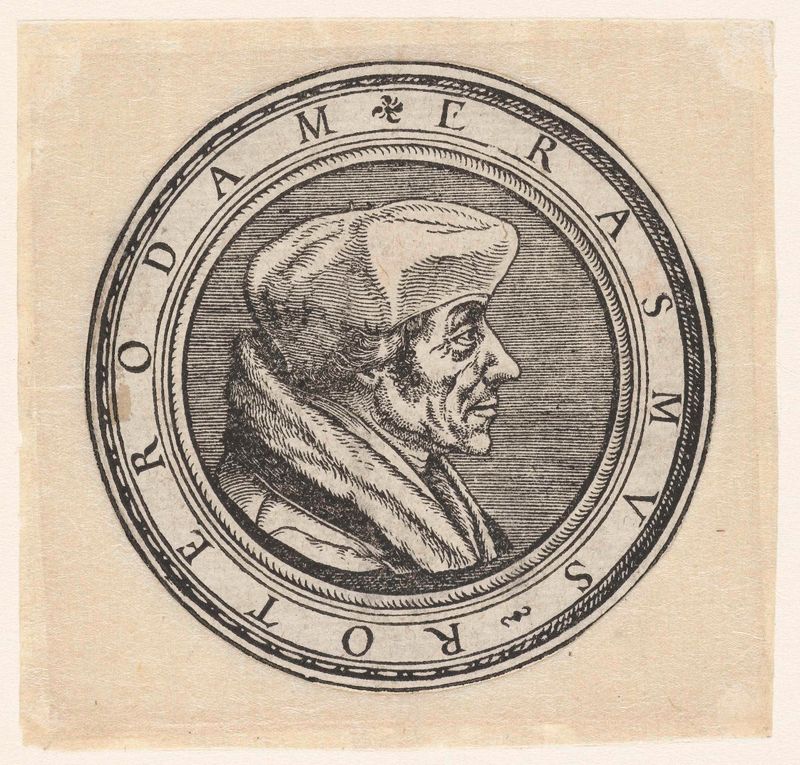
Portret van Erasmus
Hans Holbein (II)
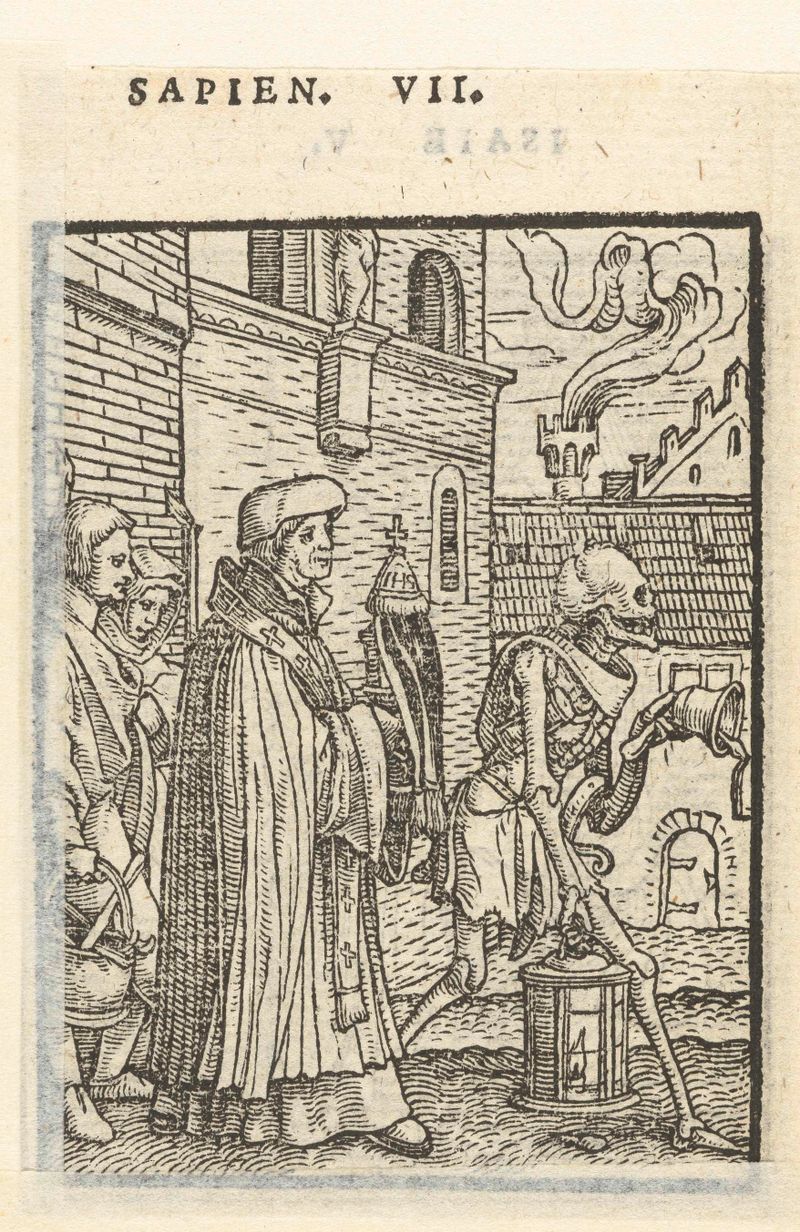
Priester en de Dood
Hans Holbein (II)
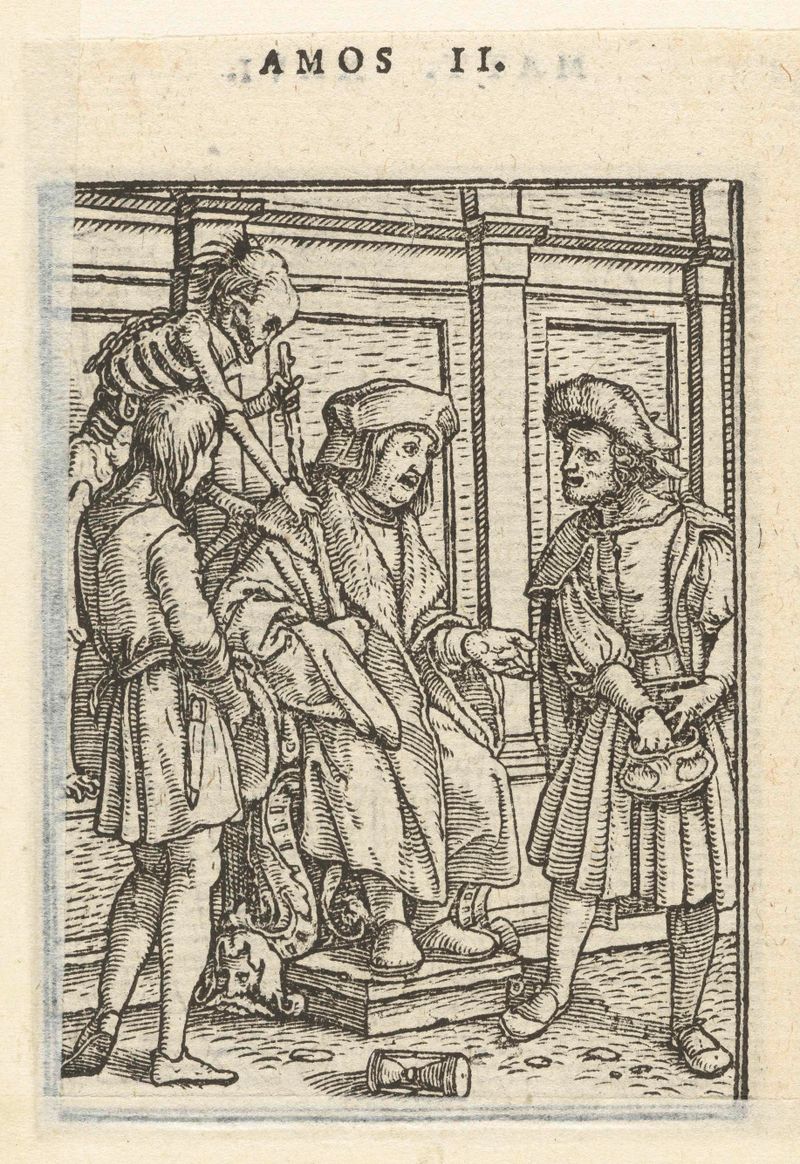
Rechter en de Dood
Hans Holbein (II)
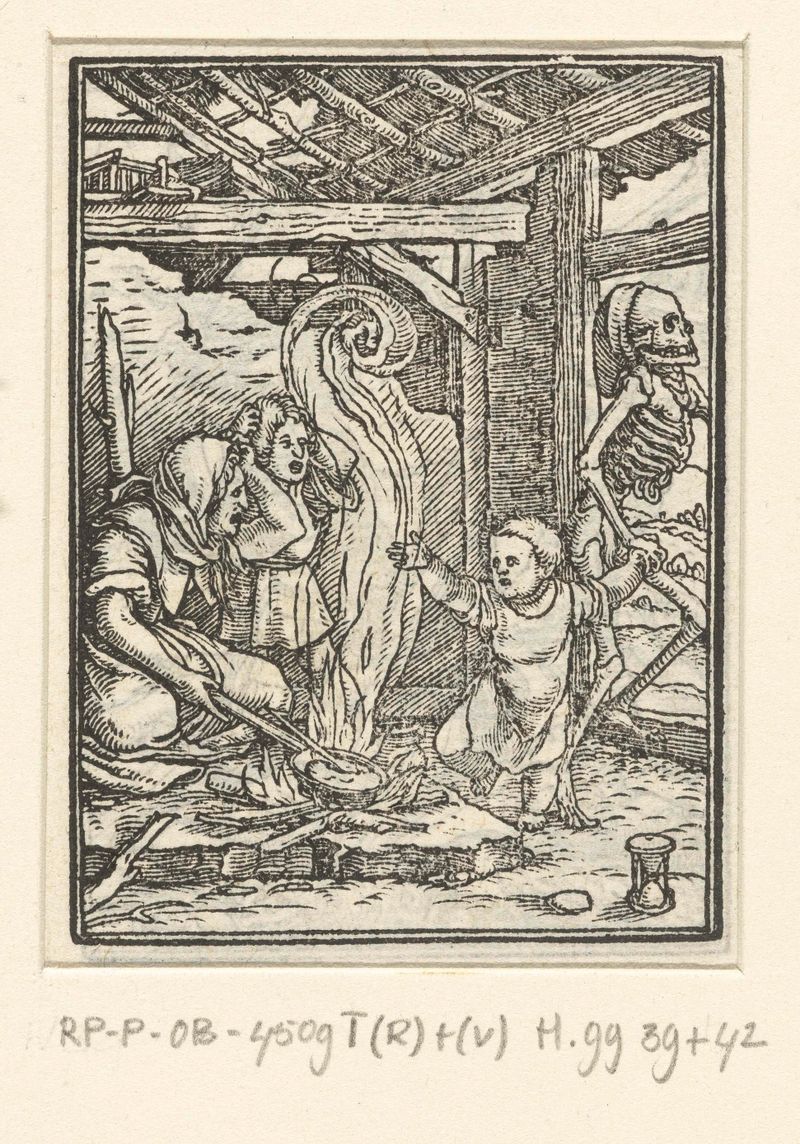
Kind en de Dood
Hans Holbein (II)
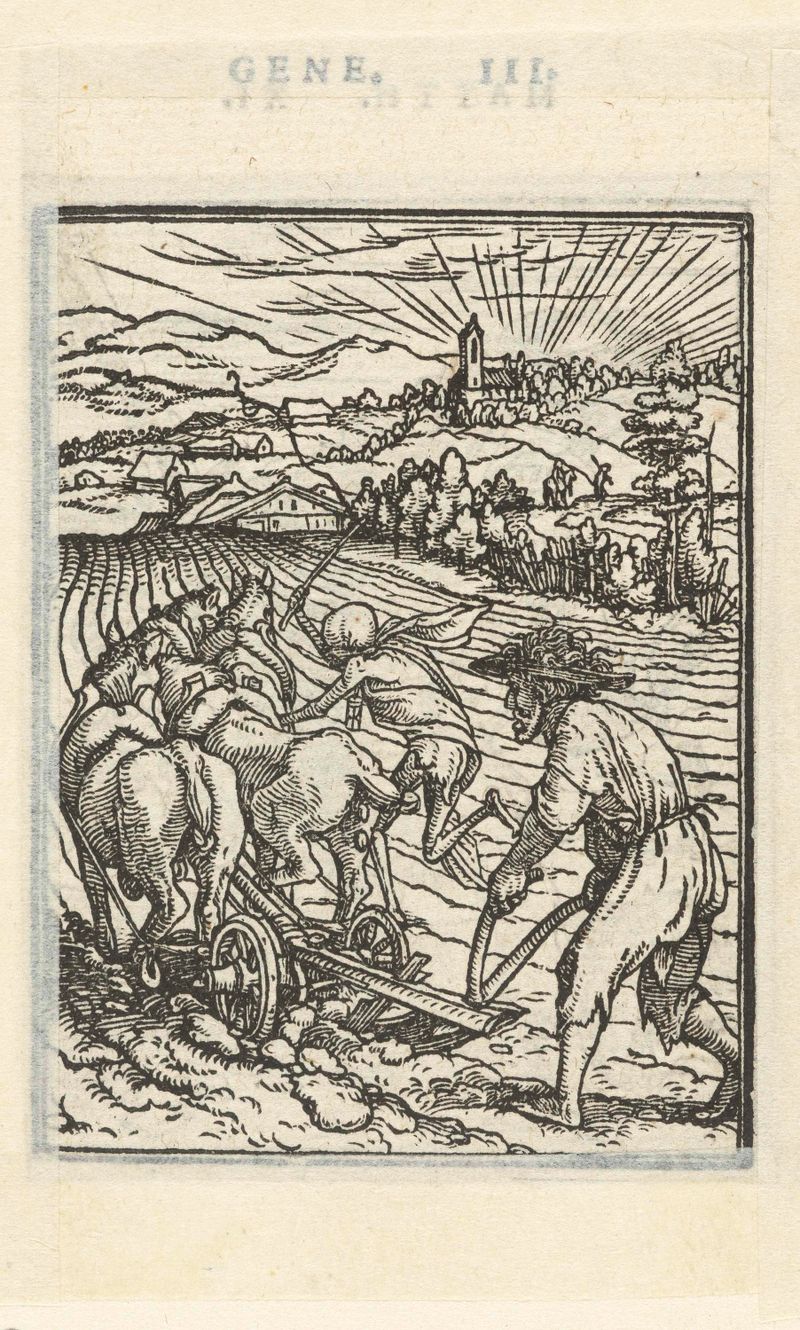
Boer en de Dood
Hans Holbein (II)
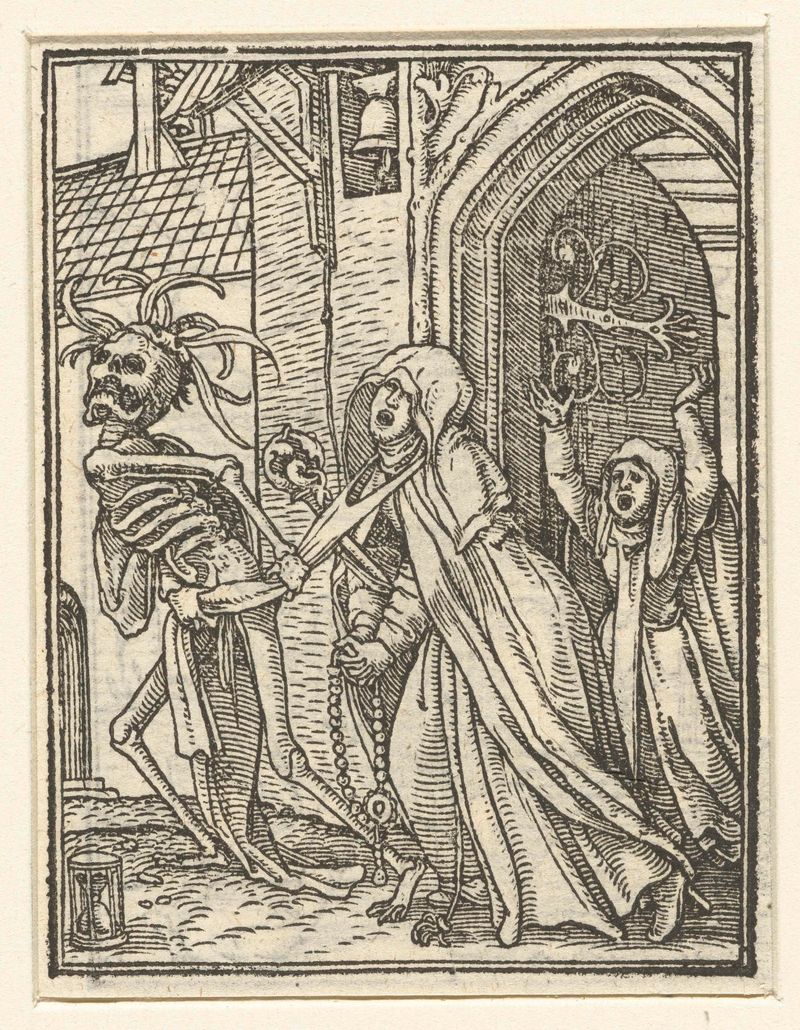
Abdis en de Dood
Hans Holbein (II)
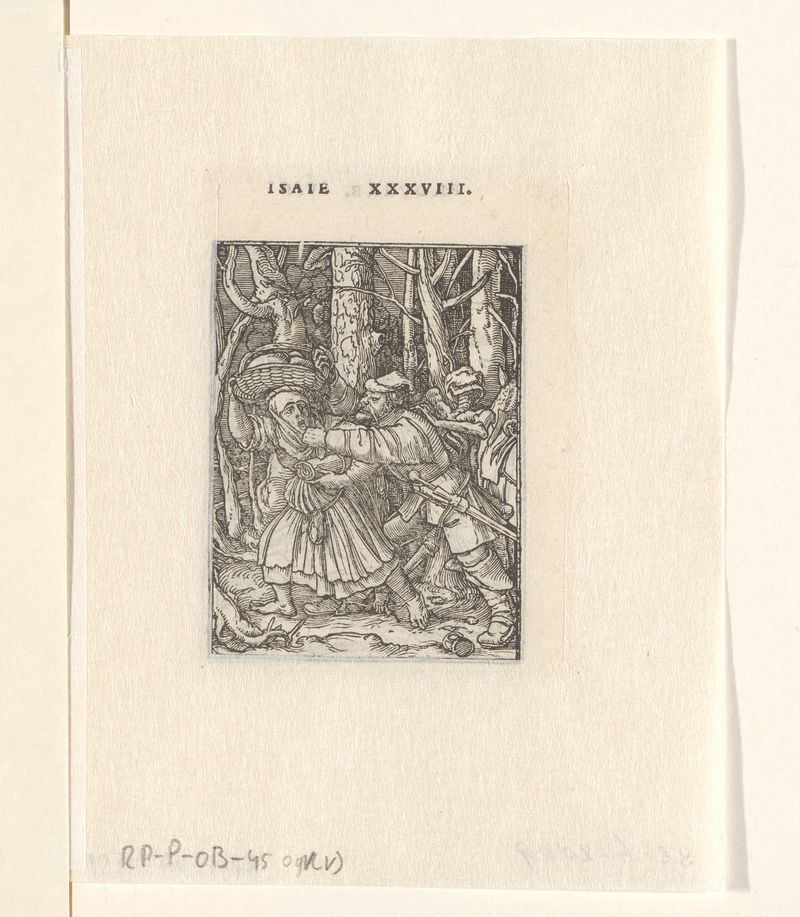
Dief en de Dood
Hans Holbein (II)
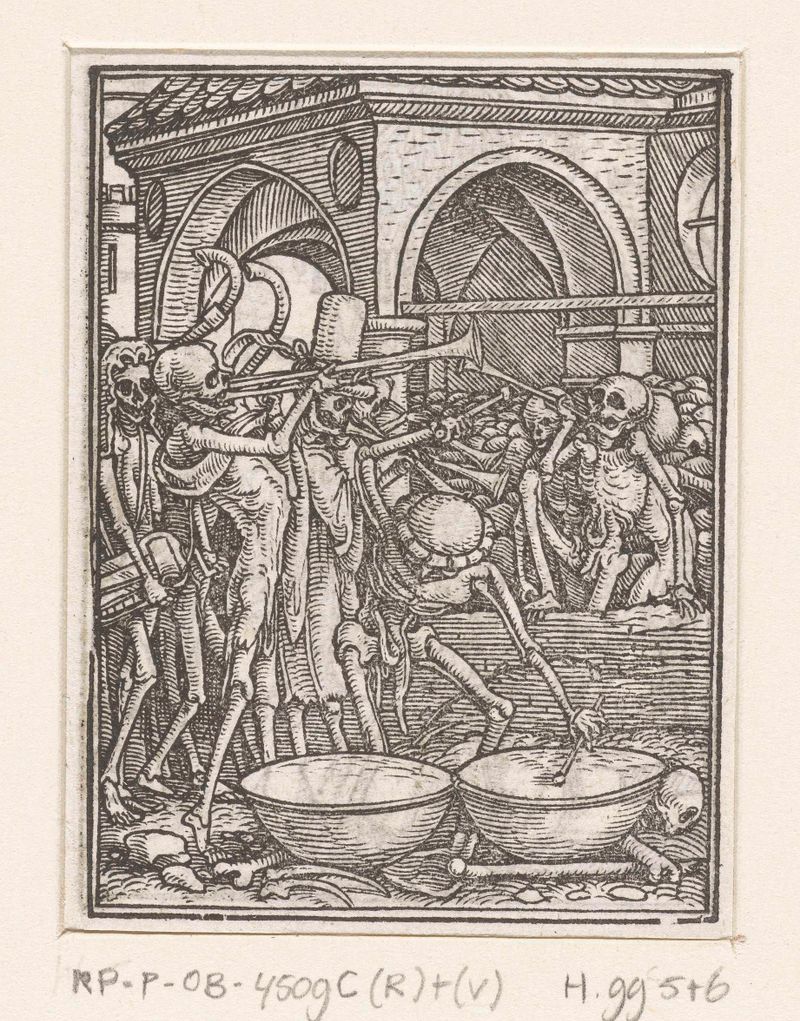
Skeletons Making Music from Dance of the Dead
Hans Holbein (II)
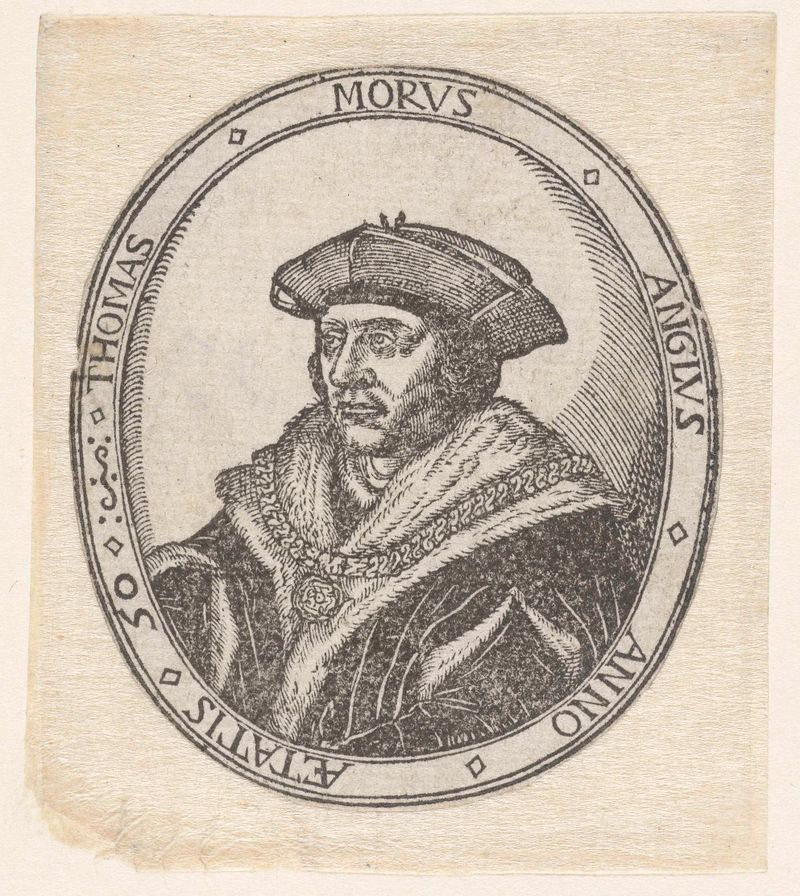
Portret van Thomas More
Hans Holbein (II)
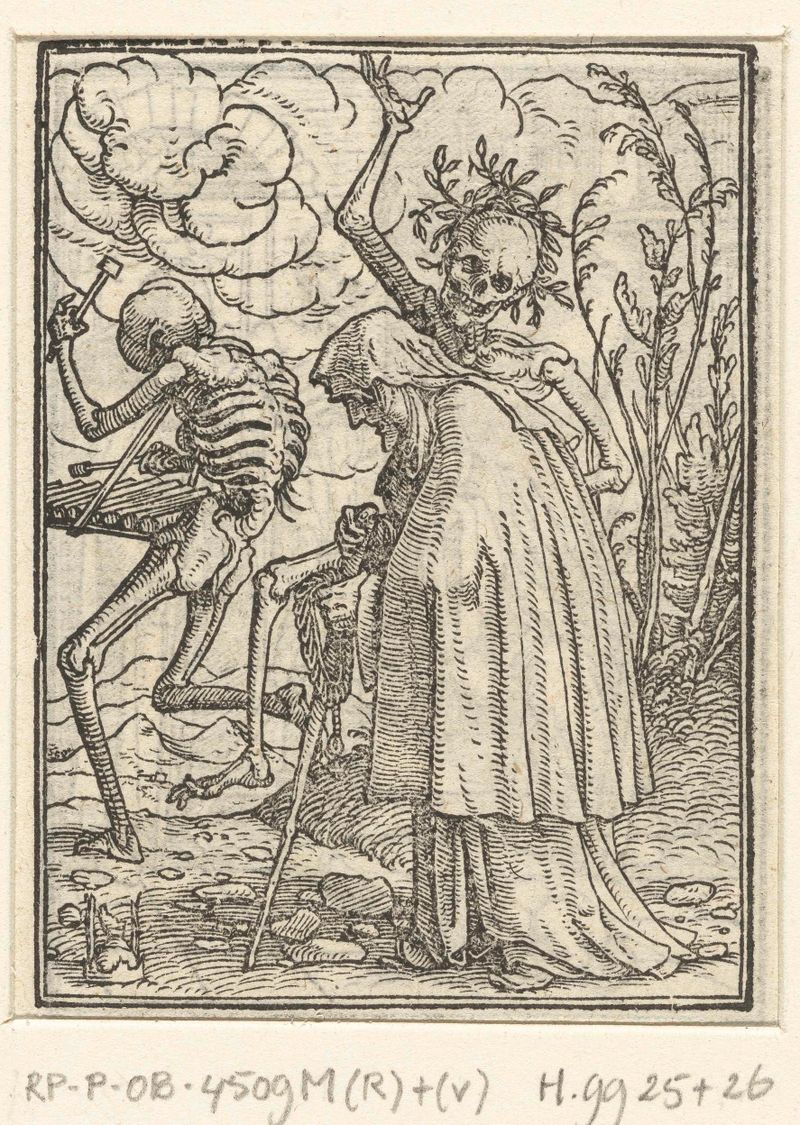
Oude vrouw en de Dood
Hans Holbein (II)
More Religious Art
Browse all →
The Return of the Prodigal Son
Rembrandt van Rijn

The Garden of Earthly Delights
El Bosco

Count Orgaz’ funeral
El Greco

The Hundred Guilder Print: the central piece with Christ preaching, the plate arched
Rembrandt van Rijn

The Descent from the Cross
Rogier van der Weyden

The return of the prodigal son
Rembrandt van Rijn