
Boy on a Ram — History & Facts
In Boy on a Ram, the viewer is invited to confront the delicate balance between innocence and illusion, leading us into a realm where fantasy intertwines with reality. Now, focus on the center of the canvas where a young boy sits astride a ram, his confident posture exuding a playful bravado. The earthy tones envelop the figures in a warm embrace, while the bright highlights on the boy's face capture the sunlight, illuminating his youthful joy. Notice how the ram’s gentle, yet powerful form grounds the scene, its fur rendered with exquisite detail, contrasting with the fluidity of the boy’s garments, which flow as if animated by a gentle breeze.
This interplay of textures draws the eye, inviting you to explore the harmony between nature and youth. Beneath this charming facade lies a deeper emotional tension; the boy's gaze is both mischievous and contemplative, suggesting a fleeting moment of freedom that may soon be lost. The ram, a symbol of strength, contrasts sharply with the boy's fragile innocence, hinting at the duality of childhood—playful yet precarious. The background, almost ethereal, blurs into an abstracted landscape, reinforcing a sense of dreaming, as if the scene exists in a world apart—a fleeting illusion of bliss. During 1786–87, Goya created this work amid a flourishing Spanish art scene, marked by a blend of Rococo and emerging Romantic influences.
He was already gaining recognition while grappling with the tensions of contemporary society and his own artistic voice. This painting reflects his exploration of childhood innocence, serving as a poignant reminder of the beauty and fragility found within the unreal.
More Artworks by Francisco de Goya
Browse all →
The Third of May 1808
Francisco de Goya

De slaap van de rede brengt monsters voort
Francisco de Goya

The Charge of the Mamelukes (1814)
Francisco de Goya
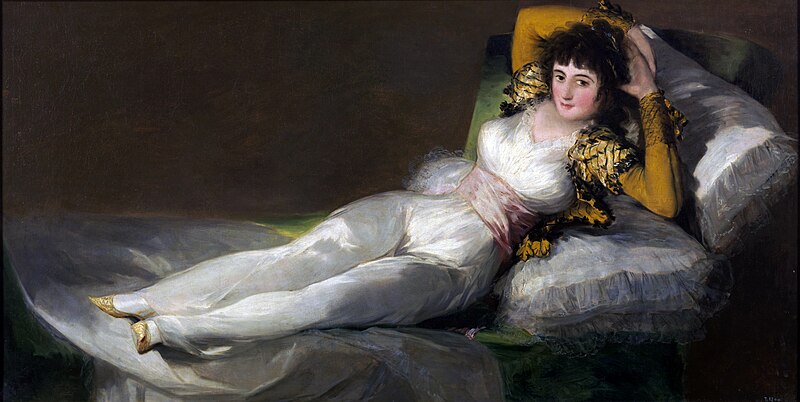
La maja vestida
Francisco de Goya

La maja desnuda
Francisco de Goya
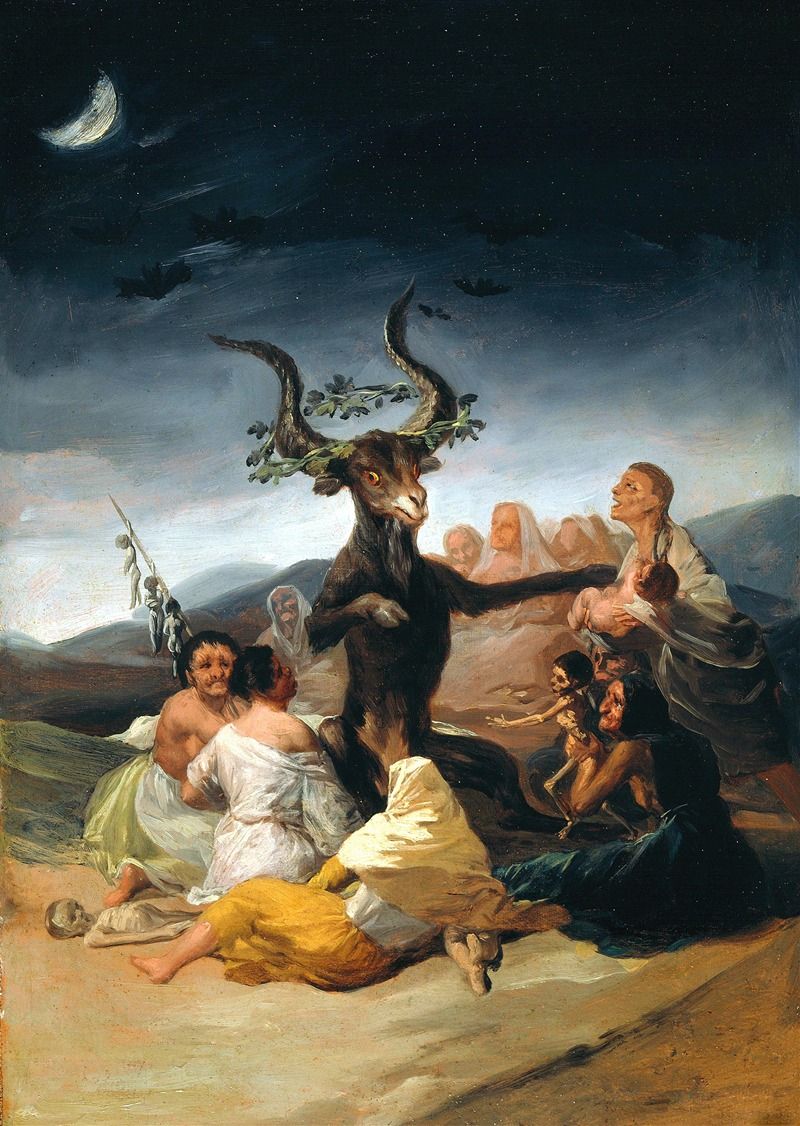
The Sabbath of witches
Francisco de Goya
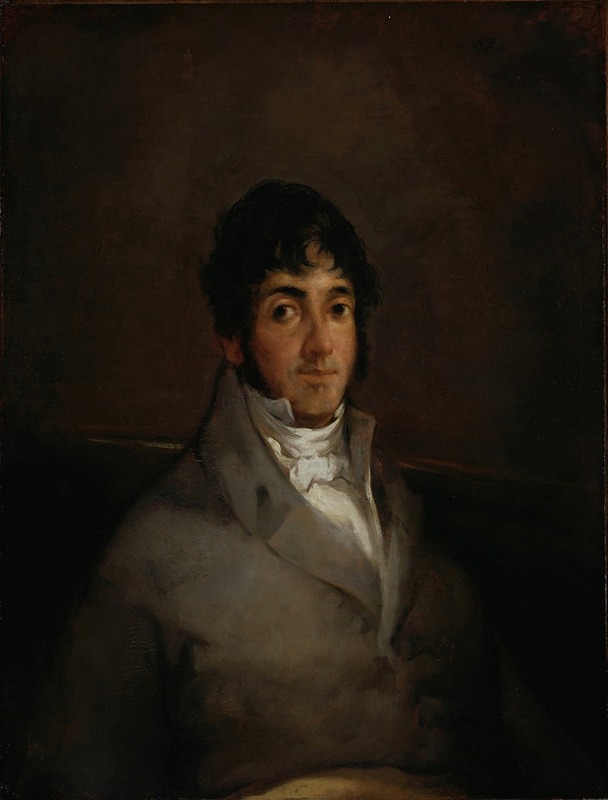
Portrait of Isidoro Maiquez
Francisco de Goya
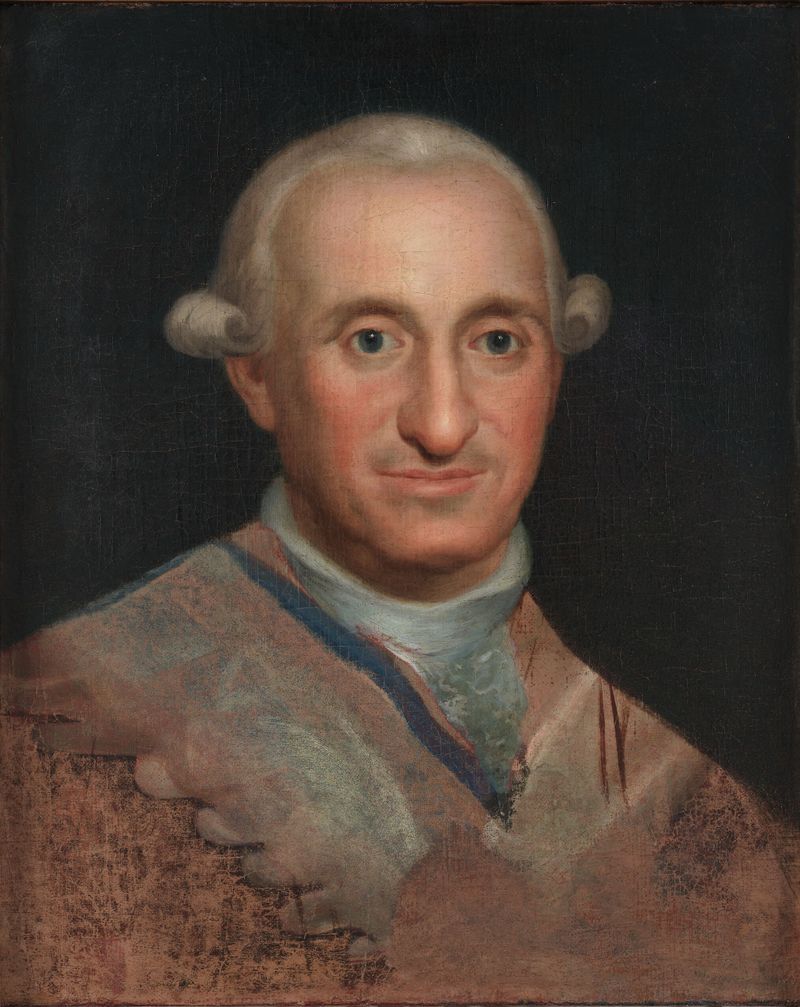
Charles IV, King of Spain
Francisco de Goya
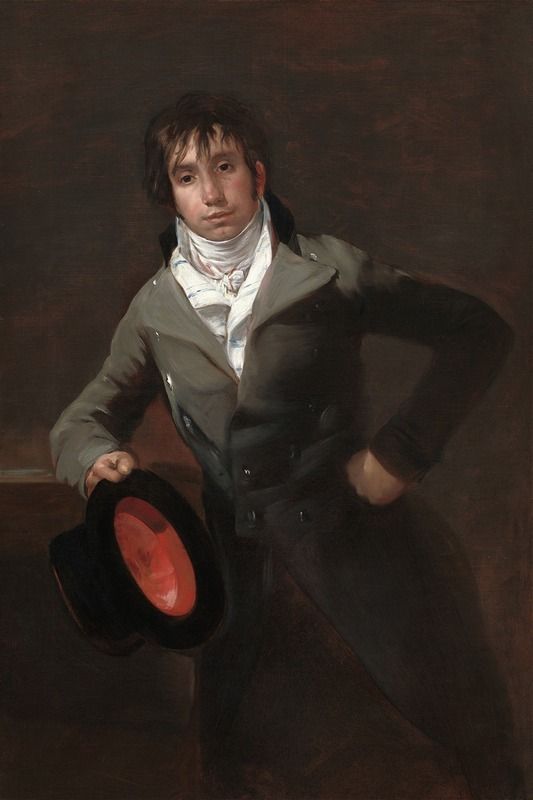
Bartolomé Sureda y Miserol
Francisco de Goya
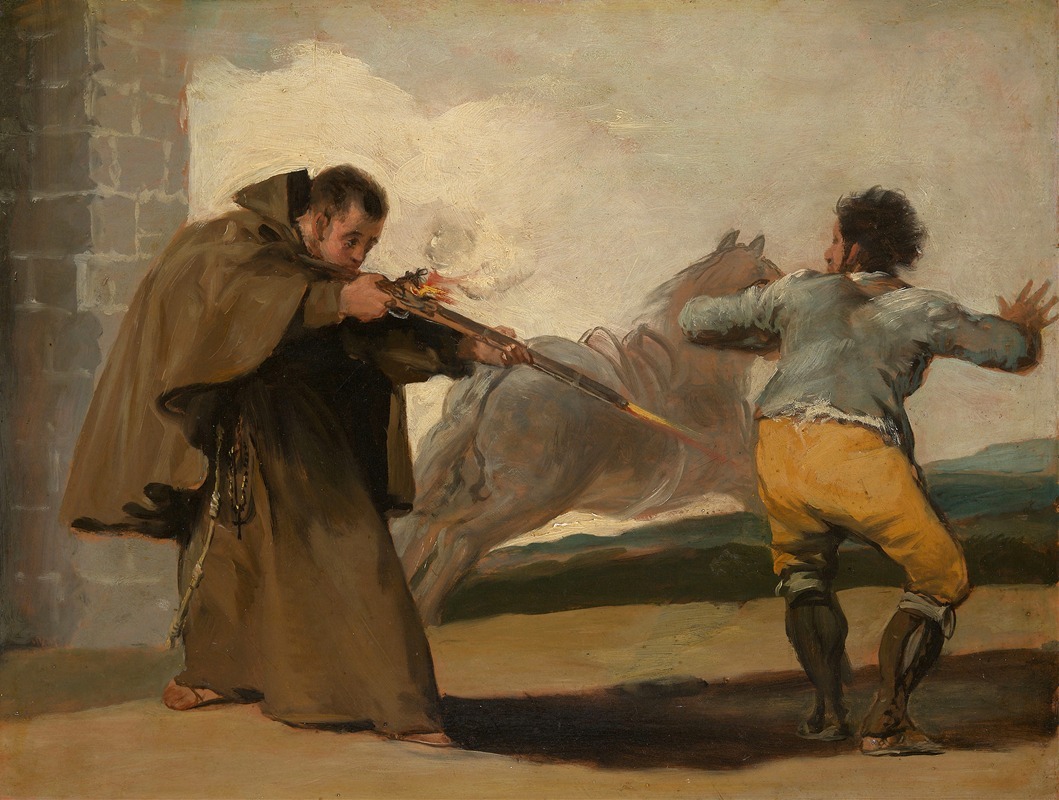
Friar Pedro Shoots El Maragato as His Horse Runs Off
Francisco de Goya




