
Boy with a glass and a pewter jug — History & Facts
No other painting by Frans Hals has sparked as much discussion about the identity of its sitter as Boy with a glass and a pewter jug. Since its creation around 1620, viewers and scholars alike have speculated whether this lively youth was a real person—perhaps the artist’s own son—or a model for a type, embodying Haarlem’s bustling tavern culture. The painting’s informality and direct gaze were unusual for the period, leading some early critics to mistake it for a genre scene rather than a portrait.
Its spirited realism became a touchstone for later admirers of Hals, who praised the artist’s ability to “catch life itself on the canvas.” The boy, caught mid-laugh, raises a delicate glass as if to toast the viewer, his other hand gripping the handle of a sturdy pewter jug. The light glances off the jug’s cool surface and dances in the liquid, drawing the eye to the simple pleasures of drink and company. The boy’s tousled hair and open collar suggest spontaneity, while the glint in his eyes hints at mischief.
Unlike the moralizing tavern scenes of Jan Steen, Hals offers no warning or lesson—only a fleeting moment of youthful exuberance. The composition’s energy is heightened by brisk, visible brushwork, a hallmark of Hals’s style, which would later inspire the Impressionists. The precise origins of Boy with a glass and a pewter jug remain uncertain; no commission or patron is recorded, and it was likely painted for the open market, reflecting the growing Dutch appetite for scenes of everyday life. Over the centuries, the painting has passed through several private collections, at times misattributed or overlooked, before being recognized as a key work in Hals’s early career.
Today, it stands as a testament to the artist’s gift for capturing character and movement, and its place in the canon of Dutch Golden Age painting is secure. Its current home is the Museo del Prado, where it continues to invite speculation and delight.
More Artworks by Frans Hals

Banquet of the Officers of the St George Civic Guard
Frans Hals

Portrait of Jacob Pietersz Olycan (1596-1638)
Frans Hals

Laughing Cavalier
Frans Hals

Militia Company of District XI under the Command of Captain Reynier Reael, Known as ‘The Meagre Company’
Frans Hals

Regentesses of the Old Men's Alms House
Frans Hals
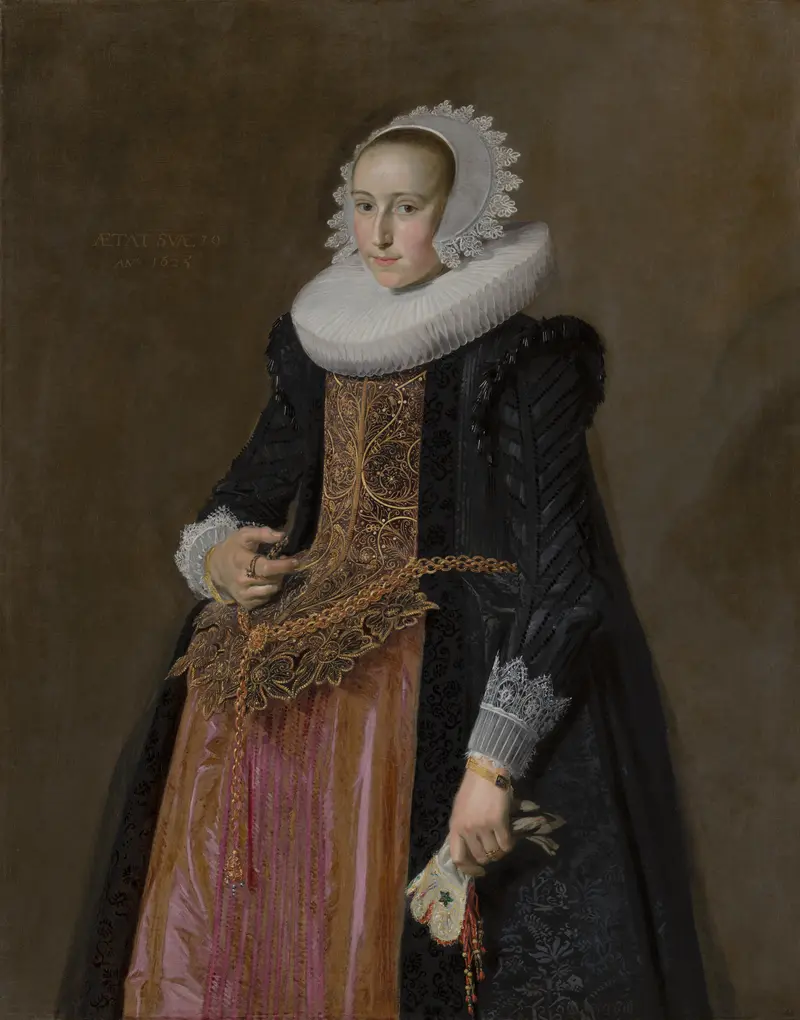
Portrait of Aletta Hanemans (1606–1653)
Frans Hals

Portrait of a Married Couple, Likely Isaac Abrahamsz Massa and Beatrix van der Laen
Frans Hals
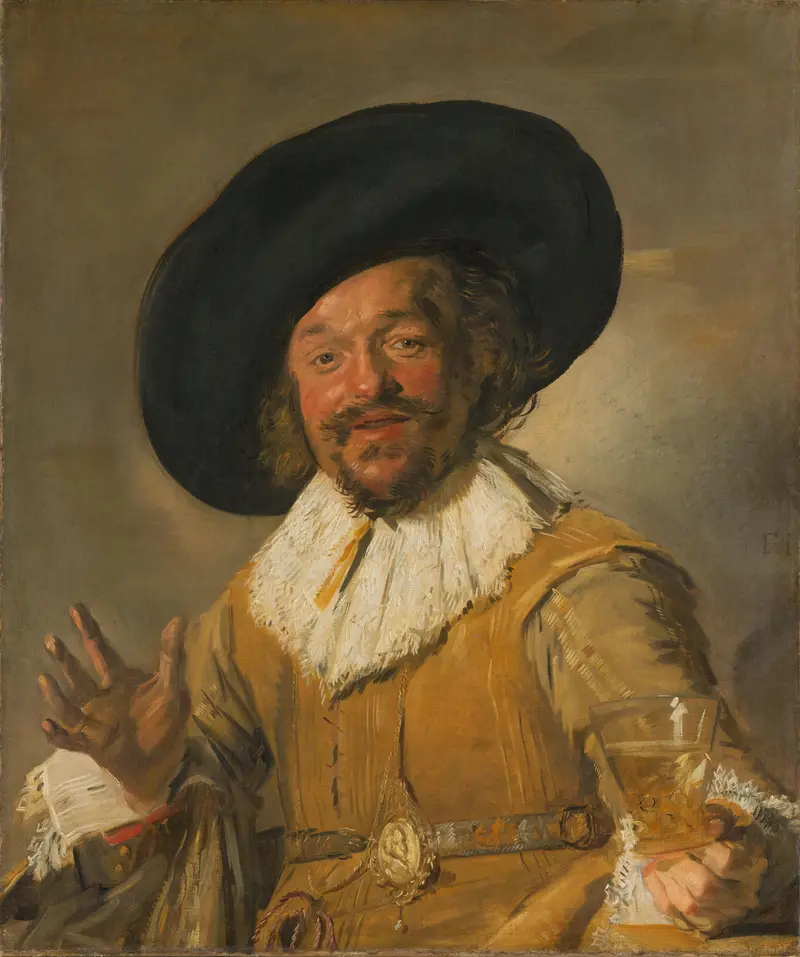
The Merry Drinker
Frans Hals

Portrait of Paulus Verschuur
Frans Hals

Portrait of Pieter van den Broecke
Frans Hals





