
Boy with Anchor — History & Facts
In the quiet stillness of Boy with Anchor, Winslow Homer captures a moment of delicate equilibrium, where the weight of expectation meets the innocence of youth. The boy, with his anchor, stands poised between the playful spirit of childhood and the burdensome responsibilities that life may soon impose. Focus on the boy’s expression first, a mix of curiosity and contemplation that draws you in. His gaze, directed slightly to the side, invites introspection, while the anchor—a symbol of stability—rests heavily in his small hands.
Notice how the light plays off the boy’s tousled hair, highlighting the warm tones of his skin and the fabric of his simple shirt, contrasting against the cool, metallic hue of the anchor. This interplay of light and shadow not only emphasizes his physical form but also adds an emotional depth, suggesting a moment suspended in time. Delve deeper into the nuances of this piece, where the anchor symbolizes both a grounding force and a potential burden. The juxtaposition of the boy's innocence against the heavy weight of the anchor creates a tension that speaks to the universal struggle of balancing childhood dreams with adult realities.
The artist’s choice of a muted palette enhances this contrast, evoking a sense of melancholy that lingers beneath the surface. In 1873, when this work was created, Homer was deeply engaged in exploring themes of American identity and the complexities of human experience. Living in a post-Civil War America, he found inspiration in the lives of everyday people, capturing both their struggles and moments of quiet reflection. This painting reflects not only his mastery of technique but also his ability to convey profound emotional truths through the lens of realism.
More Artworks by Winslow Homer
Browse all →
The Gulf Stream
Winslow Homer
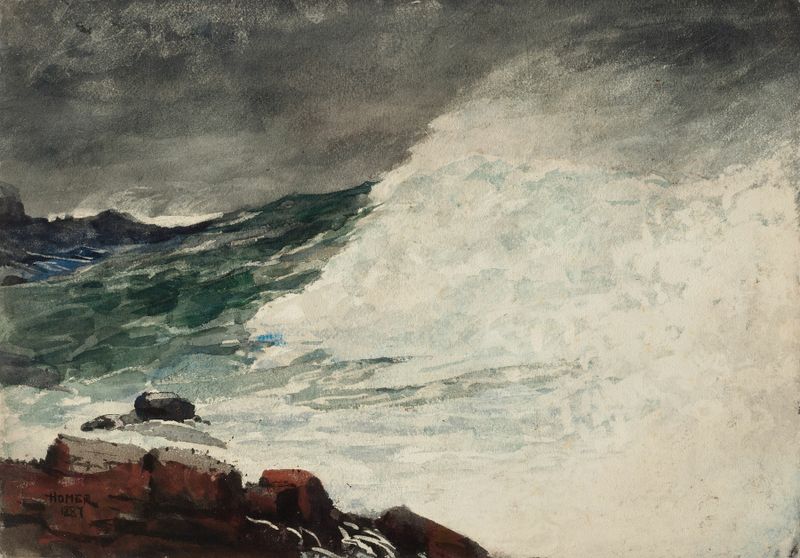
Prout’s Neck, Breaking Wave
Winslow Homer
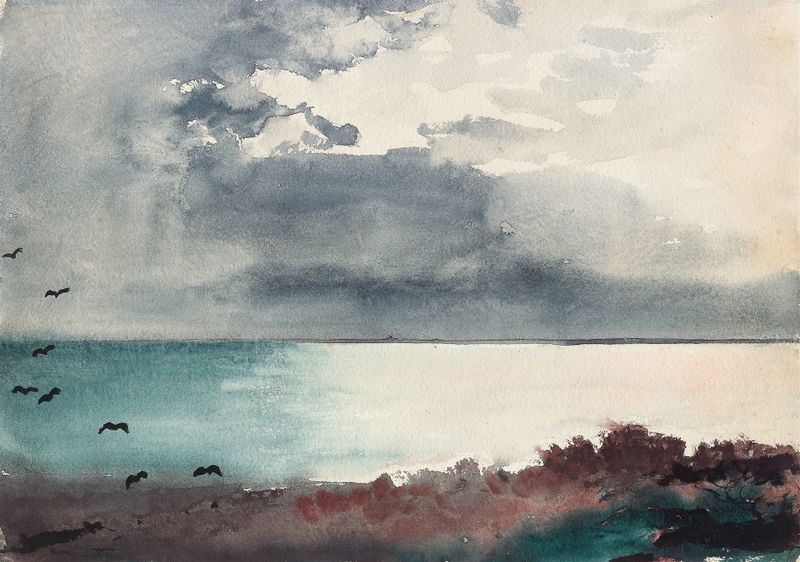
Breaking Storm, Coast of Maine
Winslow Homer
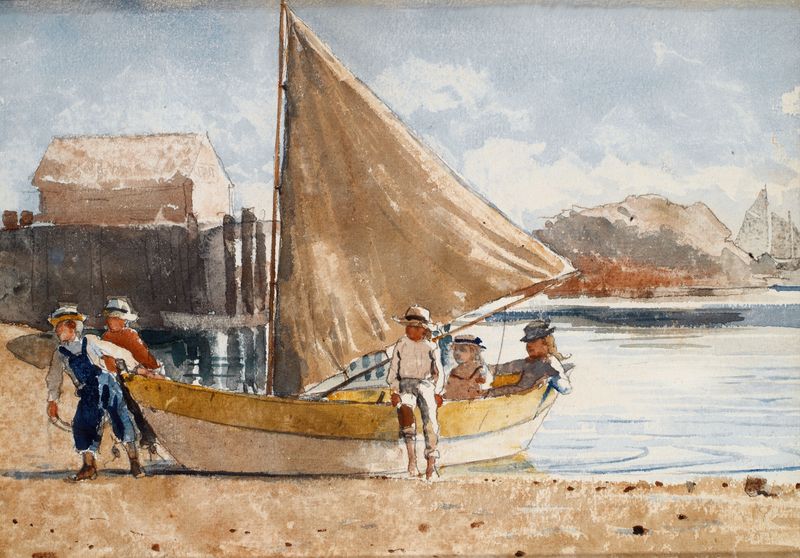
Summertime
Winslow Homer
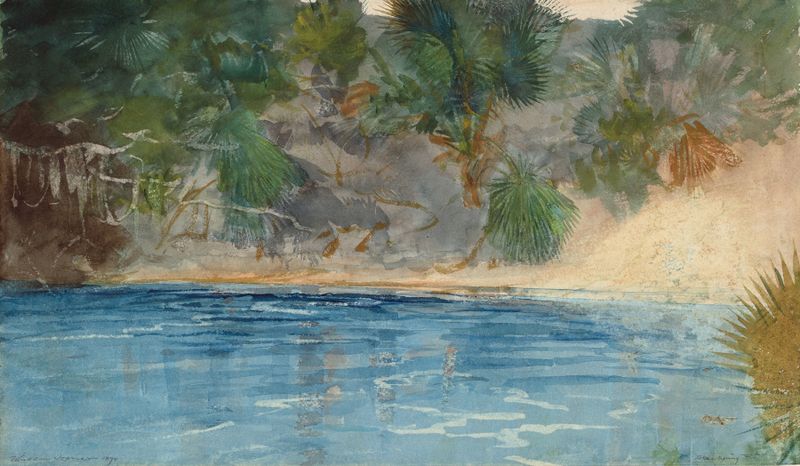
Blue Spring, Florida
Winslow Homer
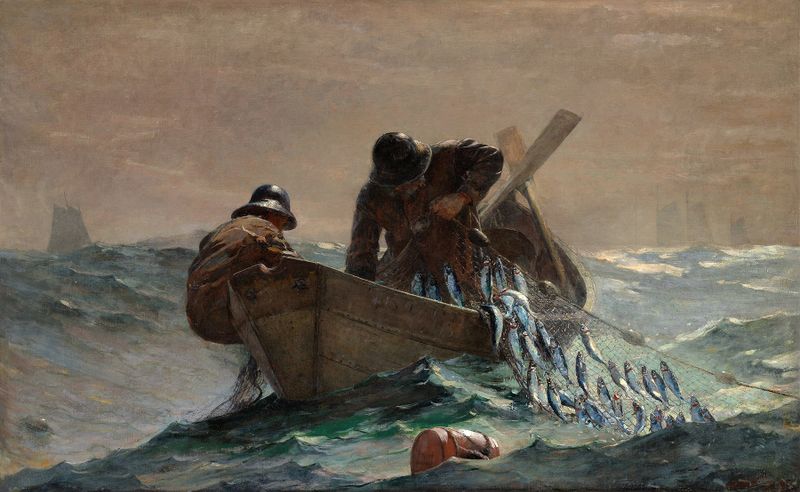
The Herring Net
Winslow Homer
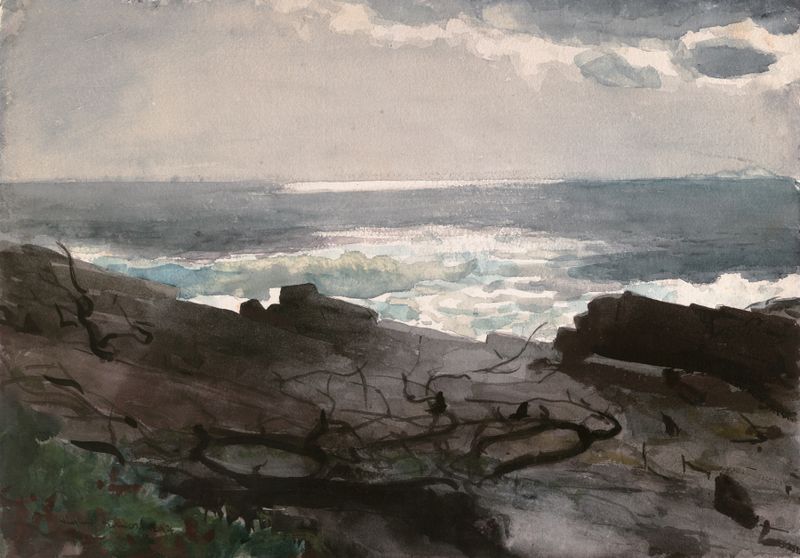
Sunshine and Shadow, Prout’s Neck
Winslow Homer
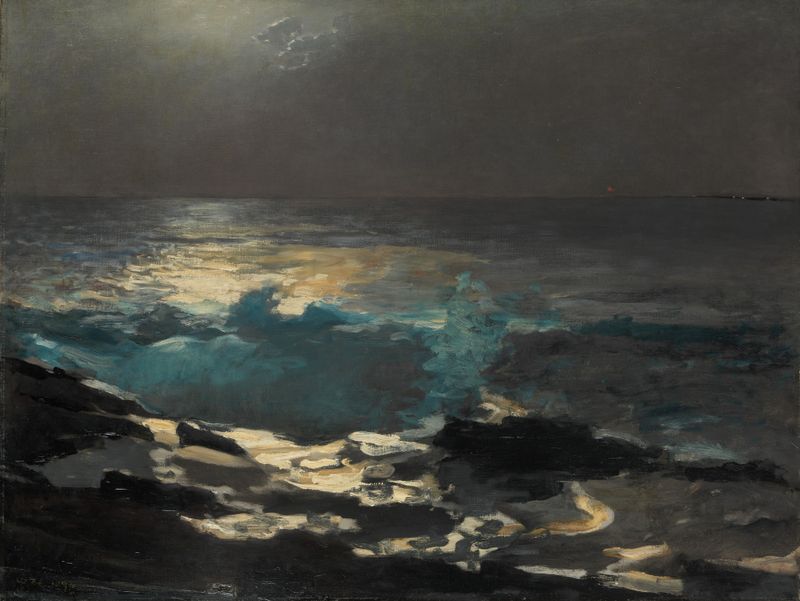
Moonlight, Wood Island Light
Winslow Homer
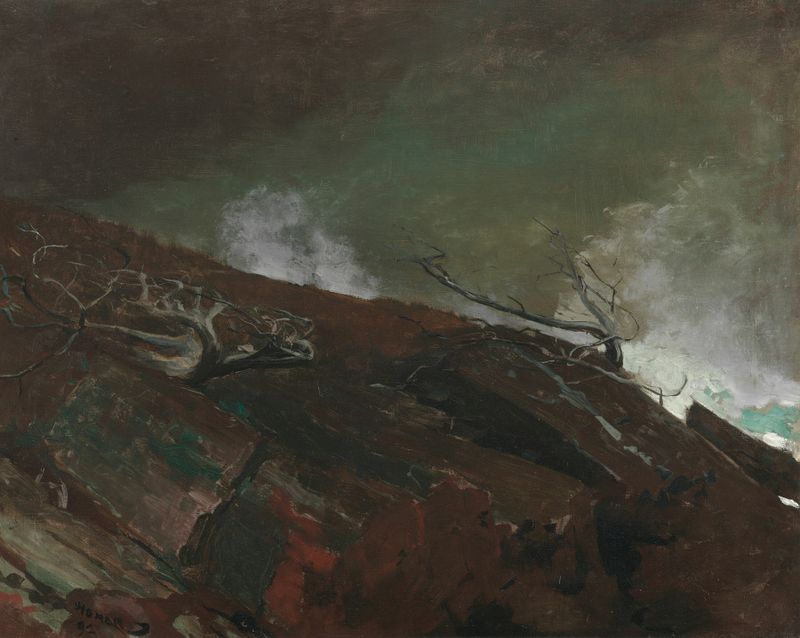
Coast of Maine
Winslow Homer
Bass Fishing – Florida
Winslow Homer





