Brede schaal met een ornamentele steel — History & Facts
In the stillness of a moment captured, the intricate dance of form and shadow speaks volumes beyond the surface. Look to the center of the piece, where the ornate bowl takes command of the composition. Its delicate curvature and embellished stem draw the eye, inviting admiration for both craftsmanship and artistry. The meticulous etching, executed with a deft hand, reveals a tapestry of patterns that swirl and undulate, each line pulsating with a quiet vibrancy.
The interplay of light and shadow adds depth, enhancing the intricate details while suggesting a sense of movement, as if the bowl might roll away or the patterns could shift before your very eyes. Yet, beyond its aesthetic allure, the work embodies the tension between permanence and transience. The bowl, a symbol of domesticity and elegance, contrasts with the evanescent nature of the moment it captures. The meticulous detail draws attention to the artistry involved, evoking a feeling of reverence for the craftsmanship of the time.
Each etched line not only serves a decorative purpose but also reflects the cultural significance of the object within the period, suggesting the intersection of function and beauty in daily life. In 1646, Wenceslaus Hollar was living in a tumultuous Europe, having fled the Thirty Years' War to find refuge in England. This was a period of great artistic innovation and cultural exchange, where Hollar’s talents as an engraver flourished. Brede schaal met een ornamentele steel exemplifies his ability to blend meticulous technique with an appreciation for the beauty found in everyday objects, a testament to both his skill and the era's shifting artistic landscape.
More Artworks by Wenceslaus Hollar
Browse all →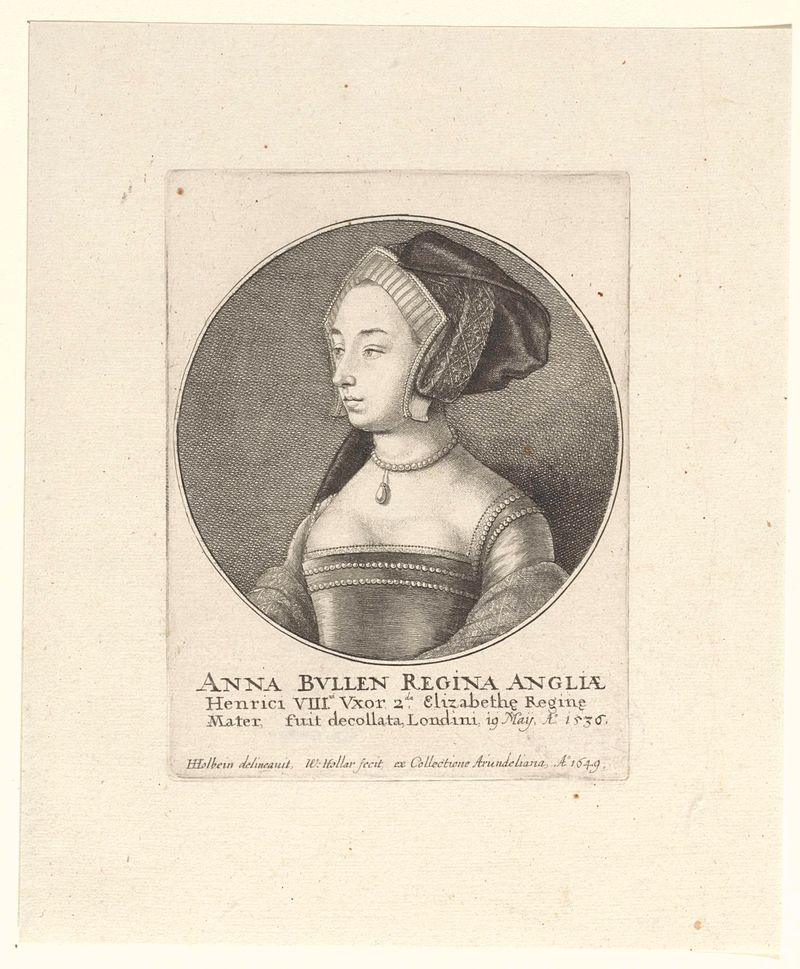
Portret van Anna Boleyn, koningin van Engeland
Wenceslaus Hollar
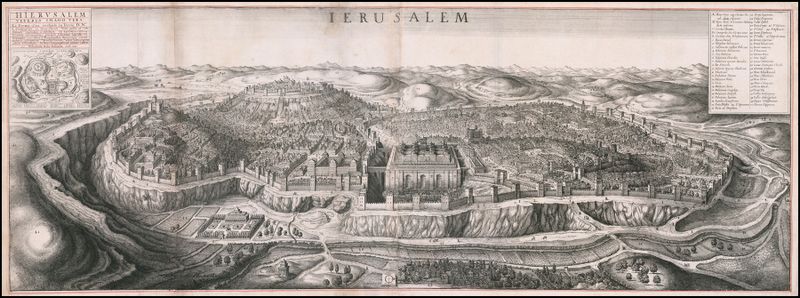
Bird’s eye view of Jerusalem
Wenceslaus Hollar
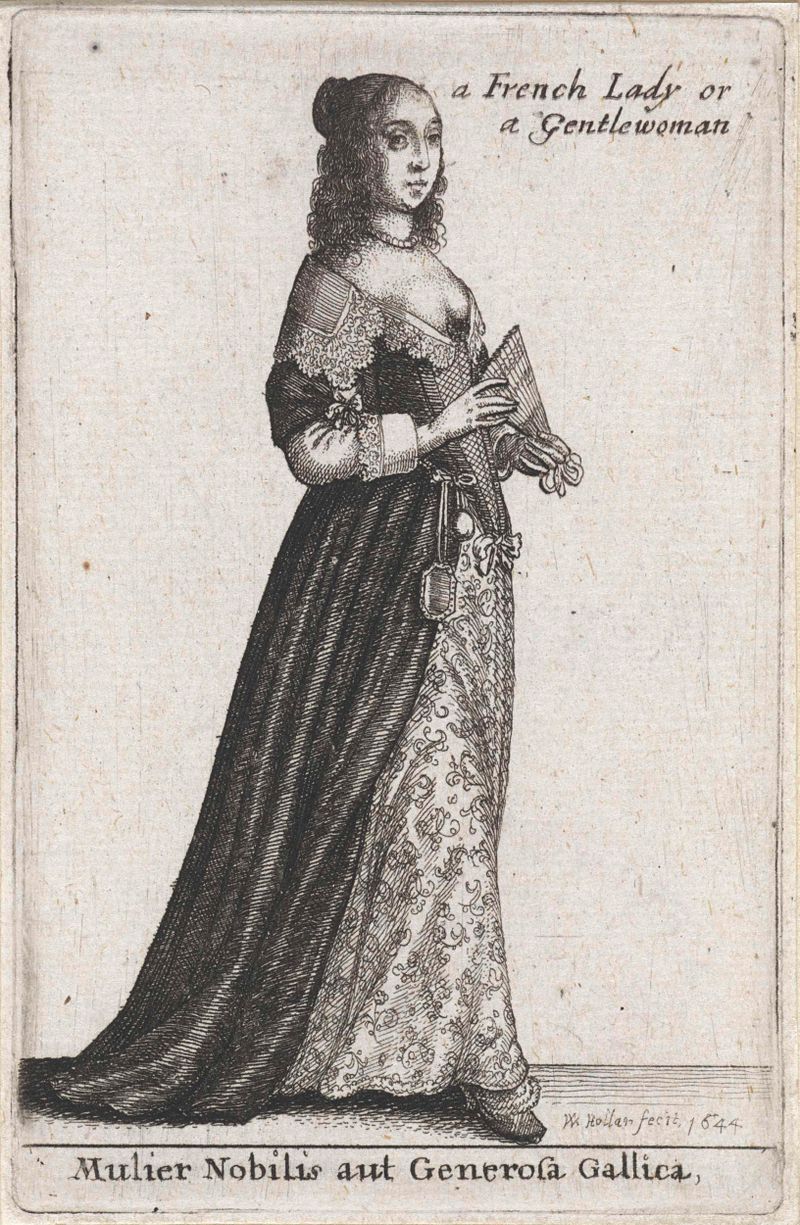
Mulier Nobilis aut Generosa Gallica / a French Lady or Gentlewoman
Wenceslaus Hollar
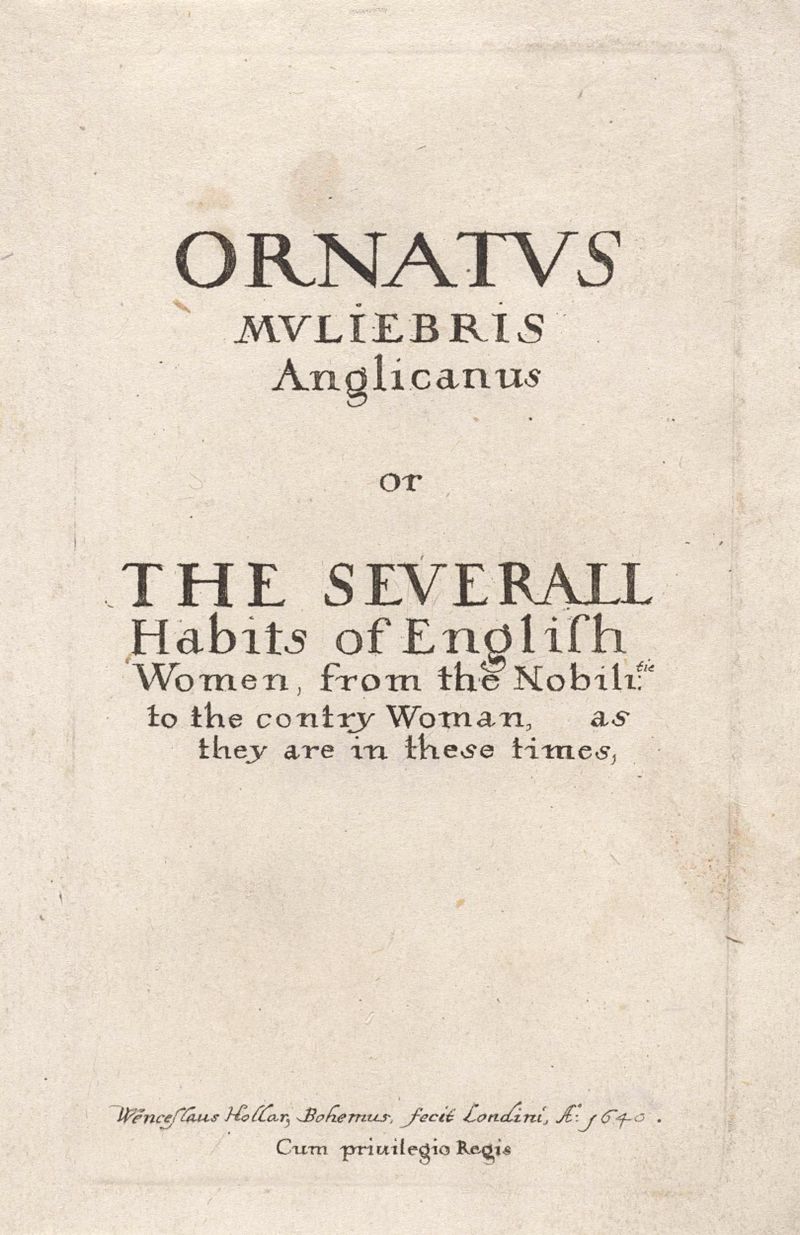
Titelprent voor: Ornatus Muliebris Anglicanus
Wenceslaus Hollar
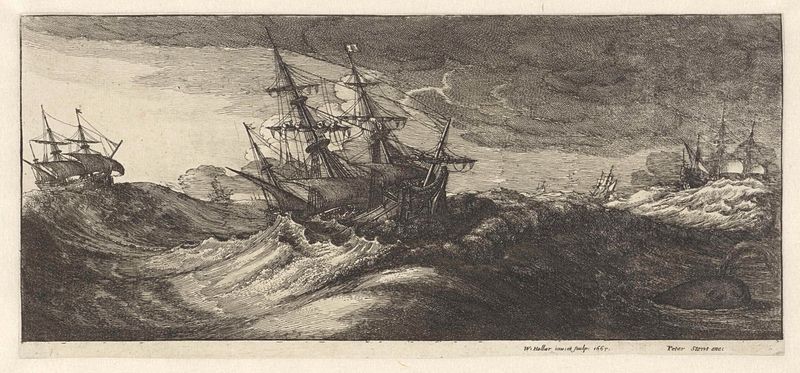
Oorlogsschepen en een walvis in een zeestorm
Wenceslaus Hollar
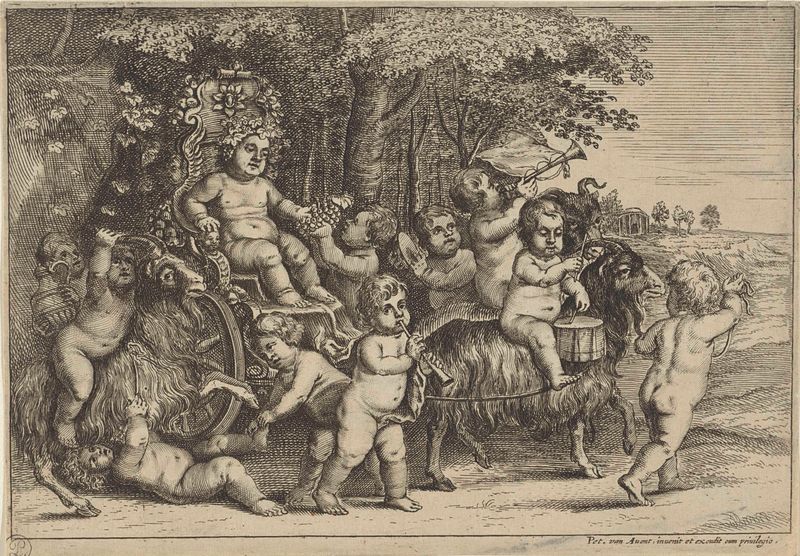
Optocht van bacchant en jongetjes op geiten
Wenceslaus Hollar
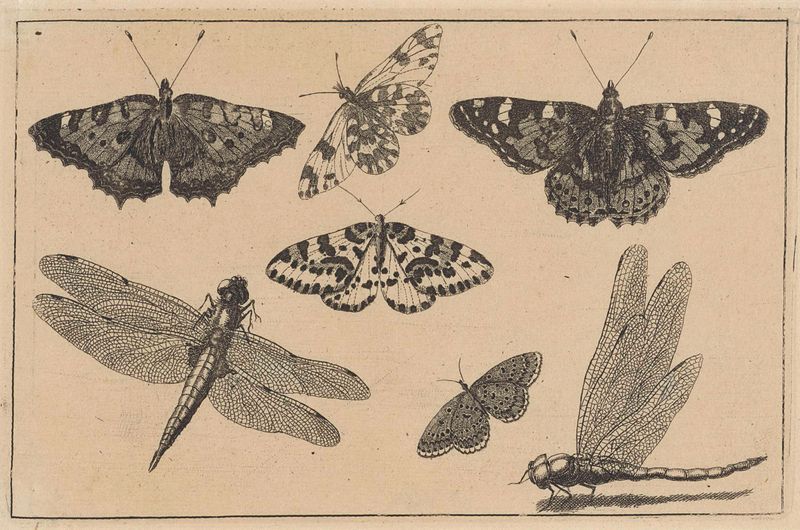
Twee libellen en vijf vlinders
Wenceslaus Hollar
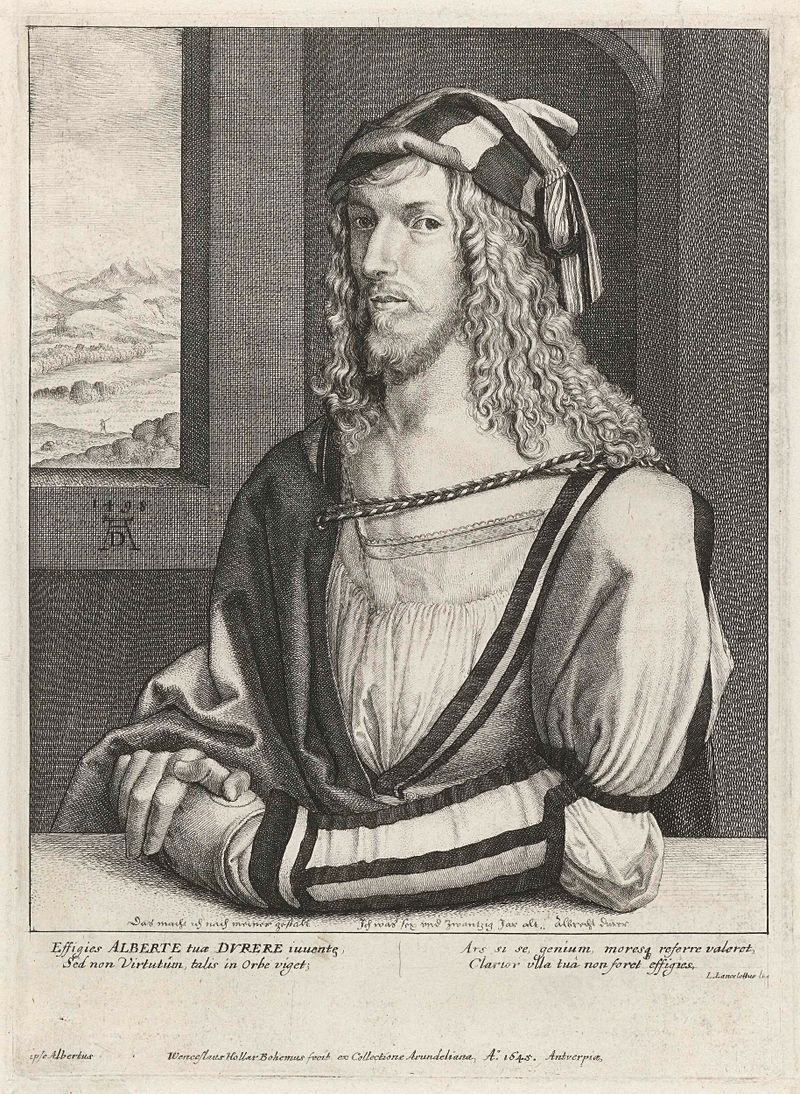
Portret van Albrecht Dürer
Wenceslaus Hollar
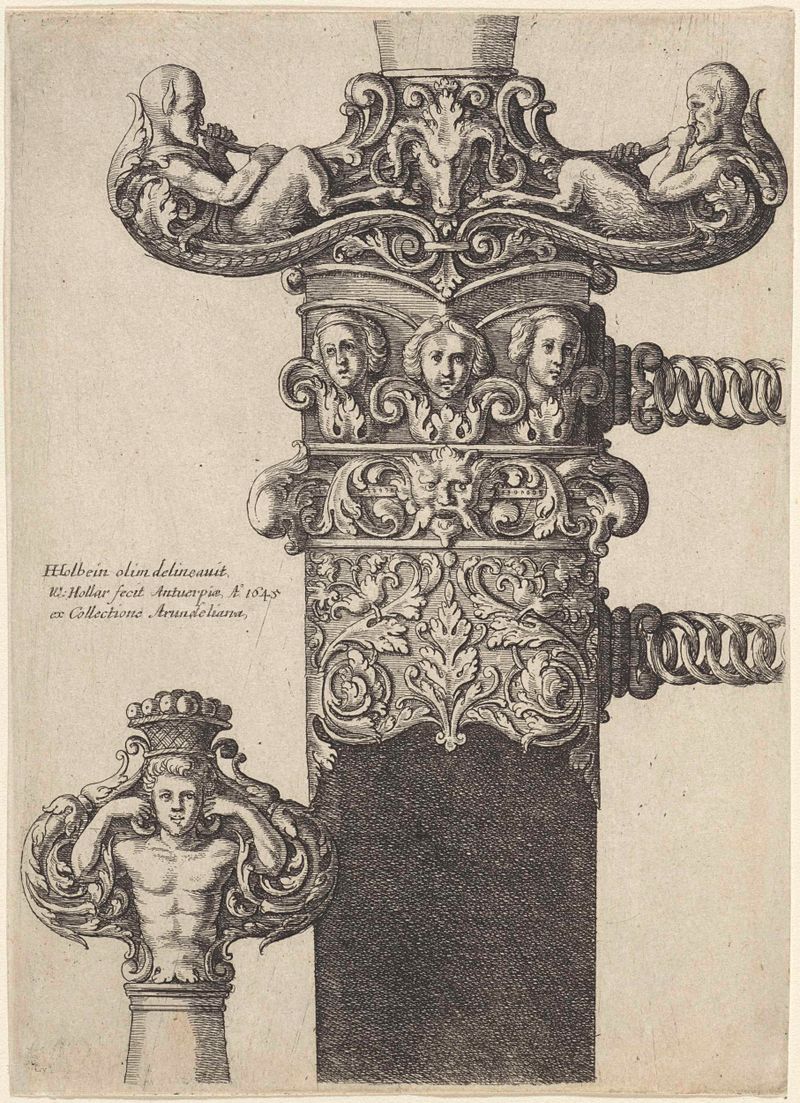
Ornamenteel ontwerp voor een dolk
Wenceslaus Hollar
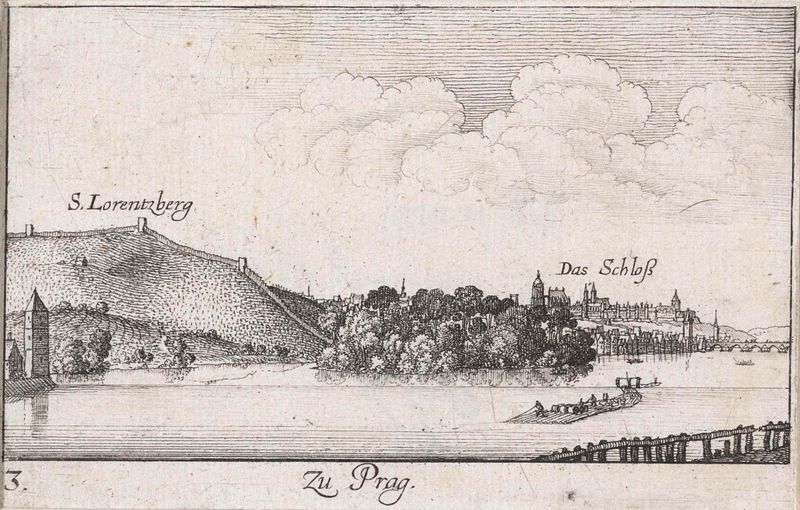
Gezicht op Praag vanaf de Moldau
Wenceslaus Hollar