
Bridge and Watermill of Moret in Summer — History & Facts
What first catches the eye in Bridge and Watermill of Moret in Summer is the sheer expanse of sky, its blue broken only by drifting clouds, setting the tone for a scene that feels both open and quietly contained. The viewer is drawn along the riverbank, where tall poplars cast cool shadows and a scattering of figures—almost swallowed by the vertical rhythm of the trees—hint at a leisurely stroll or an afternoon conversation. The bridge arches confidently across the water, its reflection shimmering in broken color, while the watermill anchors the right edge, its pale façade catching the sunlight.
Every brushstroke seems to pulse with movement: the grass flickers with yellows and greens, the water dances with mirrored blues, and the buildings glow with the warmth of late summer. Painted in 1888, this work belongs to the world of late nineteenth-century France, when artists like Alfred Sisley—the hand behind this canvas—turned their gaze to the everyday landscapes of small towns and riverbanks. Such scenes were rarely grand commissions; instead, they were often painted for the open market or for collectors drawn to the new vision of Impressionism, a movement that prized the fleeting effects of light and atmosphere over historical drama. The painting’s inclusion in the Yorck Project’s 2002 collection underlines its place as a quietly enduring example of this genre, even if history has kept few traces of its own journey.
Look again at the water’s surface: in those restless reflections, the spirit of a changing era shimmers just beneath the calm.
More Artworks by Alfred Sisley
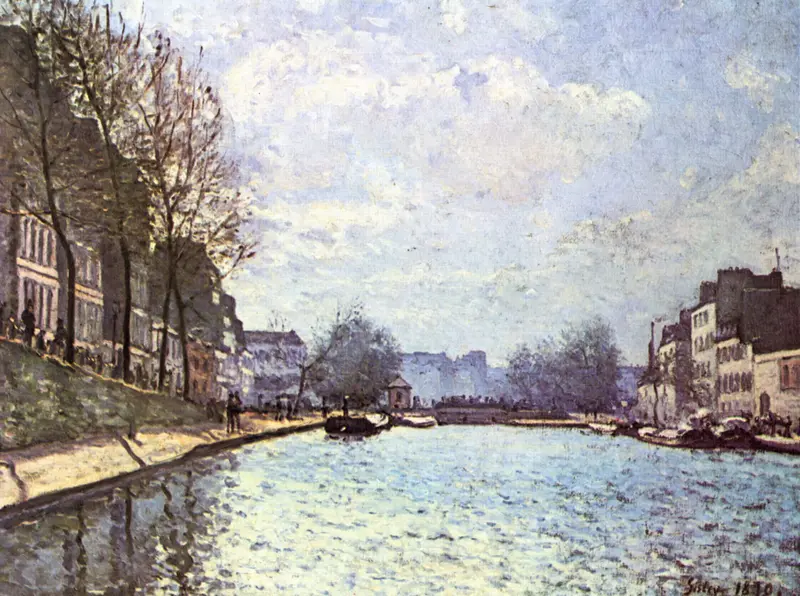
View of the Canal Saint-Martin
Alfred Sisley

Le Loing à Saint-Mammès
Alfred Sisley
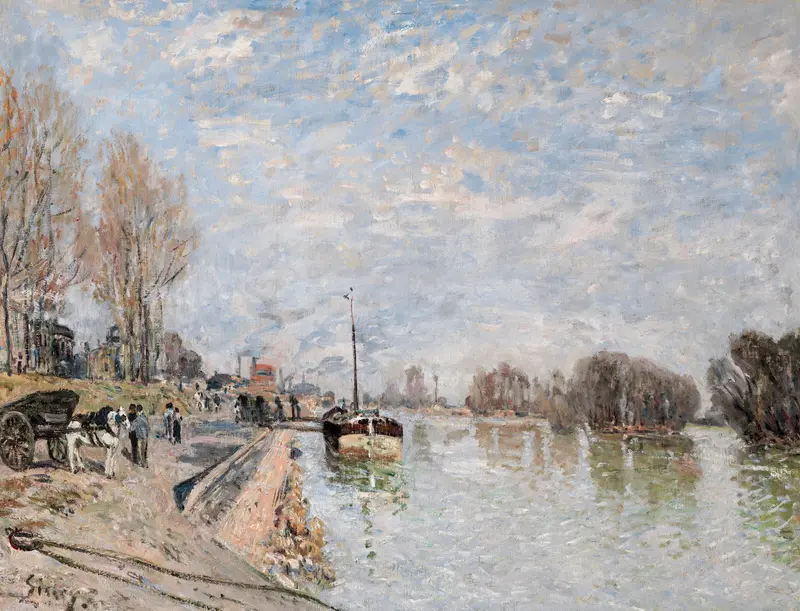
La Seine à Suresnes
Alfred Sisley
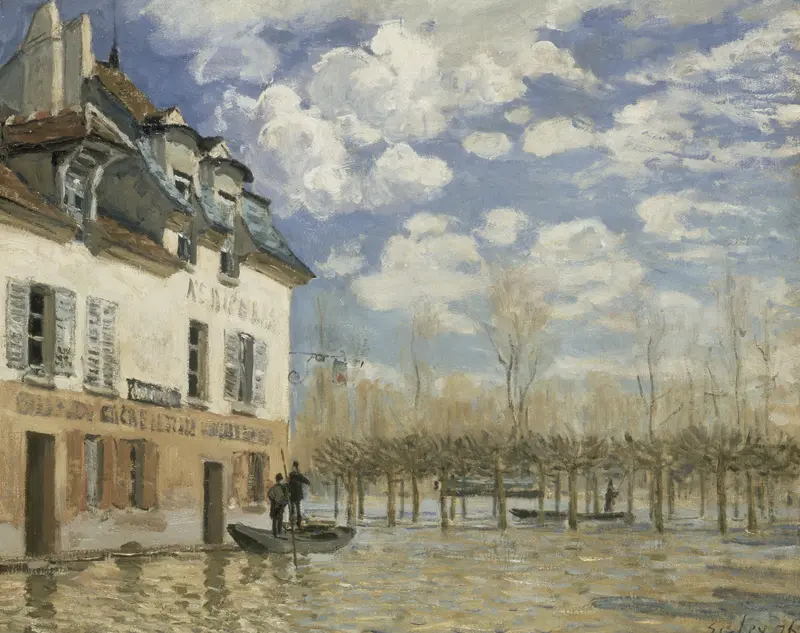
Boat in the Flood at Port Marly
Alfred Sisley
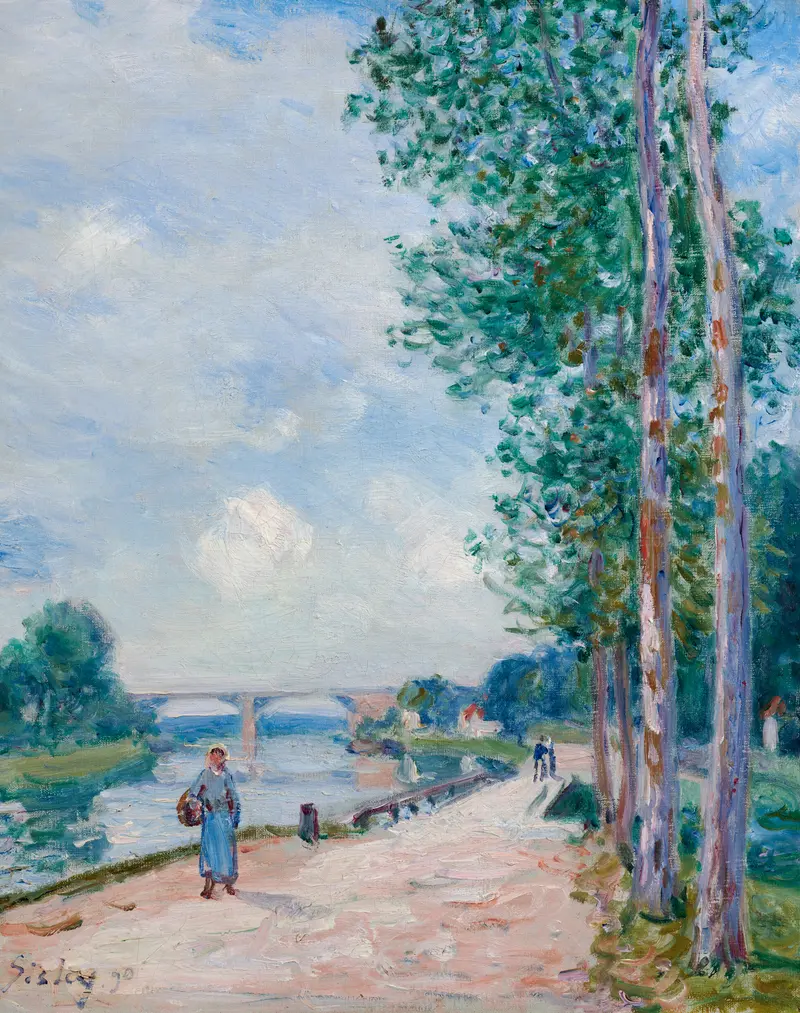
Les bords du Loing près de Moret
Alfred Sisley
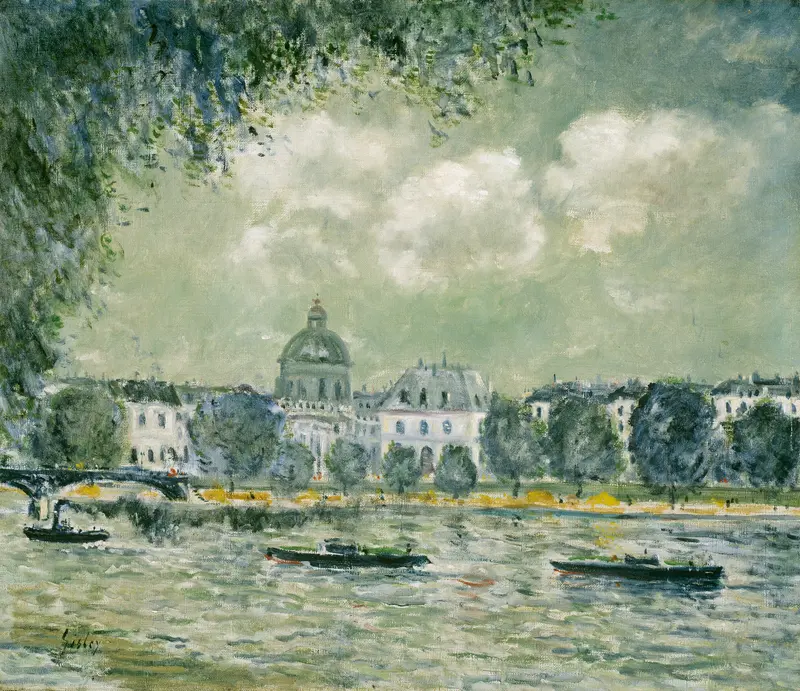
Landscape along the Seine with the Institut de France and the Pont des Arts
Alfred Sisley

Printemps au bord du Loing
Alfred Sisley
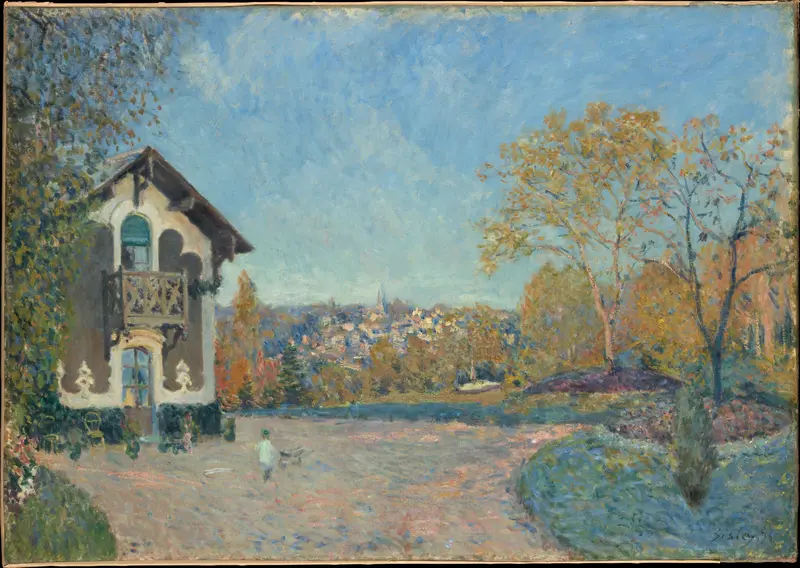
View of Marly-le-Roi from Coeur-Volant
Alfred Sisley
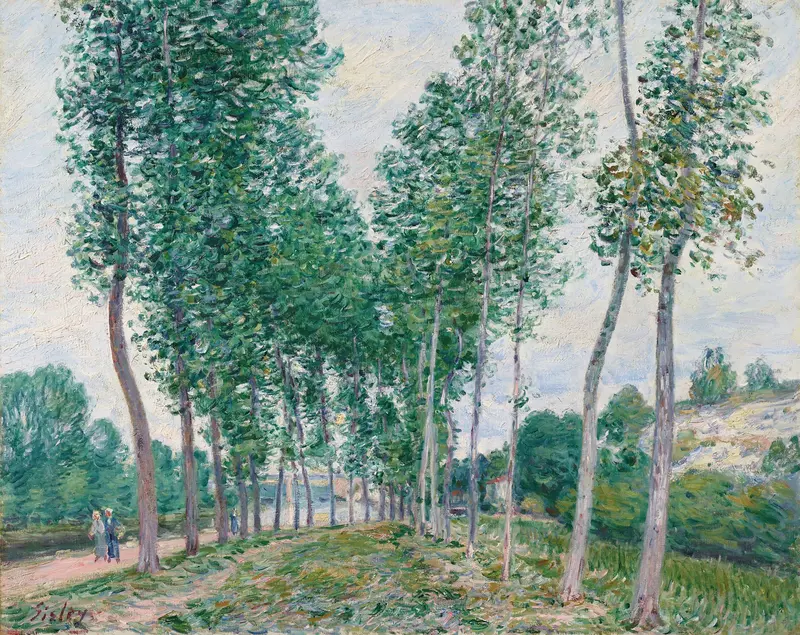
L’allée des peupliers au bord du Loing
Alfred Sisley
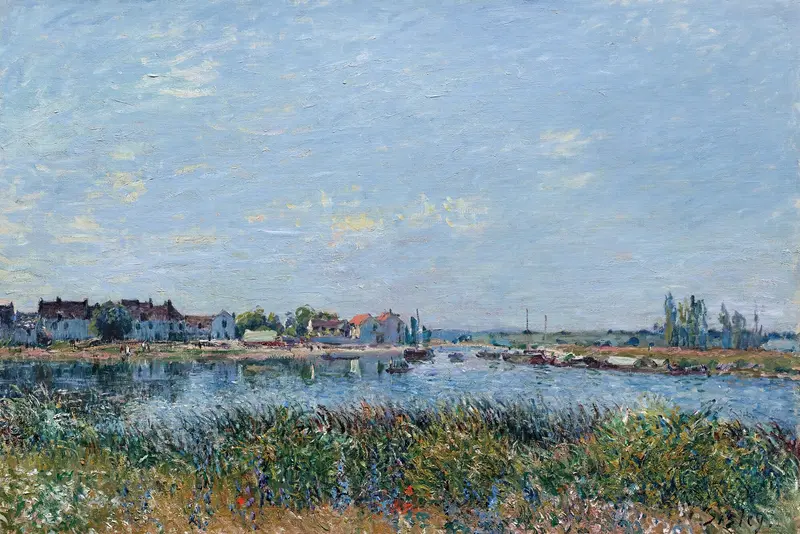
Saint-Mammès, Le Matin
Alfred Sisley
More Landscape Art

The Starry Night
Vincent van Gogh

View of Delft
Johannes Vermeer

Water Lilies
Claude Monet

The Grand Canal, Venice, looking north-west from the Ca' Corner to the Ca' Contarini degli Scrigni, with the campanile of Santa Maria della Carità
Canaletto

Windsor Castle
Canaletto

The Grand Canal looking North-East from the Palazzo Dolfin-Manin to the Rialto Bridge
Canaletto