
Bridge on the Seine — History & Facts
In a world where moments slip away like water through fingers, art becomes a vessel for legacy, preserving the ephemeral in a dance of color and light. Focus on the vibrant hues of blue that dominate the canvas, enveloping the scene in a serene embrace. Look to the left, where the gentle arch of the bridge rises gracefully against the delicate sky, leading the eye toward the horizon. Notice the way the light plays upon the water, creating ripples of reflection that shimmer with warmth, inviting both nostalgia and tranquility.
Each brushstroke reveals the artist's keen understanding of atmosphere, as the structure stands not just as a bridge, but as a symbol of connection and passage through time. Upon closer examination, the juxtaposition of urban architecture and natural beauty reveals layers of meaning. The solidity of the bridge contrasts with the fluidity of the river, representing the interplay between manmade constructs and the relentless flow of nature. Additionally, the figures scattered along the banks, seemingly lost in their thoughts, evoke the quiet solitude that often accompanies reflection, hinting at the complexities of human emotion interwoven with the landscape.
The work transcends a mere depiction, inviting viewers to contemplate their own legacies and the marks they leave behind. Created in 1903 while living in France, the artist found inspiration in the vibrant Impressionist movement, which was simultaneously experiencing both acclaim and evolution. Pankiewicz, surrounded by profound artistic innovation, sought to capture fleeting moments that would resonate through time, ultimately enriching his legacy and the artistic dialogue of the era.
More Artworks by Józef Pankiewicz
Browse all →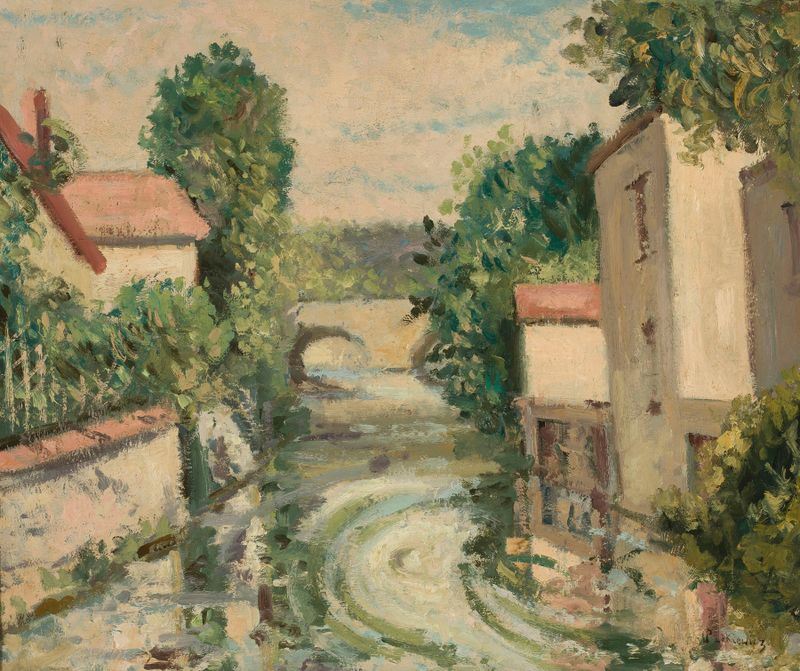
Landscape
Józef Pankiewicz

Cab in the Rain
Józef Pankiewicz
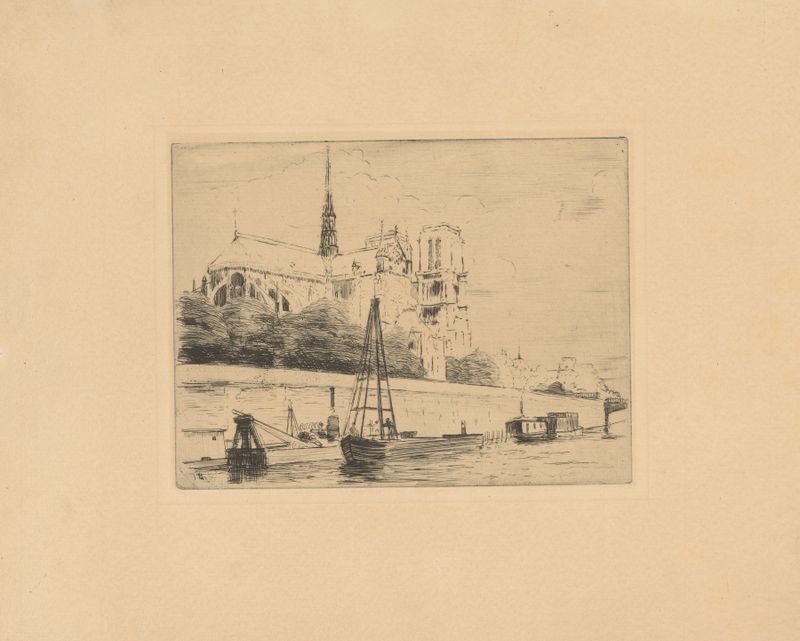
Notre Dame Cathedral in Paris
Józef Pankiewicz
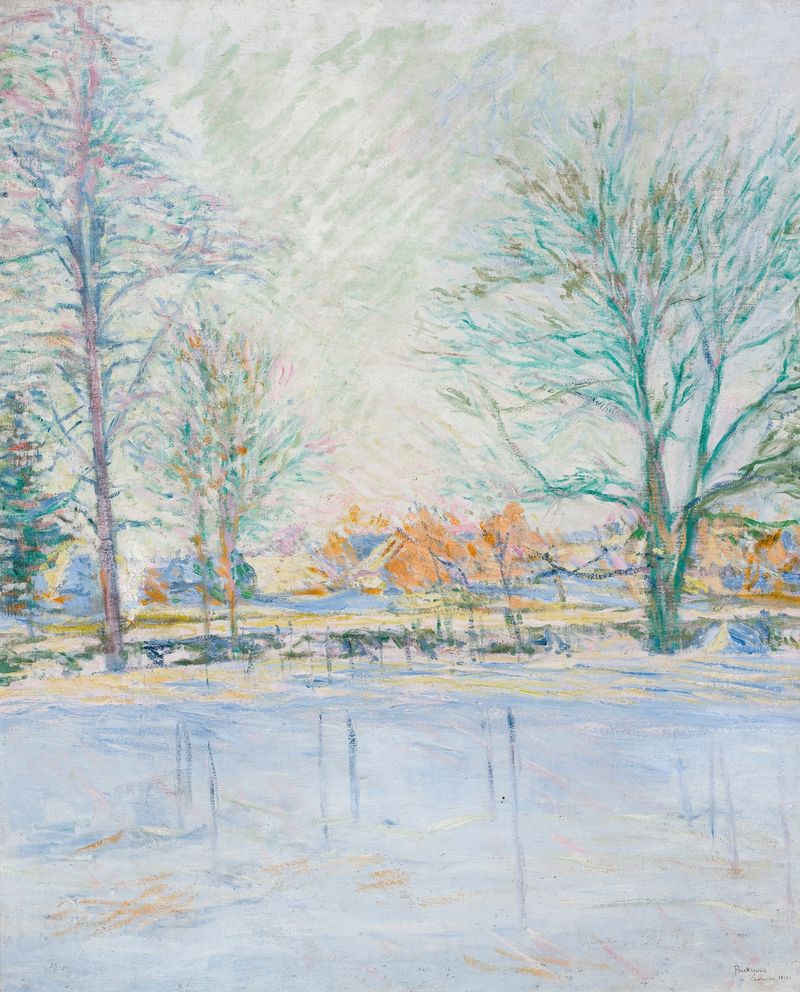
Landscape from Czarnolas
Józef Pankiewicz
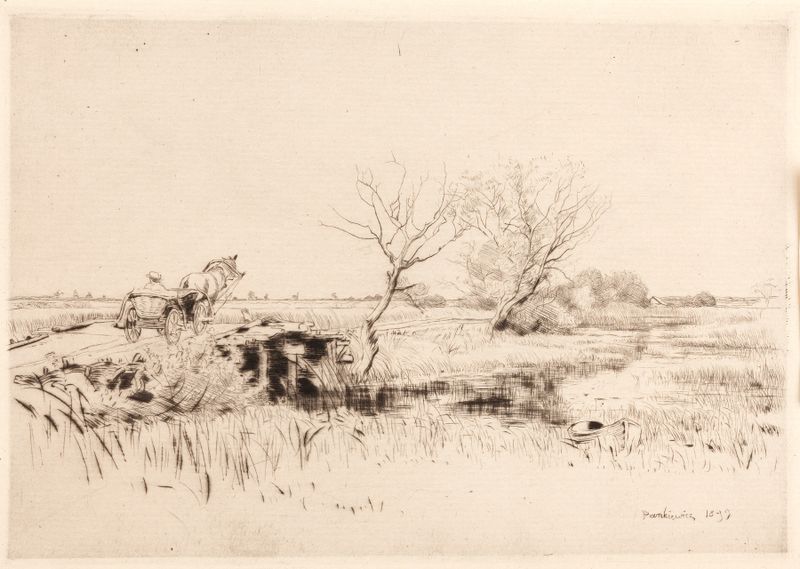
Pińsk Channel in Polesie I
Józef Pankiewicz
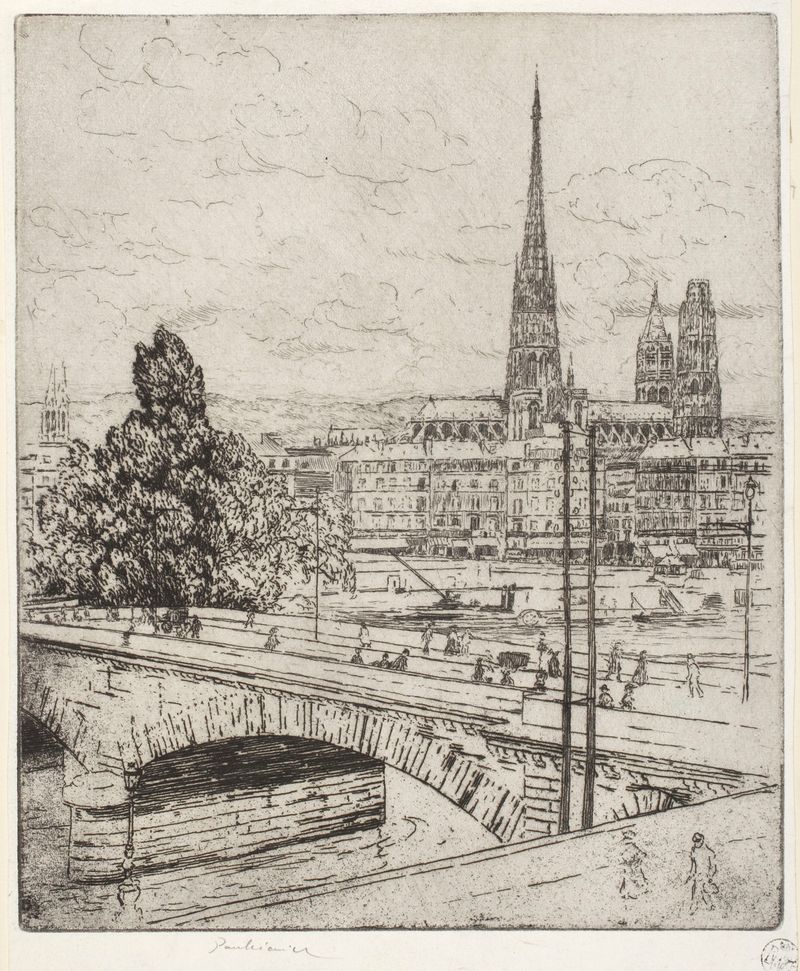
Pont Corneille in Rouen
Józef Pankiewicz
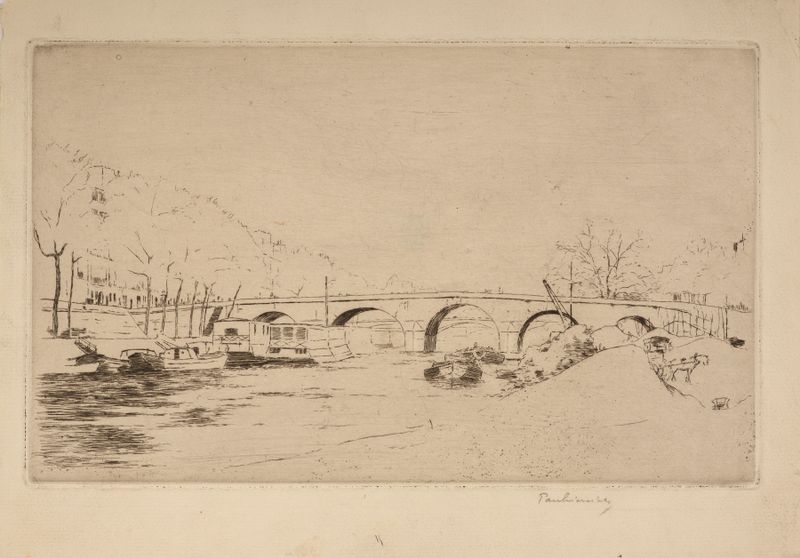
Pont Marie in Paris
Józef Pankiewicz

Rouen – portal from the Church of St Maclou
Józef Pankiewicz
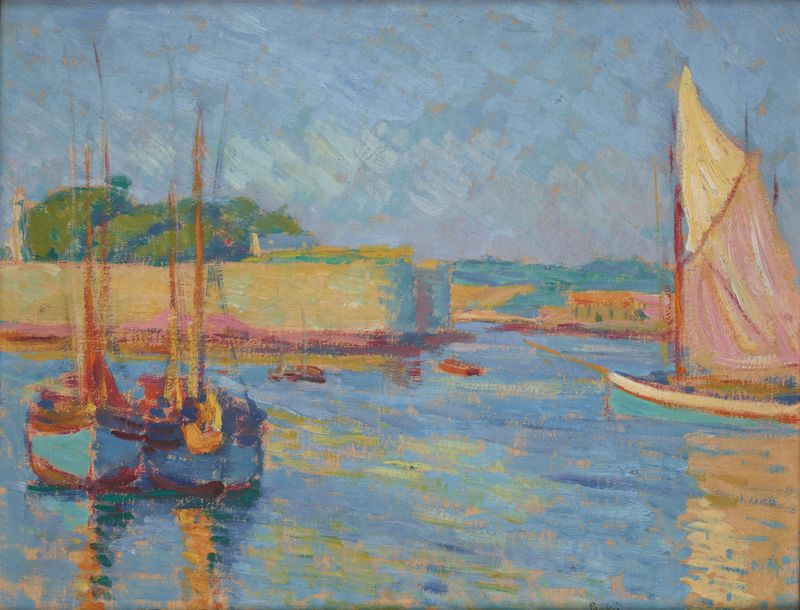
Harbour at Concarneau
Józef Pankiewicz
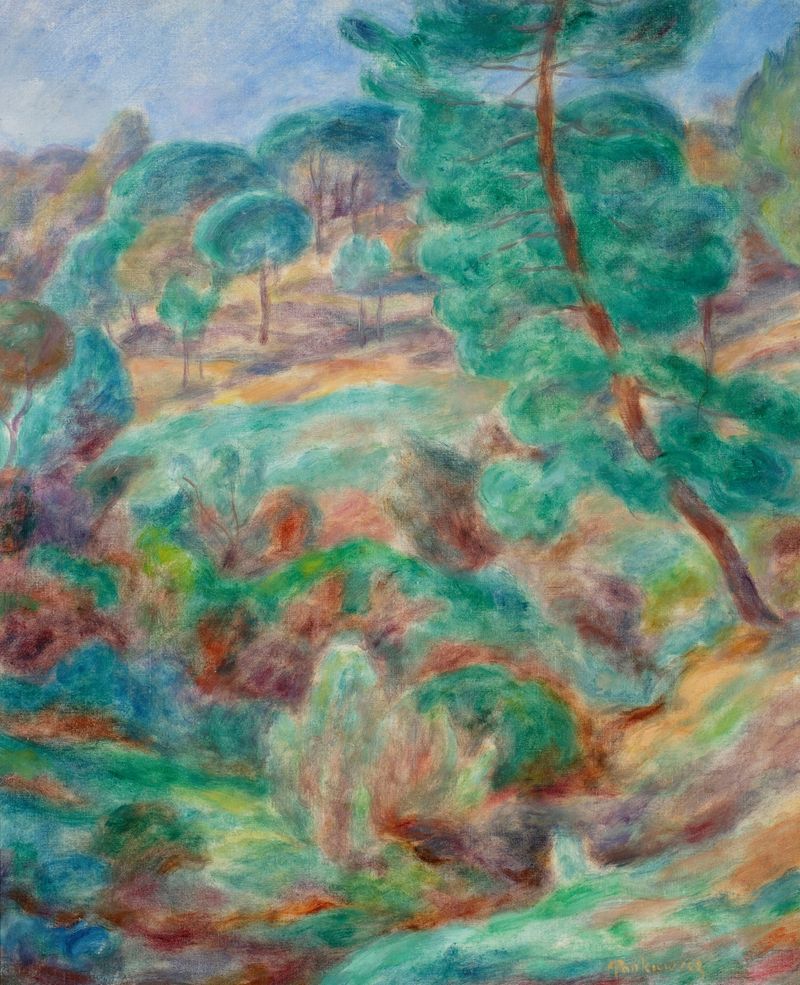
Landscape from Saint-Tropez – Stone pines
Józef Pankiewicz





