
Brienz — History & Facts
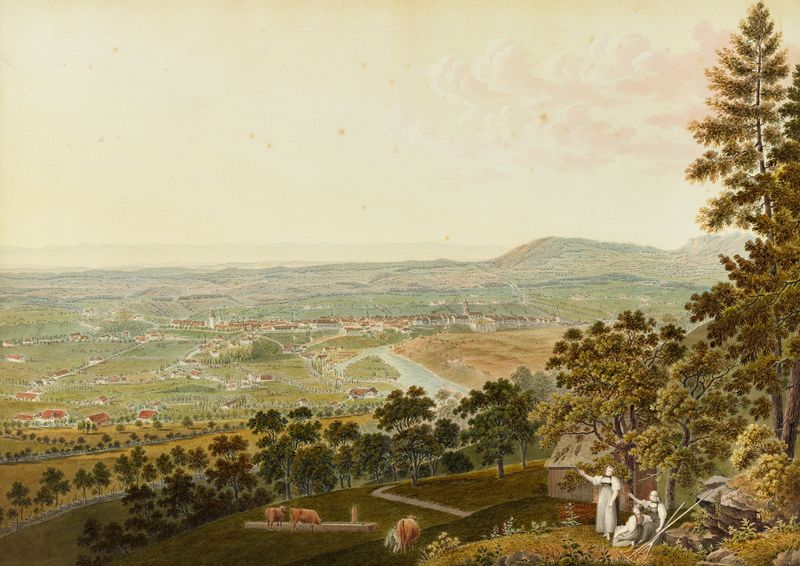
In a world teetering on the brink of revolution, art emerges not just as a reflection but as a force of transformation. Focus on the swirling forms that dominate the canvas, where vibrant strokes of blue and green collide and intertwine. Notice how the colors pulse with energy, creating a dynamic rhythm that draws your eye across the composition. The textured surface invites exploration, revealing deeper layers beneath the chaos, hinting at a turbulent yet hopeful narrative.
The interplay of light and shadow gives depth, suggesting both the tumult and the serenity that coexist in this striking vision. As you delve deeper, you may find the juxtaposition of wild, unrestrained brushwork against more controlled passages creates a dialogue between freedom and restraint. Perhaps the chaotic elements symbolize the brewing unrest of the time, while the grounded areas evoke stability and resilience. Each stroke seems to pulse with an emotional weight, a silent testament to the struggle between disruption and harmony that defines the era. Jakob Samuel Weibel created this work during a time when the art world was grappling with the effects of social and political change.
While the exact date of Brienz remains unknown, Weibel was active in the late 18th to early 19th centuries, a period marked by revolutionary ideas that sought to reshape society. His artwork reflects not only personal expression but also a broader commentary on the upheaval surrounding him, encapsulating the spirit of an age in flux.
More Artworks by Jakob Samuel Weibel
Browse all →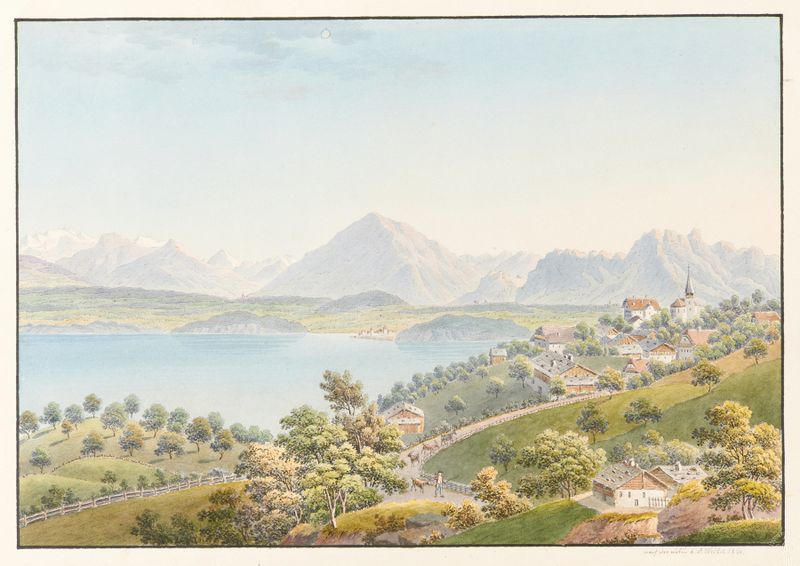
Vue dessiné depuis le Village de Sigriswil, audessus du Lac de Thoune
Jakob Samuel Weibel
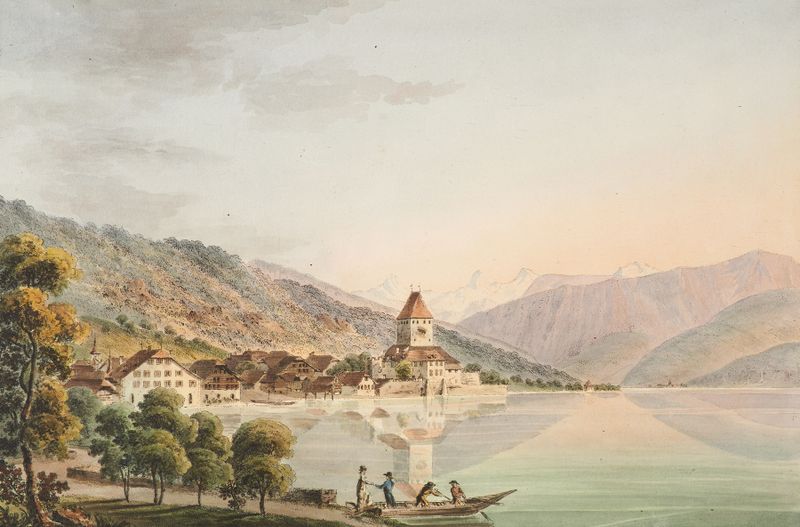
Vûe du Chateau d’Oberhofen au Lac de Thoune
Jakob Samuel Weibel
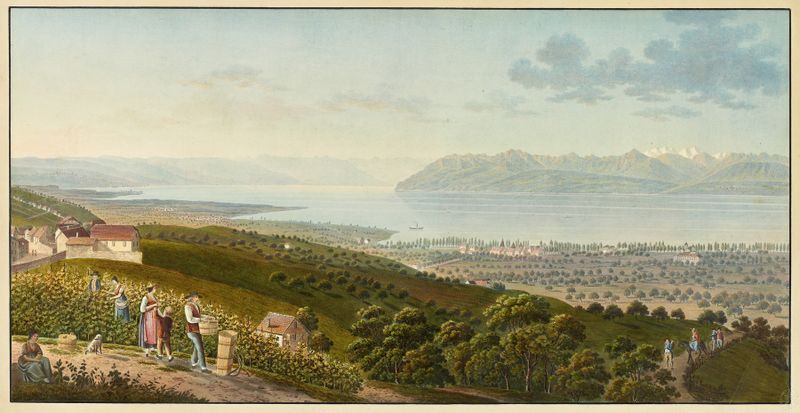
Vue genérale du Lac de Geneve
Jakob Samuel Weibel
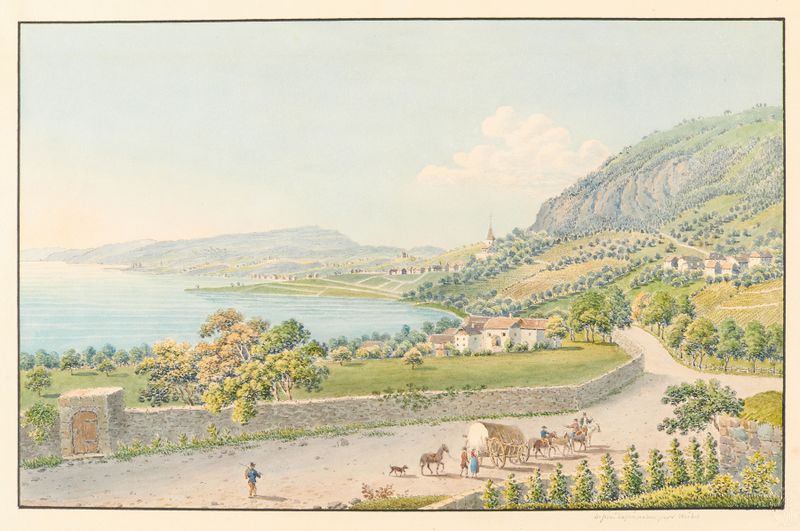
Vue des environs de Montreux et de Clarens
Jakob Samuel Weibel
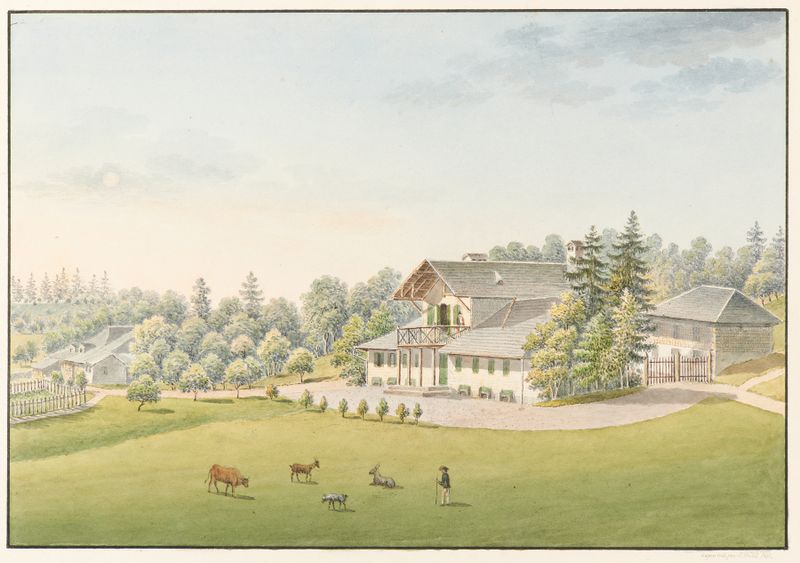
Vue du nouveau Châlet de Vernand
Jakob Samuel Weibel
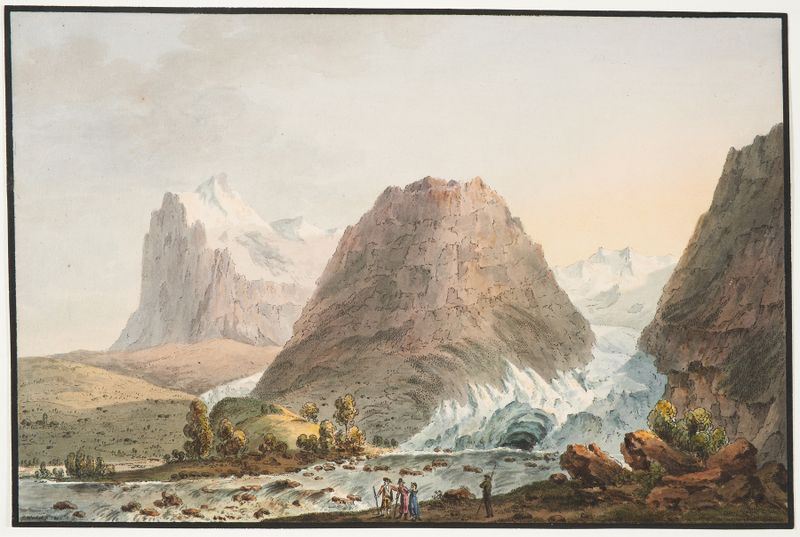
Vûe des Glacieres de Grindelwald
Jakob Samuel Weibel
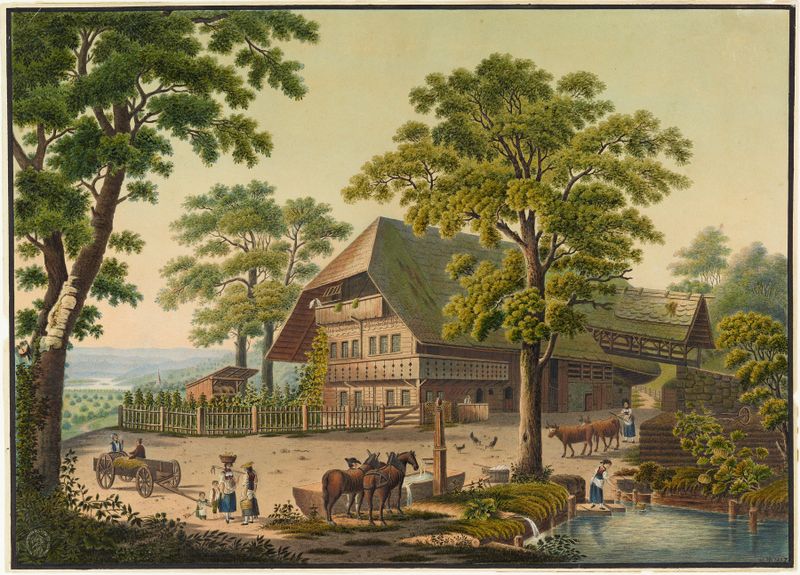
Maison de paysan près Wichtrach
Jakob Samuel Weibel
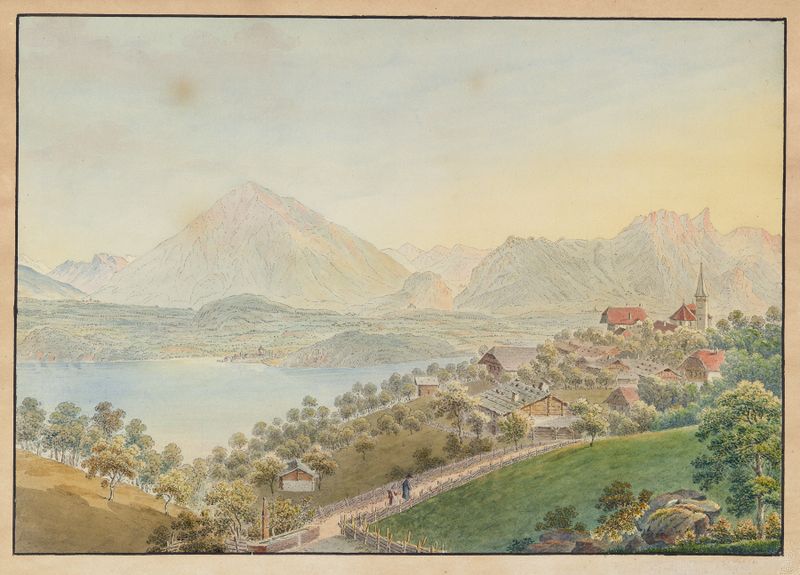
Ansicht von Sigriswil mit Niesen und Thunersee
Jakob Samuel Weibel
Ansicht Berns und der Aare vom Gurten aus
Jakob Samuel Weibel

Lausanne Ville capitale du Canton de Vaud
Jakob Samuel Weibel





