
Brittany Farm — History & Facts
Can beauty exist without sorrow? In the tender embrace of nature, a tranquil farm in Brittany reveals the fragile innocence that often rests alongside life's simple pleasures. Look to the left at the gentle swell of green fields, painted with soft strokes that invite the eye to wander. The sky, a delicate wash of blues and whites, wraps around the scene like a comforting blanket, while the quaint farmhouse, nestled quietly among the trees, beckons us closer. Notice how the light dances across the landscape, illuminating the textures of the grass and the warmth of the building, creating a sense of harmony and peace that feels almost palpable. Yet, within this idyllic scene, a tension simmers beneath the surface.
The solitude of the farmhouse reminds us of isolation, while the distant hills evoke a sense of longing for connection. The vibrant colors juxtaposed with the stillness of the moment hint at the duality of existence—where joy and melancholy coexist, and innocence is often intertwined with the inevitability of time's passage. In 1885, Arthur Wesley Dow was immersed in the aesthetic movements of his day, painting in Brittany while seeking to capture the essence of beauty through simplicity. This period marked a shift towards more personal interpretations of landscapes, reflecting a time when artists began exploring emotion and intuition in their work.
Dow's focus on composition and color during this phase not only marked his evolution but also contributed to the broader conversation in American art about the relationship between nature and the human experience.
More Artworks by Arthur Wesley Dow
Browse all →
In Ipswich Marshes (Sagamore Hill, Ipswich)
Arthur Wesley Dow

Desert Scene with Mountains
Arthur Wesley Dow

Boats at Rest
Arthur Wesley Dow
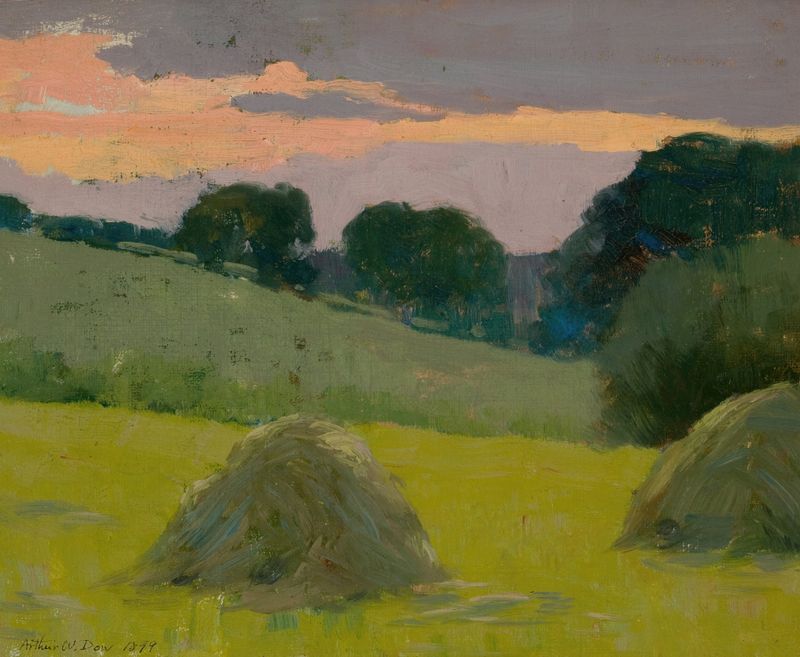
Haystacks
Arthur Wesley Dow

Brittany Field with Figure
Arthur Wesley Dow

A Maine Headland
Arthur Wesley Dow
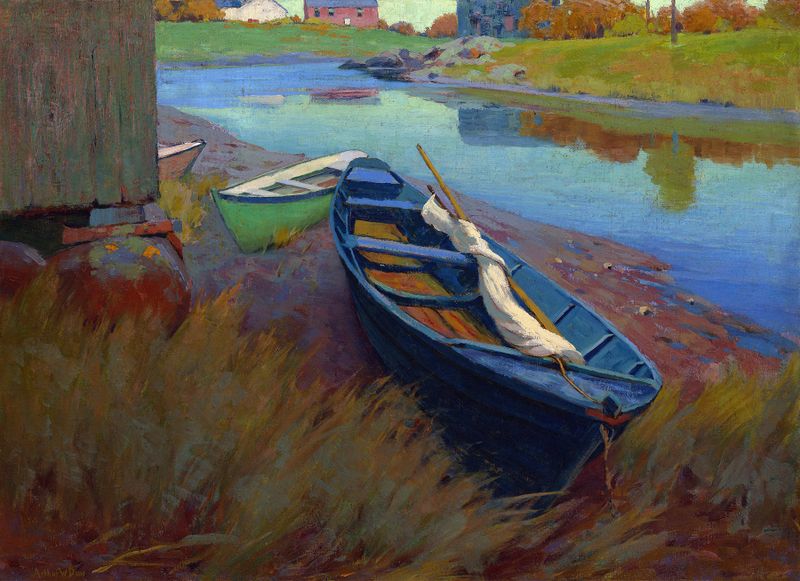
Boats at Rest
Arthur Wesley Dow

The Hill Field
Arthur Wesley Dow
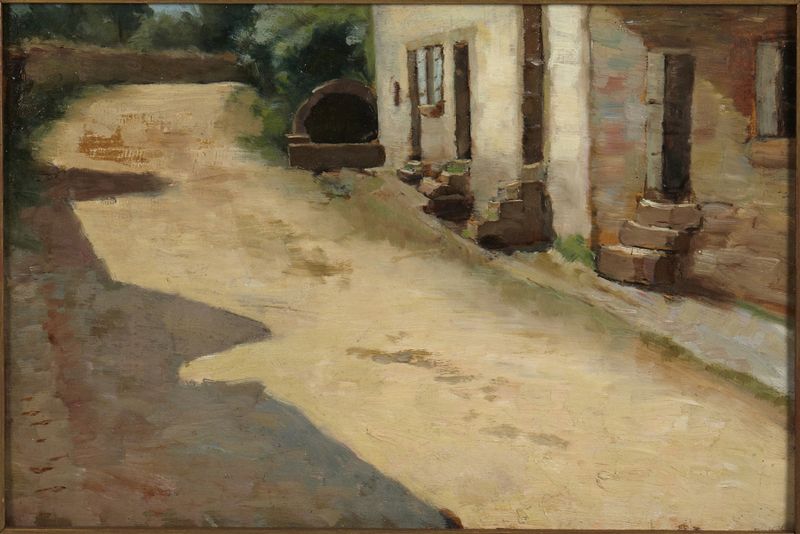
Rue Abbes Tanguy, Pont Aven
Arthur Wesley Dow
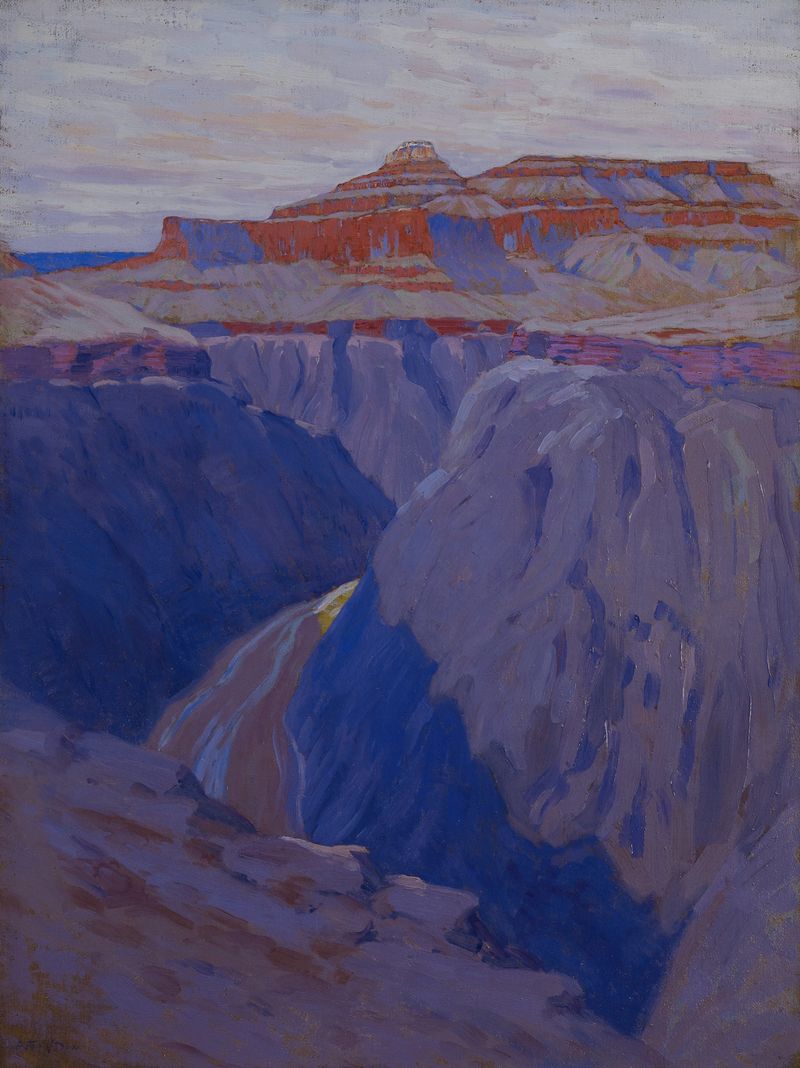
The Destroyer
Arthur Wesley Dow





