
In Ipswich Marshes (Sagamore Hill, Ipswich) — History & Facts
Did the painter know this moment would outlive them? In Ipswich Marshes captures a fleeting beauty, a snapshot of nature’s quiet majesty, forever fixed in oil and canvas, embodying the obsessive dedication of an artist immersed in his surroundings. Look to the left, where gentle strokes of green and amber weave together in the marsh grasses, swaying in a breeze untrammeled by the passage of time. Notice how the tranquil blues of the water pull the eye toward the horizon, reflecting the soft, diffused light of the day. The composition is anchored by a low horizon line, lending an expansive quality to the sky, while the painter's deliberate brushwork conveys movement and stillness in equal measure.
This balance creates an atmosphere of serene contemplation, creating a world both inviting and introspective. Beneath its calm exterior, the canvas pulsates with a tension between transience and permanence. Each blade of grass and ripple in the water holds a significance that speaks to the artist’s obsession with capturing the ephemeral essence of nature. The interplay of light and shadow suggests the duality of existence—fragility amidst the robust life of the marshes, evoking a sense of nostalgia for moments we cannot hold onto.
This emotional depth resonates through the work, inviting viewers to reflect on their own encounters with beauty and time. In 1910, Arthur Wesley Dow created this piece in Ipswich, Massachusetts, during a period when American art was increasingly exploring themes of nature and impressionism. Dow was deeply influenced by Japanese aesthetics and the Arts and Crafts movement, which encouraged an appreciation for the beauty in everyday life. This development in his artistic practice marked a significant shift in his career, demonstrating not only his growing mastery of technique but also his enduring commitment to the natural world.
More Artworks by Arthur Wesley Dow
Browse all →
Desert Scene with Mountains
Arthur Wesley Dow

Boats at Rest
Arthur Wesley Dow
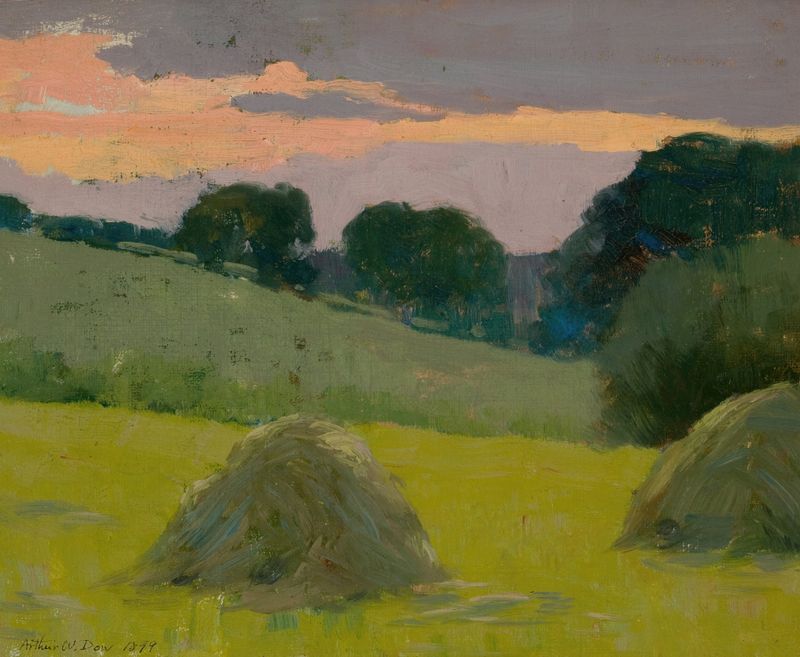
Haystacks
Arthur Wesley Dow

Brittany Field with Figure
Arthur Wesley Dow

A Maine Headland
Arthur Wesley Dow
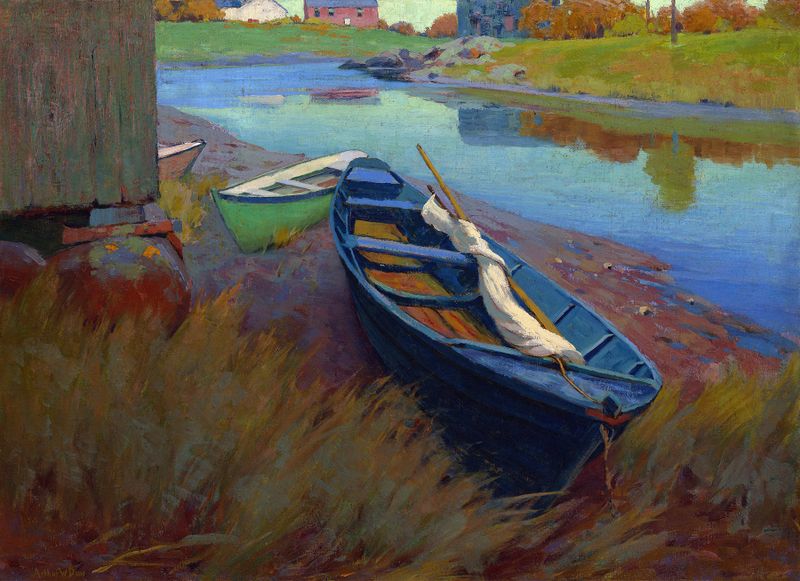
Boats at Rest
Arthur Wesley Dow

The Hill Field
Arthur Wesley Dow

Brittany Farm
Arthur Wesley Dow
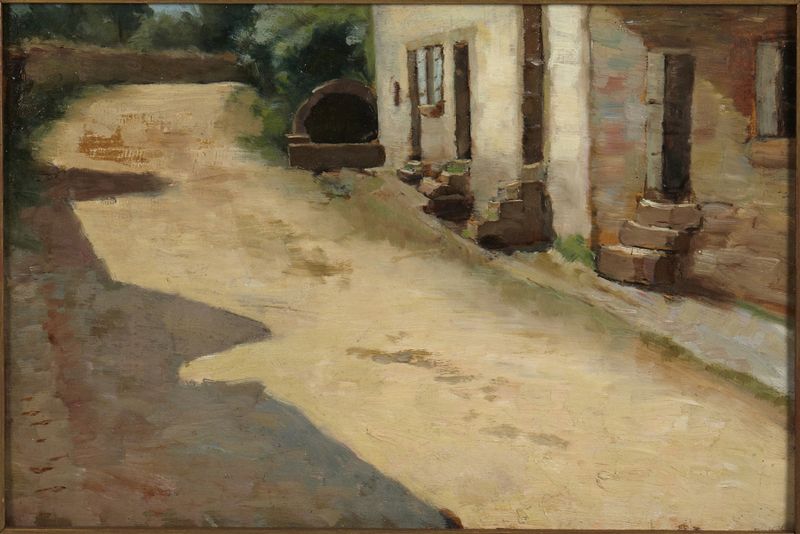
Rue Abbes Tanguy, Pont Aven
Arthur Wesley Dow
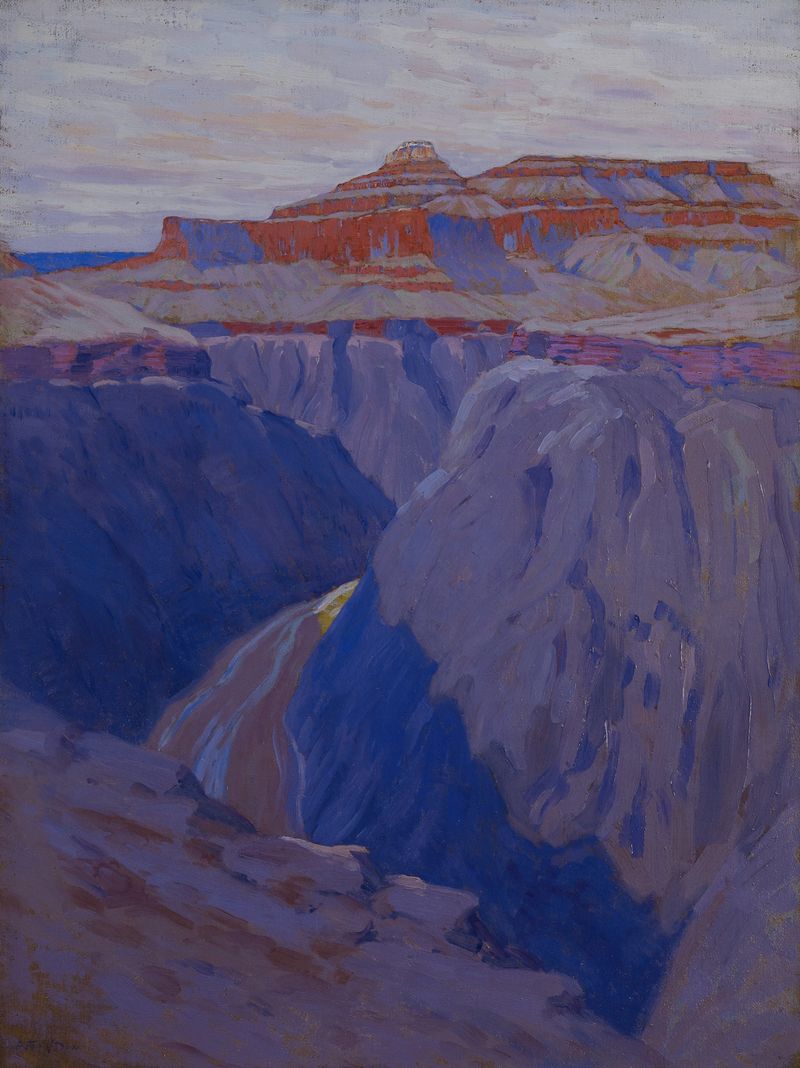
The Destroyer
Arthur Wesley Dow





