
Boats at Rest — History & Facts
Where does light end, and longing begin? In Boats at Rest, a serene landscape reveals a poignant stillness that invites contemplation of loss and memory. Look to the left at the array of gently bobbing boats, their silhouettes softened by an ethereal haze. The muted palette of blues and greens evokes a sense of calm, while the shimmering reflection on the water suggests a moment suspended in time. Notice how the delicate brushwork captures the dappled sunlight filtering through wispy clouds, creating a tranquil atmosphere that contrasts with the underlying emotional weight of waiting and absence. The composition subtly juxtaposes the vibrant life of the boats against the quiet, empty shoreline, symbolizing a yearning for connection.
Each vessel, anchored yet free-spirited, hints at untold stories and dreams deferred. This interplay of light and shadow evokes a sense of nostalgia, as if the viewer is peering into a scene filled with unspoken farewells. The tranquility of the landscape resonates with the ache of grief, transforming the peaceful waters into an emblem of longing. In 1895, during a period marked by a burgeoning interest in impressionism, the artist created this reflective piece while living in the United States, where the art scene was rapidly evolving.
Dow’s exploration of color and form was influenced by both Japanese aesthetics and the rich natural surroundings of New England. It was a time of personal exploration and artistic development for him, as he sought to infuse his work with emotional depth and a harmonious relationship between nature and human experience.
More Artworks by Arthur Wesley Dow
Browse all →
In Ipswich Marshes (Sagamore Hill, Ipswich)
Arthur Wesley Dow

Desert Scene with Mountains
Arthur Wesley Dow
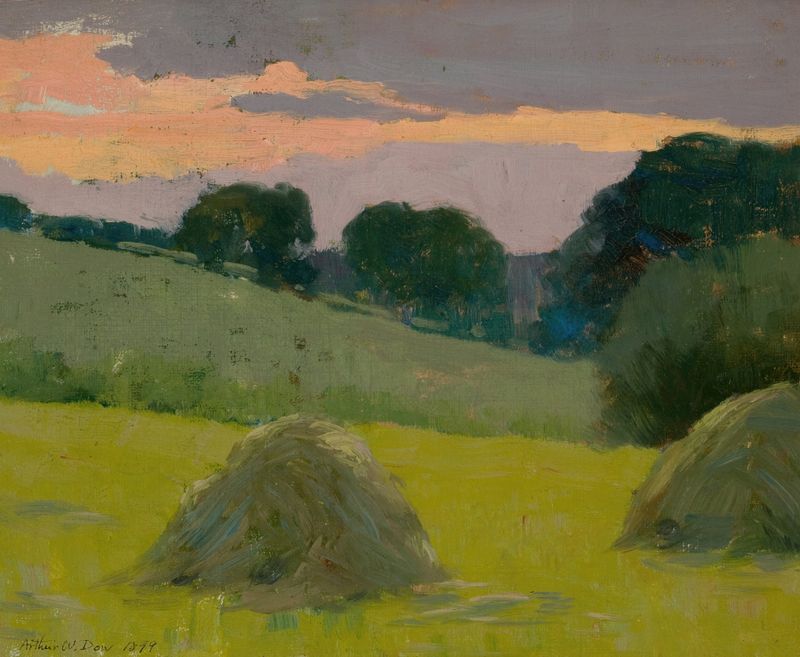
Haystacks
Arthur Wesley Dow

Brittany Field with Figure
Arthur Wesley Dow

A Maine Headland
Arthur Wesley Dow
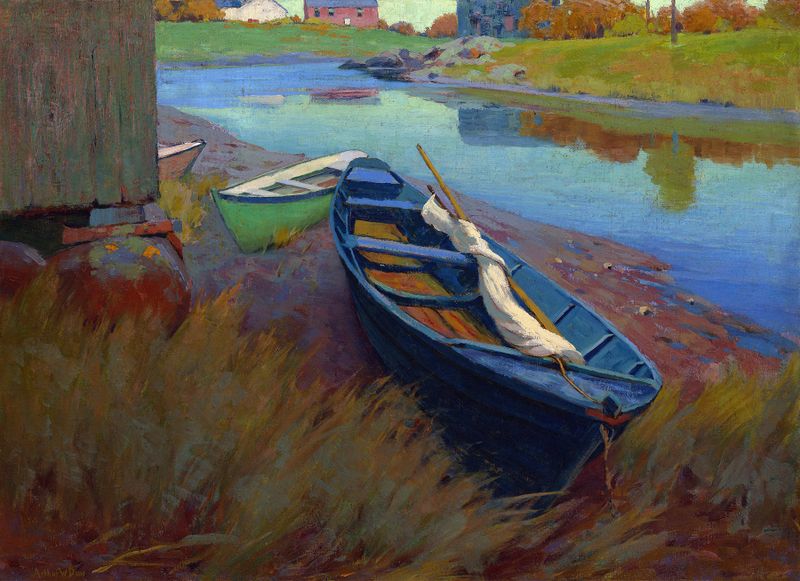
Boats at Rest
Arthur Wesley Dow

The Hill Field
Arthur Wesley Dow

Brittany Farm
Arthur Wesley Dow
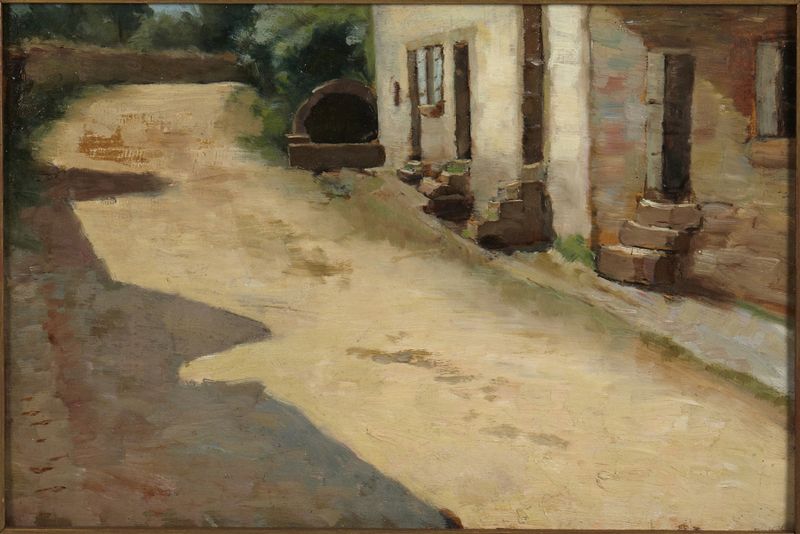
Rue Abbes Tanguy, Pont Aven
Arthur Wesley Dow
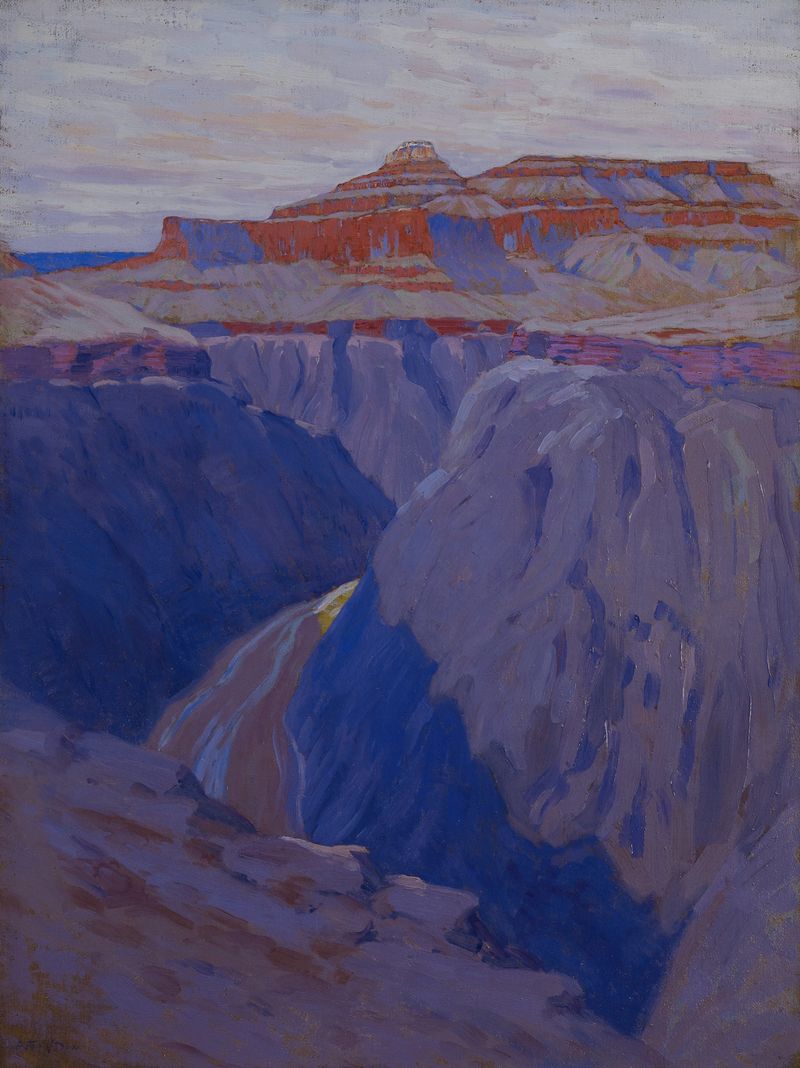
The Destroyer
Arthur Wesley Dow





