
The Hill Field — History & Facts
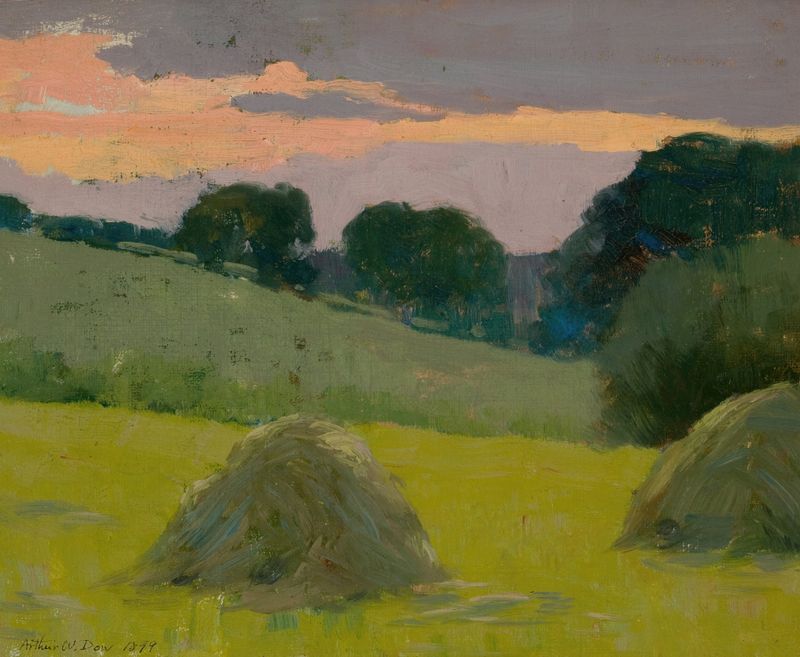
In The Hill Field, a serene expanse unfolds, inviting reflection on the passage of time and the cycle of life. A stillness lingers within the landscape, echoing the quiet moments where nature breathes, and humanity contemplates its existence against the vast canvas of the earth. Look to the left, where the gentle undulations of the hill invite your eye to explore its textured surface, a symphony of greens and golds. Notice how the soft light bathes the field, accentuating each stroke with a palpable warmth that seems to pulse with life.
The harmonious composition pulls us inward, as the foliage sways ever so slightly, suggesting an unseen breeze that carries whispers of the past. Here, the artist’s mastery of color and form evokes both tranquility and an underlying urgency, reminding us of the world’s transient beauty. Delve deeper into the interplay of shadow and light; each contrast symbolizes life’s fleeting moments. The vibrant hues speak to growth, while the muted tones hint at decay, creating a dialogue between vitality and mortality.
This duality resonates across the canvas, urging viewers to reflect on their own existence and the ephemeral nature of all things, reminding us that within every flourishing field lies the potential for change and transformation. Created between 1908 and 1910, this piece reflects Arthur Wesley Dow's commitment to capturing the essence of American landscapes during a period when artists were moving toward a more personal interpretation of nature. It was an era marked by the Arts and Crafts movement, where the integration of beauty and craftsmanship began to take precedence, shaping the principles that Dow held dear as he painted this poignant depiction of life’s cycles.
More Artworks by Arthur Wesley Dow
Browse all →
In Ipswich Marshes (Sagamore Hill, Ipswich)
Arthur Wesley Dow

Desert Scene with Mountains
Arthur Wesley Dow

Boats at Rest
Arthur Wesley Dow
Haystacks
Arthur Wesley Dow

Brittany Field with Figure
Arthur Wesley Dow

A Maine Headland
Arthur Wesley Dow
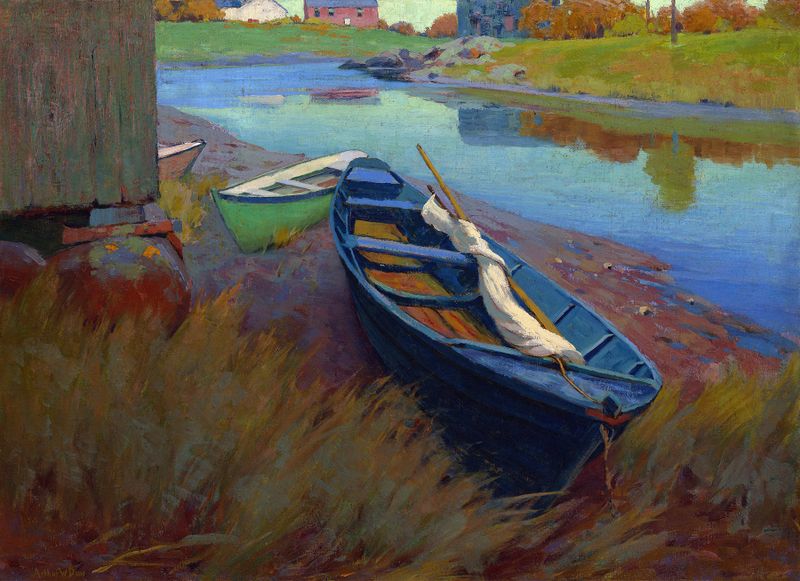
Boats at Rest
Arthur Wesley Dow

Brittany Farm
Arthur Wesley Dow
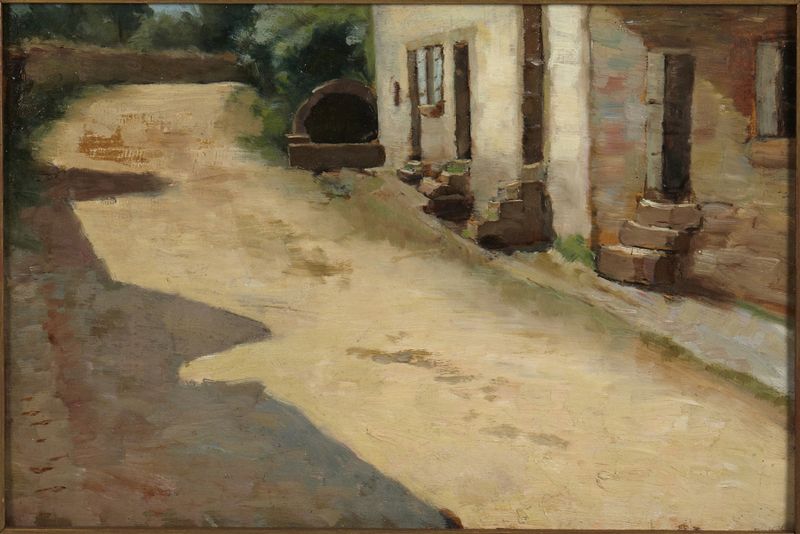
Rue Abbes Tanguy, Pont Aven
Arthur Wesley Dow
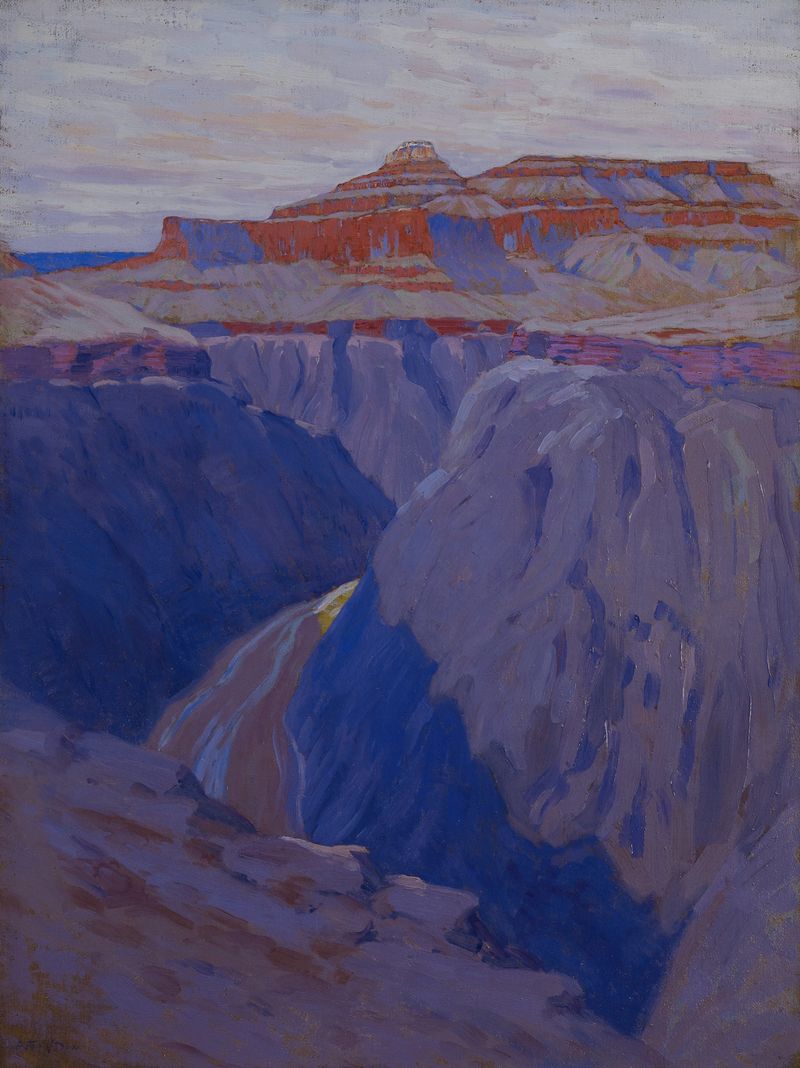
The Destroyer
Arthur Wesley Dow





