
Brittany Field with Figure — History & Facts
In the stillness of a landscape, the void reveals a deep longing, a search for connection that reverberates through time and space. Look to the left at the figure standing amidst the vast expanse of the Brittany field. The soft, earthy tones of the grass, kissed by sunlight, create a warm embrace around the solitary silhouette. Notice how the gentle hues of green meld seamlessly into the sky's tender blues, blurring the boundaries between earth and heaven.
This deliberate interplay of color and form draws the eye inward, inviting contemplation about solitude and presence. As you navigate the painting, consider the contrast between the figure's stillness and the dynamic, swirling energy of the landscape. The rhythm of the brushstrokes captures the pulse of nature, while the figure, almost ghostly in its quietude, embodies a profound emptiness. This relationship hints at themes of isolation and connection, urging viewers to ponder the emotional void that can exist even amidst beauty.
Each element, meticulously crafted, serves as a reminder of what is both seen and unseen. Arthur Wesley Dow painted this work in 1889, during a transformative period in his artistic journey. Living in the heart of New England and deeply influenced by Japanese aesthetics, he sought to break away from traditional representation and embrace a more personal expression of landscape. This painting reflects his innovative approach, as he navigated the shift towards modernism while exploring the intricate relationship between humanity and the natural world.
More Artworks by Arthur Wesley Dow
Browse all →
In Ipswich Marshes (Sagamore Hill, Ipswich)
Arthur Wesley Dow

Desert Scene with Mountains
Arthur Wesley Dow

Boats at Rest
Arthur Wesley Dow
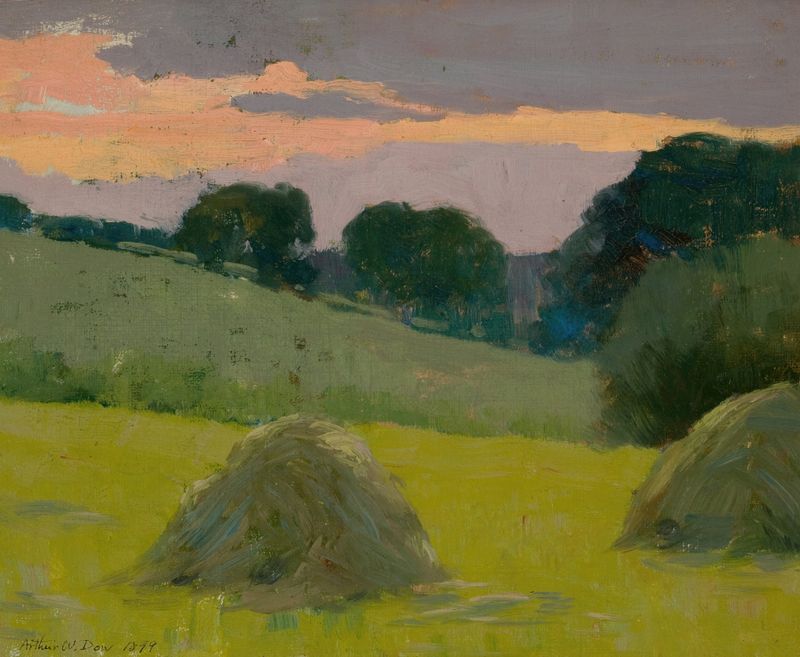
Haystacks
Arthur Wesley Dow

A Maine Headland
Arthur Wesley Dow
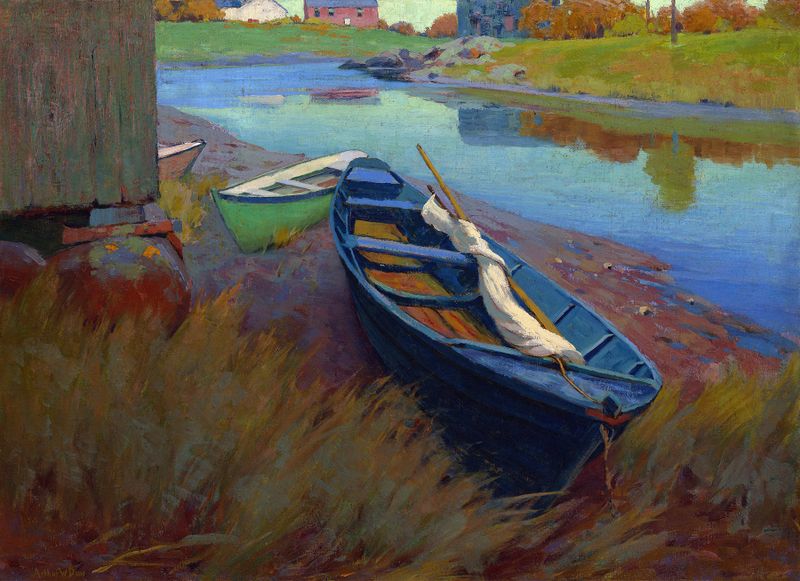
Boats at Rest
Arthur Wesley Dow

The Hill Field
Arthur Wesley Dow

Brittany Farm
Arthur Wesley Dow
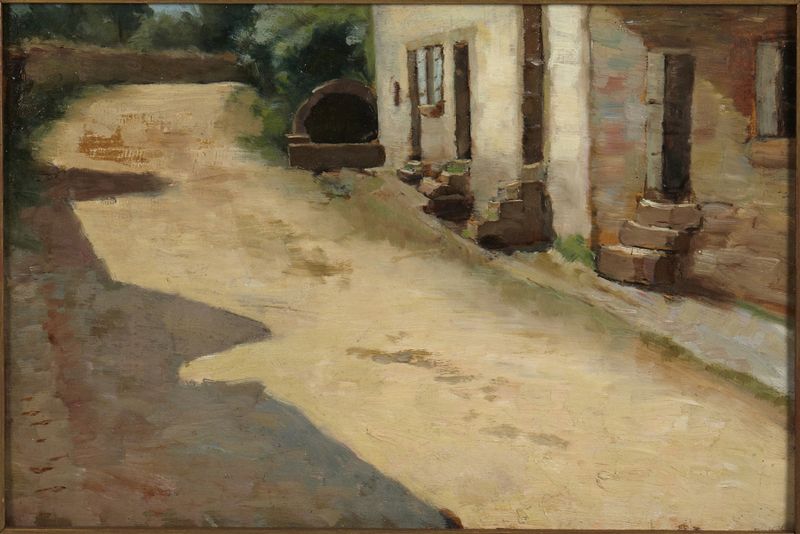
Rue Abbes Tanguy, Pont Aven
Arthur Wesley Dow
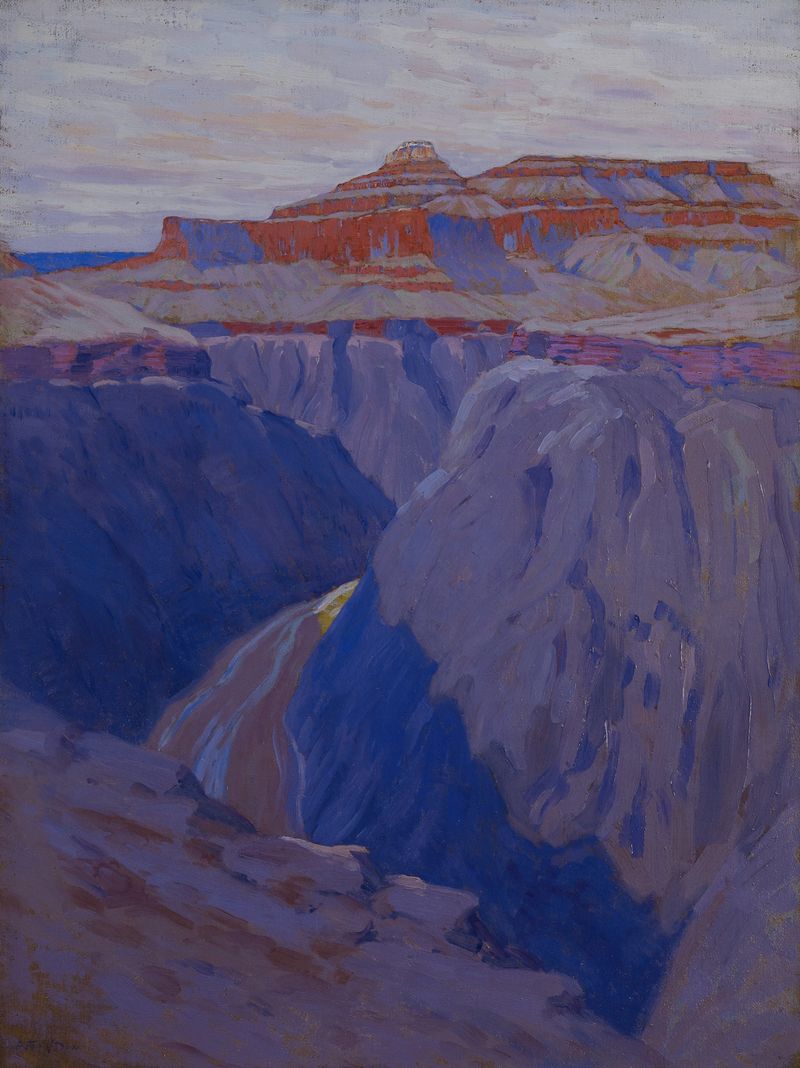
The Destroyer
Arthur Wesley Dow





