
Brittany Landscape — History & Facts
What secret hides in the quiet of the canvas? The stillness of Brittany Landscape invites us to reflect—inviting contemplation amidst the vibrant hues and textured brushstrokes. Focus on the rich greens and muted earth tones that dominate the scene, conveying the essence of the Breton countryside. Notice how the undulating hills, painted with layered strokes, rise and fall gently, leading the eye toward the horizon. The play of light and shadow creates an atmosphere that oscillates between serenity and introspection, suggesting the presence of untold stories hidden in the quiet landscape. Beneath the surface, contrasts emerge; the vivid yellows of the fields juxtapose the deep blues of the sky, symbolizing the harmony and tension inherent in nature.
The placement of the small figures, dwarfed by the expansive scenery, hints at the relationship between humanity and the vast, unyielding landscape. The painter’s choice to simplify forms speaks to a deeper emotional resonance, as if urging viewers to delve into their own reflections on place and belonging. In 1888, while in Brittany, Gauguin sought a retreat from the modern world and its complexities, embracing the simplicity and raw beauty of rural life. This period marked a significant turn in his artistic journey, as he moved away from the Impressionist style toward bolder colors and symbolic content.
Set against the backdrop of an evolving art world, Brittany Landscape encapsulates his quest for profound meaning amidst the quietude of the natural world.
More Artworks by Paul Gauguin
Browse all →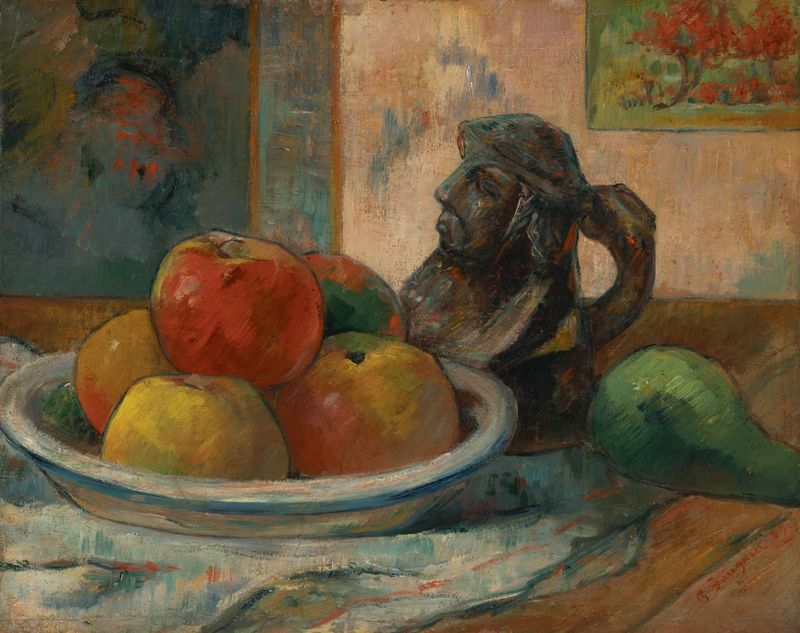
Still Life with Apples, a Pear, and a Ceramic Portrait Jug
Paul Gauguin
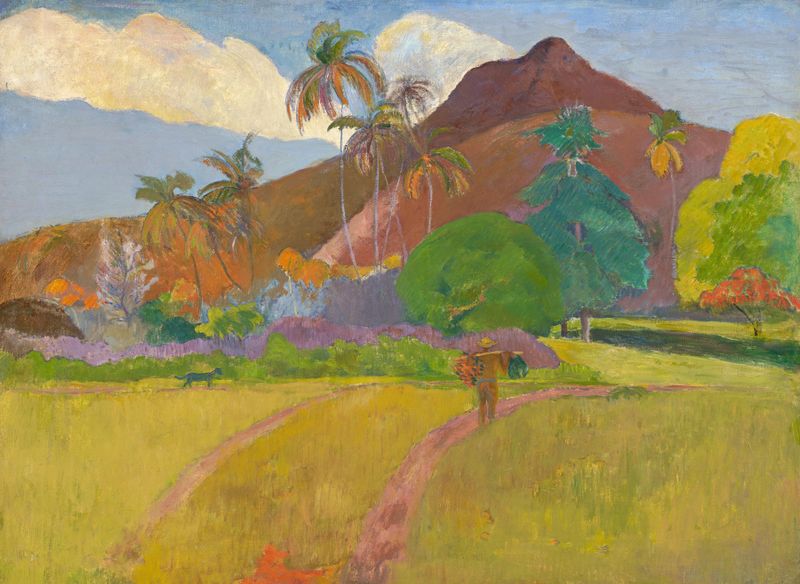
Tahitian Landscape
Paul Gauguin

Landscape near Pont-Aven
Paul Gauguin

No te aha oe riri (Why Are You Angry?)
Paul Gauguin
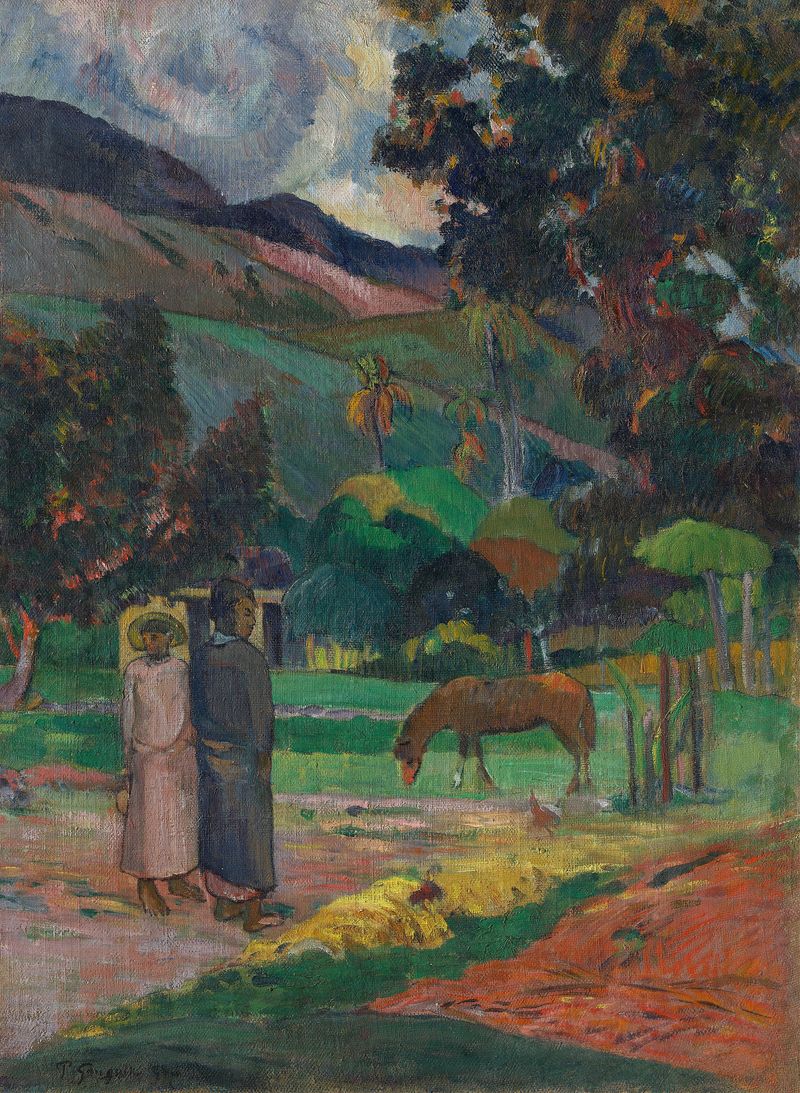
Tahitian Landscape
Paul Gauguin
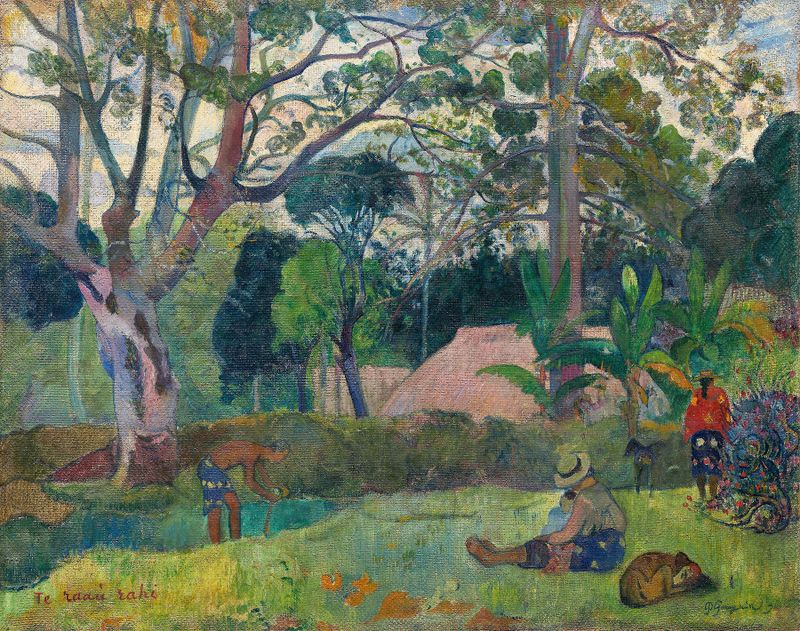
Te raau rahi (The Big Tree)
Paul Gauguin

Landscape at Le Pouldu
Paul Gauguin

Landscape of Brittany
Paul Gauguin

Poèmes Barbares
Paul Gauguin
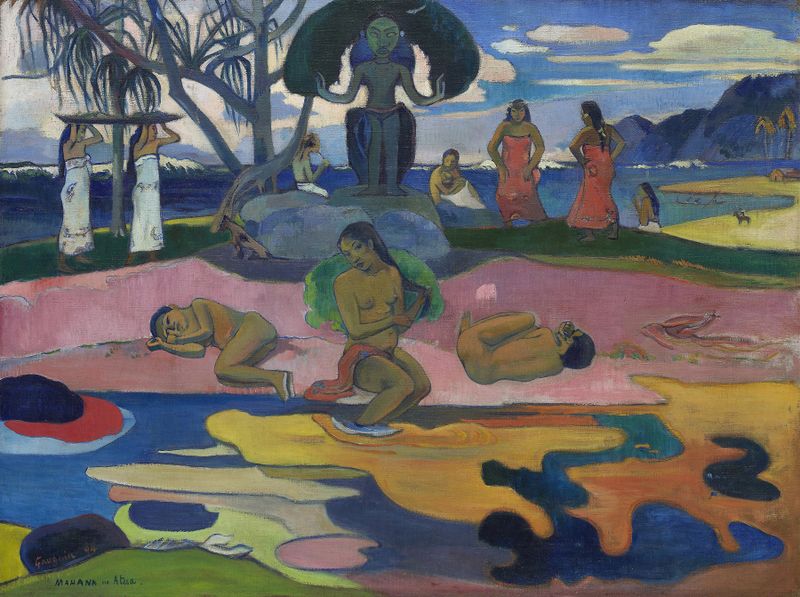
Mahana no atua (Day of the God)
Paul Gauguin





