
Brood Mare and Third Foal, with Marks of Quagga — History & Facts
In Brood Mare and Third Foal, with Marks of Quagga, we see a brood mare and her foal in a natural setting. The colors are earthy, with browns and greens dominating the landscape. The mare's coat features unique markings reminiscent of a quagga, adding an intriguing detail.
The foal stands close, embodying the bond between mother and child. The painting is executed in oil on canvas, showcasing Smith's attention to detail in the animals' anatomy and textures. The realistic portrayal of the mare and foal captures their physical characteristics accurately. The background is softly rendered, allowing the figures to stand out.
The use of light and shadow enhances the three-dimensionality of the scene. Charles Hamilton Smith was known for his depictions of animals, particularly horses. This work reflects his interest in natural history and the unique characteristics of different breeds. An interesting fact about this painting is its focus on the quagga markings, which highlight Smith's fascination with extinct species.
His works often served both artistic and scientific purposes, bridging the gap between art and zoology.
More Artworks by Charles Hamilton Smith

Marengo, Bonaparte’s Arab
Charles Hamilton Smith
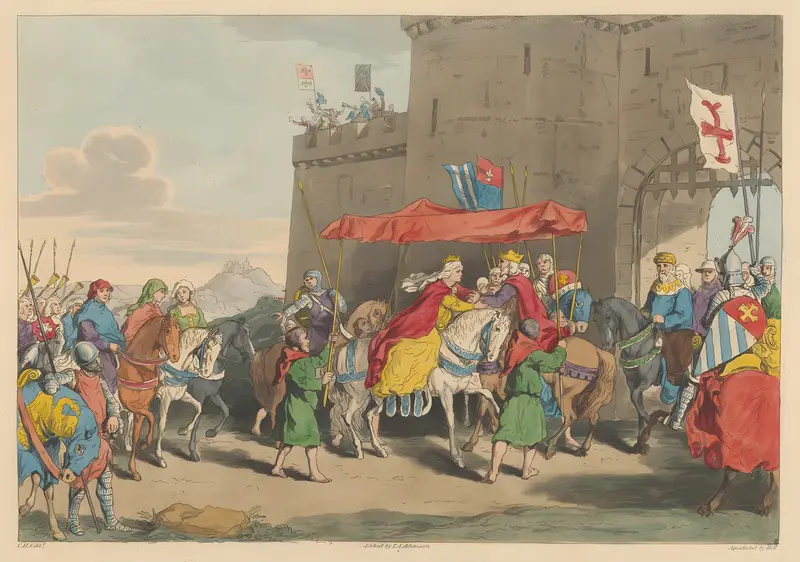
Costume of the Reign of King Henry III
Charles Hamilton Smith
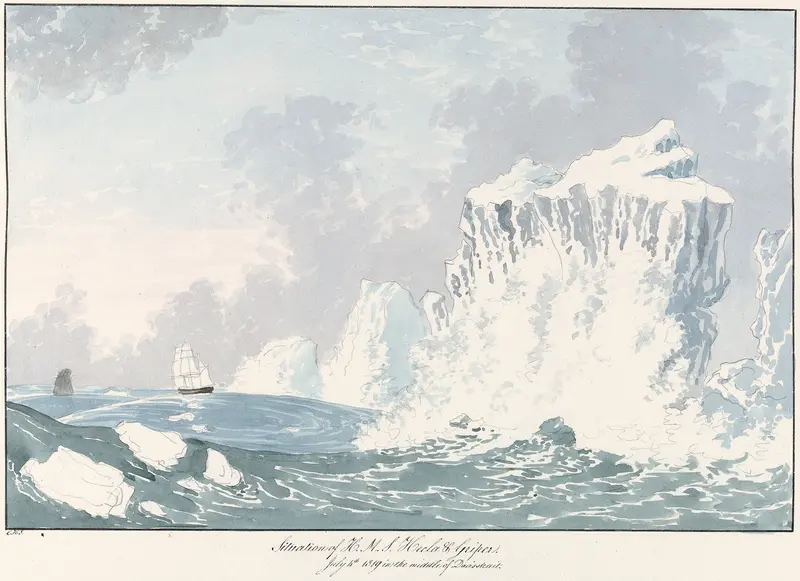
Situation of H.M.S. Hecla & Griper
Charles Hamilton Smith
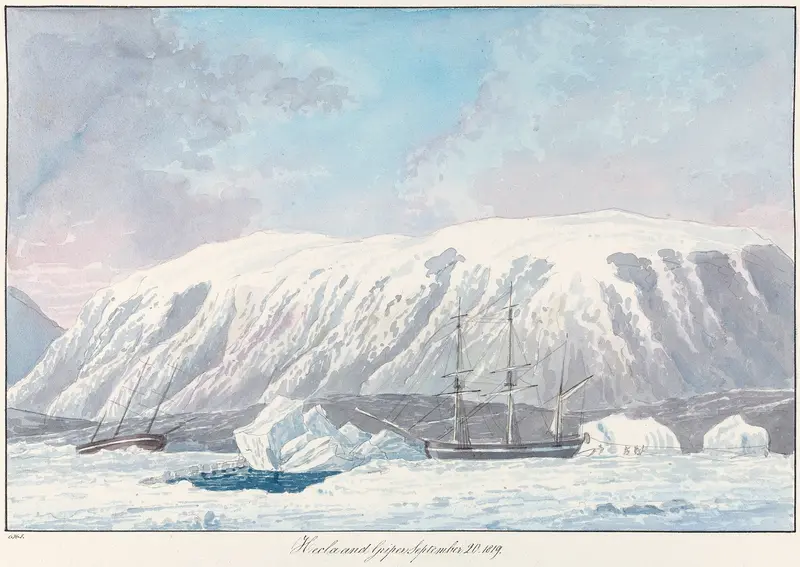
Hecla and Griper
Charles Hamilton Smith
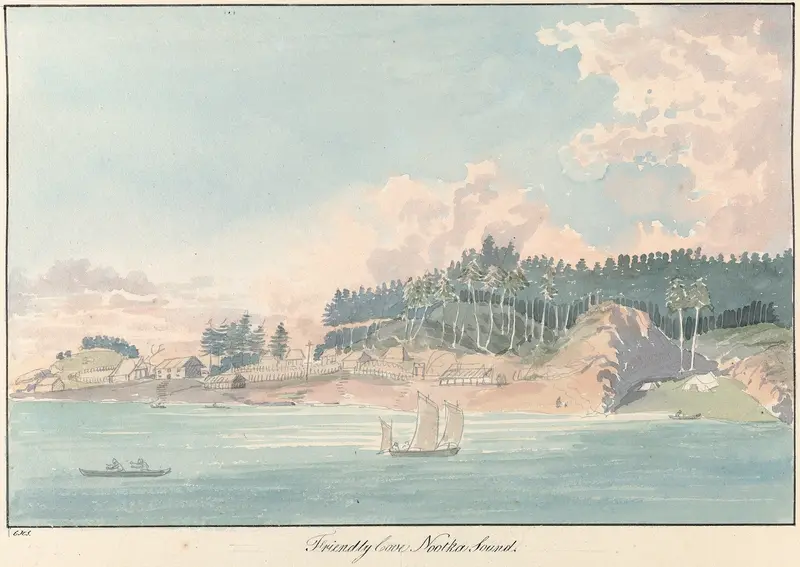
Friendly Cove, Nootka Sound
Charles Hamilton Smith
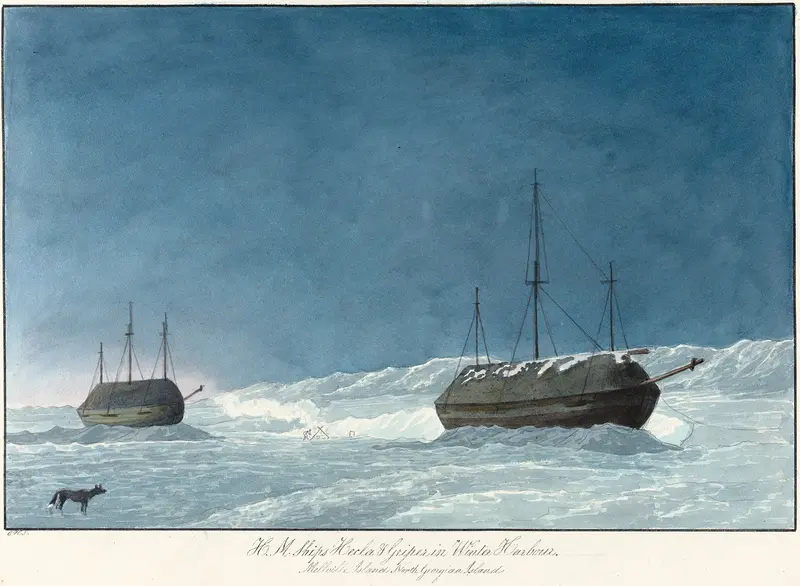
H. M. Ships Hecla and Griper in Winter Harbour
Charles Hamilton Smith
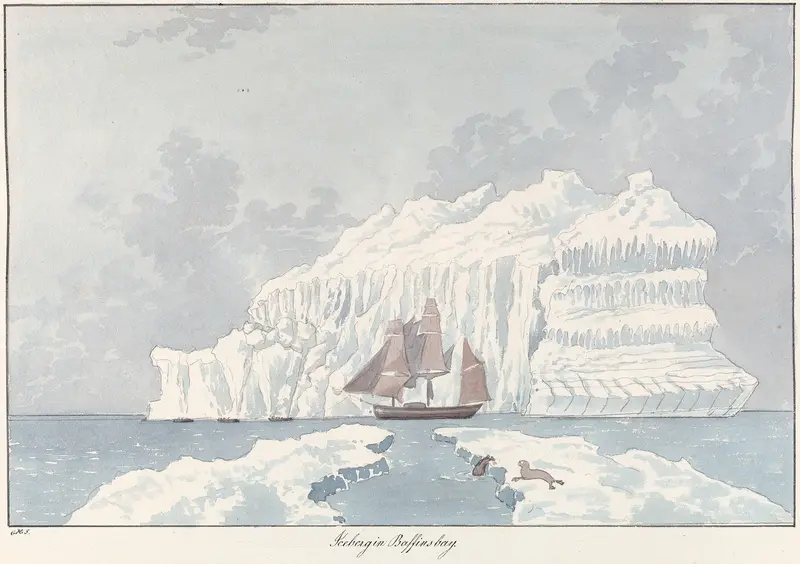
Iceberg in Baffin’s Bay
Charles Hamilton Smith
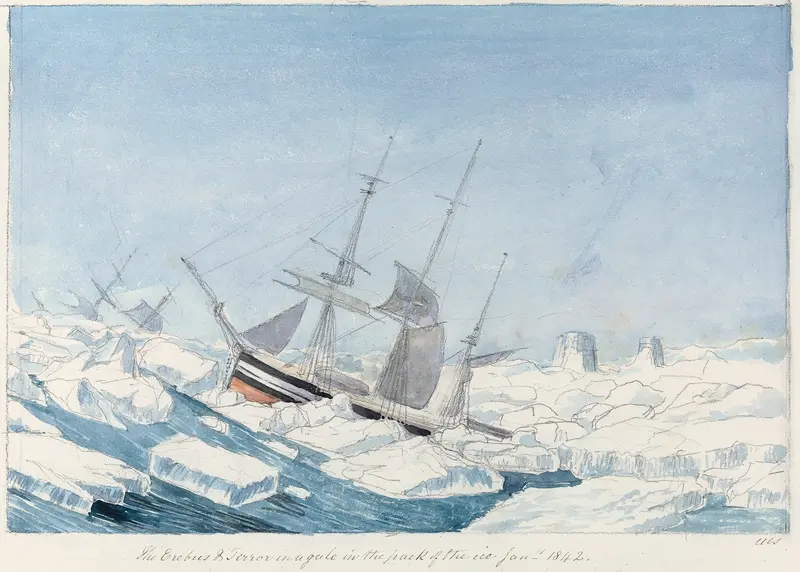
The Erebus & Terror in a Gale in the Pack of the Ice
Charles Hamilton Smith
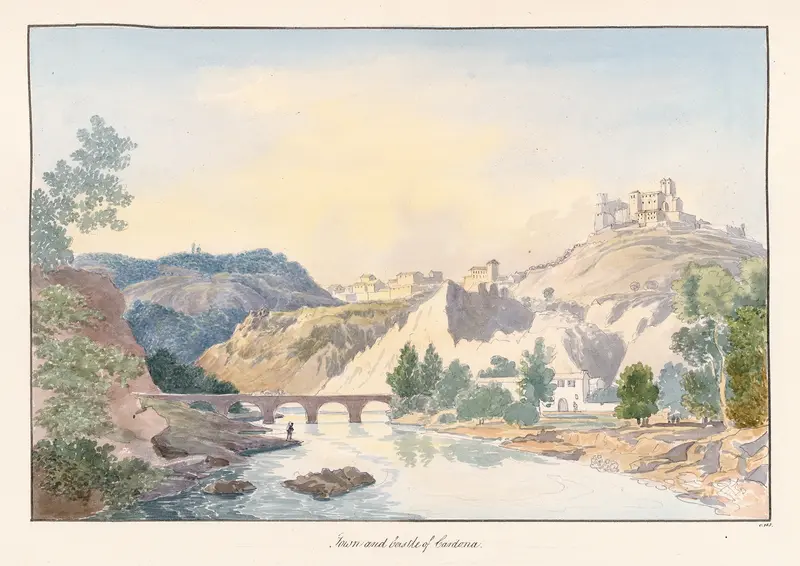
Town and Castle of Cardona
Charles Hamilton Smith
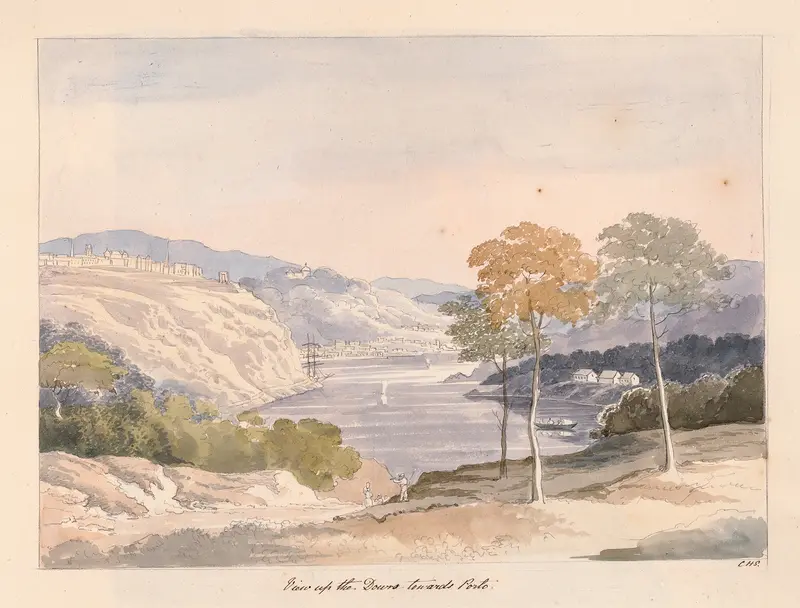
View of the Douro towards Porto
Charles Hamilton Smith





