Broom in bloom on Brioni — History & Facts
What secret hides in the quiet of the canvas? In a world of illusion, the brush can weave a tapestry that teeters on the brink of reality and imagination. Look to the left at the vibrant bursts of floral hues, where delicate blooms create a rich tapestry against a dreamy backdrop. The artist’s technique shines in the way he captures light filtering through foliage, casting flickering shadows that dance upon the ground. The soft, swirling brush strokes give a sense of motion, as if the flowers themselves are swaying gently in the breeze.
Each stroke, carefully placed, invites the viewer to explore the depth and texture of this serene garden scene. Delve deeper, and you’ll uncover layers of emotional tension within the painting. The juxtaposition of vibrant colors against the muted tones of the sky suggests a fleeting moment—one that may soon be lost, evoking a sense of nostalgia. The broom serves not just as a tool but as a symbol of the transitory nature of beauty and the mundane.
In this tranquil setting, one senses a quiet yearning, an echo of life’s impermanence captured in the stillness. Hugo Charlemont painted Broom in bloom on Brioni in 1912 during a period marked by personal reflection and artistic evolution. Living in Vienna and surrounded by the vibrant art scene, he was influenced by the Impressionist movement while seeking to develop his unique style. This piece reflects a moment in time when Charlemont was finding balance between realism and abstraction, exploring nature's beauty alongside the complexities of human emotion.
More Artworks by Hugo Charlemont
Browse all →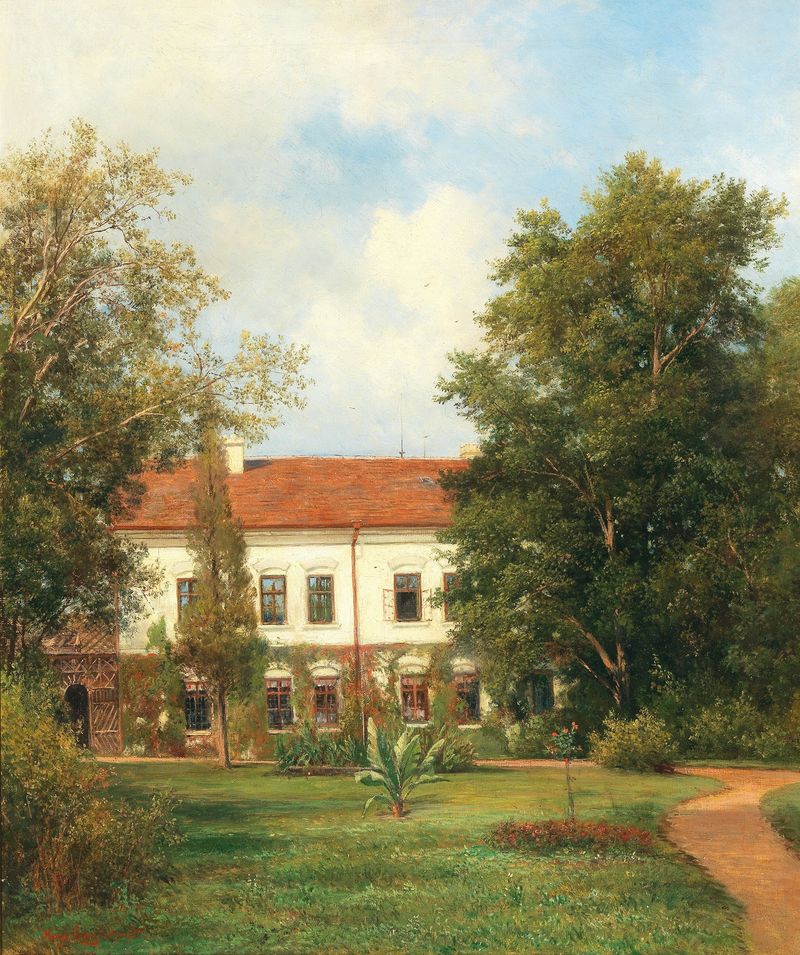
View of a Castle in Bohemia
Hugo Charlemont
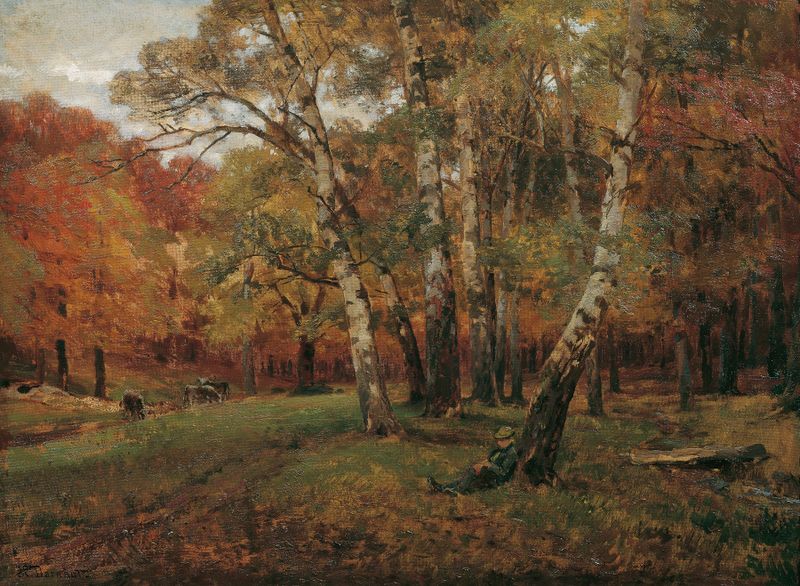
Die Ruine Starhemberg im Piestingtal
Hugo Charlemont
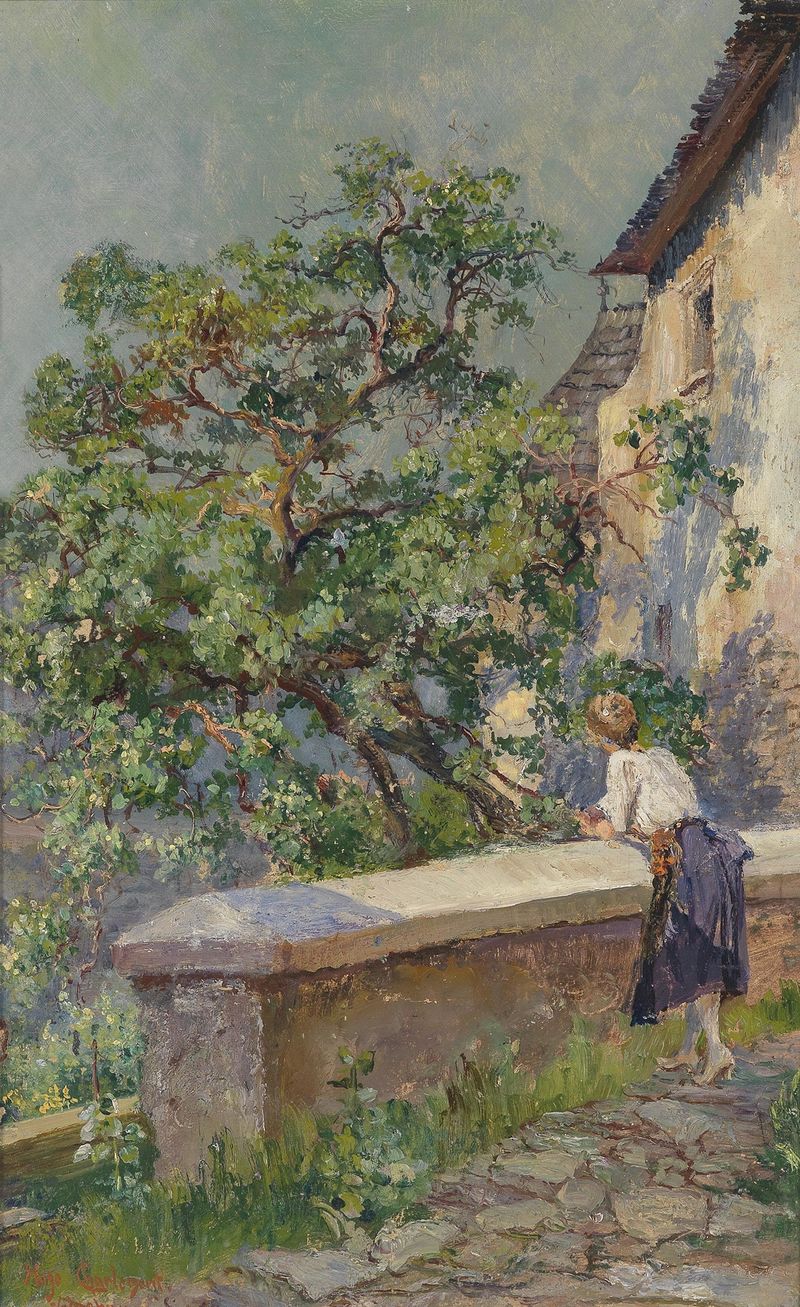
Aus der Wachau
Hugo Charlemont
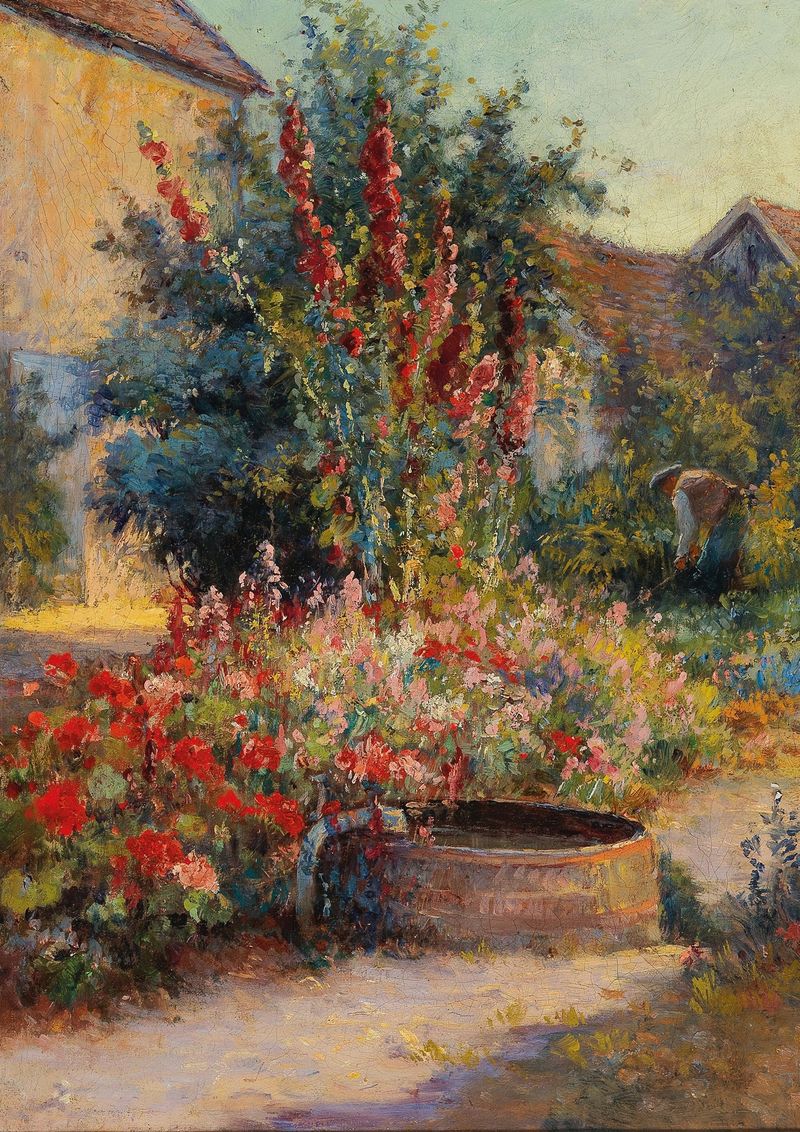
Garten in Brioni
Hugo Charlemont
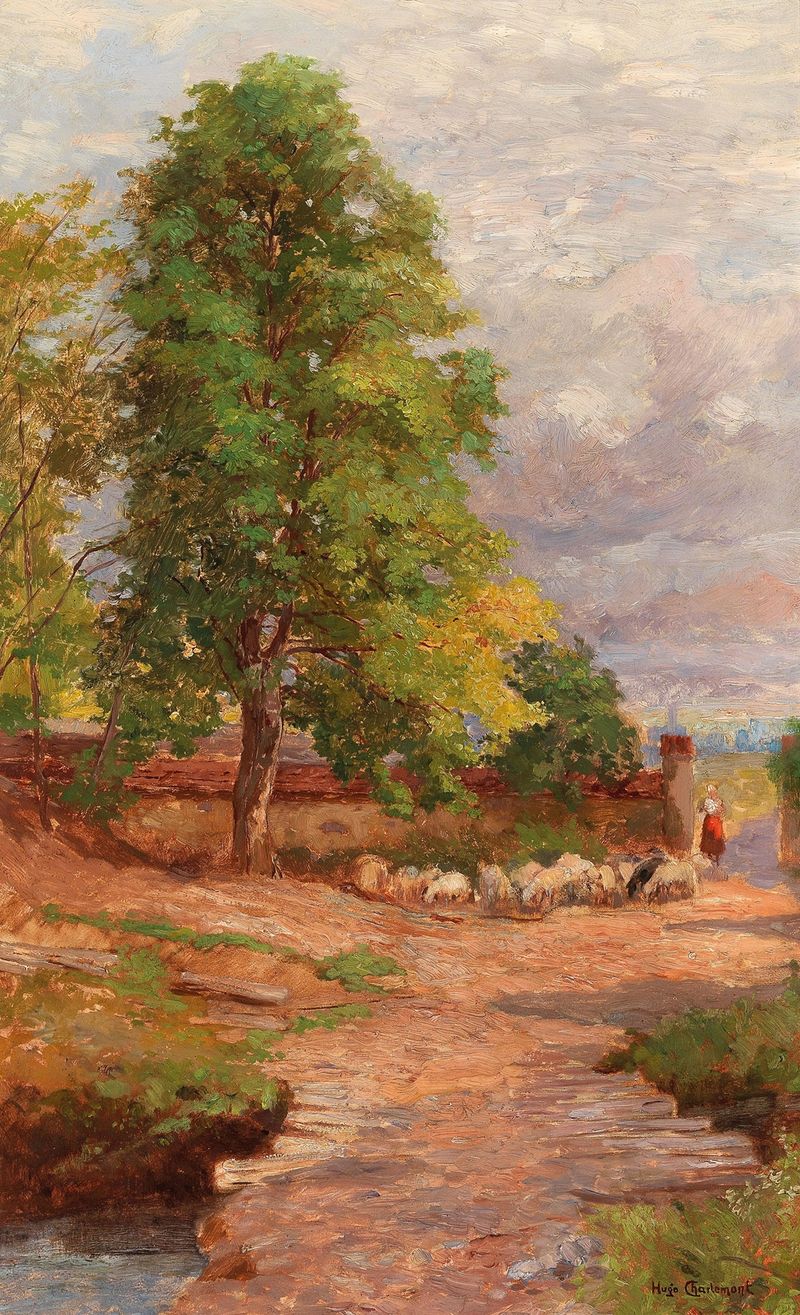
Old Chestnut Tree
Hugo Charlemont
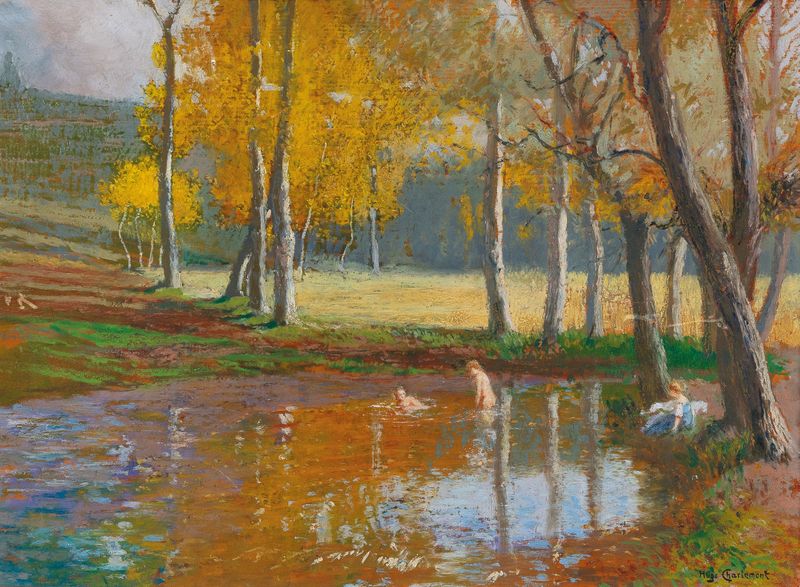
Bathers In A Woodland Pond
Hugo Charlemont
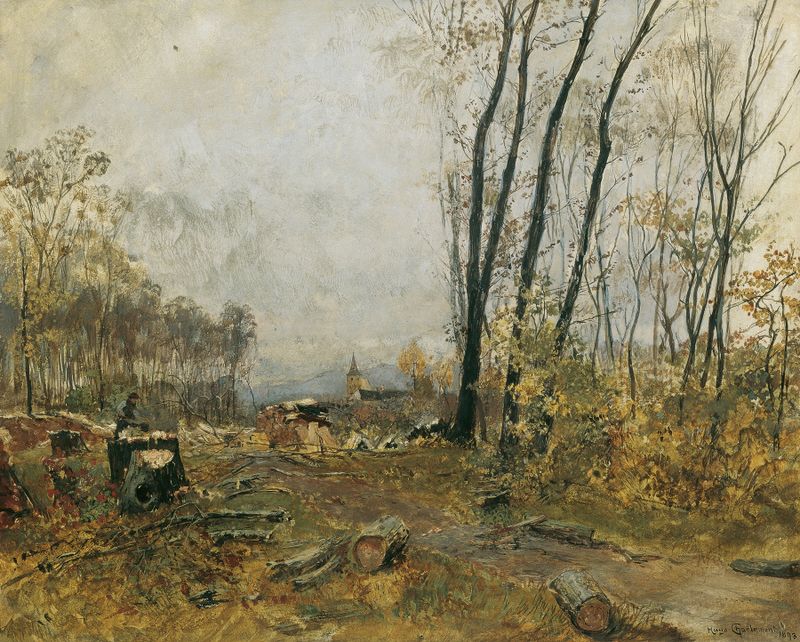
Au bei Klosterneuburg
Hugo Charlemont
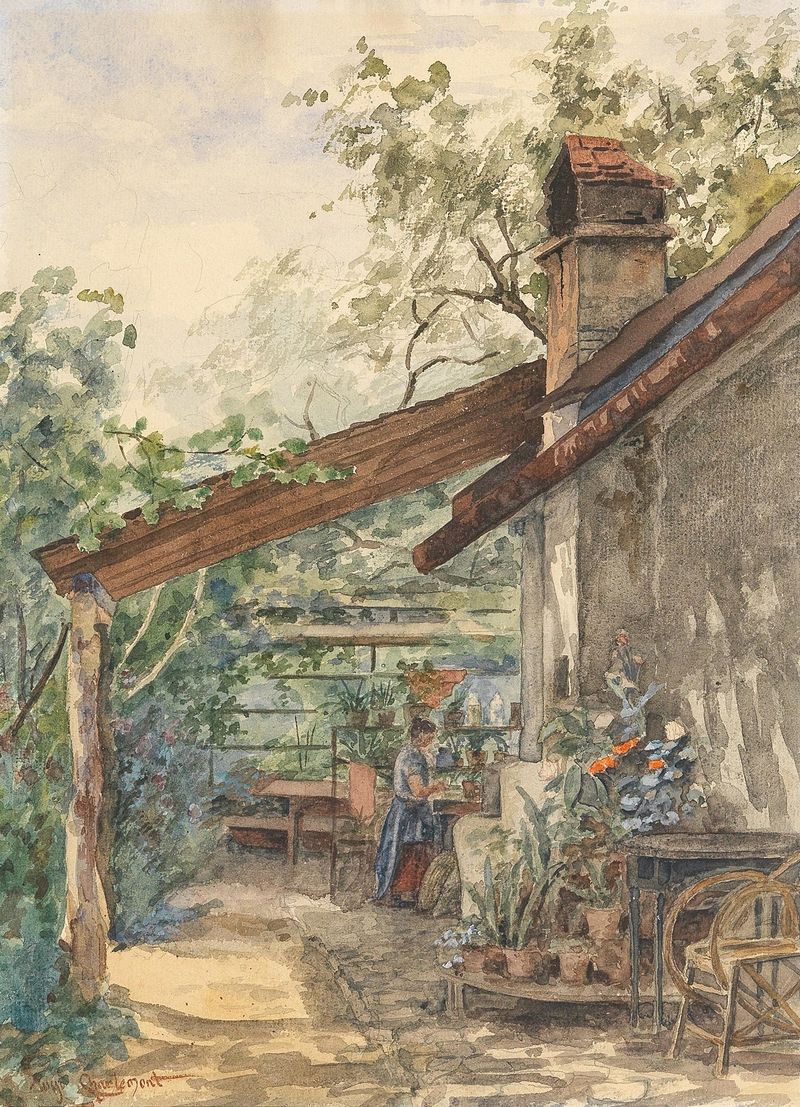
Pflanzendepot
Hugo Charlemont
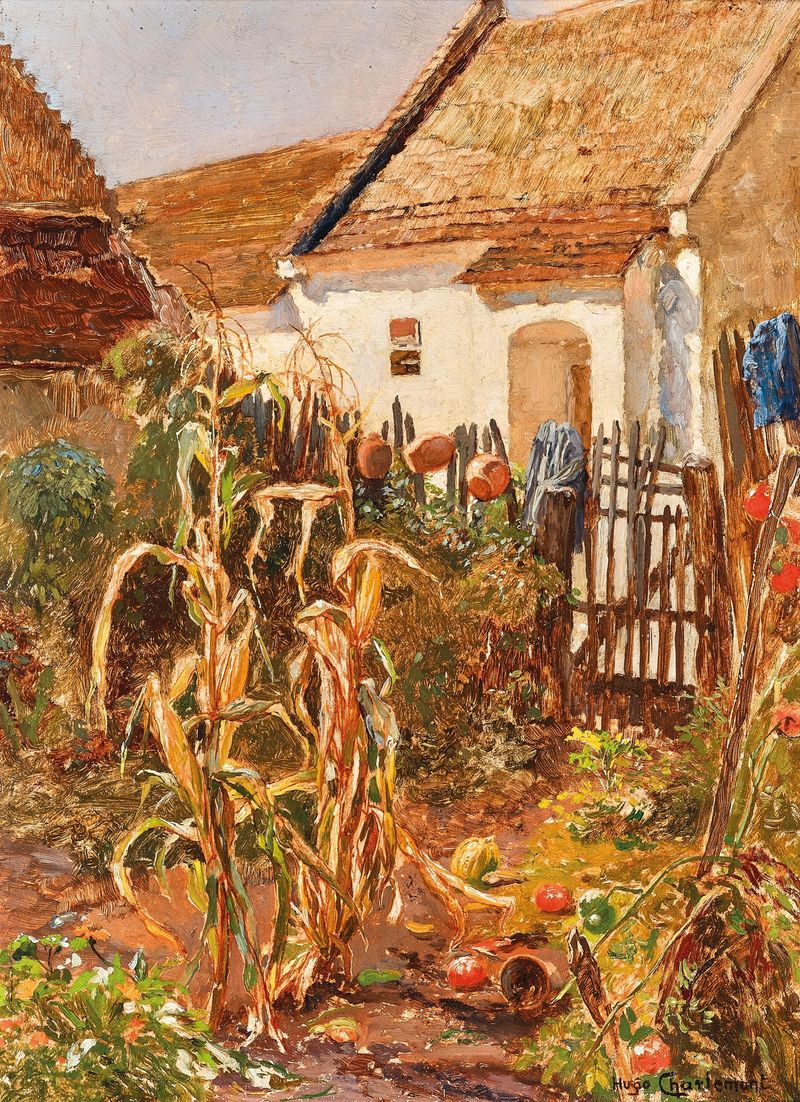
A rustic garden in the Wachau region
Hugo Charlemont
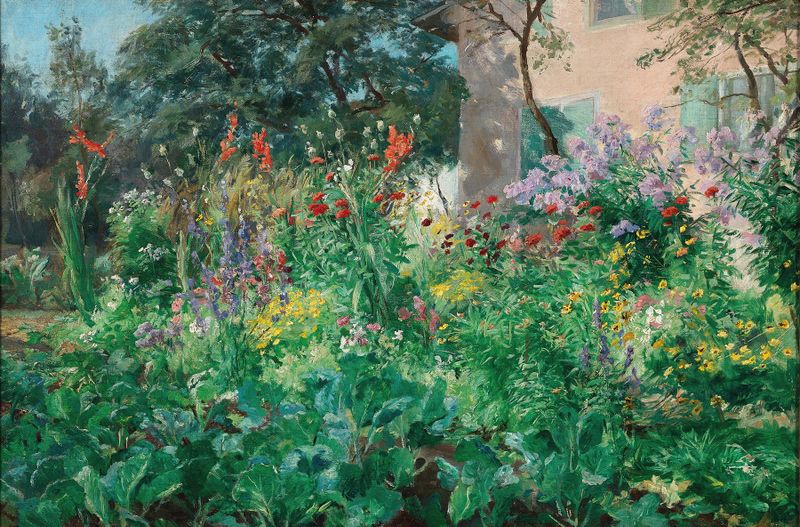
Bauerngarten
Hugo Charlemont