
Buckingham Palace — History & Facts
Could beauty survive in a century of chaos? This question lingers like a ghost in the grand halls of Buckingham Palace, where elegance meets the weight of history, whispering tales of destiny through its stately walls. Look to the center of the canvas, where the majestic façade of the palace stands regally against a muted sky. The artist employs soft, sweeping strokes that lend a sense of movement, as though the clouds themselves are caught in a dance. Notice how the light gently kisses the stone, revealing warm undertones that contrast with the cooler shadows, creating a balance that invites the eye to wander.
Each brushstroke seems to crystallize a moment in time, a fleeting glimpse of a regal presence amidst the shifting tides of the world outside. Delve deeper into the details — the intricate patterns of the gates, the solitary figure in the foreground, perhaps a nod to the individual amidst the grandeur. There’s a tension between the palace’s solidity and the ephemeral nature of its surroundings, suggesting a fragile stability in a tumultuous era. The juxtaposition of the Palace’s royal stature with the hints of unkempt nature around it reflects the duality of human experience: splendor intertwined with vulnerability, destiny shaped by both beauty and chaos. In 1928, Joseph Pennell created this piece during a time of considerable change in Britain and the art world.
Emerging from the shadow of the First World War, society was grappling with its identity, while artists sought new ways to express their realities. Pennell’s work reflects this poignant transitional moment, capturing not just the iconic architecture but the very essence of a nation poised between its glorious past and an uncertain future.
More Artworks by Joseph Pennell
Browse all →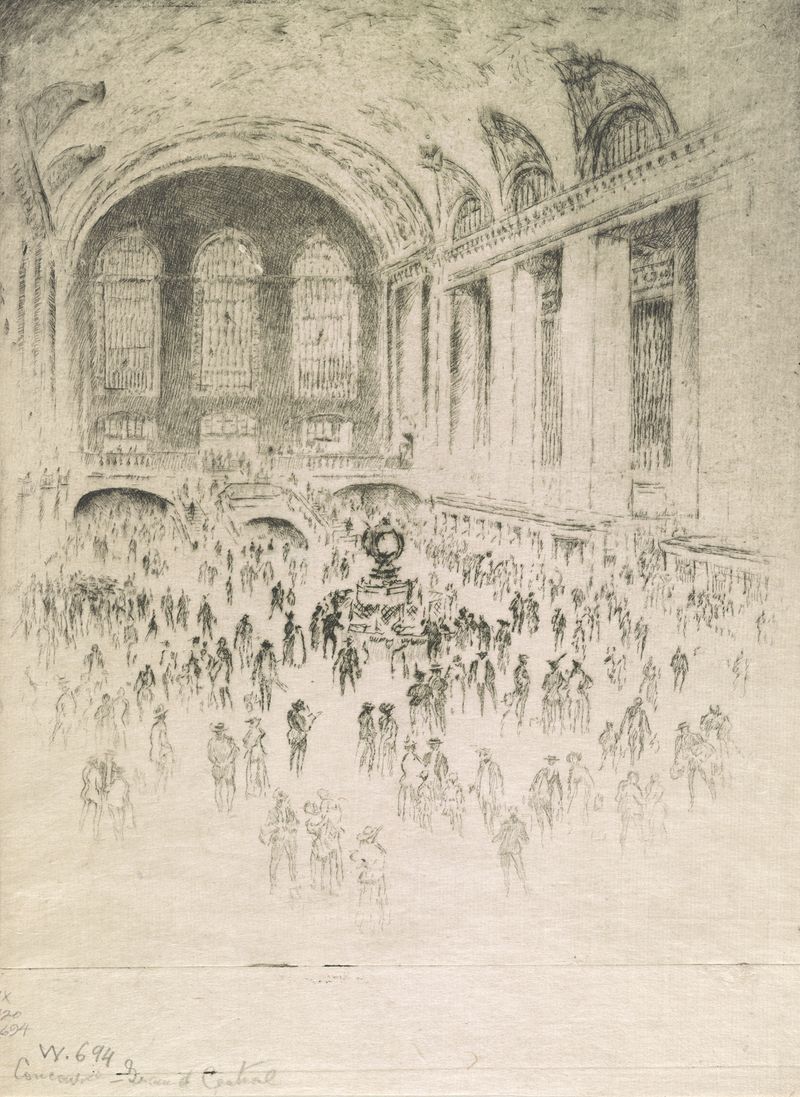
Concourse, Grand Central
Joseph Pennell
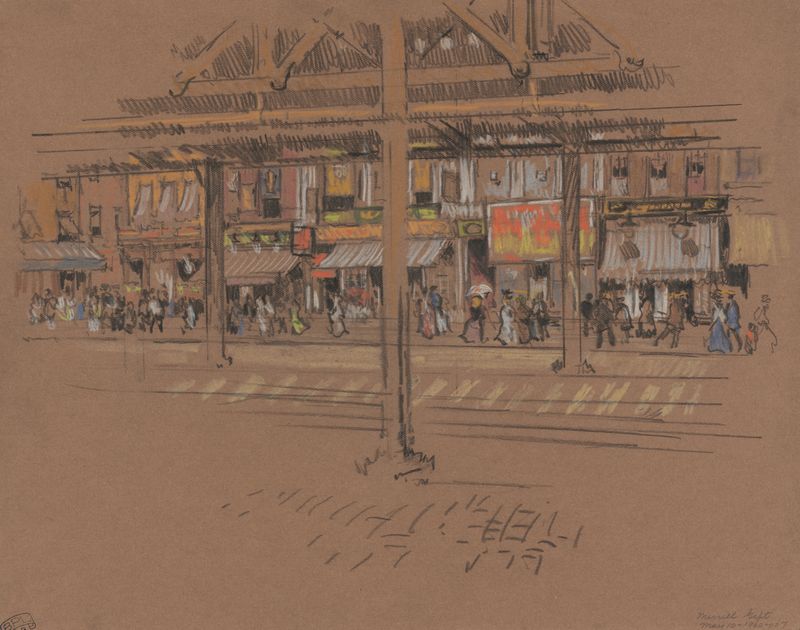
Sixth Avenue
Joseph Pennell
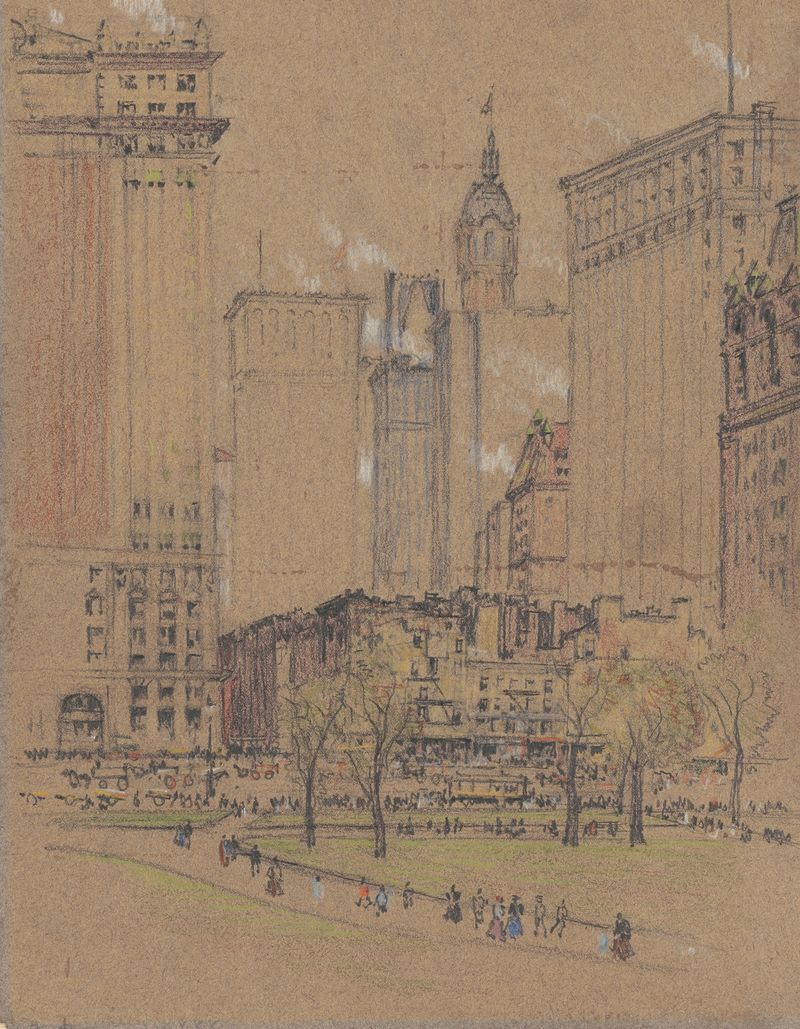
New York,the Old and the New
Joseph Pennell
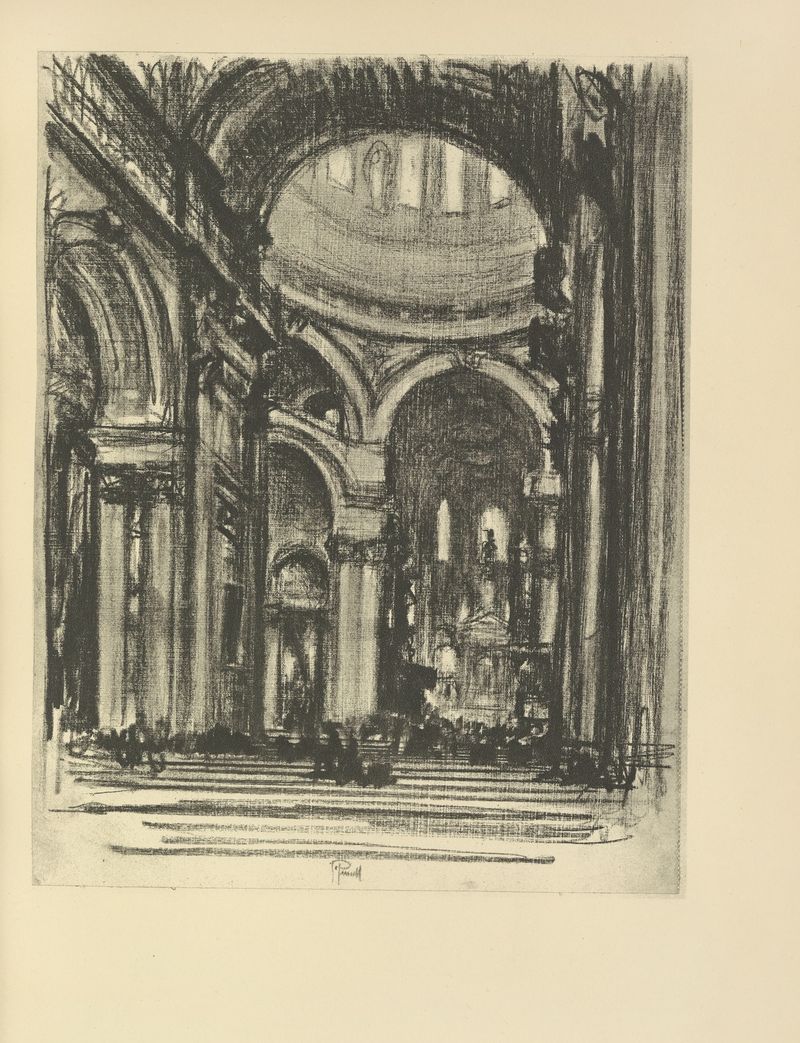
St. Paul’s, The Nave
Joseph Pennell
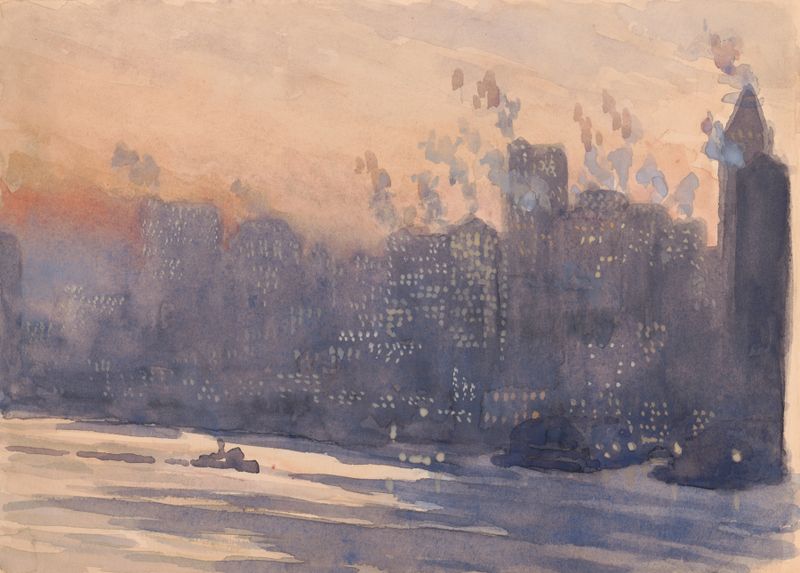
New York City harbor and skyline at night
Joseph Pennell
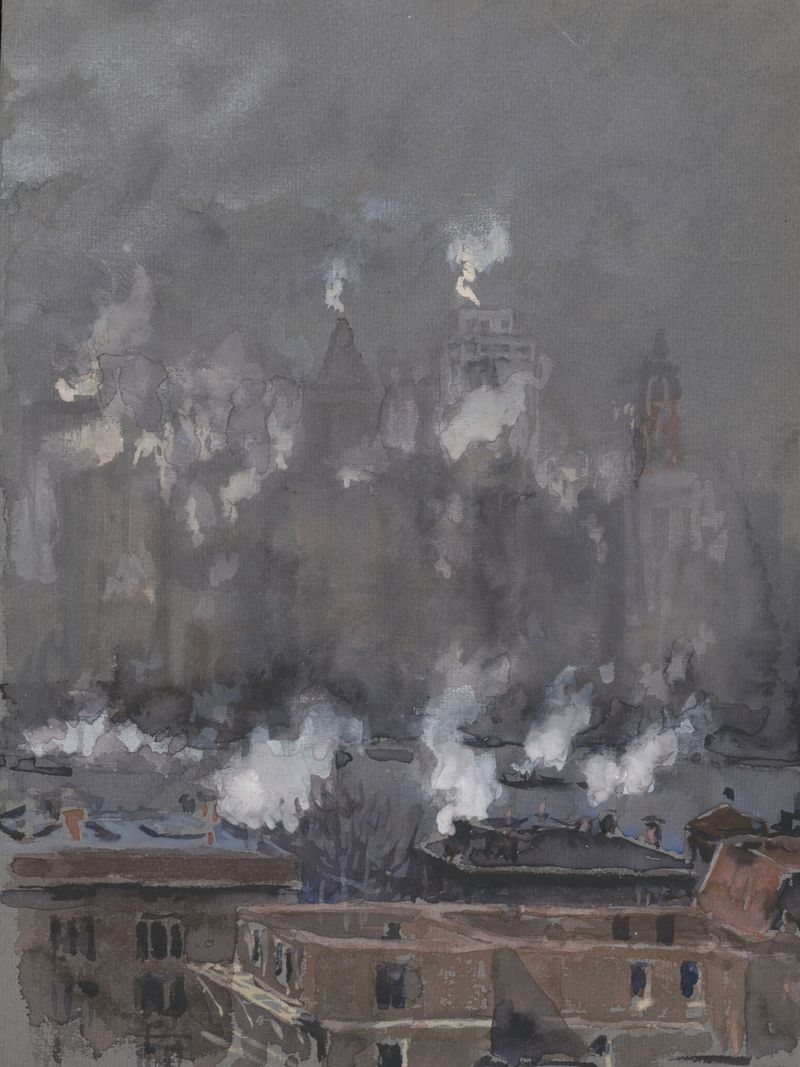
Smoke and fog on gray day, New York City
Joseph Pennell
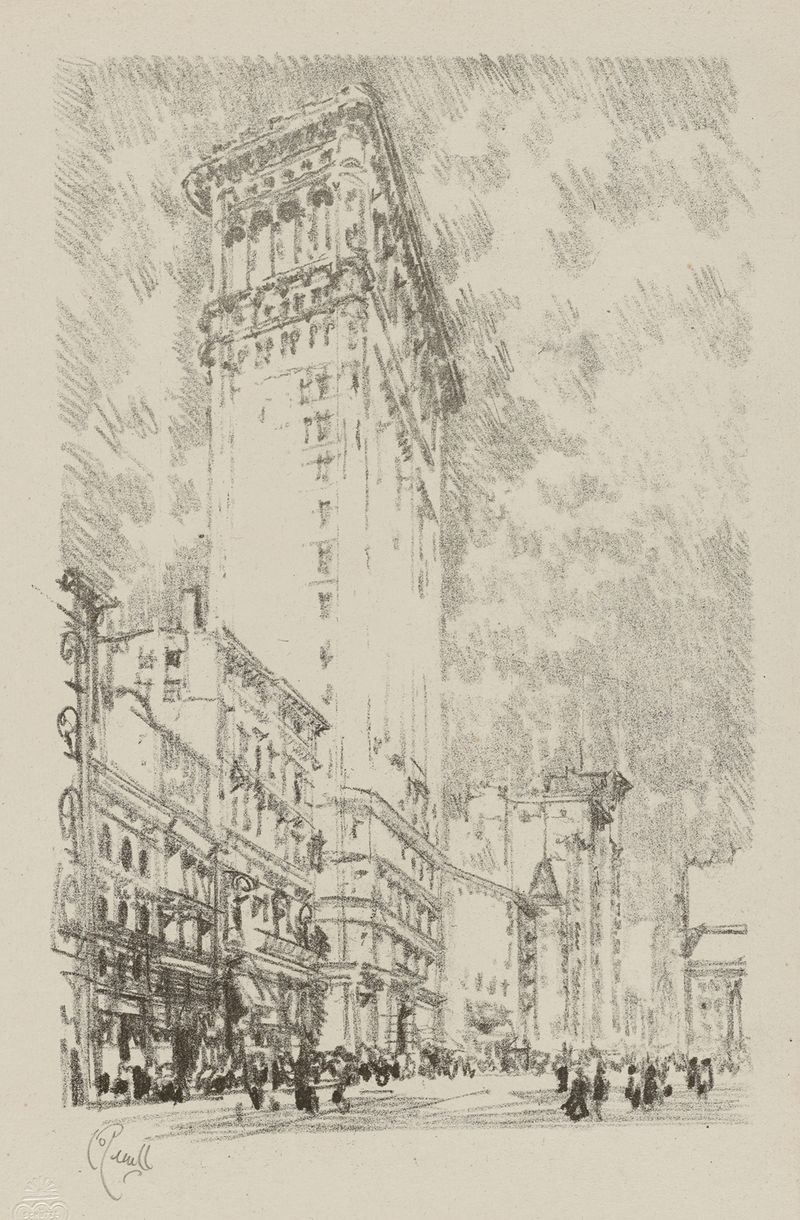
The Flat Iron
Joseph Pennell
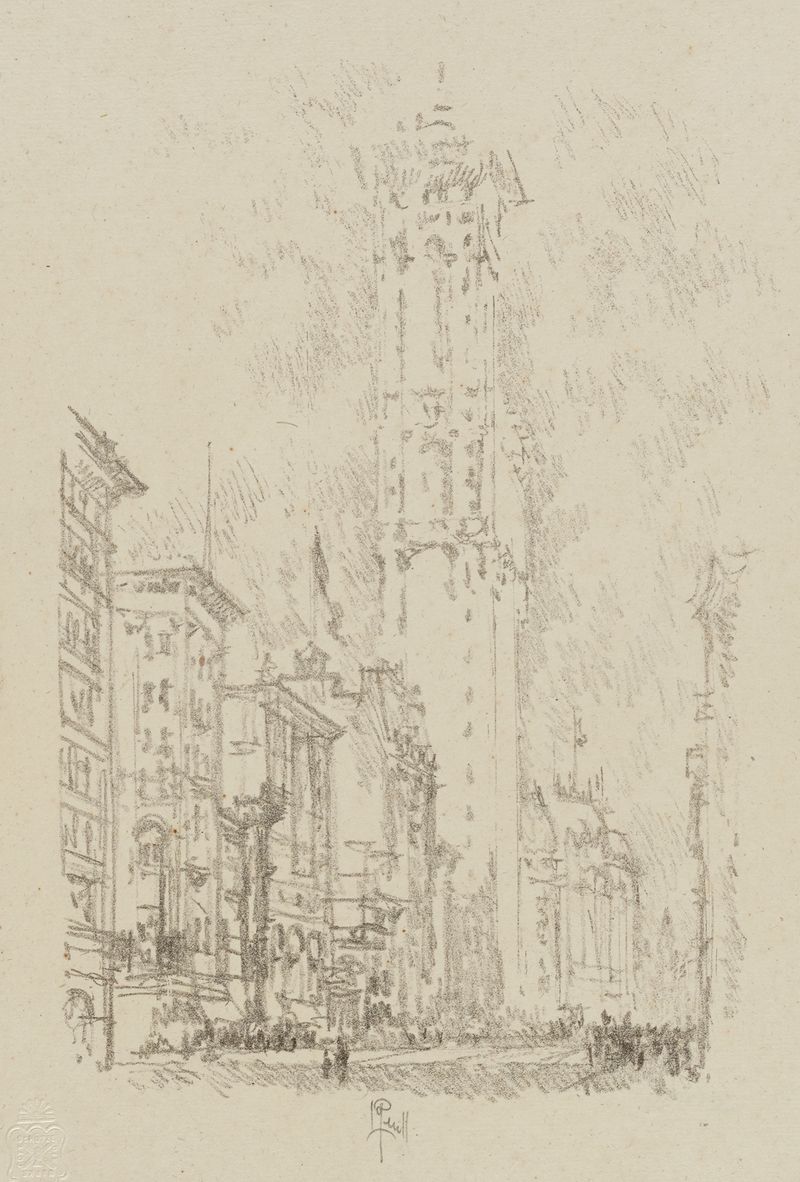
The Times Building
Joseph Pennell
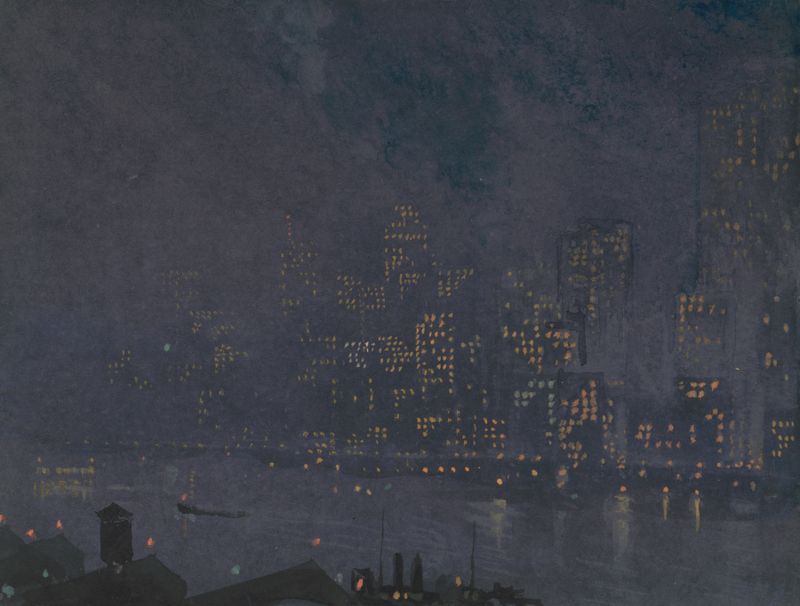
Skyscrapers at night
Joseph Pennell

St. James’ Park
Joseph Pennell
More Architecture Art
Browse all →
The statue of Liberty
Frédéric Auguste Bartholdi

View of Houses in Delft, Known as ‘The Little Street’
Johannes Vermeer

View of Houses in Delft, Known as ‘The Little Street’
Johannes Vermeer

The Cathedral in Rouen. The portal, Grey Weather
Claude Monet

The yellow house
Vincent van Gogh

The Church in Auvers-sur-Oise, View from the Chevet
Vincent van Gogh