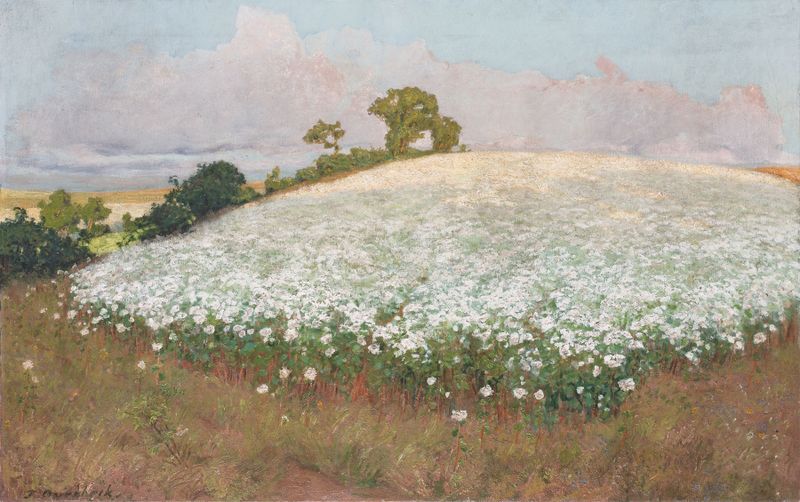
Buckwheat field I — History & Facts
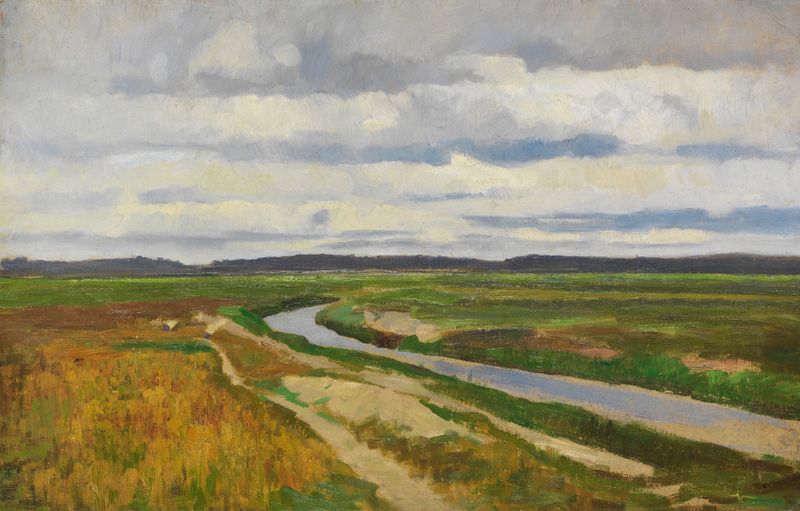
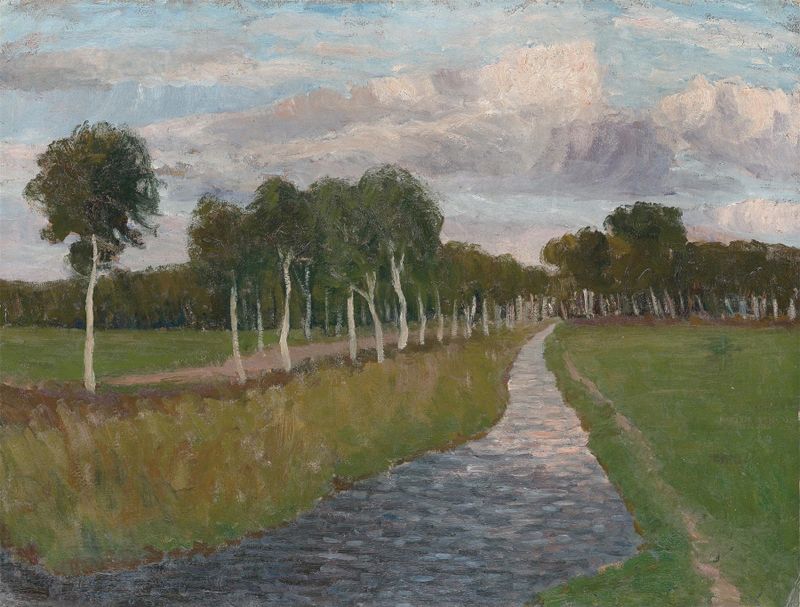
This transformation is poignantly evident in the sprawling expanse of a buckwheat field, where life flourishes yet subtly hints at the ephemeral nature of existence. In this tranquil landscape, the beauty of the earth is painted with a vibrancy that speaks to both the vitality of the moment and the inevitability of time. Look to the left at the undulating waves of flowers, their white petals blooming in a dance with the gentle breeze. Notice the deliberate brushstrokes that create a rhythmic flow across the canvas, drawing your gaze toward the soft horizon.
The muted greens of the leaves contrast beautifully with the bright whites, while the sky, a gradient of soft blues and grays, envelops the field in a serene embrace. Each stroke is infused with a sense of movement, leading the viewer deeper into the scene’s vibrant heart. As you explore the detailed textures, you may find a duality emerging — the vitality and fragility of life interwoven in the lush growth. The ephemeral beauty of the buckwheat flowers serves as a reminder of the fleeting nature of existence, while the vastness of the field reflects both the abundance of life and the solitude of mortality.
Each flower blooms only for a season, reminding us of the transient moments that define our journey. Created in 1897, this work emerged during a significant period in Fritz Overbeck's life, as he transitioned from the influences of traditional landscapes to a more personal style reflecting his emotional engagement with nature. Living in Worpswede, Germany, which became a center for artists seeking to capture the essence of rural life, he was influenced by the burgeoning movement of modernism and regionalism in art. This period marked a profound shift toward not merely depicting nature but articulating an emotional resonance with the landscape, thus paving the way for a deeper exploration of themes like mortality.