
Buitenhuis in een landschap — History & Facts
What if beauty was never meant to be finished? In the quiet strokes of nature, a dialogue unfolds between the fleeting and the eternal, whispering of legacies both achieved and lost. Look closely at the gentle expanse in Buitenhuis in een landschap, where sprawling greenery meets the azure sky. The eye is drawn first to the inviting farmhouse nestled within a vibrant landscape, its warm hues harmonizing with the lush surroundings. Notice how the artist captures the dance of light on the leaves, each brushstroke revealing the intricacies of nature's palette, while a serene pathway invites exploration into the horizon beyond. Delve deeper into the painting's emotional layers, where the tension between human presence and the vastness of nature speaks to our longing for connection.
The subtle interplay of shadows hints at the passage of time, suggesting that what we create is as ephemeral as the sunlight filtering through trees. The farmhouse, a symbol of shelter and legacy, stands resilient yet humble, embodying the search for permanence in a world defined by change. Created during a period marked by the evolving tastes of the Enlightenment, the artist crafted this piece in the late 18th century, a time when nature became a canvas for philosophical reflection. Living and working in France, Moreau explored themes of tranquility and beauty, mirroring a society increasingly captivated by the serene landscapes that would influence generations of artists to come.
More Artworks by Louis Gabriel Moreau
Browse all →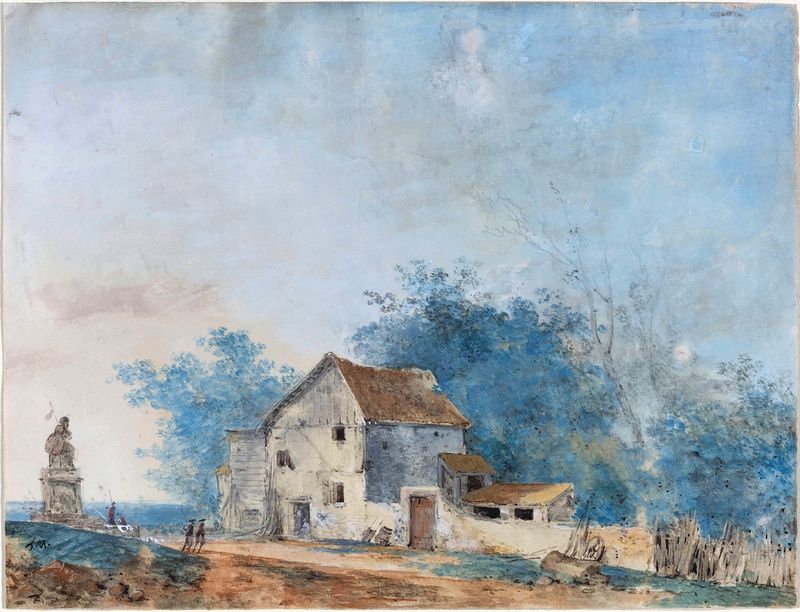
Landscape
Louis Gabriel Moreau

Italian Landscape with a Boating Party
Louis Gabriel Moreau
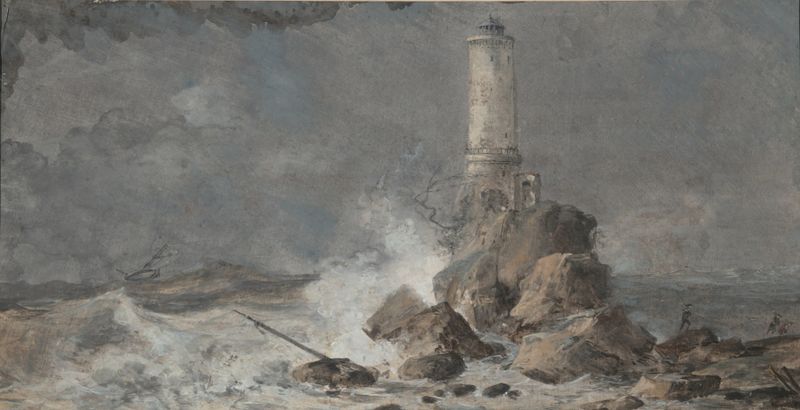
The Lighthouse [ Le Grand Phare]
Louis Gabriel Moreau

Landschaft mit zerfallenem Gehöft
Louis Gabriel Moreau

Parklandschaft mit hohen Bäumen und dem Blick auf einen Treppenanstieg im Mittelgrund
Louis Gabriel Moreau
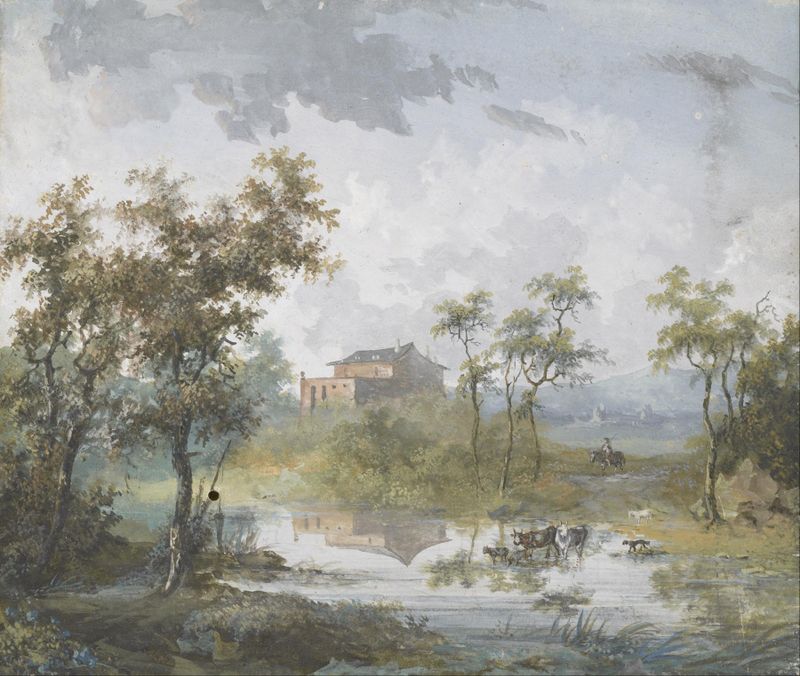
The Rustic River Ford
Louis Gabriel Moreau
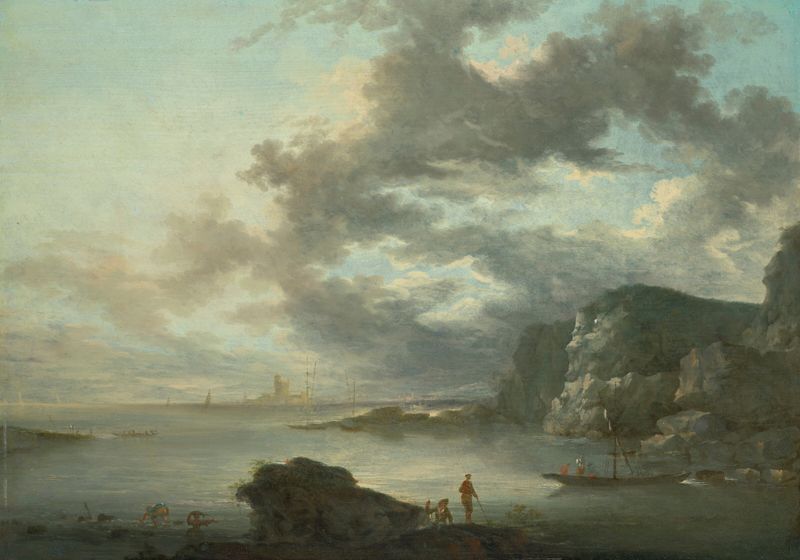
Seascape
Louis Gabriel Moreau

A river landscape with washerwomen by a mill
Louis Gabriel Moreau
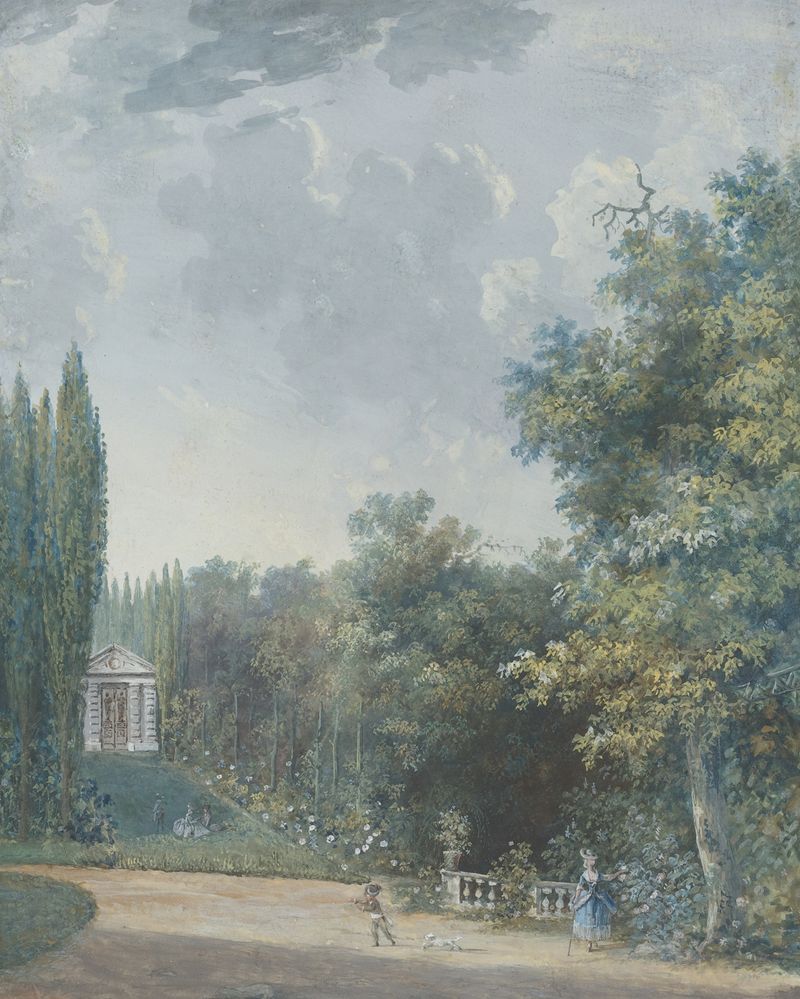
Park View
Louis Gabriel Moreau
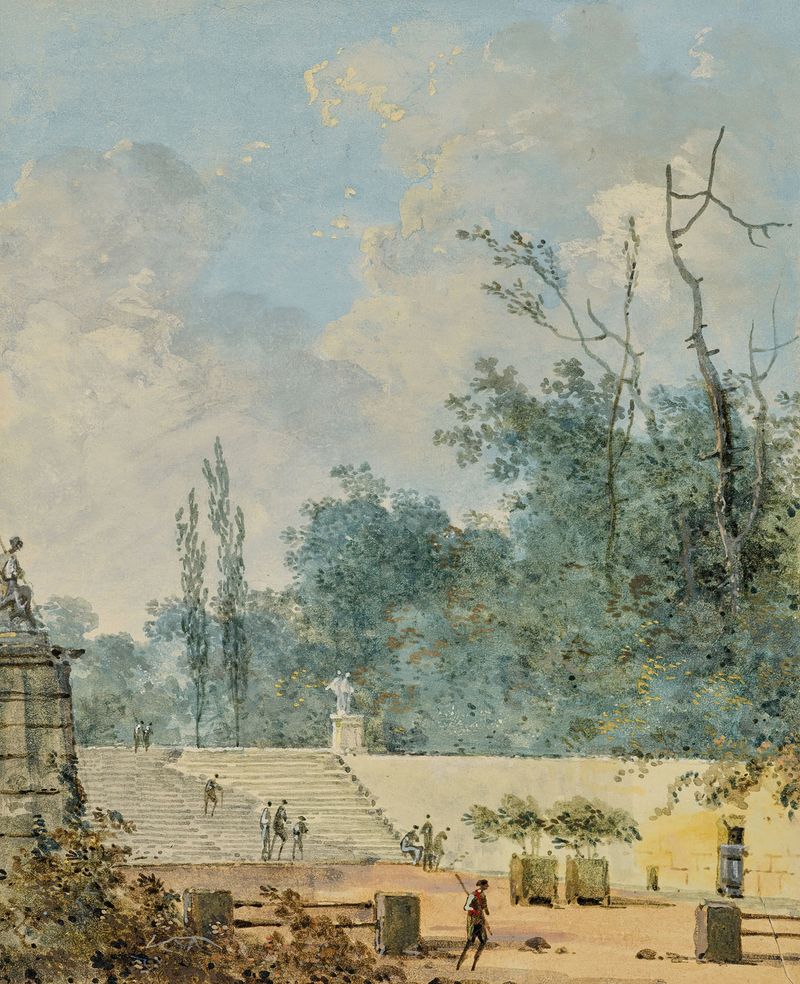
Deux vues du parc de Saint-Cloud
Louis Gabriel Moreau





