
Buraitohorun-yama (Breithorn) — History & Facts
Could a single brushstroke hold eternity? In Buraitohorun-yama, the essence of awakening meets the timelessness of nature, captured through the delicate movements of the brush. Look to the gentle slopes of the mountain, where shades of blue and white intertwine. Notice how the light dances across the canvas, revealing the peak shrouded in mist. The soft gradients create a sense of depth, drawing your gaze upward, while the serene foreground evokes a feeling of tranquility.
Each stroke feels intentional, as if Hiroshi invites the viewer to breathe in the crisp mountain air with him. Delve deeper into the subtle contrasts within this composition. The cool hues of the mountain juxtapose with the warmth of the earth below, symbolizing the balance between ruggedness and serenity. The mist, barely perceptible but ever-present, suggests the ephemeral nature of life, a reminder that moments of beauty are fleeting yet eternal in our memories.
Here, we find a quiet dialogue between the seen and the unseen, awakening a profound reflection on existence. In 1925, Yoshida Hiroshi painted this work during a time of significant change in both his personal life and the broader art world. Living in Japan, he was at the forefront of the Shin-hanga movement, which sought to blend traditional ukiyo-e techniques with Western influences. This period of cultural synthesis allowed him to explore new dimensions of expression, as he captured the breathtaking majesty of landscapes like the Breithorn, infusing them with a fresh perspective that resonated with audiences.
More Artworks by Yoshida Hiroshi
Browse all →
Crytomeria Avenue (Sugi Namiki)
Yoshida Hiroshi
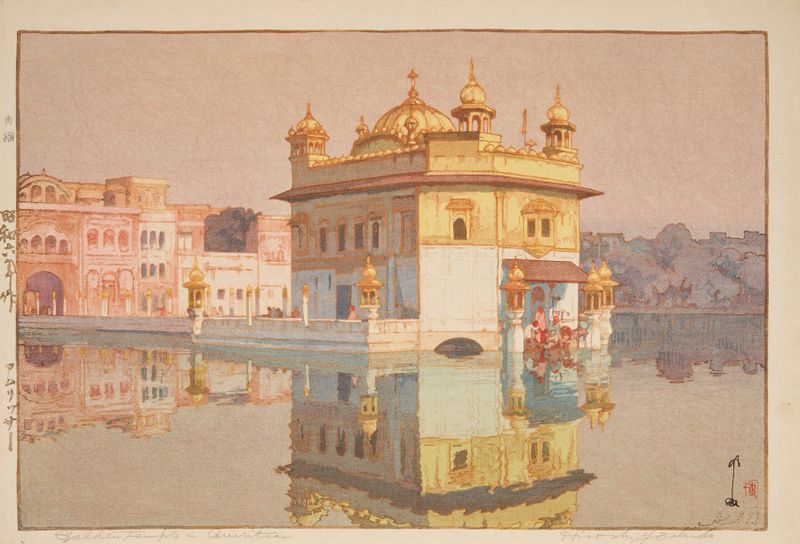
Amurissaa (Golden Temple in Amritsar)
Yoshida Hiroshi

High Gate in Ajmer (Ajumeru no Berenderuwajaa)
Yoshida Hiroshi

Fujiyama from Gotemba
Yoshida Hiroshi
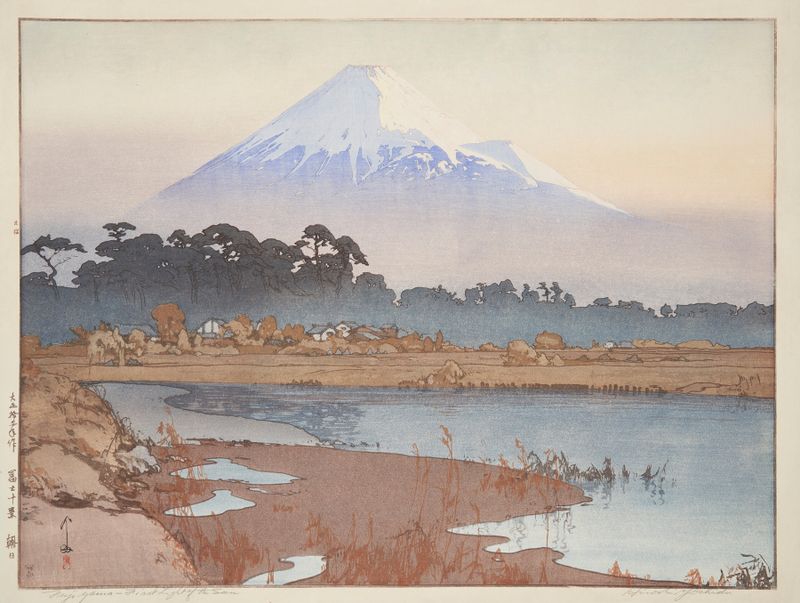
Asahi (Sunrise).
Yoshida Hiroshi
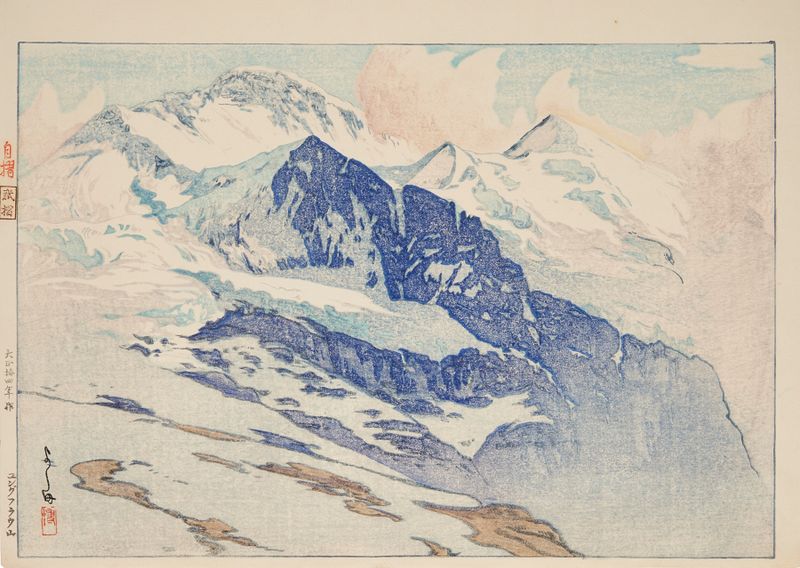
Yungufurau-yama (Jungfrau)
Yoshida Hiroshi
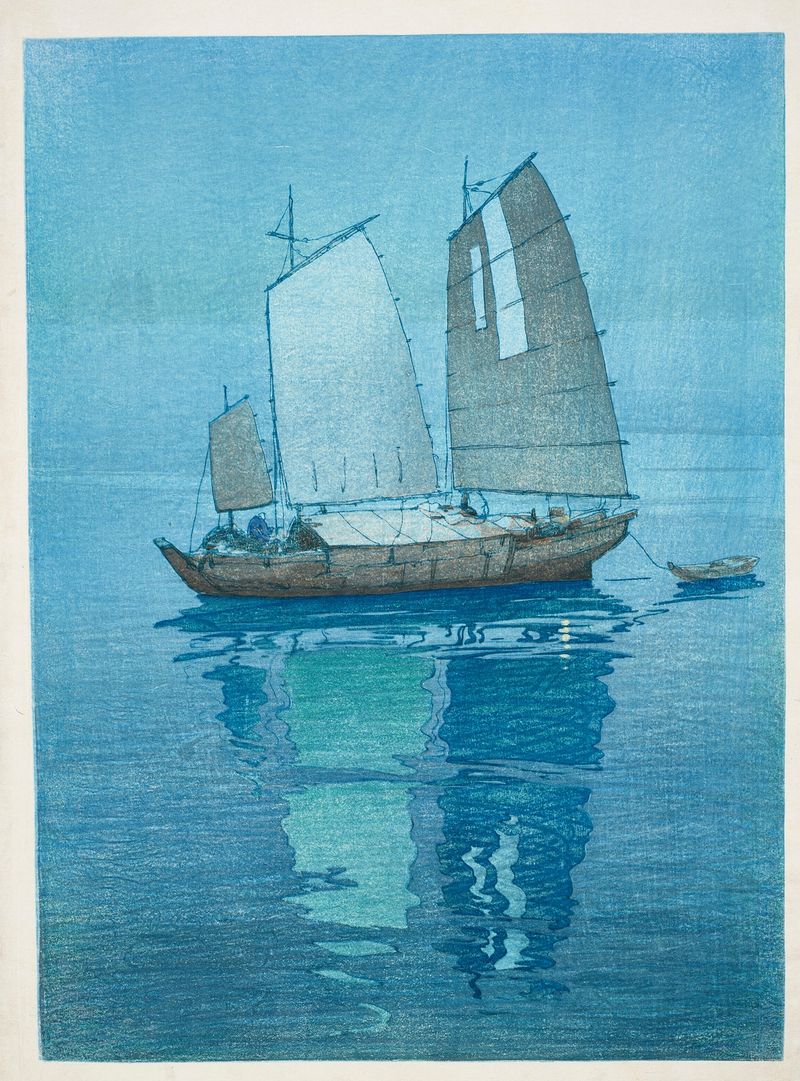
Hansen (Sailing Boats)
Yoshida Hiroshi
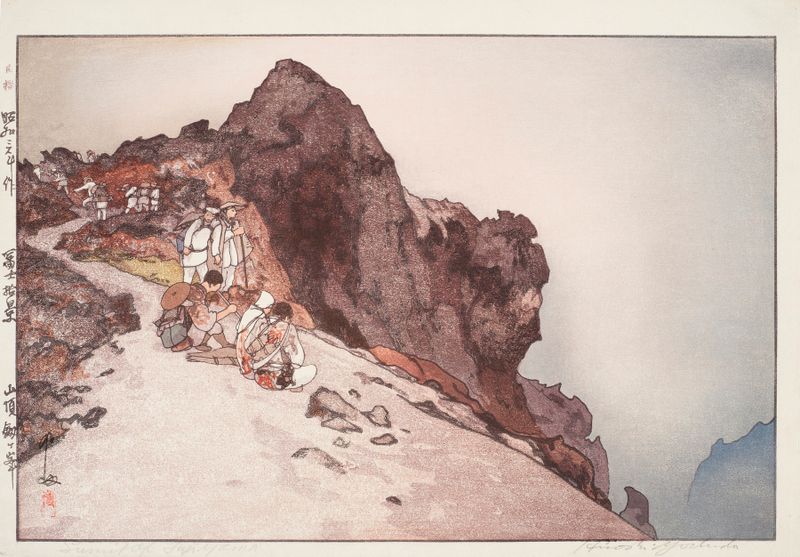
Summit of Mount Fuji
Yoshida Hiroshi

Sailing Boats — Night, from the series ‘The Seto Inland Sea’
Yoshida Hiroshi
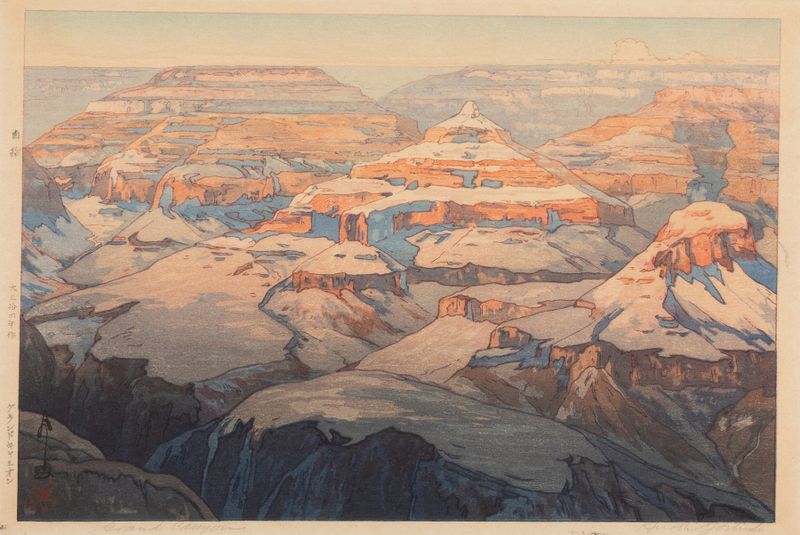
Grand Canyon (Gurando Kyanion)
Yoshida Hiroshi





