
Burg Doornenburg im Winter — History & Facts
Can beauty exist without sorrow? In Burg Doornenburg im Winter, Carl Hilgers captures the delicate balance between innocence and the harshness of winter, inviting us to ponder the often-overlooked dualities of existence. Look to the foreground where a tranquil blanket of snow envelops the ancient castle, its stone walls standing resolutely against the chill. Notice how the muted palette of whites and grays contrasts with the warmer, earthy tones of the castle itself, creating a sense of coziness amidst the cold. The light filters softly through the overcast sky, casting gentle shadows that cradle the structure, evoking a feeling of quiet reverence. As you explore further, consider the trees lining the pathway—they stand bare and fragile, yet their skeletal forms are striking against the snow.
This juxtaposition of delicate limbs against the solidity of the castle suggests a deeper narrative of endurance and resilience. The scene whispers of an innocence lost to the relentless march of time, hinting at the stories held within the castle's walls. The stillness of winter embodies both a beauty and a melancholic reminder of nature's cycles. In 1878, Hilgers was immersed in the Romantic movement that emphasized emotion and the sublime.
Painted in the Netherlands, this piece reflects a growing interest in landscape as a subject, moving away from historical or mythological themes. This period in the artist’s life was marked by a notable shift toward capturing the essence of nature, as he sought to convey both the tranquility and the tumultuous depth that exists within the human experience.
More Artworks by Carl Hilgers
Browse all →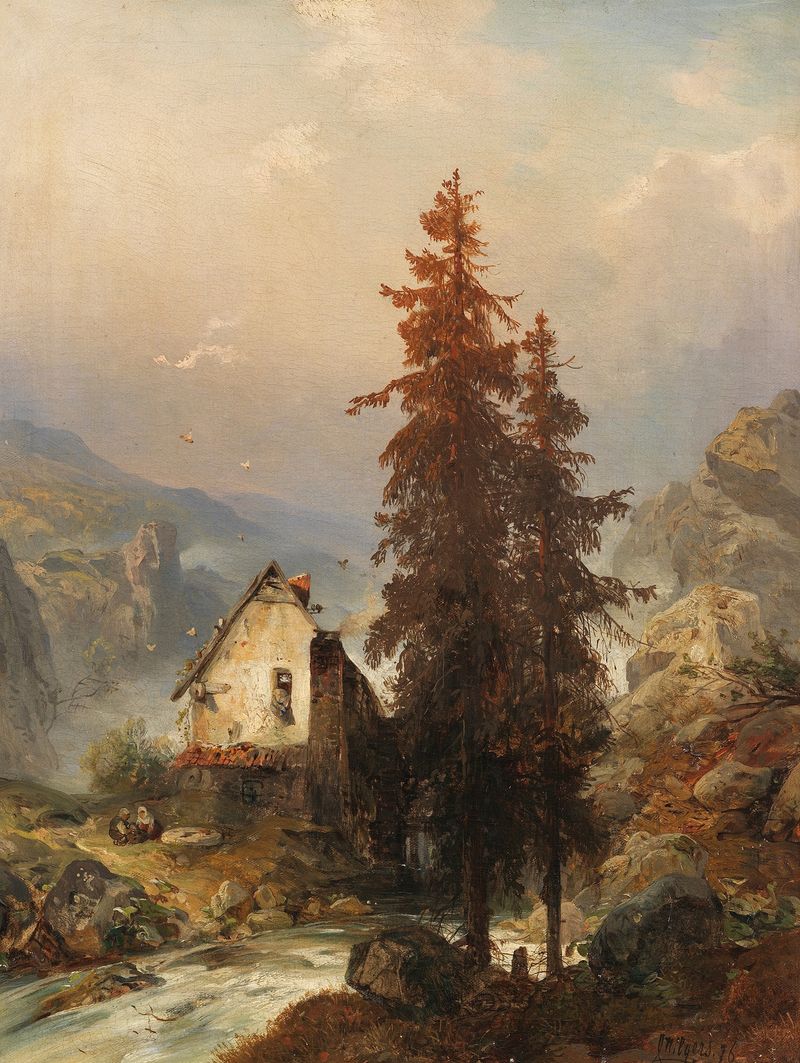
Mühle im Gebirgstal
Carl Hilgers
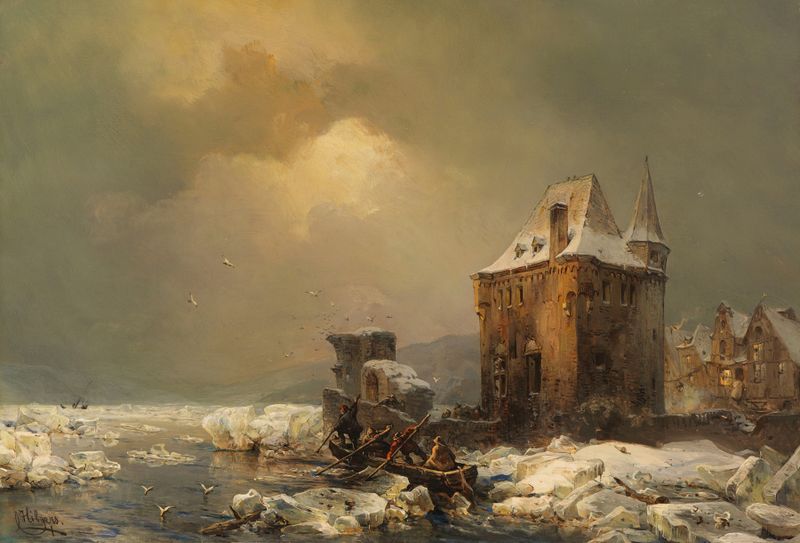
Eisfischer am Wasserschloss
Carl Hilgers
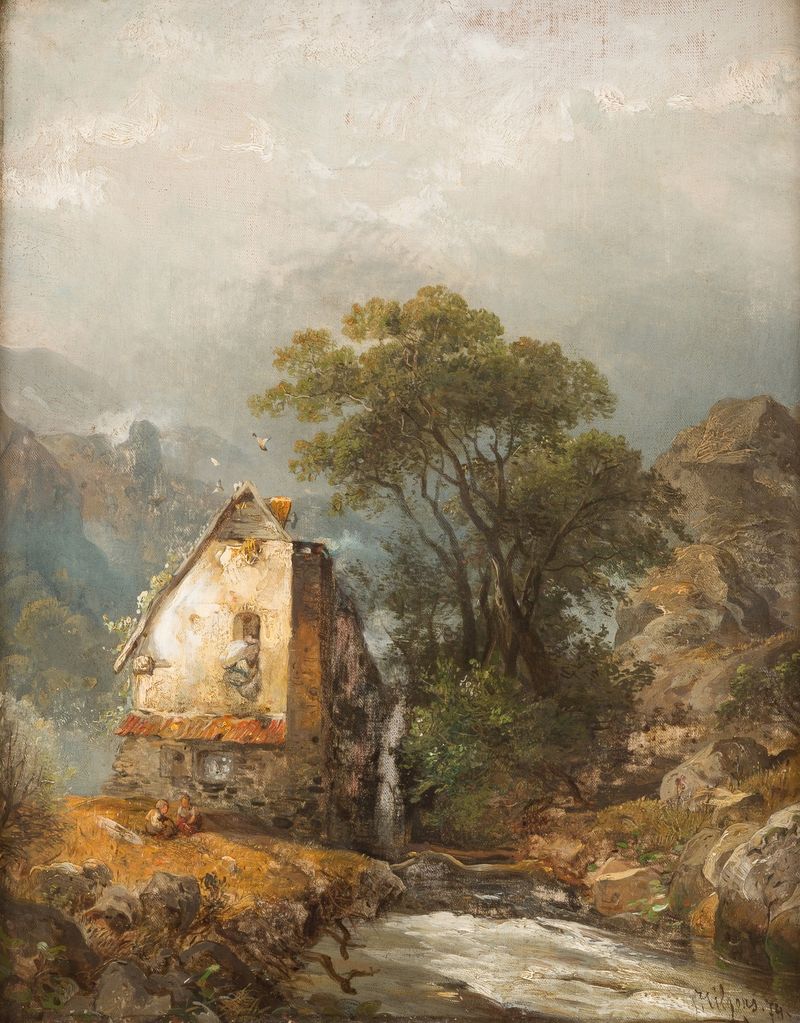
Mill by a stream
Carl Hilgers
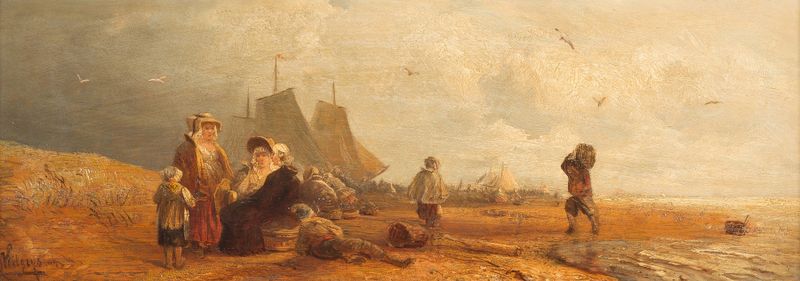
Dutch fishermen by the beach
Carl Hilgers
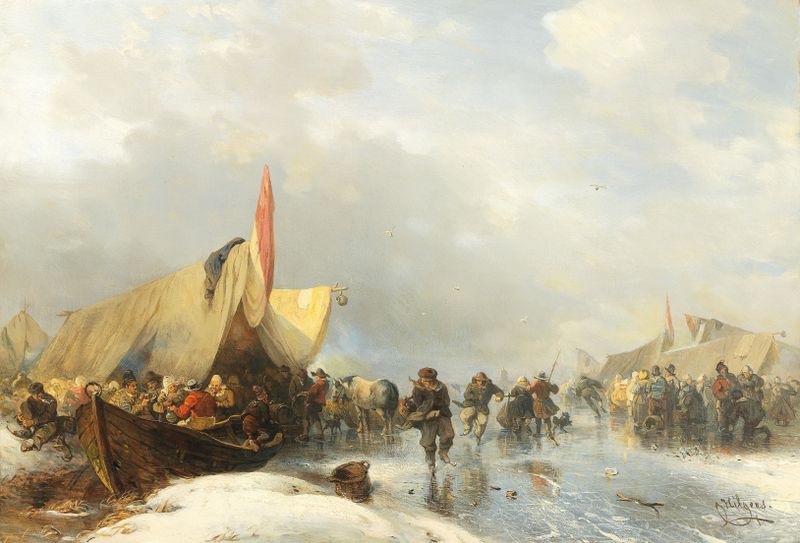
Winter Pleasures On The Ice
Carl Hilgers
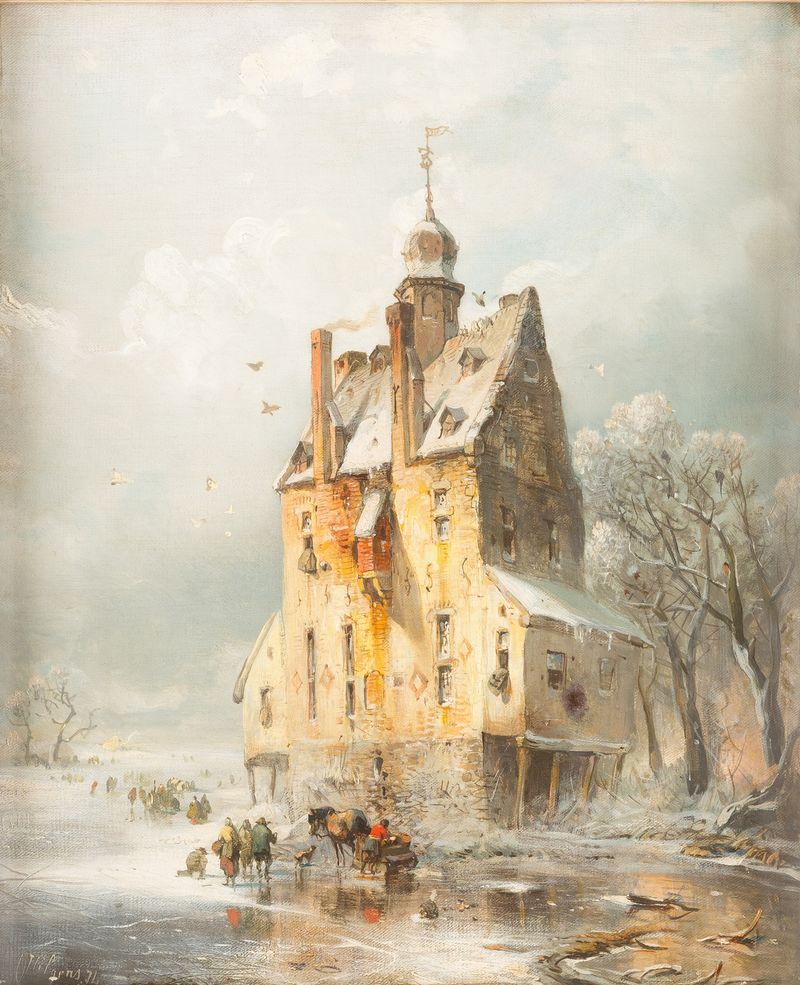
Mansion ‘Quadenhof’ at Gerresheim
Carl Hilgers
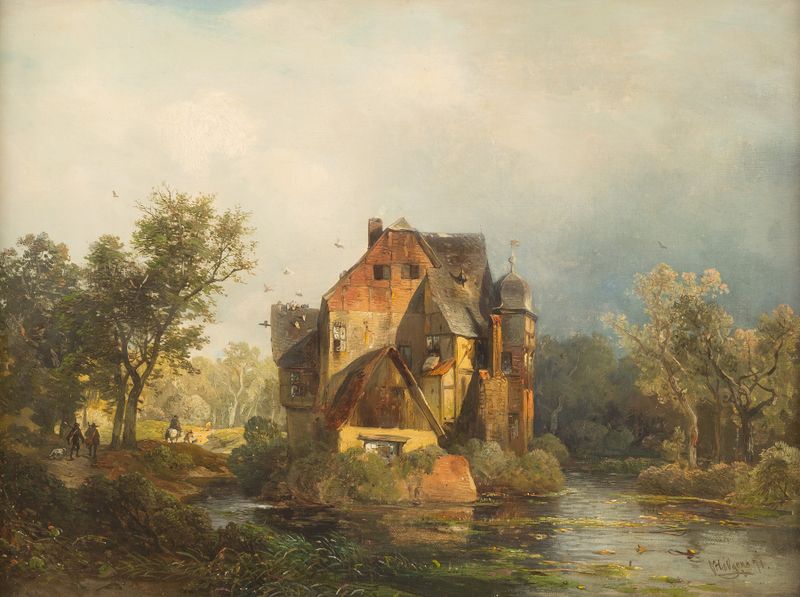
Water castle Caspersbroich
Carl Hilgers
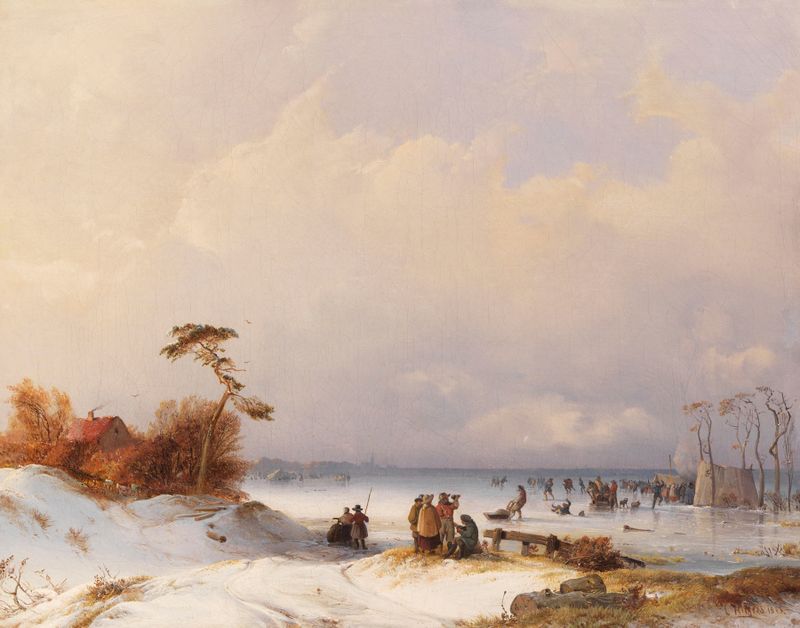
Eisvergnügen
Carl Hilgers
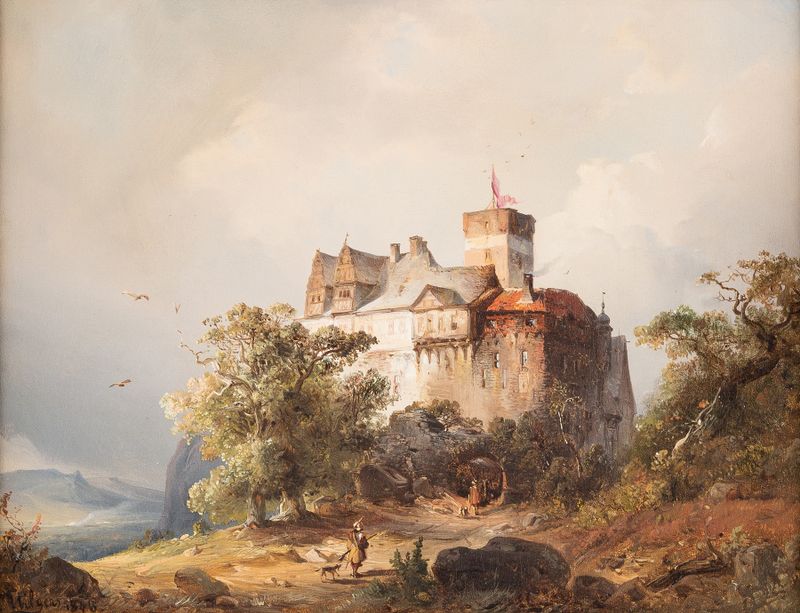
Castle in stormy landscape
Carl Hilgers
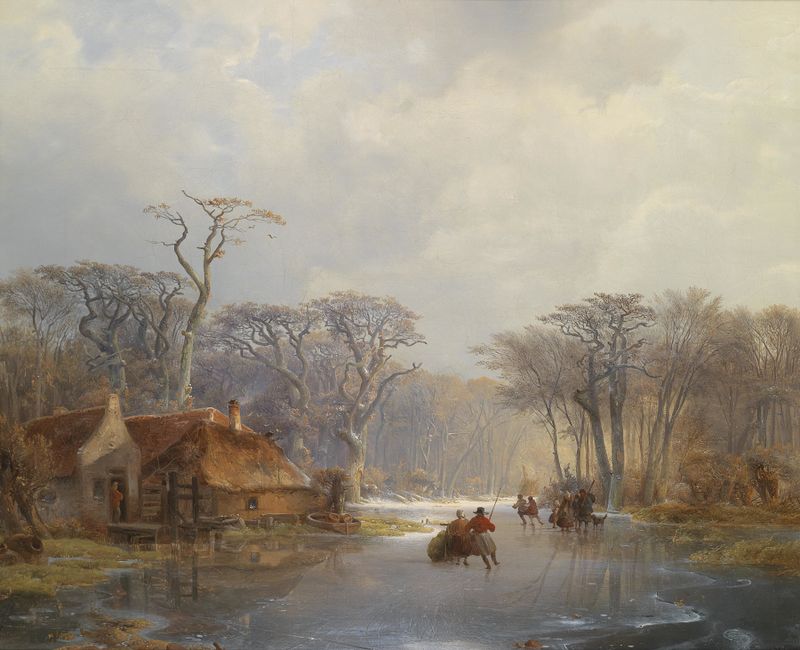
Wintervergnügen
Carl Hilgers





