
Water castle Caspersbroich — History & Facts
Could beauty survive in a century of chaos? A question that haunts the viewer gazing upon the serene waters reflecting the grand architecture of the Water Castle Caspersbroich. Look to the center where the castle rises majestically from the tranquil lake, its intricate turrets and gabled roofs rendered with exquisite precision. The soft, muted palette of greens and blues envelops the scene, inviting a sense of calm, while the delicate brushwork captures the shimmering reflections on the water’s surface. The light dances across the scene, creating a gentle contrast between the soft sky and the solid structure, directing your gaze to both the castle and its surroundings, each element in harmonious balance. Yet, this tranquility belies a deeper tension.
The castle, though appearing idyllic, stands as a silent witness to the violence of its time, embodying an era fraught with social upheaval and conflict. The juxtaposition of its serene beauty against the backdrop of an unsettled world raises questions about the permanence of artistry amidst human strife. Small details, like the rippling water and the soft rustle of leaves, whisper stories of resilience, hinting at fragility beneath the surface. Created in 1871, the work reflects Carl Hilgers’ personal journey and the broader art movements of the time, marked by Romanticism’s emphasis on nature and emotion.
Emerging from a turbulent political landscape in Germany, Hilgers captured the essence of a world striving for beauty, even while chaos loomed nearby, illustrating his desire to find solace in artistic expression amid uncertainty.
More Artworks by Carl Hilgers
Browse all →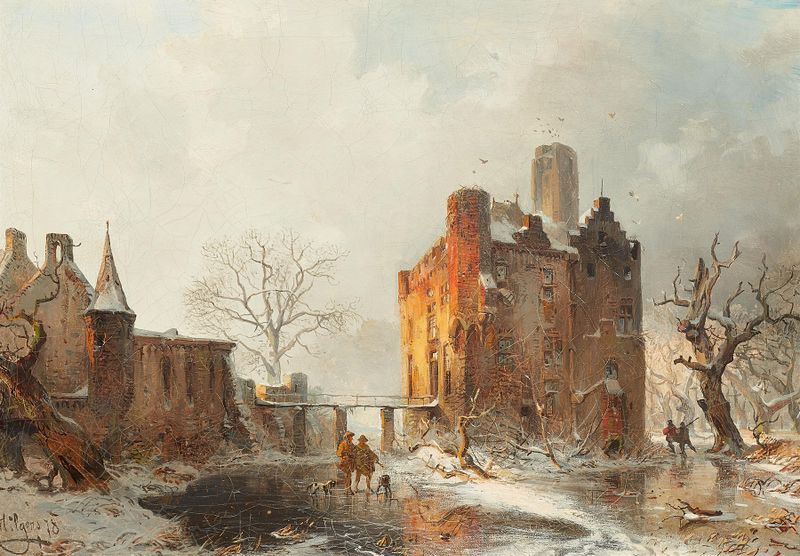
Burg Doornenburg im Winter
Carl Hilgers
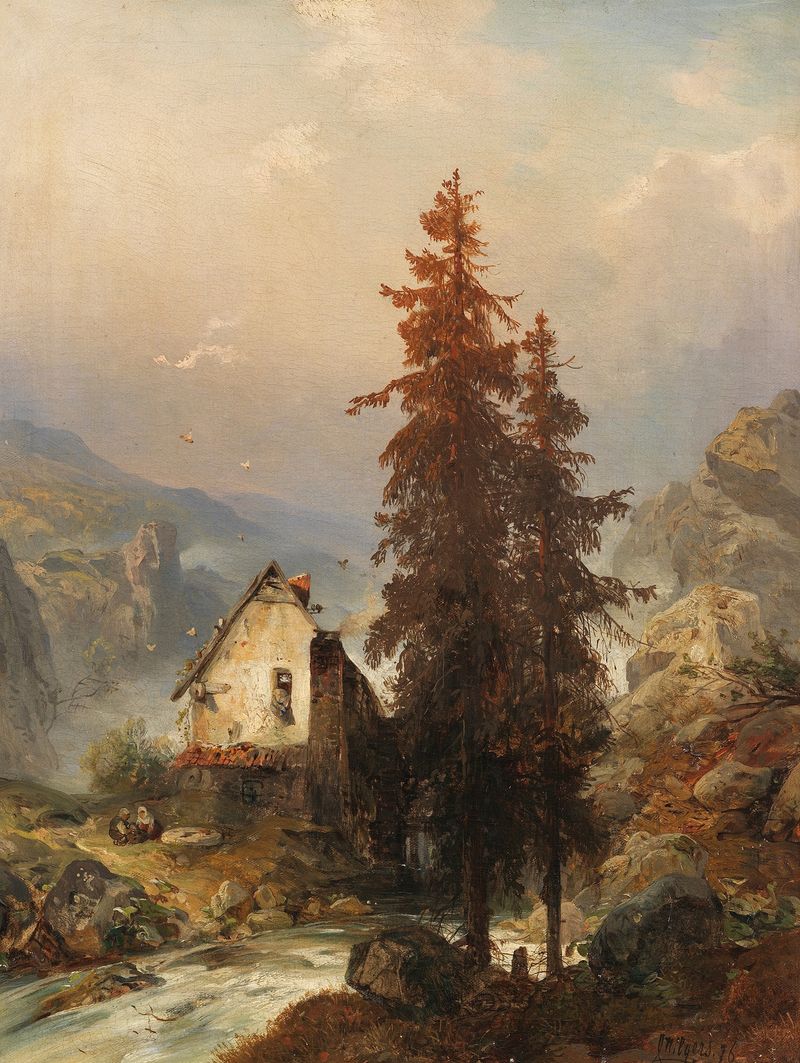
Mühle im Gebirgstal
Carl Hilgers
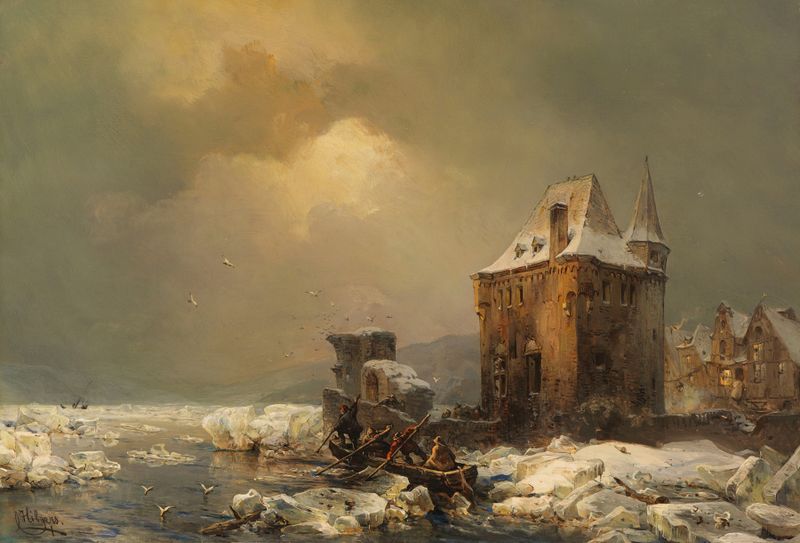
Eisfischer am Wasserschloss
Carl Hilgers
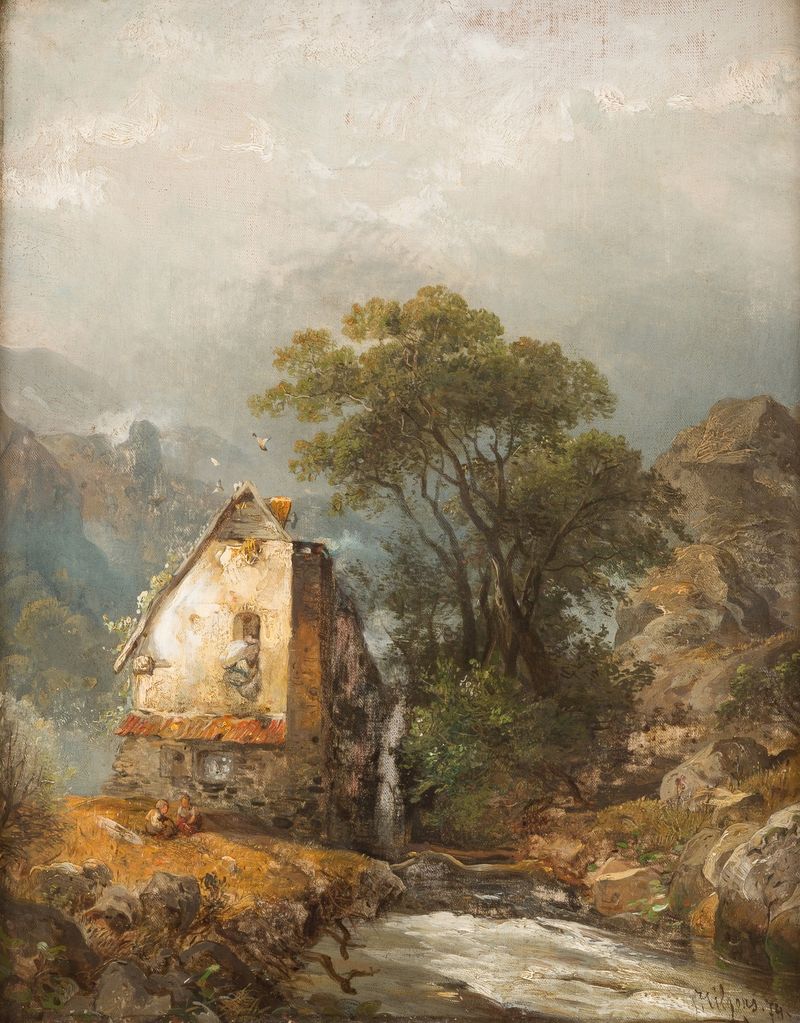
Mill by a stream
Carl Hilgers
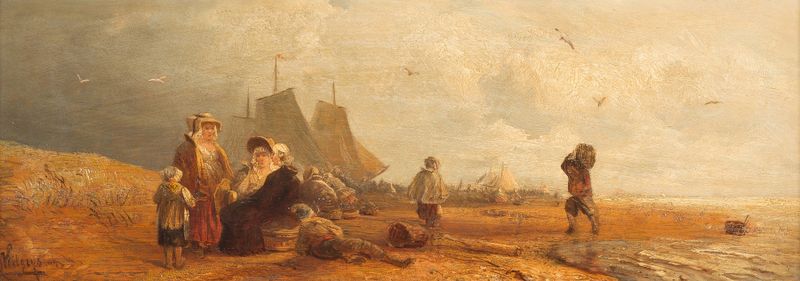
Dutch fishermen by the beach
Carl Hilgers
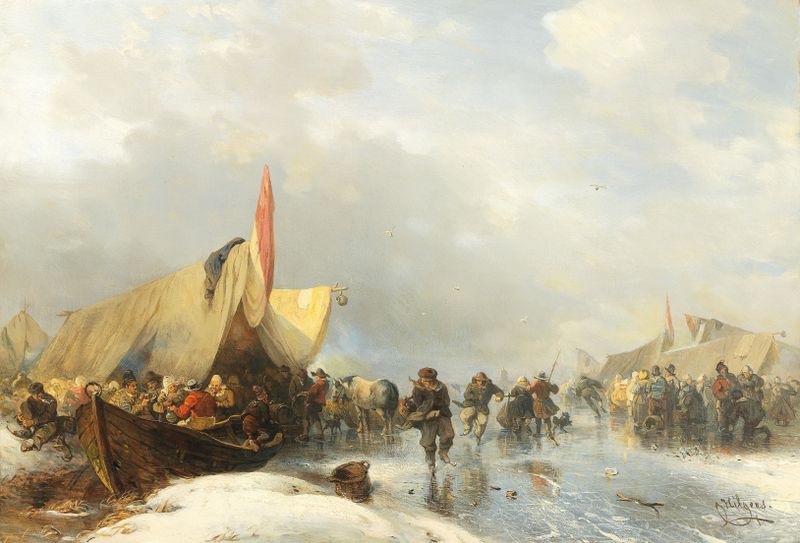
Winter Pleasures On The Ice
Carl Hilgers
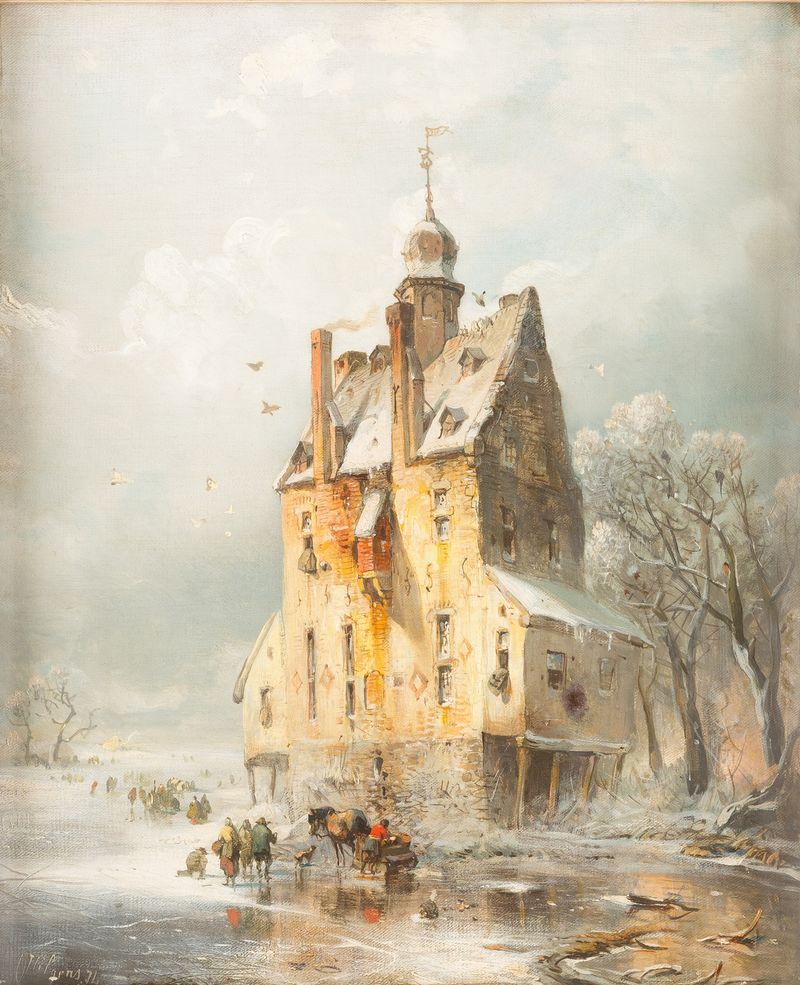
Mansion ‘Quadenhof’ at Gerresheim
Carl Hilgers
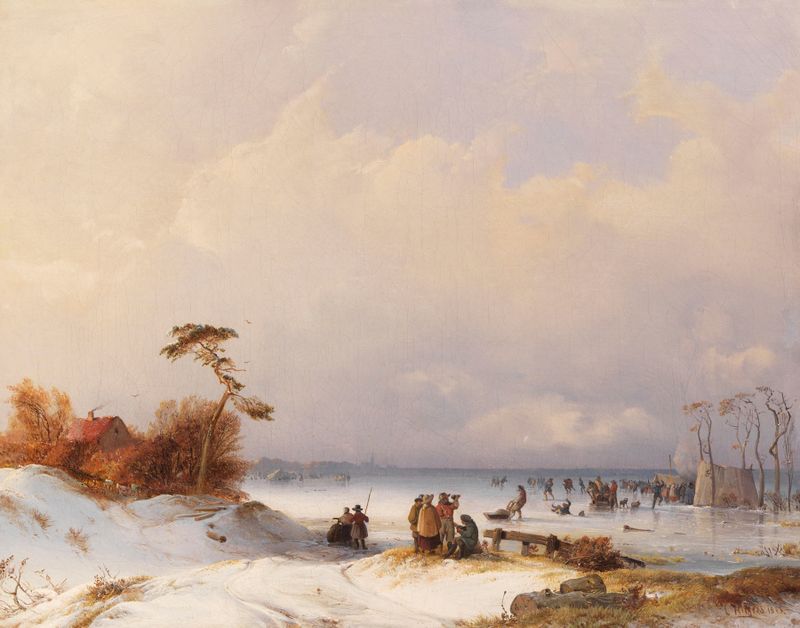
Eisvergnügen
Carl Hilgers
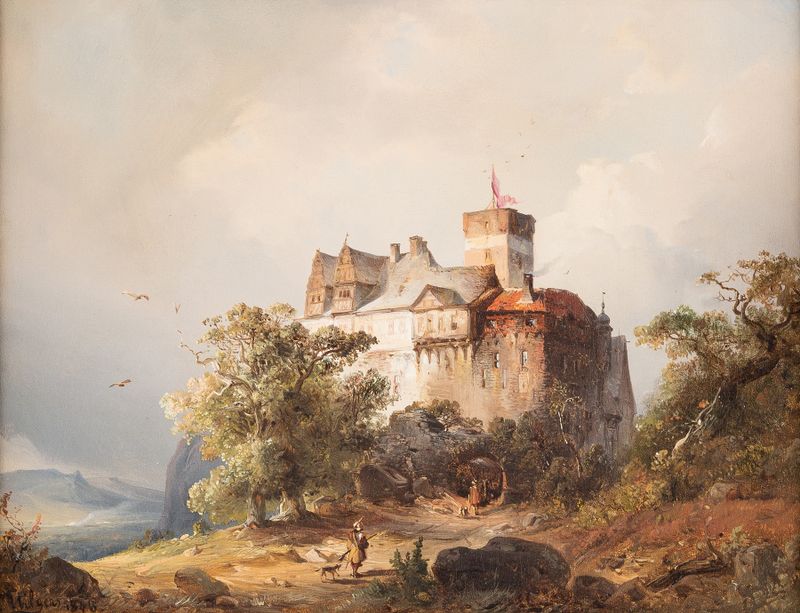
Castle in stormy landscape
Carl Hilgers
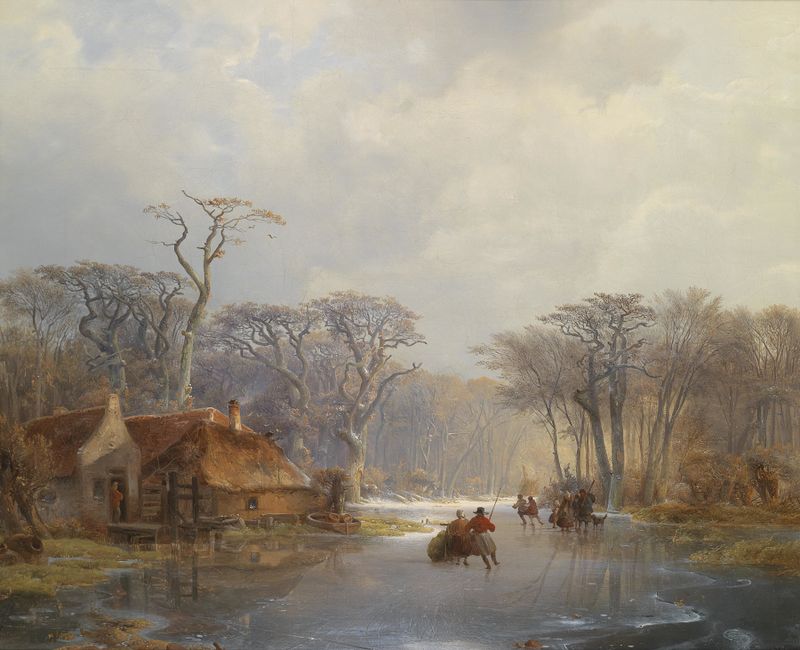
Wintervergnügen
Carl Hilgers





