
Castle in stormy landscape — History & Facts
This sentiment echoes through time, resonating with a longing that transcends the canvas. It speaks to the soul's yearning for clarity amidst chaos, a theme poignantly explored in the stormy landscapes of the past. Focus on the tumultuous sky in Castle in Stormy Landscape, where dark, swirling clouds dominate the upper section of the painting. Notice how the maelstrom of grays and blues contrasts with the tantalizing hints of warm light seeping through.
The castle, perched defiantly on the hill, draws your eye with its stark outlines; its sturdy towers stand as a symbol of resilience against the approaching storm. The artist’s brushwork creates a dynamic interplay of light and shadow, evoking a sense of impending drama that compels the viewer to confront the tension within. Delve deeper into the intricacies: the rough texture of the landscape beneath the castle contrasts sharply with its formidable structure, illustrating the struggle between nature and human creation. The storm seems to whisper secrets of vulnerability, yet the castle embodies a steadfast hope, a metaphor for the human spirit.
This duality reflects a profound emotional tension, inviting contemplation on the relationship between protection and peril, aspiration and reality. In 1848, Carl Hilgers painted Castle in Stormy Landscape during a time of upheaval in Europe, marked by revolutions and a quest for identity. Living in Germany, Hilgers was influenced by Romanticism, which emphasized nature's power and beauty, alongside human emotion. This painting reveals his fascination with the sublime—a world where tranquility and turmoil coexist, mirroring the struggles of his era and hinting at the longing for stability and truth amidst uncertainty.
More Artworks by Carl Hilgers
Browse all →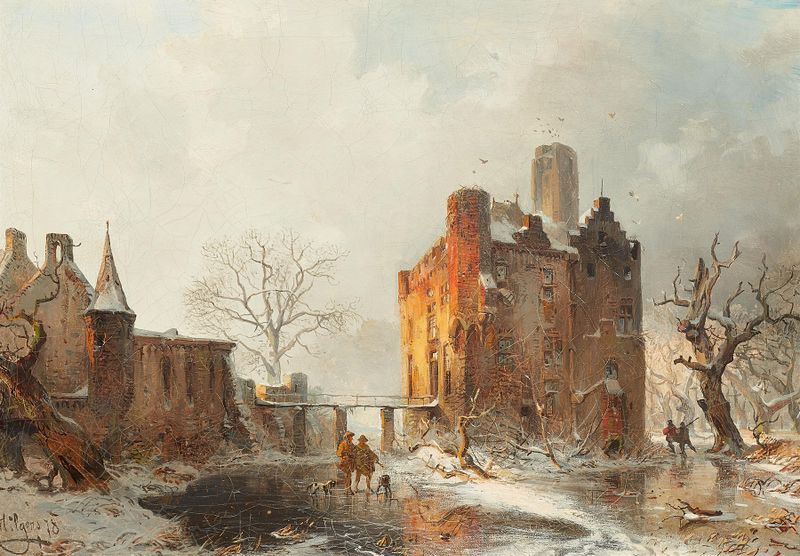
Burg Doornenburg im Winter
Carl Hilgers
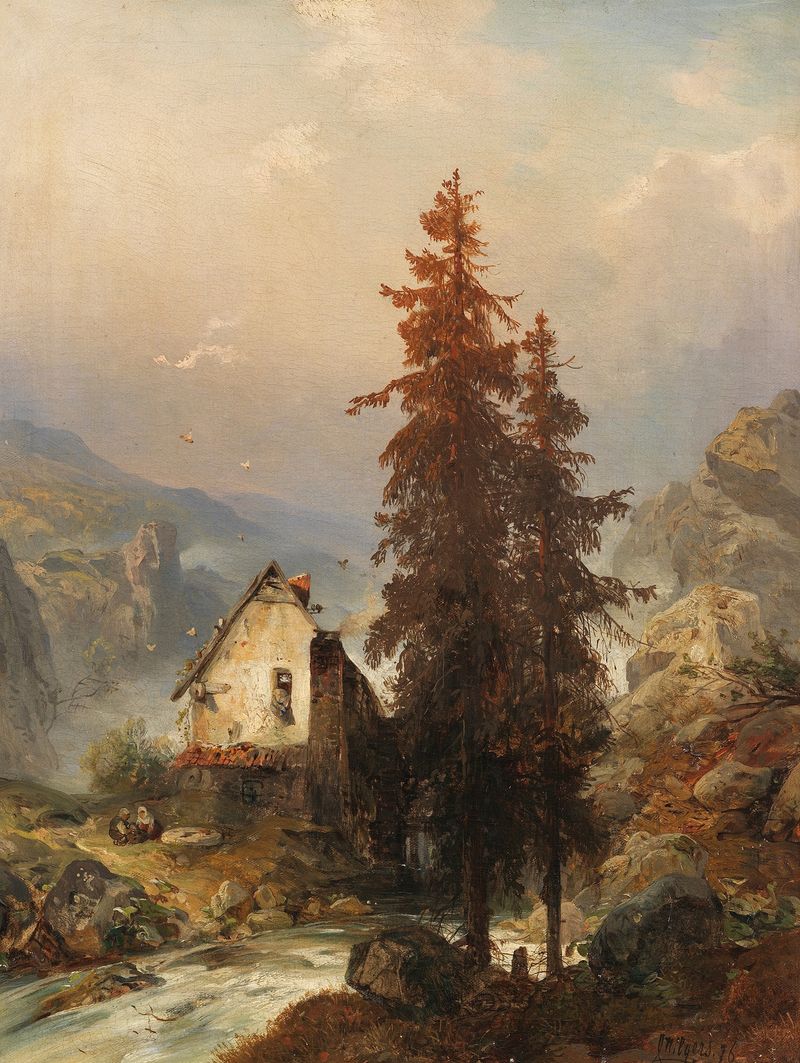
Mühle im Gebirgstal
Carl Hilgers
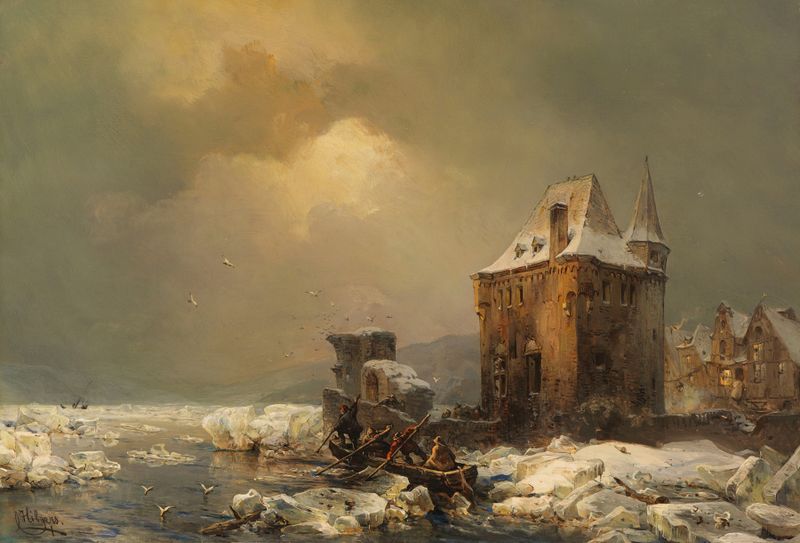
Eisfischer am Wasserschloss
Carl Hilgers
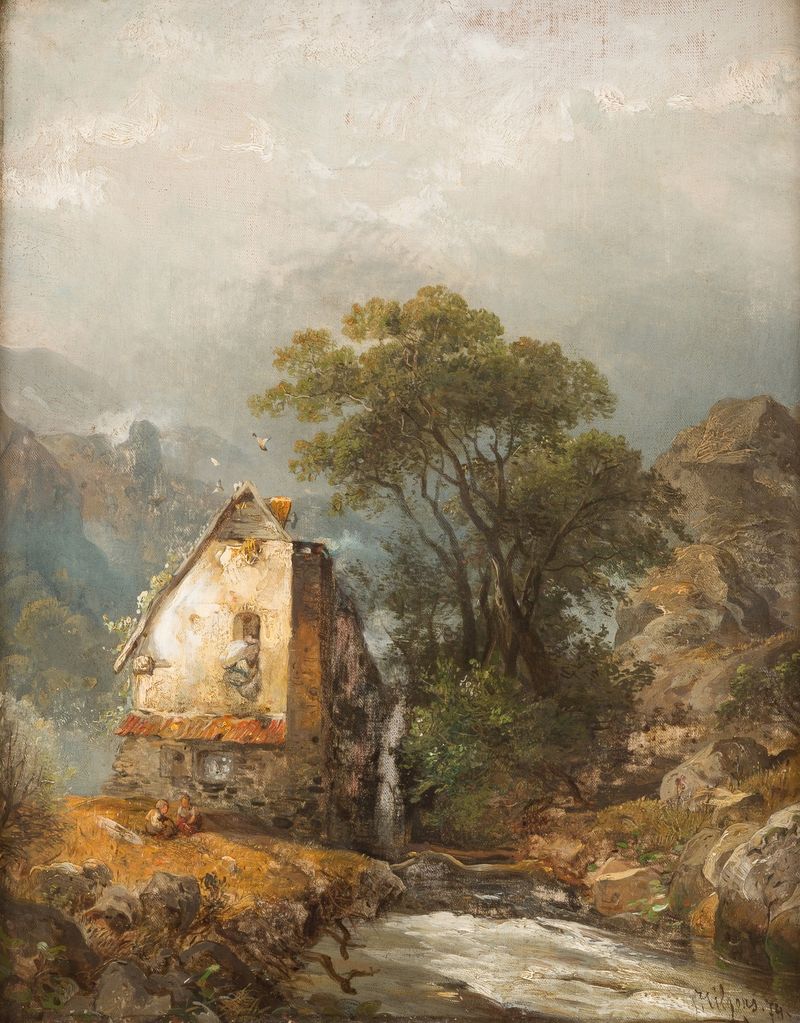
Mill by a stream
Carl Hilgers
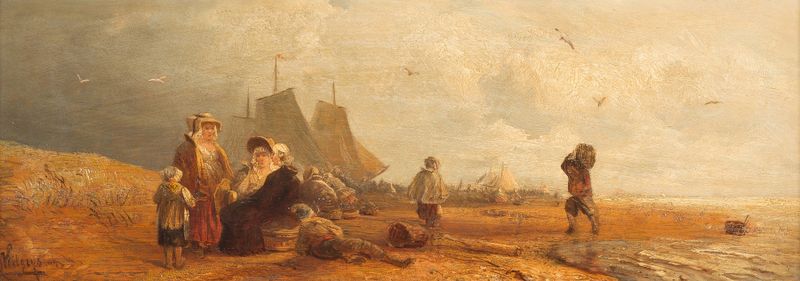
Dutch fishermen by the beach
Carl Hilgers
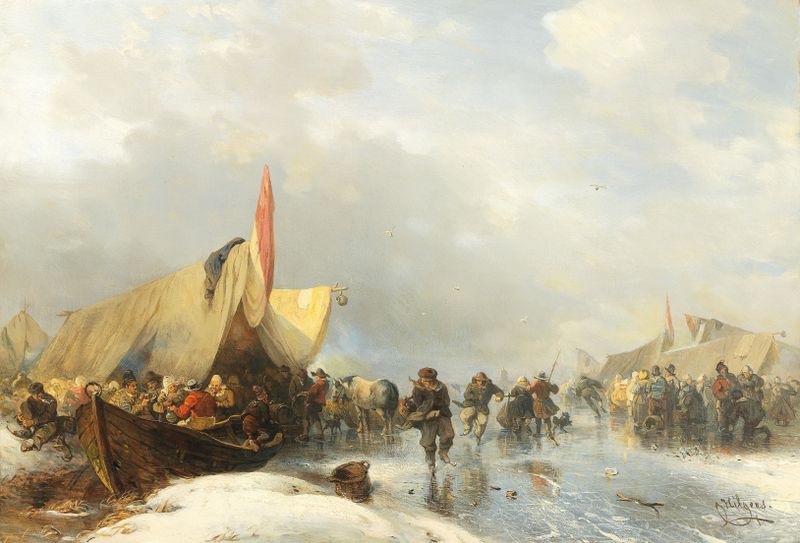
Winter Pleasures On The Ice
Carl Hilgers
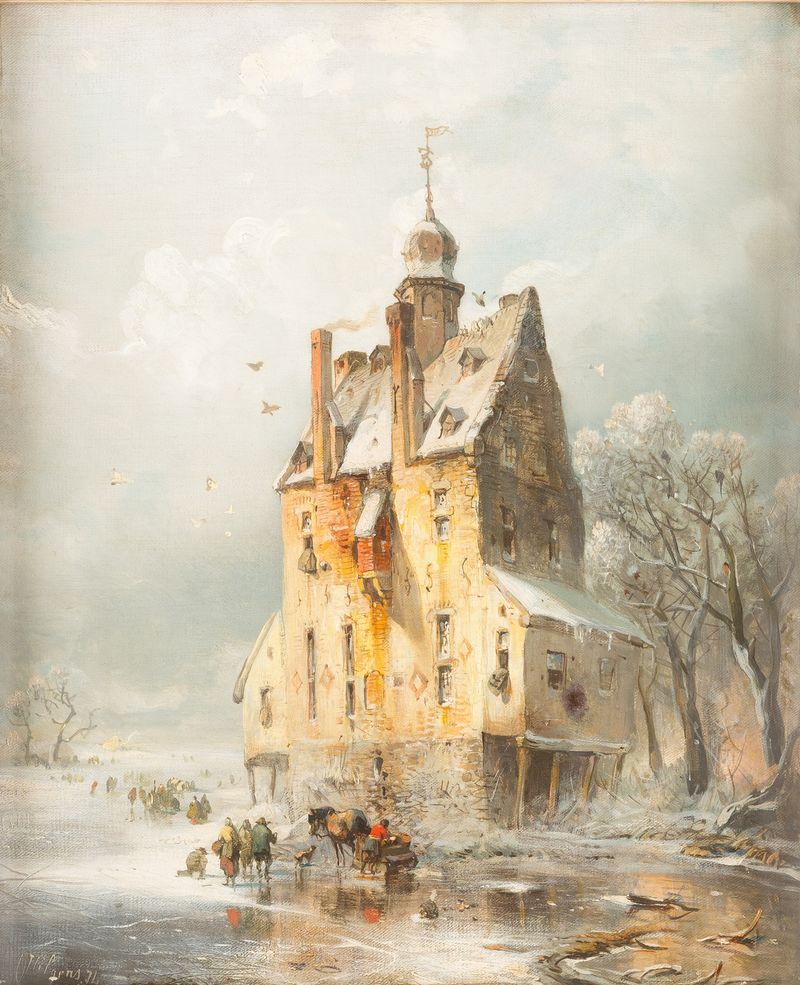
Mansion ‘Quadenhof’ at Gerresheim
Carl Hilgers
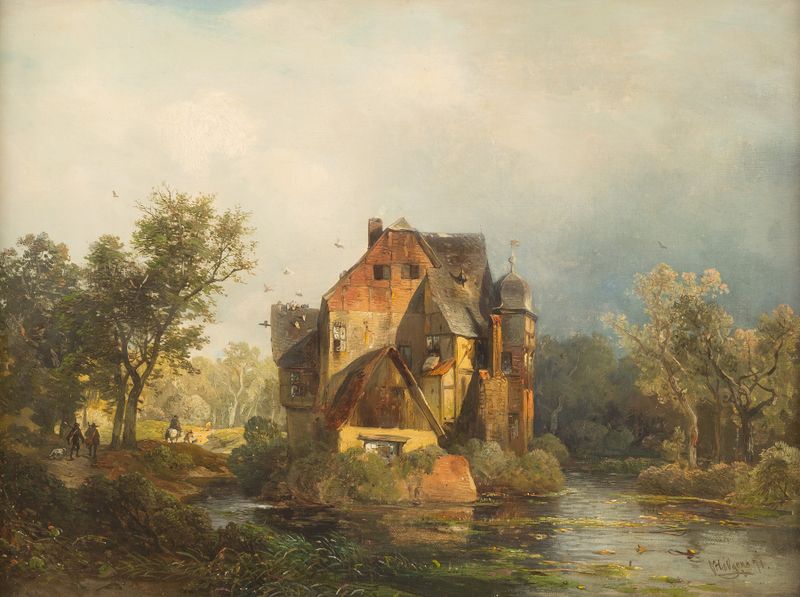
Water castle Caspersbroich
Carl Hilgers
Eisvergnügen
Carl Hilgers
Wintervergnügen
Carl Hilgers





