
Mansion ‘Quadenhof’ at Gerresheim — History & Facts
Could beauty survive in a century of chaos? In the shadow of a grand mansion, life’s legacy stands resilient, whispering stories of those who came before. Look to the center where the stately facade of the mansion commands attention, its architectural elegance framed by the gentle green of surrounding trees. The interplay of light and shadow creates a dynamic tension, from the soft glow illuminating the well-defined details of the windows to the darker recesses that invite curiosity about what lies within. Notice the meticulous brushwork that captures the texture of the aged stone, each stroke a testament to the passage of time. Delve deeper into the serene exterior; beneath the surface, there exists a dialogue between permanence and decay.
The flourishing nature at the forefront contrasts with the rigid structure behind, hinting at the inevitable ebbs and flows of time. The nearly forgotten path leading up to the mansion suggests movement, yet the stillness of the scene evokes a haunting quiet, as if the past lingers, waiting to be rediscovered. In 1874, when this piece was created, the artist found himself amidst a rapidly industrializing Europe, where the tension between tradition and progress was palpable. Working in Gerresheim, a suburb of Düsseldorf, Hilgers turned to local architecture as inspiration, capturing its essence with a devotion that reflected both personal and societal nostalgia.
This painting stands as a remembrance of a time when beauty was sought amidst a changing world, a legacy solidified through art.
More Artworks by Carl Hilgers
Browse all →
Burg Doornenburg im Winter
Carl Hilgers
Mühle im Gebirgstal
Carl Hilgers
Eisfischer am Wasserschloss
Carl Hilgers
Mill by a stream
Carl Hilgers
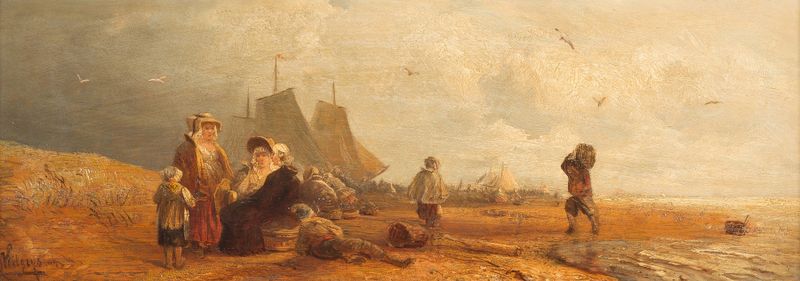
Dutch fishermen by the beach
Carl Hilgers
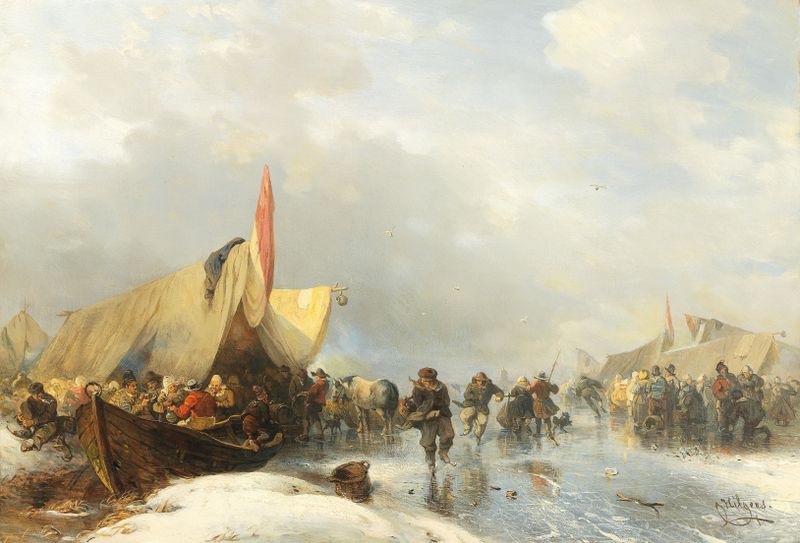
Winter Pleasures On The Ice
Carl Hilgers
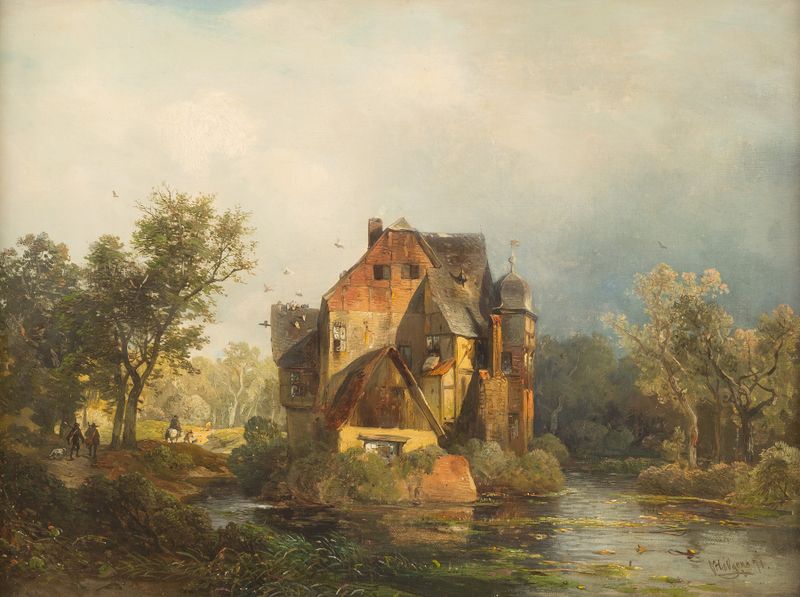
Water castle Caspersbroich
Carl Hilgers
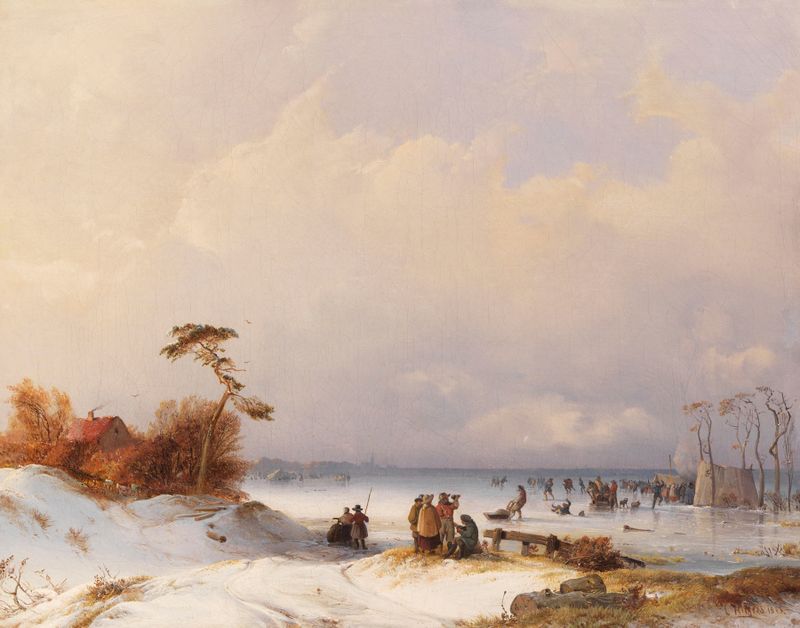
Eisvergnügen
Carl Hilgers
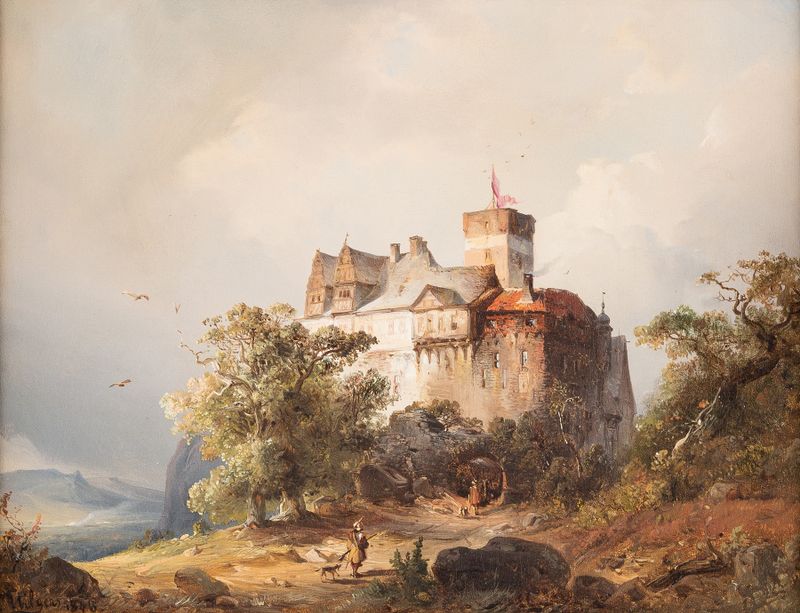
Castle in stormy landscape
Carl Hilgers
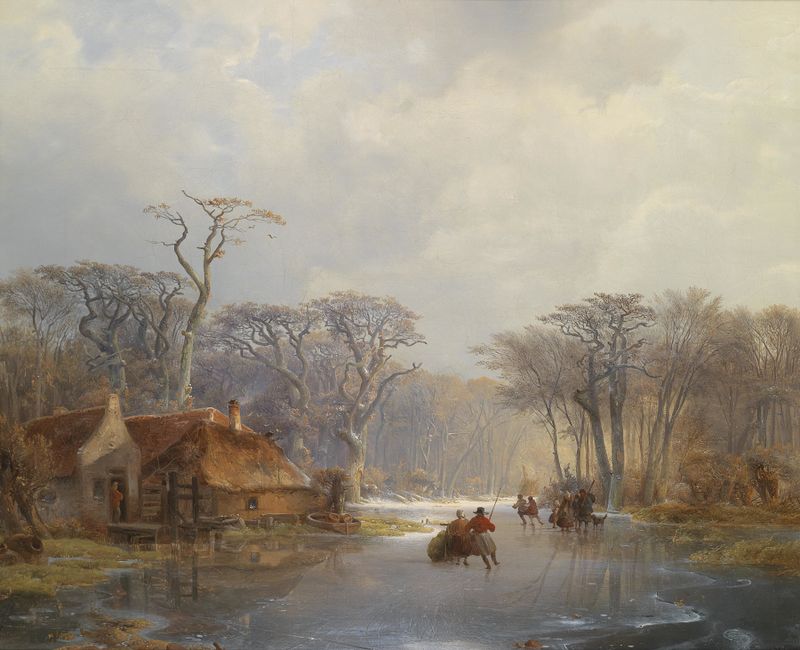
Wintervergnügen
Carl Hilgers
More Architecture Art
Browse all →
The statue of Liberty
Frédéric Auguste Bartholdi

View of Houses in Delft, Known as ‘The Little Street’
Johannes Vermeer

View of Houses in Delft, Known as ‘The Little Street’
Johannes Vermeer

The Cathedral in Rouen. The portal, Grey Weather
Claude Monet

The yellow house
Vincent van Gogh

The Church in Auvers-sur-Oise, View from the Chevet
Vincent van Gogh