
Mill by a stream — History & Facts
Could a single brushstroke hold eternity? Within the serene embrace of water and earth, the quietude of existence breathes through every inch of the canvas. Look to the left at the gentle arch of the willow's branches, draping gracefully over the stream, as if shielding the scene from the world beyond. The palette is rich yet muted; soft greens and browns mingle, inviting the eye to travel across the composition. Notice how the sunlight filters through the foliage, casting ethereal reflections upon the water's surface, thus bridging the realms of reality and illusion with delicate precision. Hidden within this picturesque setting lies the tension of human presence and nature's relentless passage.
The mill, though inanimate, stands as a testament to industry and the fleeting nature of time. Its sturdy structure contrasts with the ephemeral qualities of the flowing water, hinting at the transient nature of both life and labor. Each ripple in the stream echoes the void that exists beyond the idyllic scene, suggesting a deeper existential contemplation. In 1874, the painter found himself in a moment of artistic exploration, deeply influenced by the German Romantic movement's embrace of nature.
Living in a world rich with industrial change, he captured not only a scene but a poignant reflection on the coexistence of progress and tranquility in the landscape of his time. This work resonates with the quiet nostalgia of an era caught between the pastoral and the mechanized, a testament to both beauty and the inevitable passage of time.
More Artworks by Carl Hilgers
Browse all →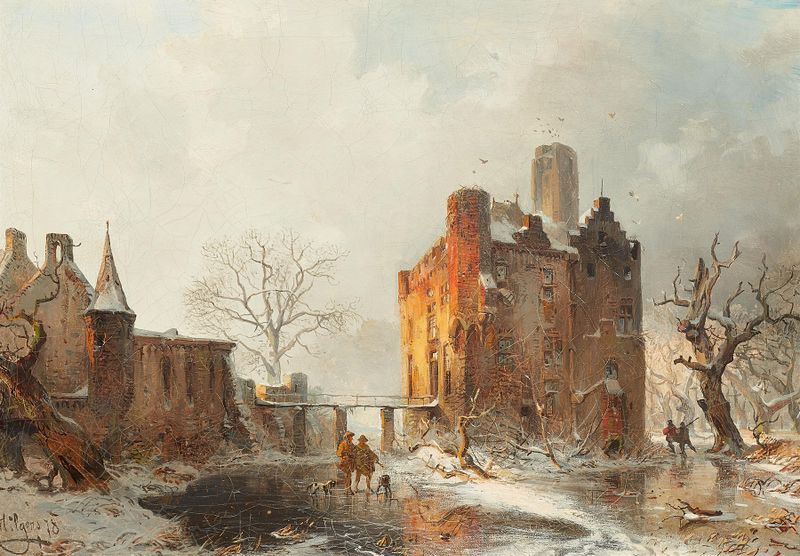
Burg Doornenburg im Winter
Carl Hilgers
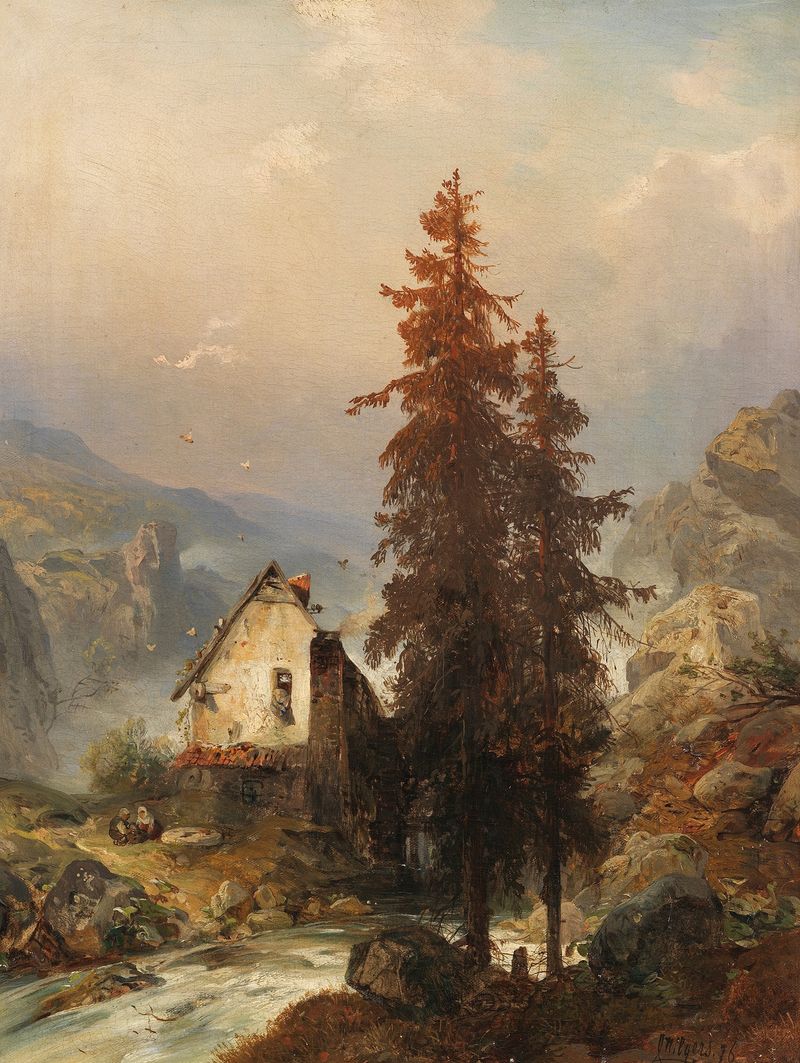
Mühle im Gebirgstal
Carl Hilgers
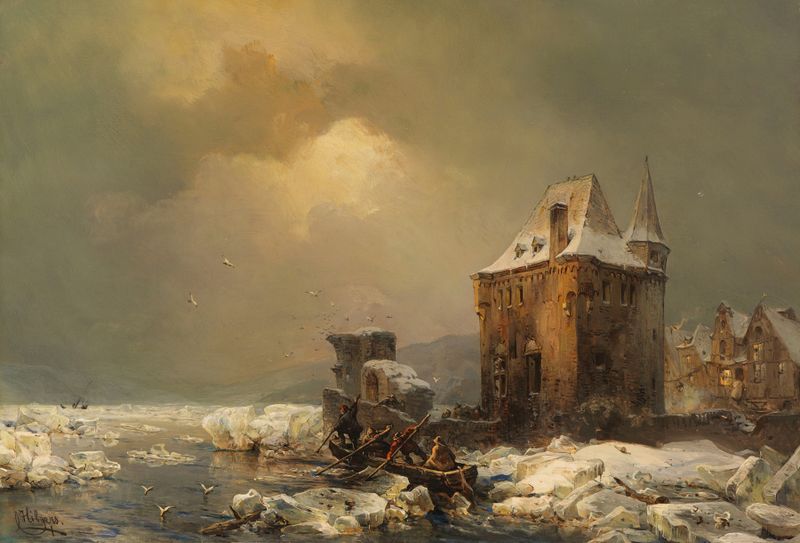
Eisfischer am Wasserschloss
Carl Hilgers
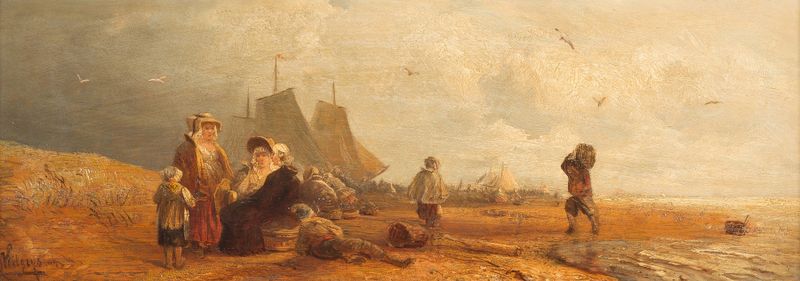
Dutch fishermen by the beach
Carl Hilgers
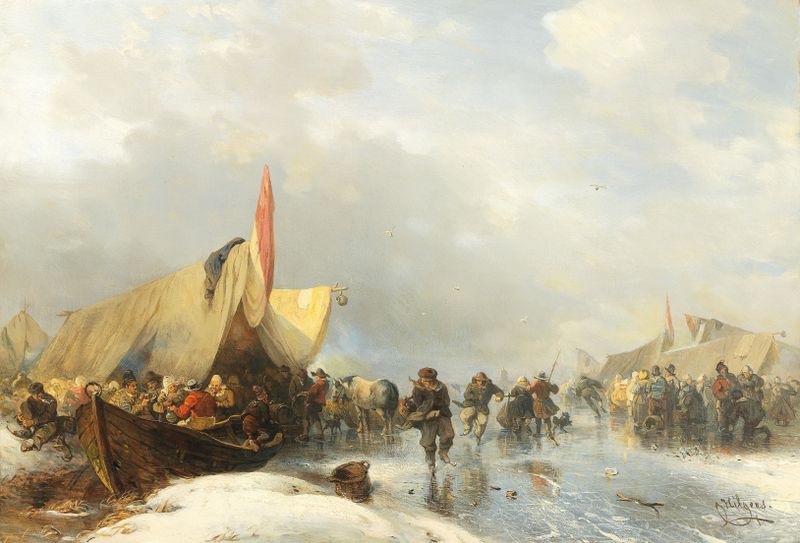
Winter Pleasures On The Ice
Carl Hilgers
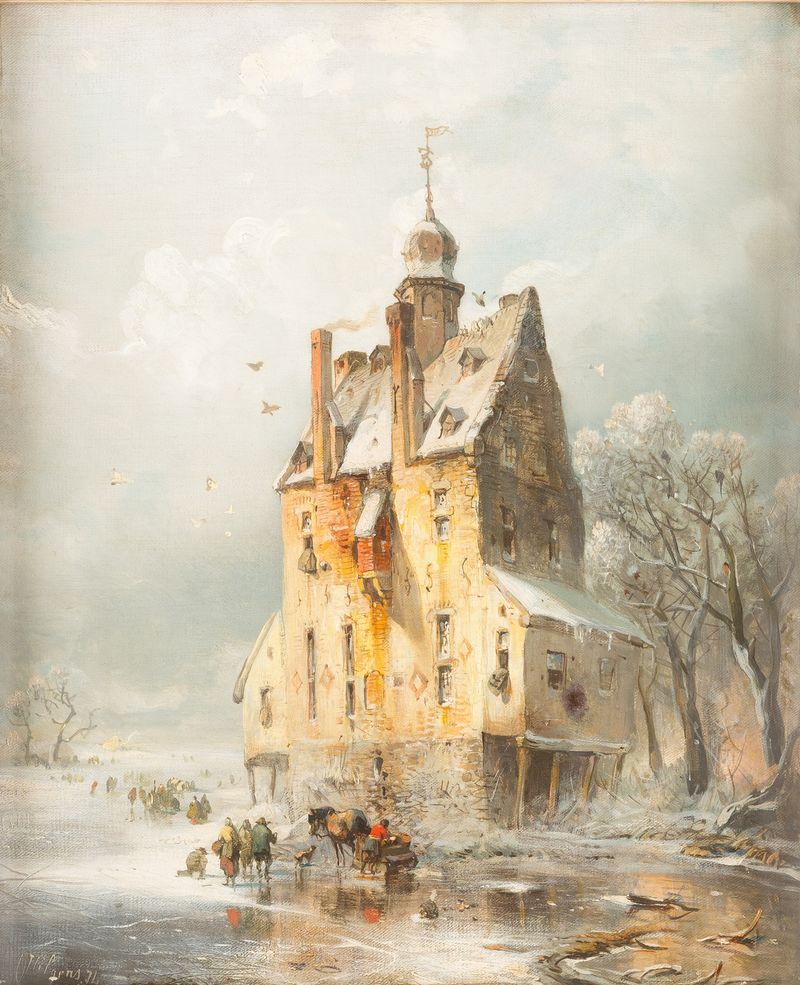
Mansion ‘Quadenhof’ at Gerresheim
Carl Hilgers
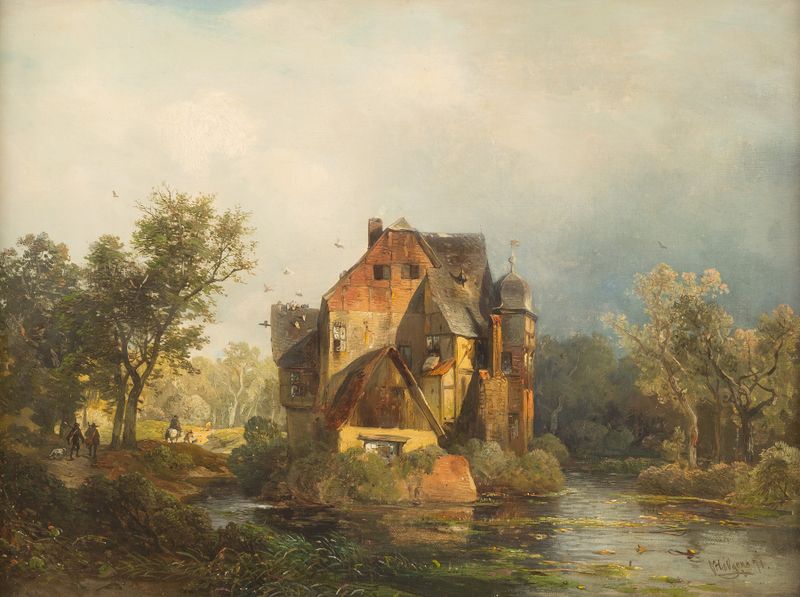
Water castle Caspersbroich
Carl Hilgers
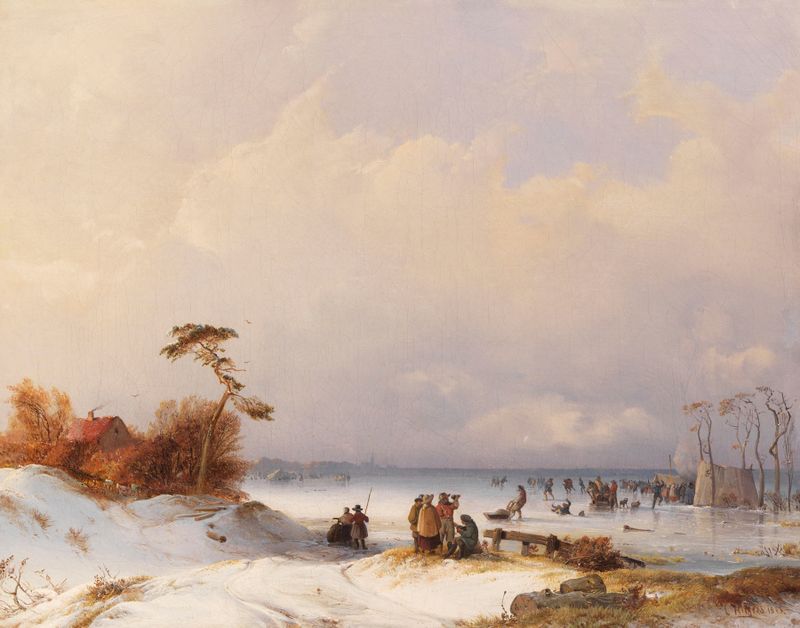
Eisvergnügen
Carl Hilgers
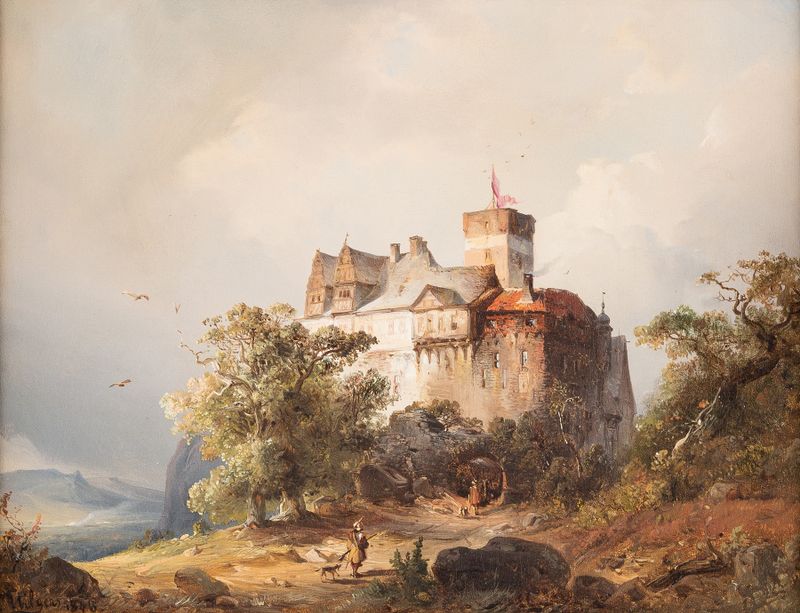
Castle in stormy landscape
Carl Hilgers
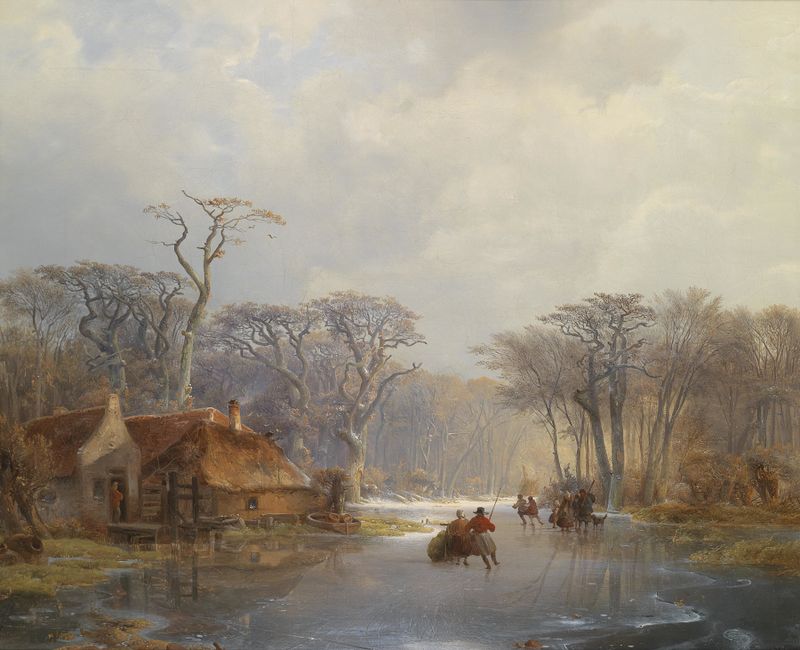
Wintervergnügen
Carl Hilgers





