
Discover insights about this artwork
Bust of a Man. Allegory of Bacchus — History & Facts
Bust of a Man. Allegory of Bacchus depicts a man with a strong presence, embodying the spirit of Bacchus, the Roman god of wine. His facial features are carefully sculpted, with a flowing beard and an expression that suggests both joy and wisdom.
The bust is adorned with grapevines, emphasizing his connection to nature and festivity. The colors used are rich and warm, reflecting the themes of abundance and celebration associated with Bacchus. If you look closely at the details, you can see the intricate textures of his hair and beard, which are rendered with great care. The grapevines wrap around his head and shoulders, adding a sense of movement to the piece.
Notice how the light plays on the surface, highlighting the contours of his face and the folds of the vines. This attention to detail brings the bust to life, making it feel almost three-dimensional. Mariano Fortuny Marsal was a Spanish painter and printmaker known for his vivid colors and dramatic compositions. He was part of the Romanticism movement, which emphasized emotion and individualism in art.
Fortuny was also influenced by his travels, especially to North Africa, which inspired many of his works. An interesting fact about him is that he was not only a painter but also an accomplished etcher and designer, showcasing his diverse talents.
More Artworks by Mariano Fortuny Marsal
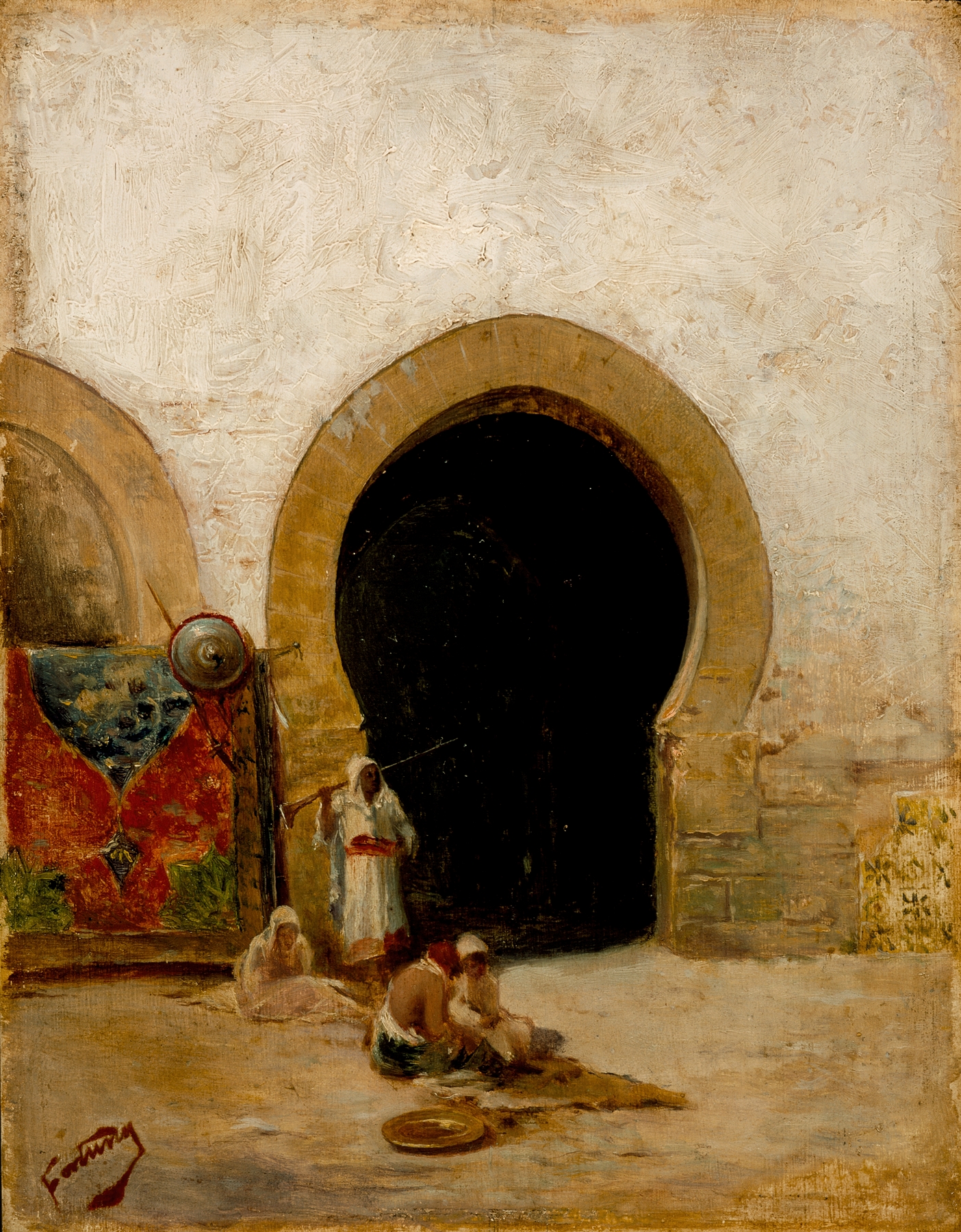
At the Gate of the Seraglio
Mariano Fortuny Marsal
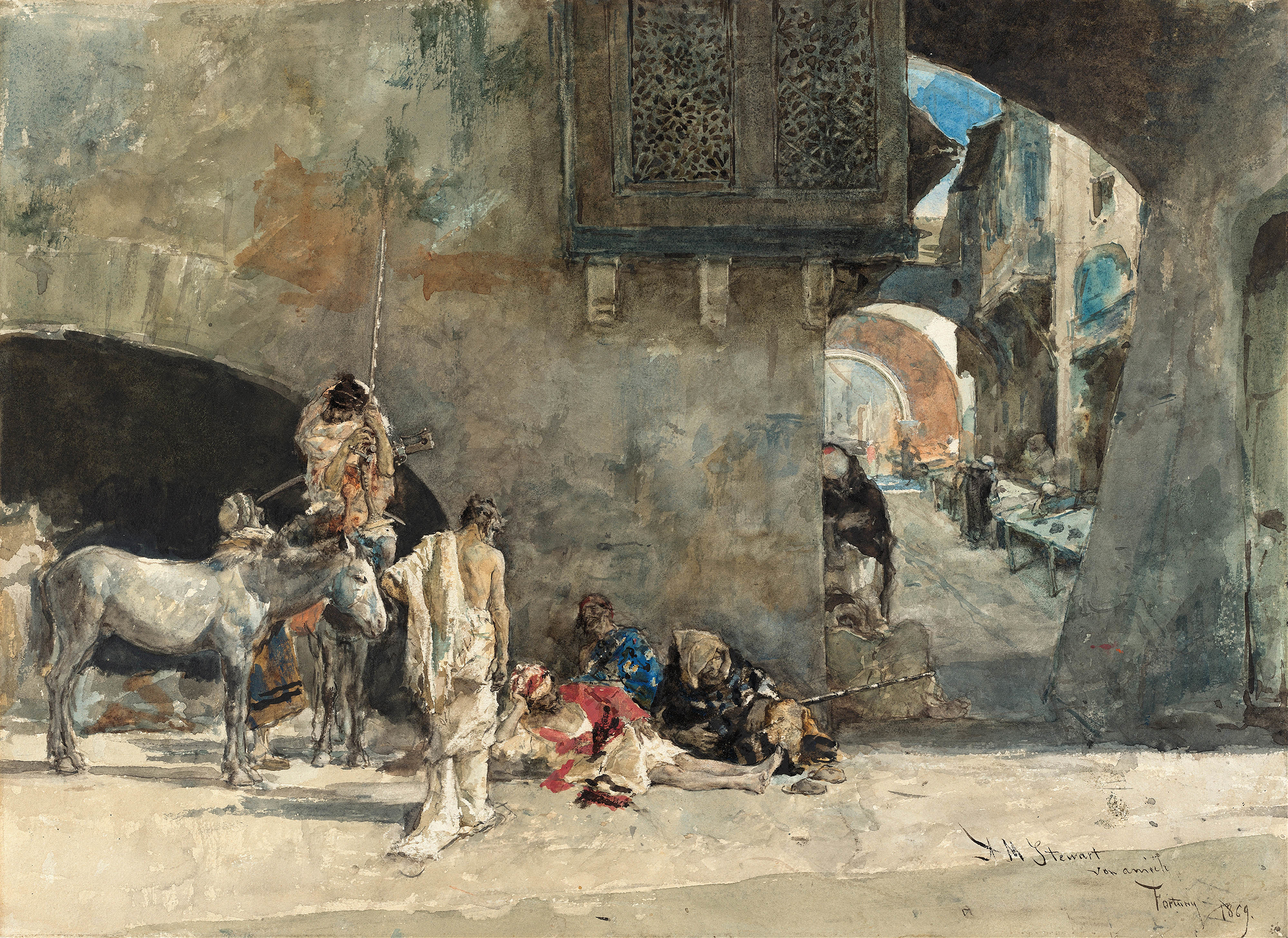
A Street in Tangiers
Mariano Fortuny Marsal
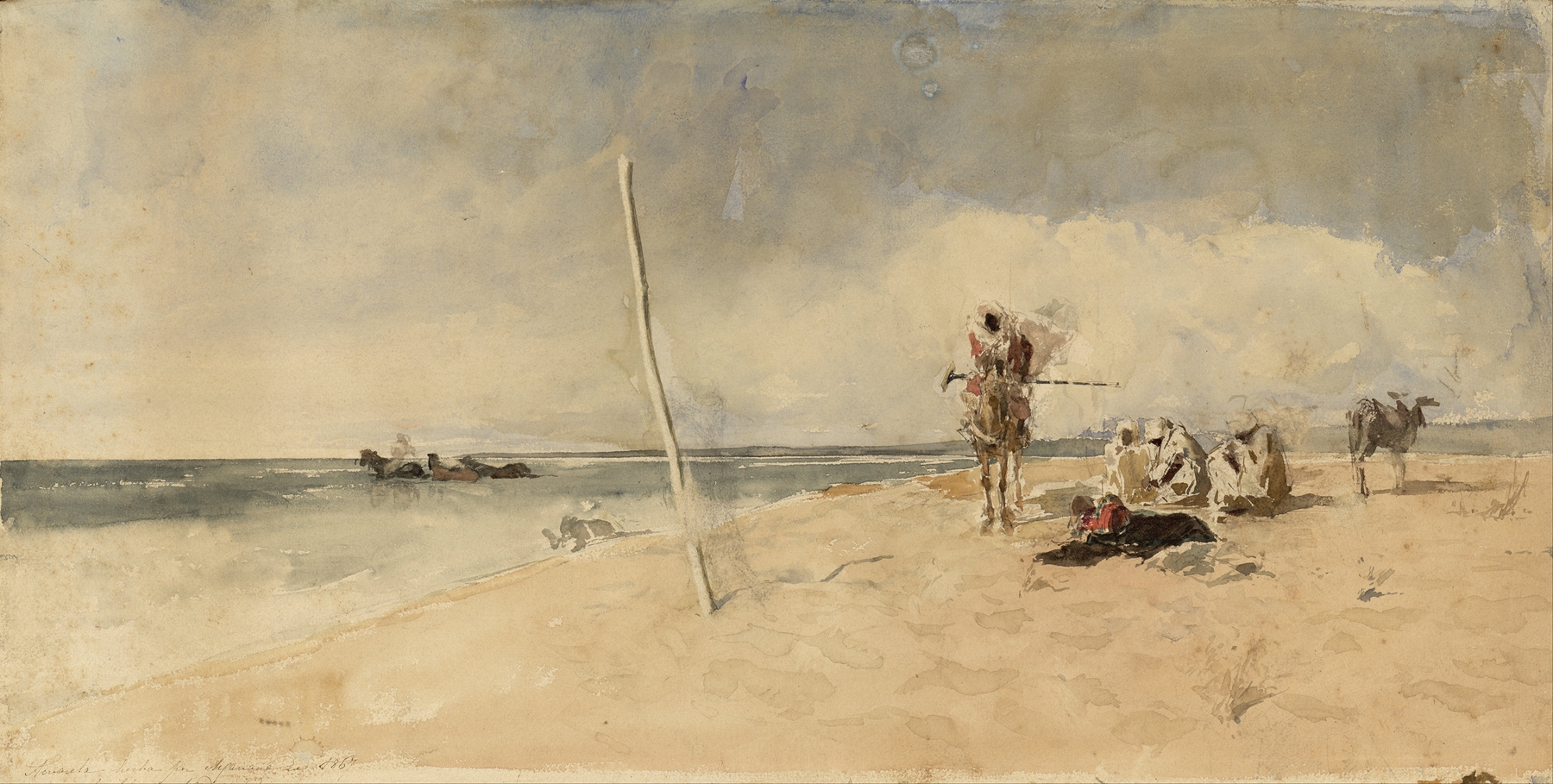
African Beach
Mariano Fortuny Marsal
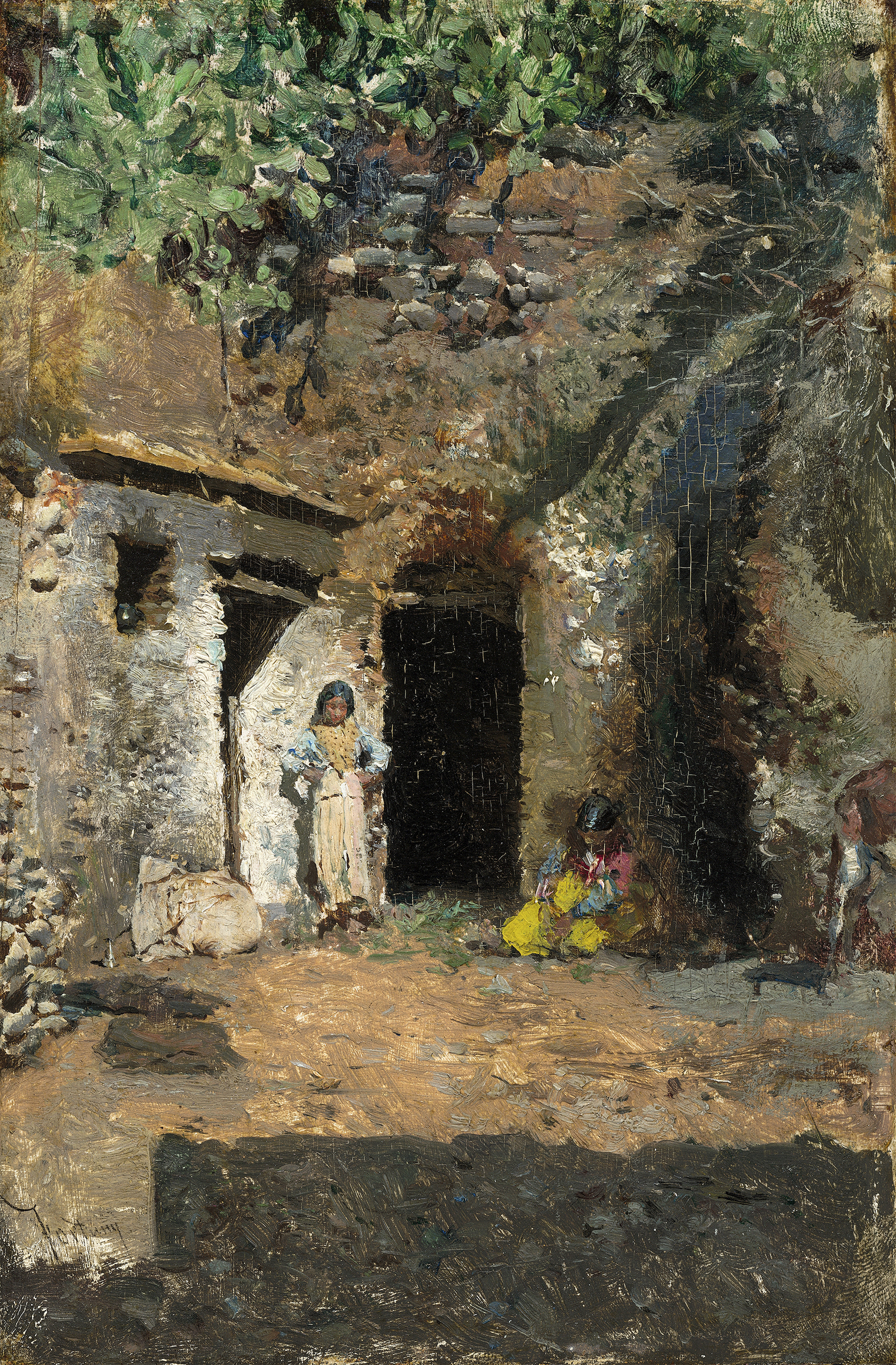
Gypsy Caves,Granada
Mariano Fortuny Marsal
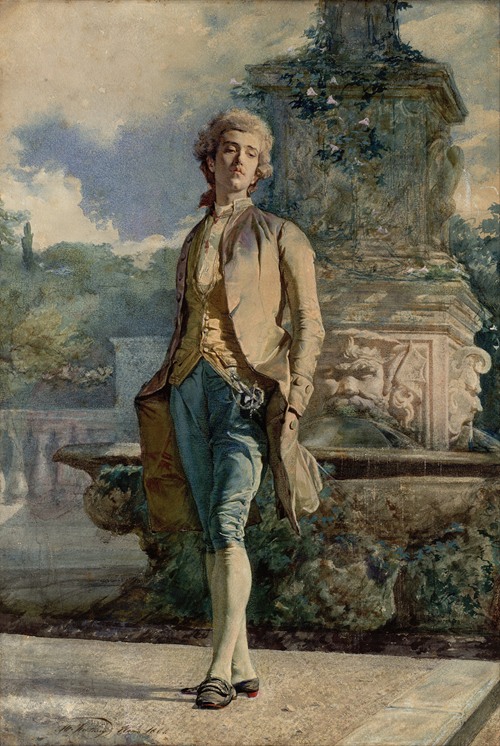
Il contino
Mariano Fortuny Marsal
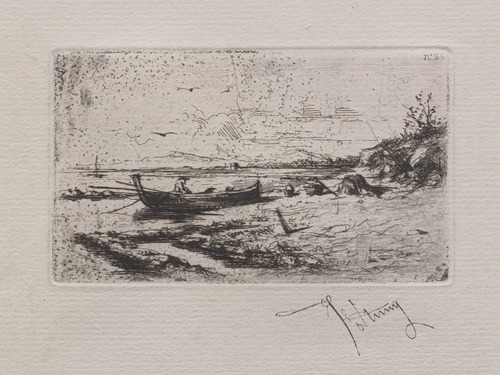
Untitled
Mariano Fortuny Marsal
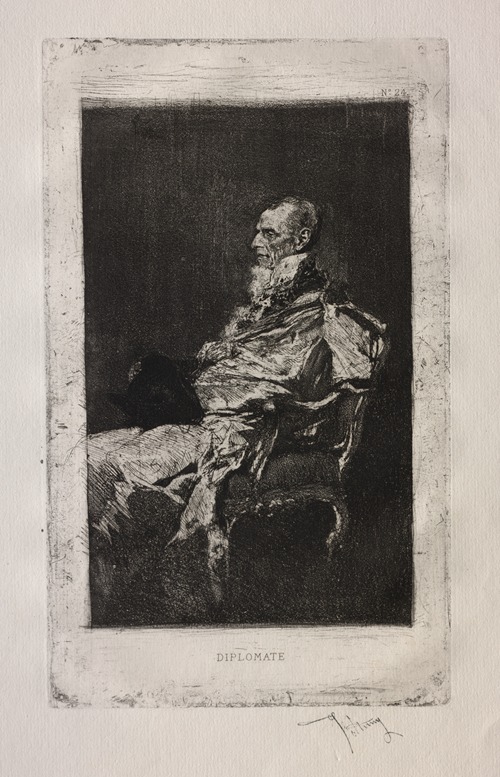
Diplomat
Mariano Fortuny Marsal
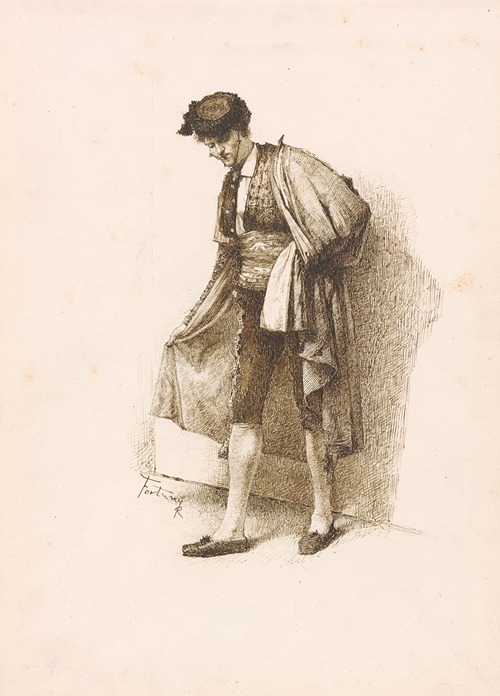
Portrait of a Matador
Mariano Fortuny Marsal
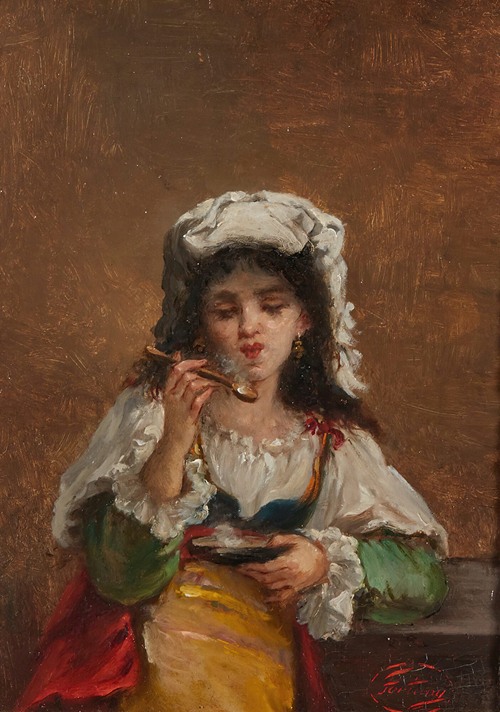
Hot Soup
Mariano Fortuny Marsal
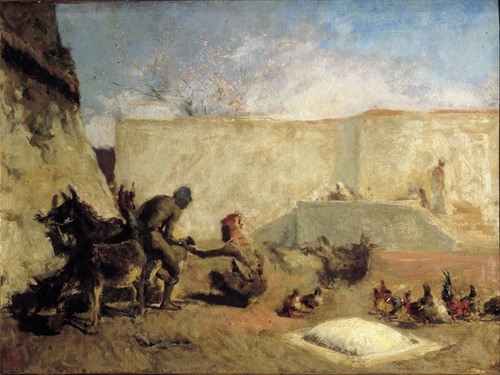
Moroccan Horseshoer
Mariano Fortuny Marsal
More Allegory Art
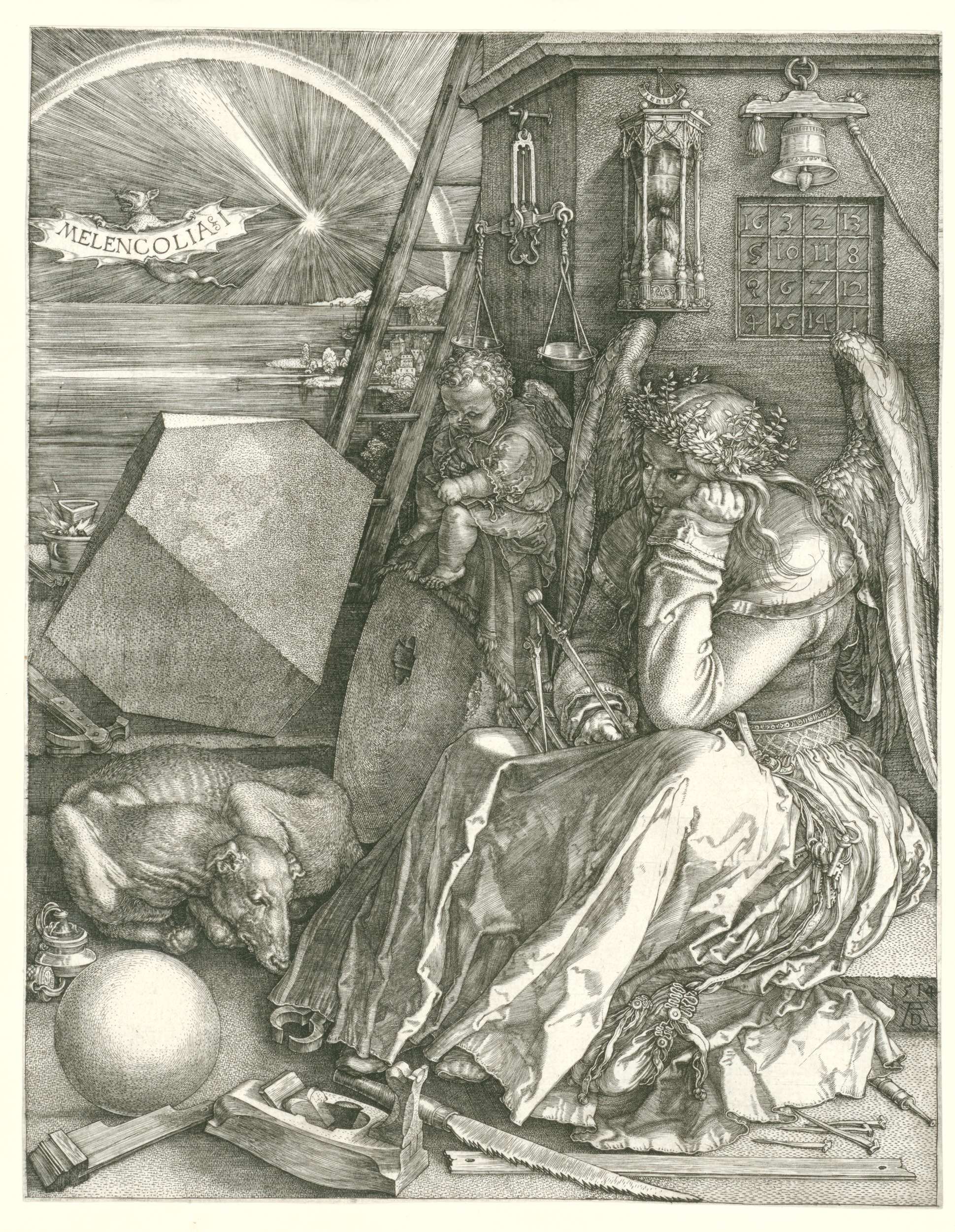
Melancholia
Albrecht Dürer
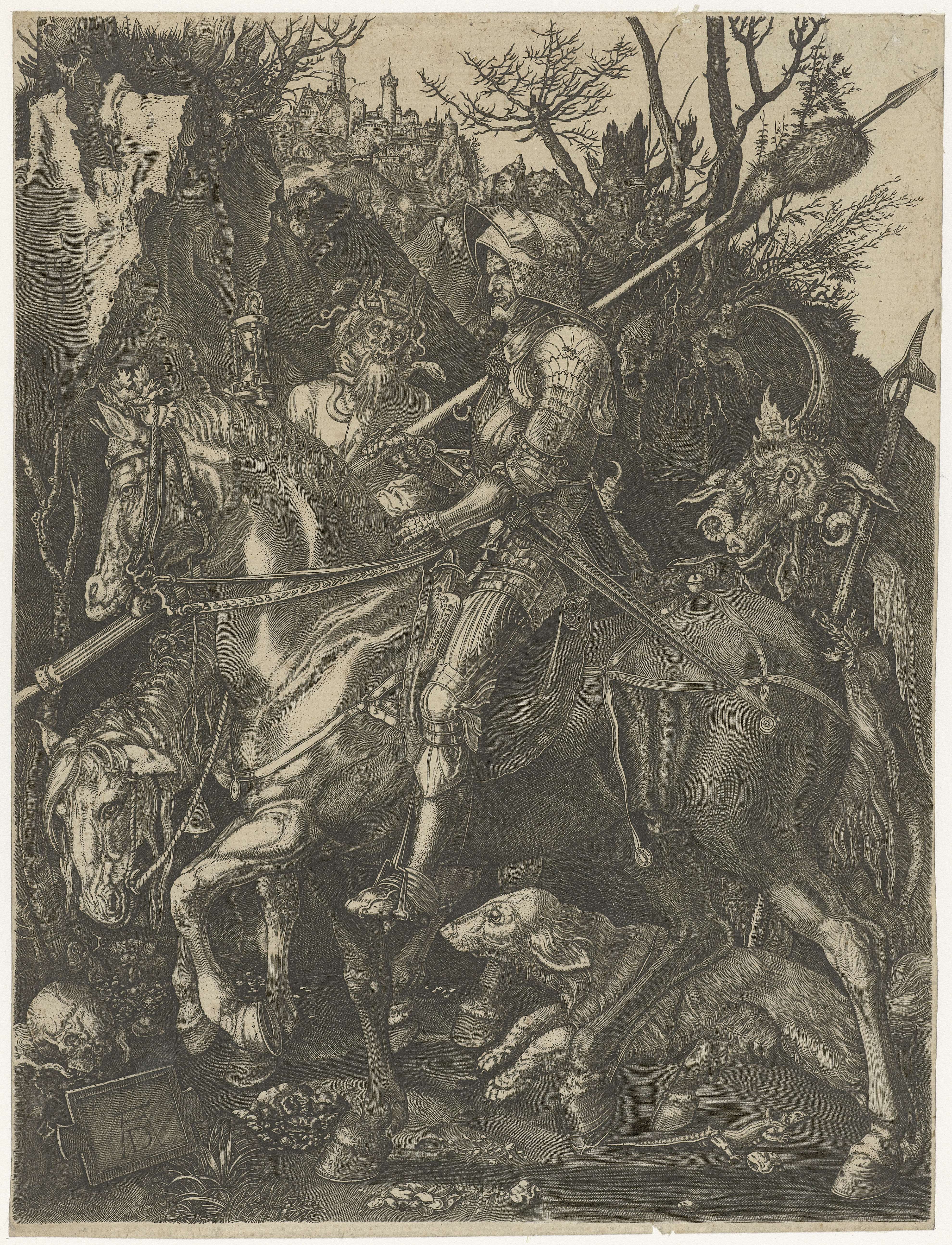
Ridder, Dood en Duivel
Unknown Artist
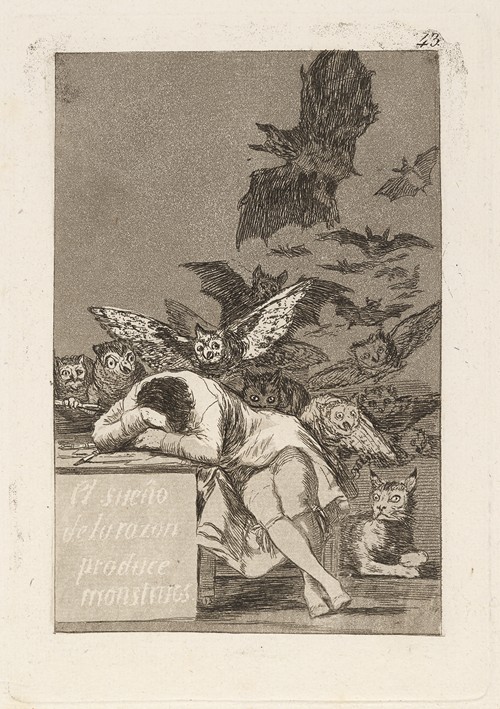
El sueño de la razon produce monstruos. (The sleep of reason produces monsters.)
Francisco de Goya
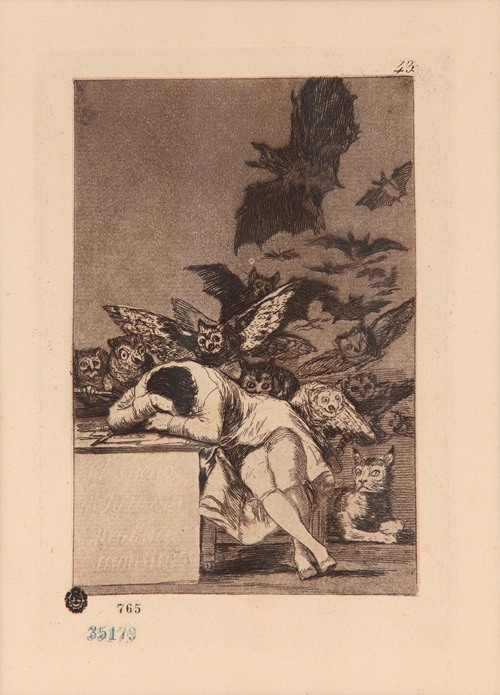
El sueño de la razon produce moustruos (Serie Caprichos)
Francisco de Goya
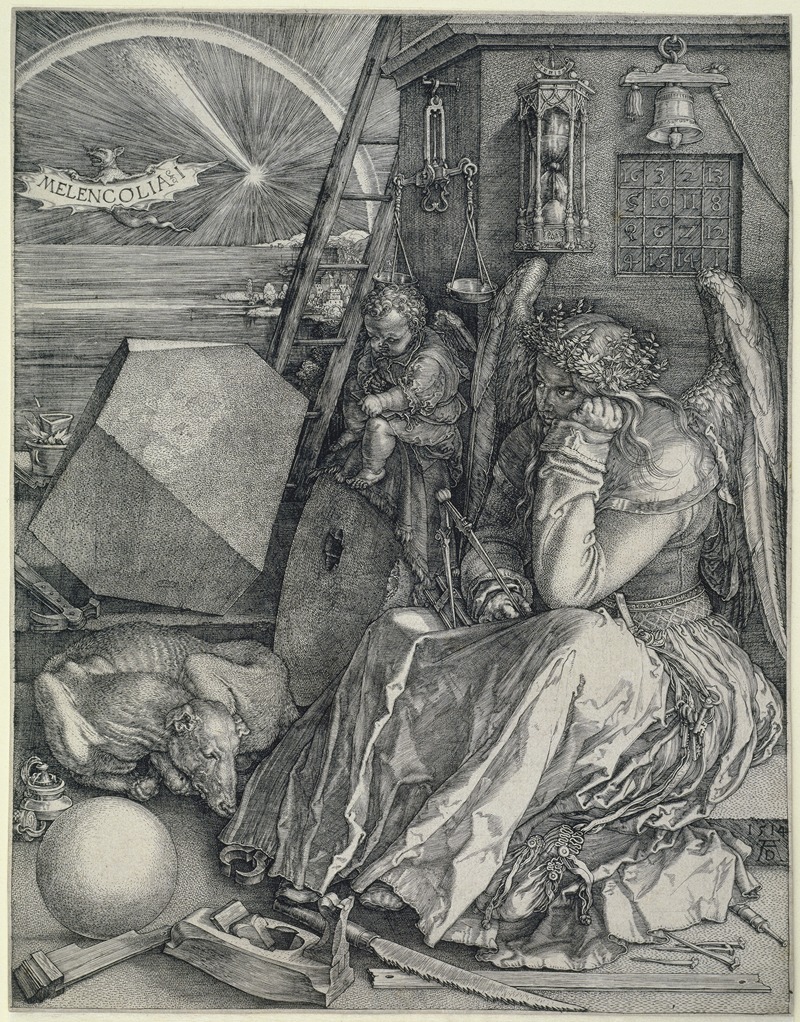
Melencolia I (The Melancholy)
Albrecht Dürer
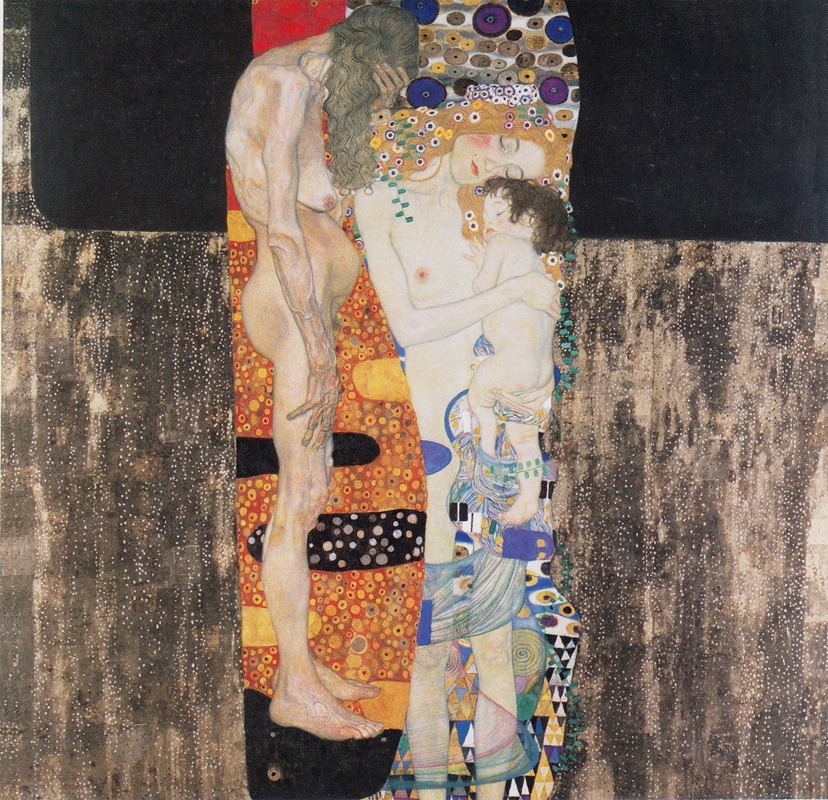
The Three Ages of the Woman
Gustav Klimt