
Bust of a woman — History & Facts
What grips the viewer first in Bust of a woman by Adriaen van Ostade is the unwavering directness of her gaze. The sitter’s eyes meet ours head-on, unflinching, as if she has been caught in a moment of honest self-possession. The light falls squarely across her broad face, illuminating the subtle flush in her cheeks and the texture of her skin, while her simple white collar catches the same glow, anchoring her presence against a murky, undefined background.
There is no jewelry, no ornament—her story is told in the firmness of her jaw and the quiet steadiness of her expression. The brushwork is loose yet deliberate, especially in the rendering of her hair and the folds of her collar, suggesting a painter more interested in character than in polish. This work belongs to the bustling world of the Dutch Golden Age, a time when artists like Ostade found their subjects in everyday life rather than in the grand histories or religious scenes of earlier centuries. Portraits and character studies such as this were often commissioned or purchased by the rising middle class, eager to see themselves reflected in art.
Painted in the 17th century and now housed in the National Museum in Warsaw, this bust is a testament to the era’s fascination with individuality and the ordinary. History has kept few traces of this particular sitter’s identity, but her presence endures, inviting us to look again and wonder about the life behind those steady eyes.
More Artworks by Adriaen van Ostade

Dans in de herberg
Adriaen van Ostade
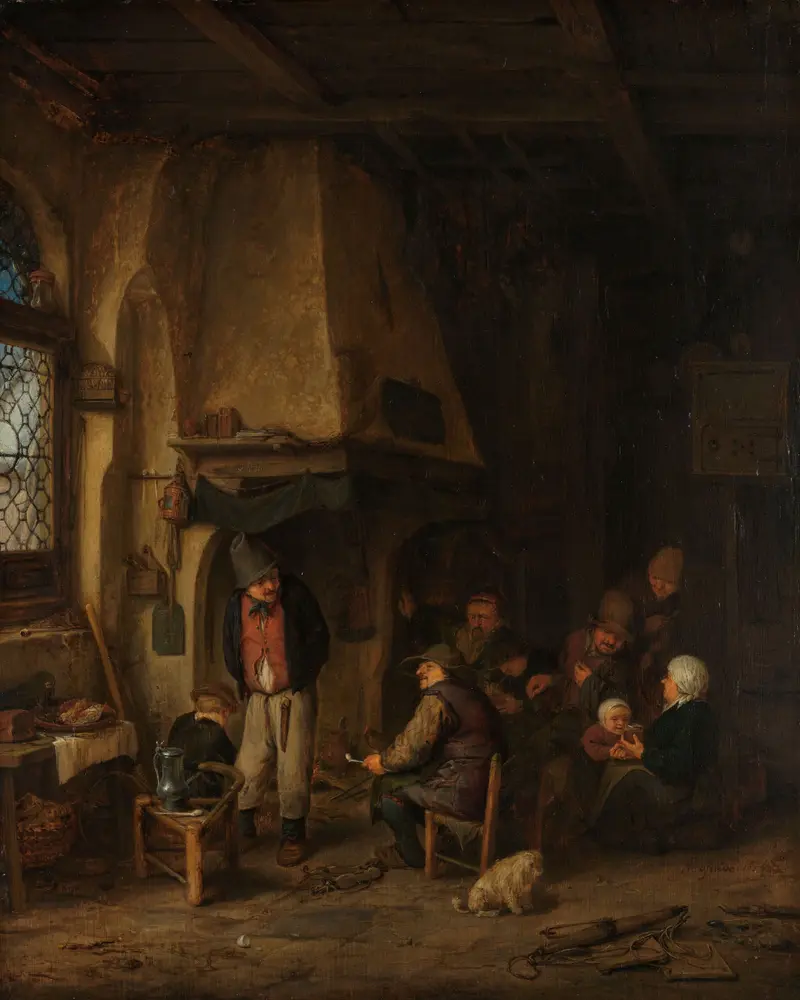
‘The Skaters’: Peasants in an Interior
Adriaen van Ostade
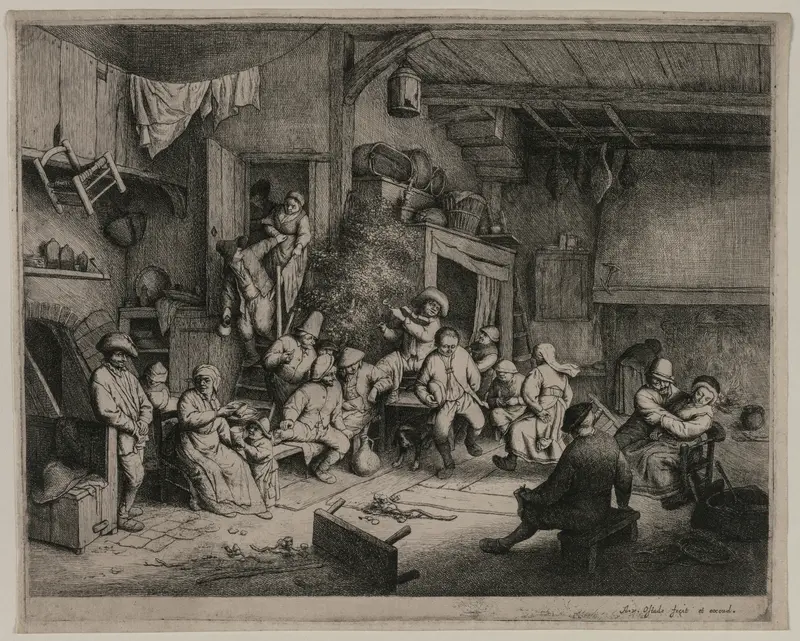
Dance at the Inn
Adriaen van Ostade
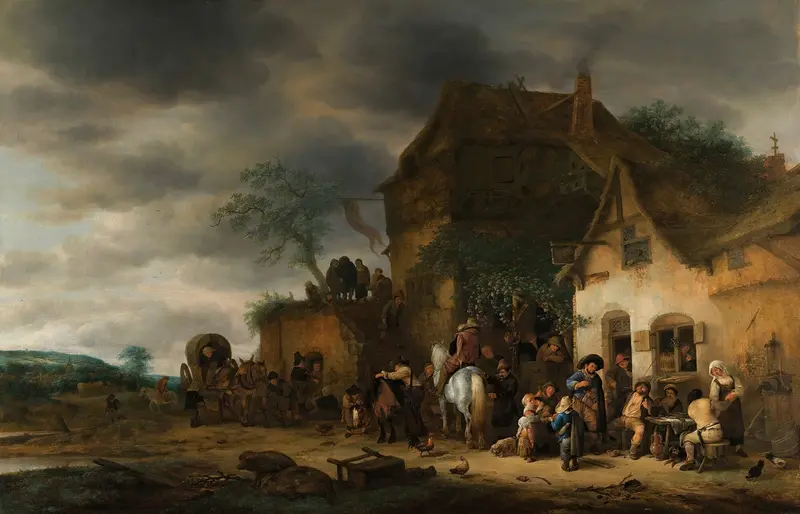
Travellers Halted At A Country Inn
Adriaen van Ostade
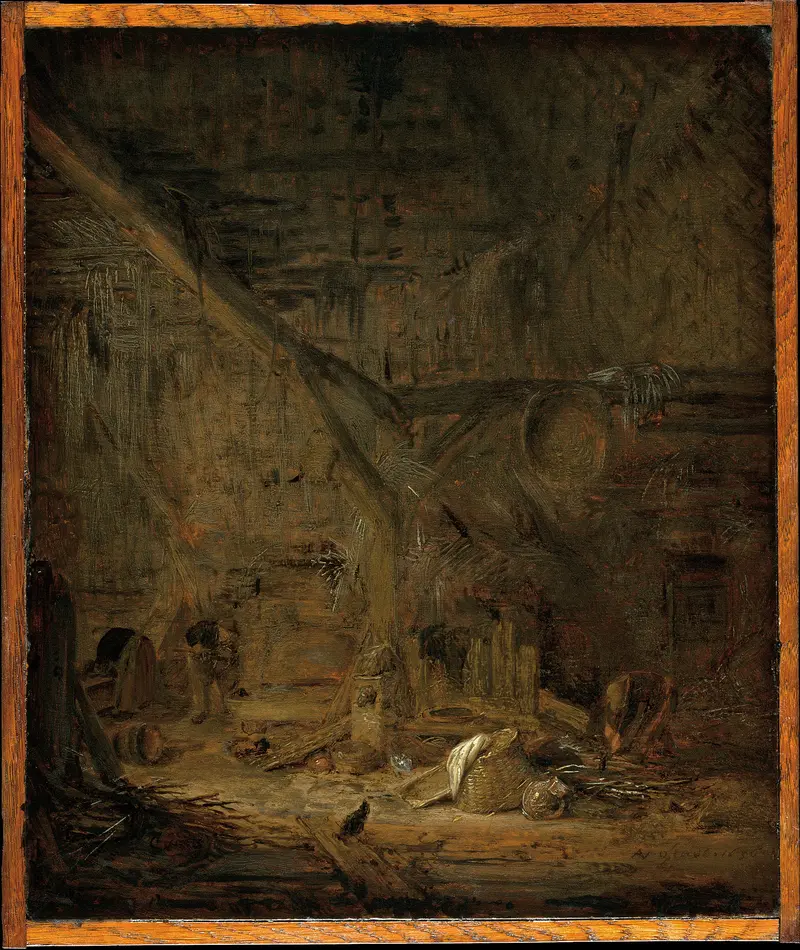
Interior of a Barn
Adriaen van Ostade
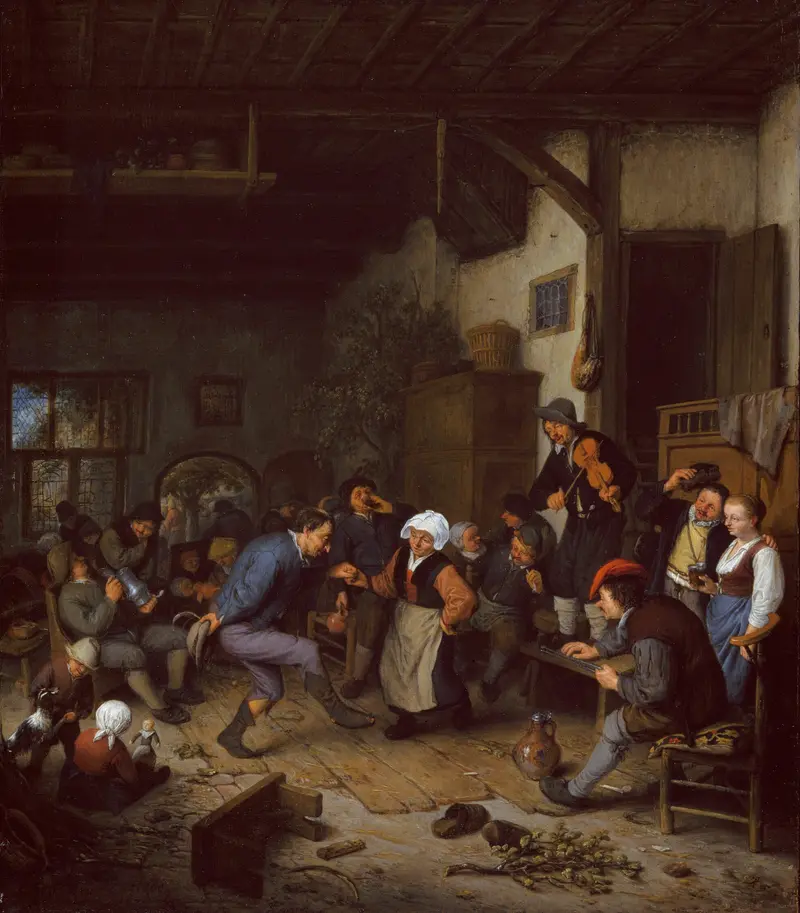
Merrymakers in an Inn
Adriaen van Ostade
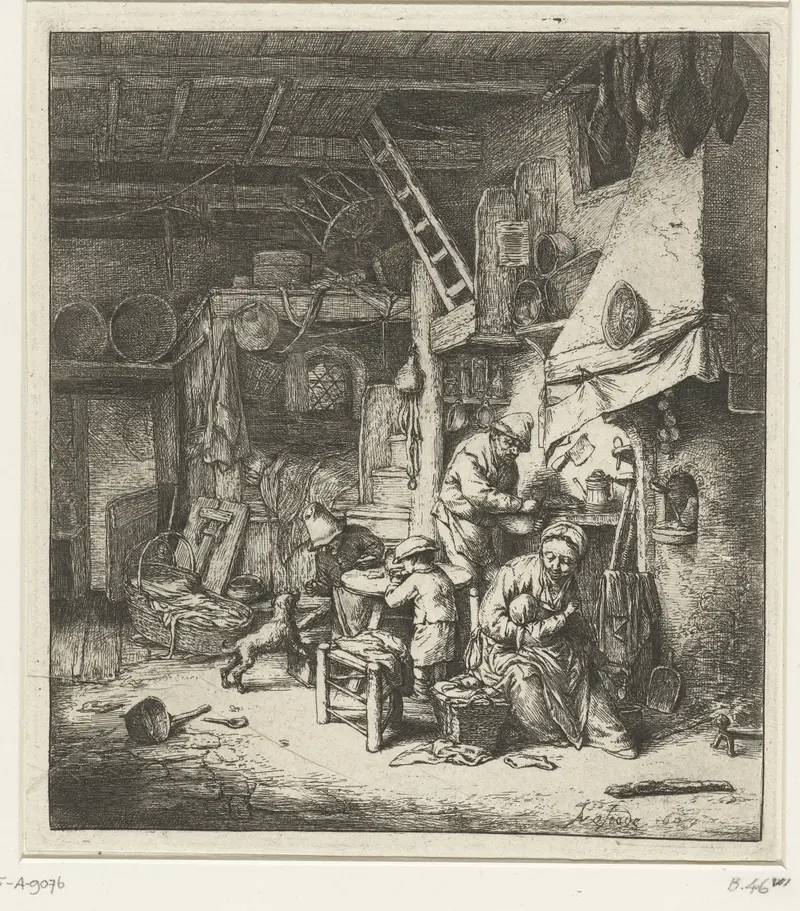
Boerengezin in interieur
Adriaen van Ostade
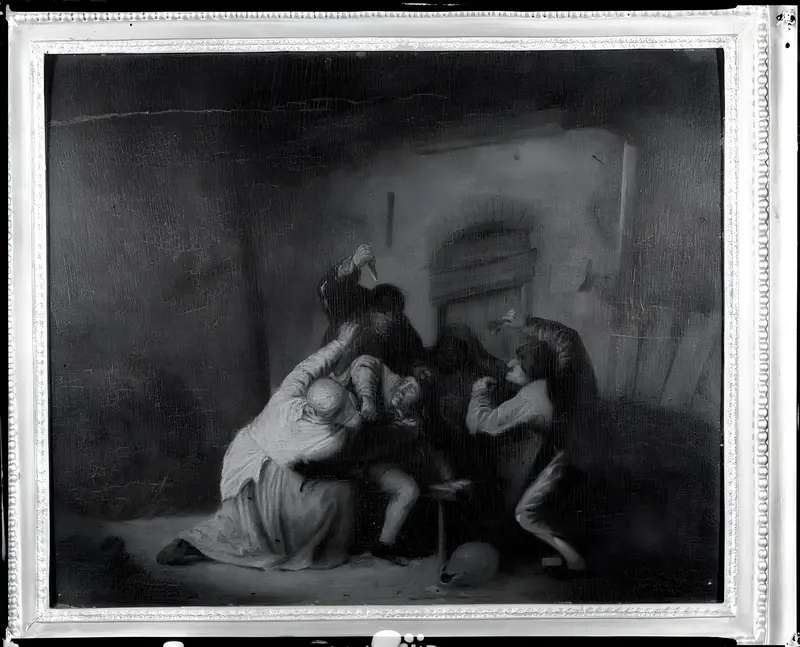
Peasants Brawling in a Tavern
Adriaen van Ostade
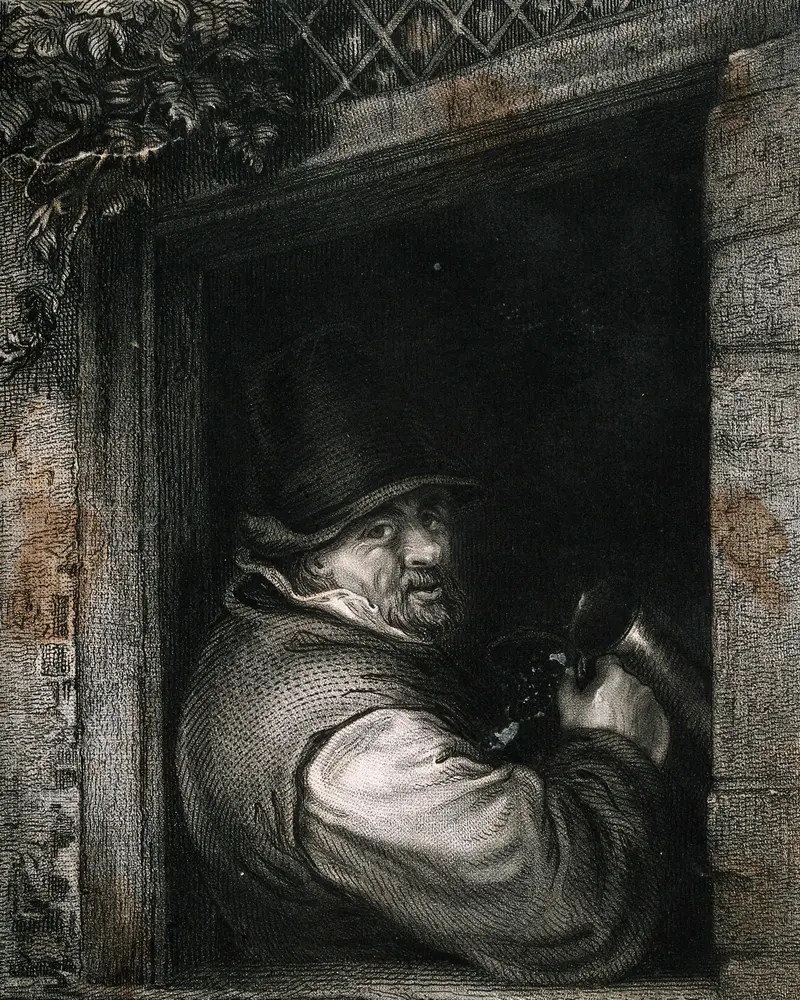
Man with a Tankard at a Window
Adriaen van Ostade
Dans in de herberg
Adriaen van Ostade





