Buste van een oude vrouw met hoofddoek, van opzij gezien — History & Facts
What first catches the eye in Buste van een oude vrouw met hoofddoek, van opzij gezien is the way the artist lets shadow and line do nearly all the talking. The woman’s profile emerges quietly from a thicket of etched marks, her features softly illuminated against a field of crosshatched darkness. The headscarf frames her face, its edge barely suggested, directing attention to the gentle slope of her nose and the downturned line of her mouth.
Ribot’s hand is economical but sensitive: each scratch of the needle seems to weigh the years on her face, while the absence of background detail keeps us close to her inner world. The composition’s restraint—no narrative objects, no gesture—invites us to linger on the silent dignity of her presence. Created in 1833, this print belongs to a tradition where artists turned to the everyday and the humble for their subjects, a shift gaining ground in nineteenth-century France. Prints like this, intimate and direct, were often made for collectors who prized the immediacy of the artist’s touch and the truthfulness of unidealized faces.
Augustin Théodule Ribot was known for his sympathy toward ordinary people, and this etching, now in the Rijksmuseum, is a quiet testament to that vision. History has kept few traces of this specific sitter, yet the print’s quiet gravity speaks across time—inviting us to look again, and perhaps to see more.
More Artworks by Augustin Théodule Ribot

The Scullion
Augustin Théodule Ribot
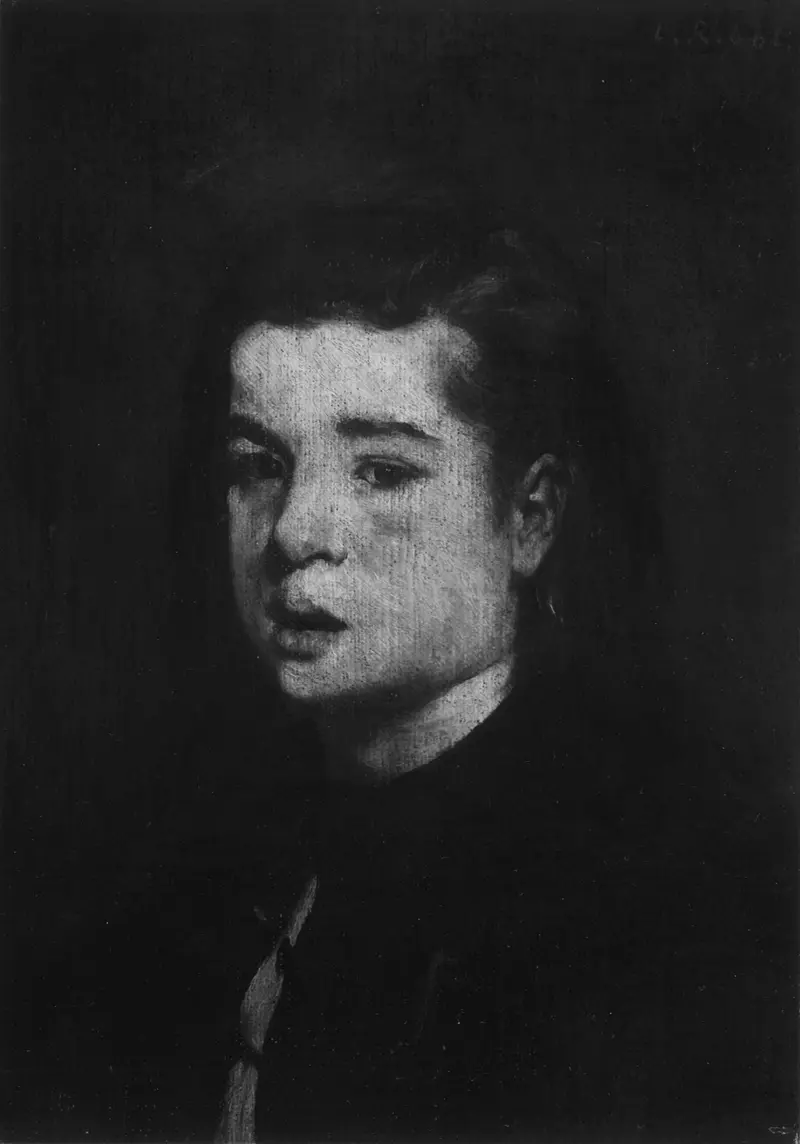
The Artist's Daughter
Augustin Théodule Ribot
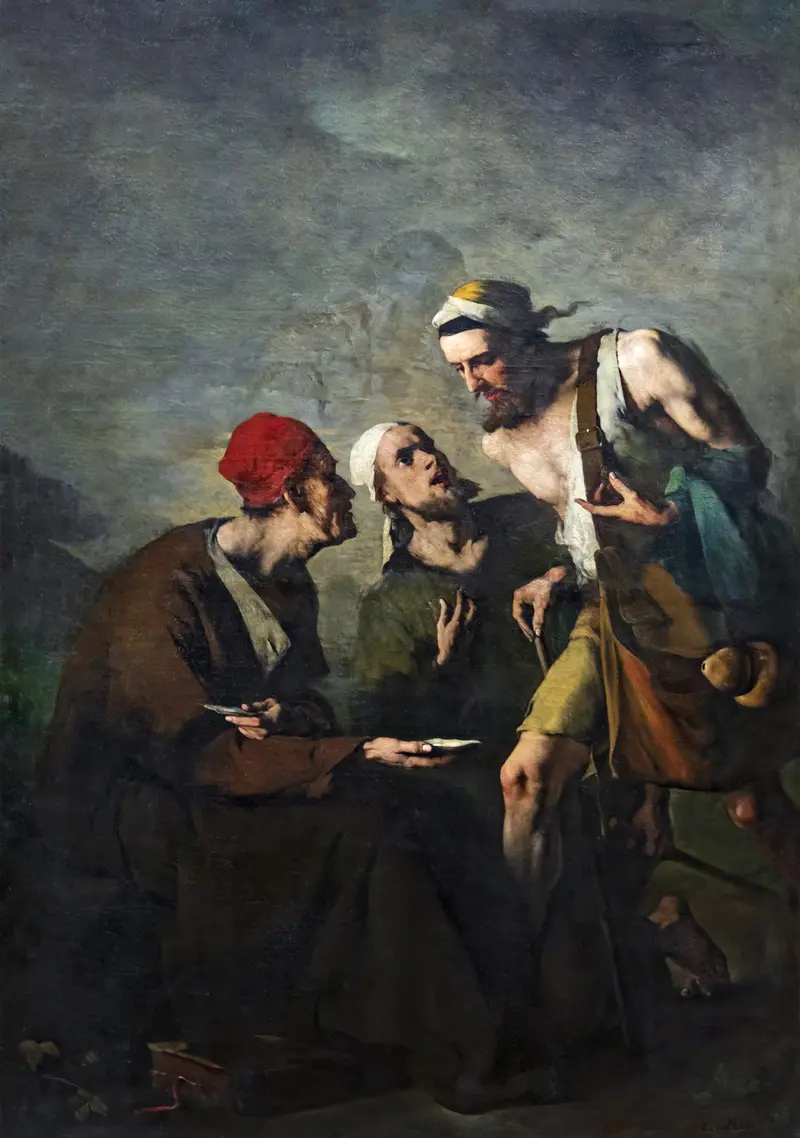
The oyster and the Litigant's
Augustin Théodule Ribot
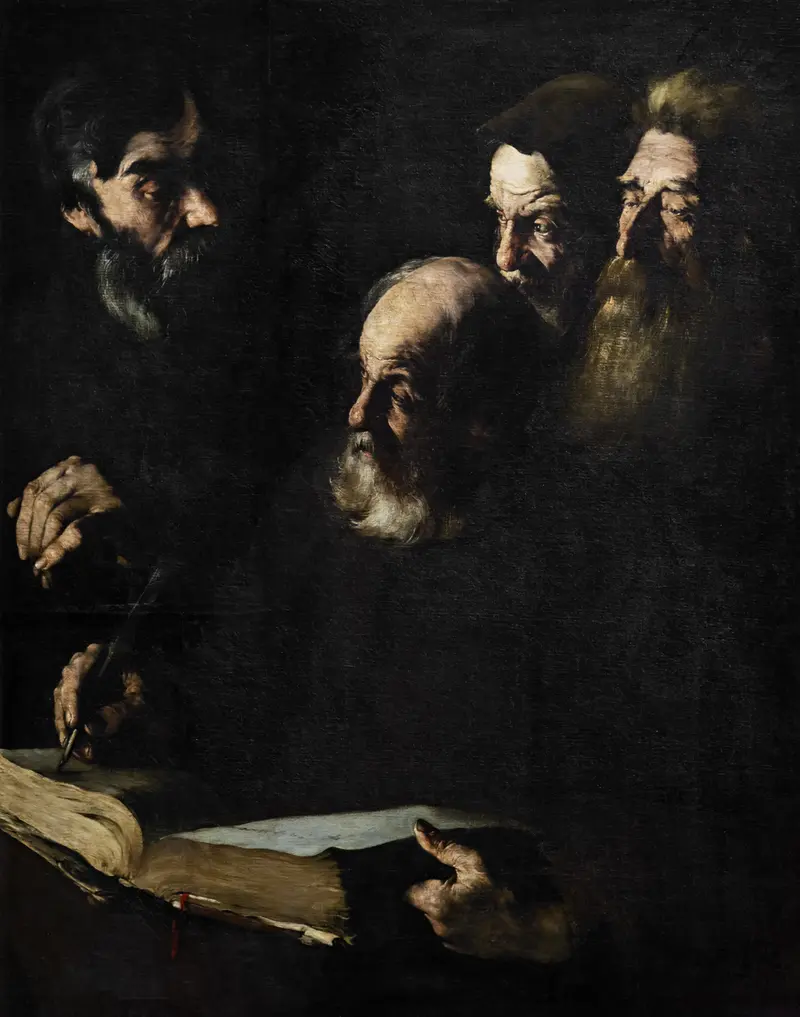
The philosophers
Augustin Théodule Ribot
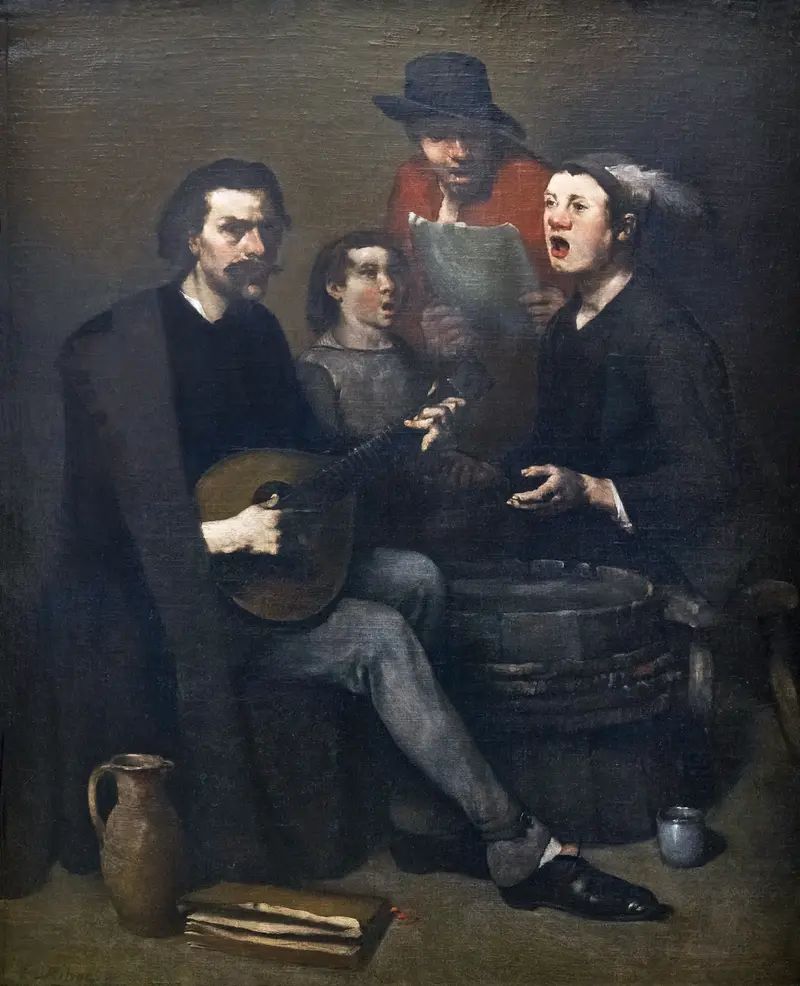
Singers
Augustin Théodule Ribot
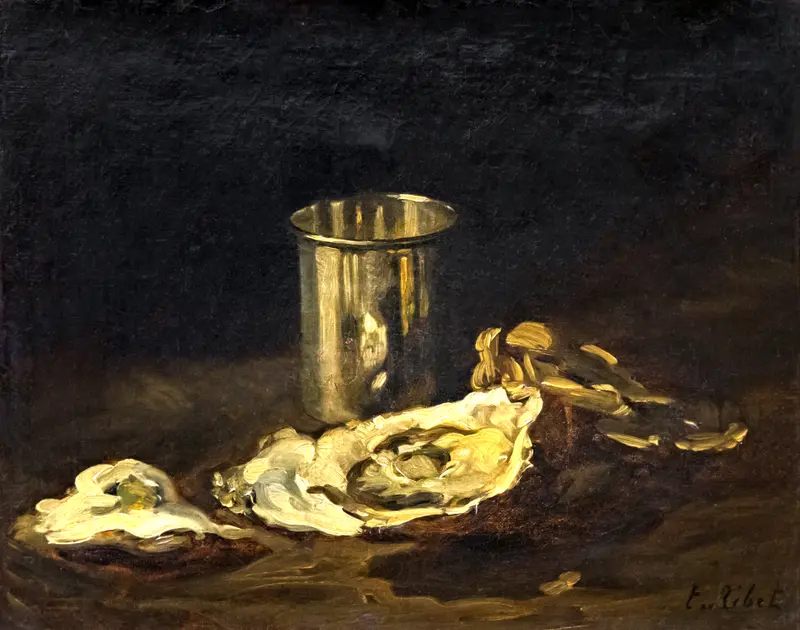
Oyster and timbale
Augustin Théodule Ribot
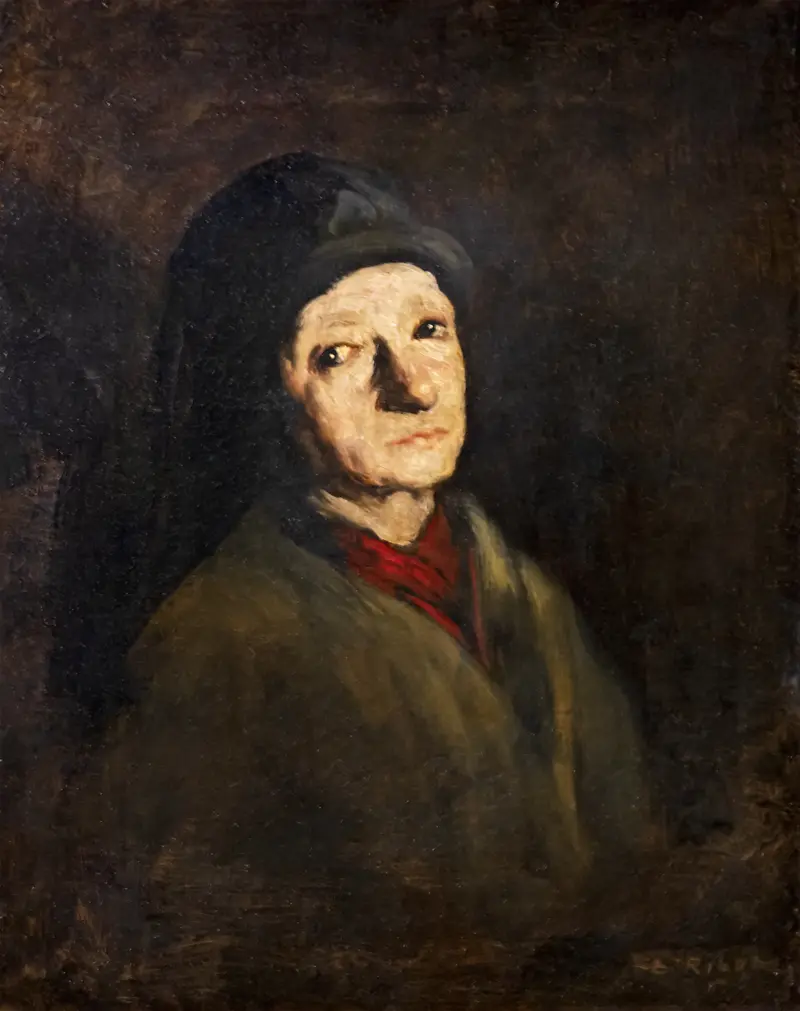
Portrait of the artist's mother
Augustin Théodule Ribot
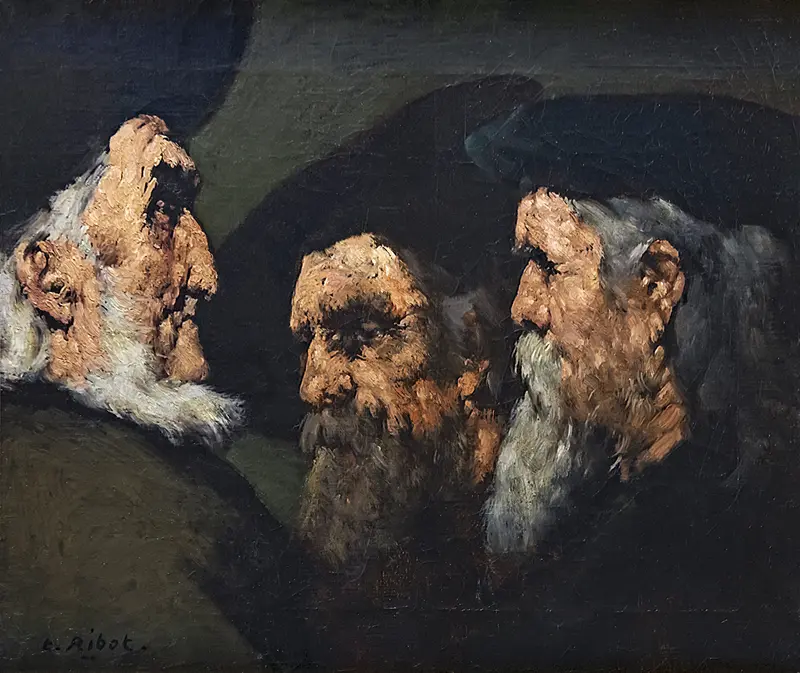
Three old jews
Augustin Théodule Ribot
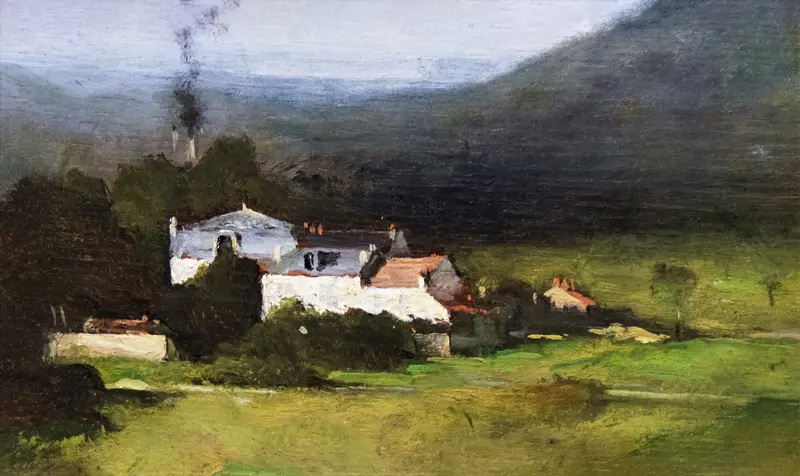
' Landscape ', known as ' La Maison de Corot in Ville-d'Avray '
Augustin Théodule Ribot
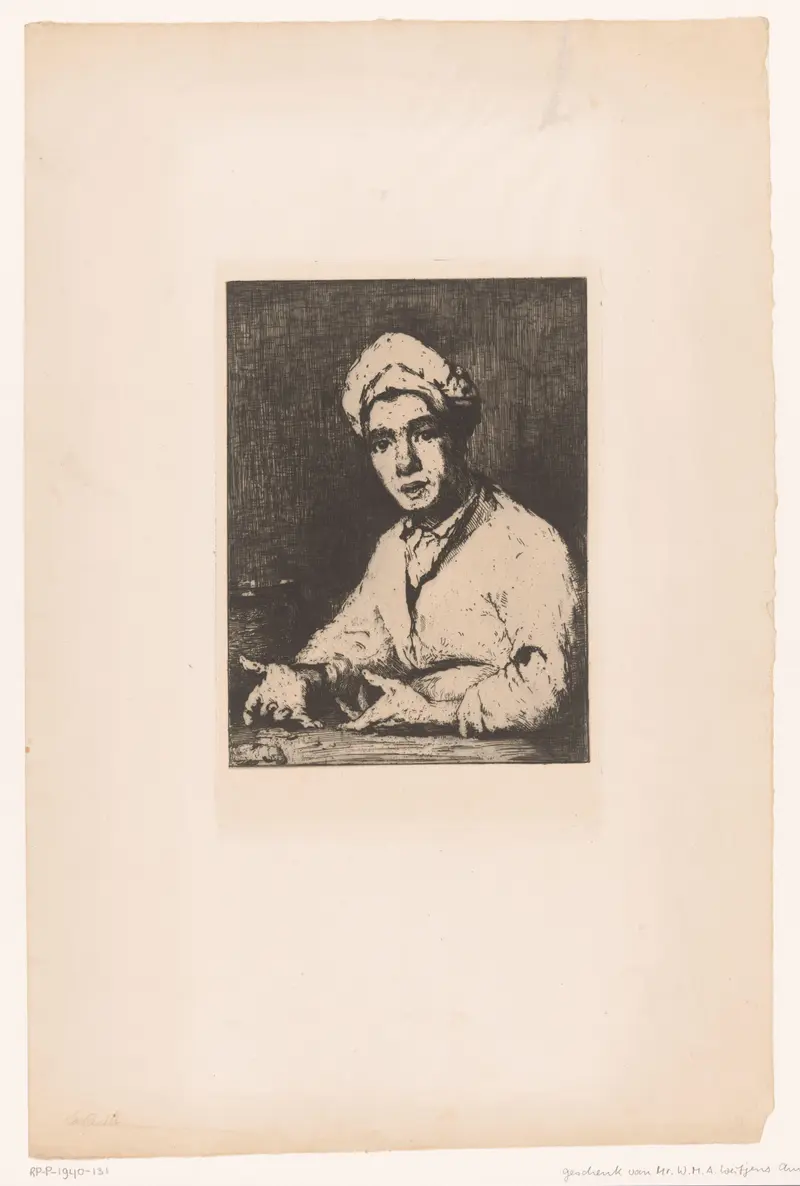
La recette du cuisinier
Augustin Théodule Ribot