
Butterflies (Kochō), Illustration to Chapter 24 of the Tale of Genji (Genji monogatari) — History & Facts
When did color learn to lie? In the world of Kochō, it whispers secrets long veiled by beauty, drawing us into a tapestry of madness cloaked in grace. Look to the left at the delicate flutter of the butterflies, their wings a kaleidoscope of color, vibrant against the muted background. Notice how Tosa Mitsunobu's meticulous brushwork captures the intricate patterns that dance across their surfaces, each stroke a testament to his mastery. The warm hues of gold and crimson contrast with the ethereal whites and blues, evoking a sense of fleeting beauty that teeters on the edge of despair.
The composition's balance creates a serene tableau, yet the vibrancy of the butterflies hints at an underlying tumult. Delve deeper into the symbolism; these butterflies embody transience in beauty, reflecting the complexities of love and longing found within the Tale of Genji. Their scattered positions suggest a chaotic emotional landscape, each fluttering creature representing a fragment of the human experience—joy, sorrow, and the madness of desire. Observe the subtle tension between the dreamlike quality of the butterflies and the rigid borders of the painting, mirroring the constraints of societal norms in the narrative. In the early 16th century, during the Muromachi period, the artist created this piece while Japan was steeped in artistic exploration and cultural exchange.
Tosa Mitsunobu, an influential figure within the Tosa school, melded traditional Japanese aesthetics with new influences, marking a pivotal moment in the evolution of art. His work in this era reflects both personal introspection and the broader societal shifts as art began to explore themes of emotional depth and the fragile nature of existence.
More Artworks by Tosa Mitsunobu
Browse all →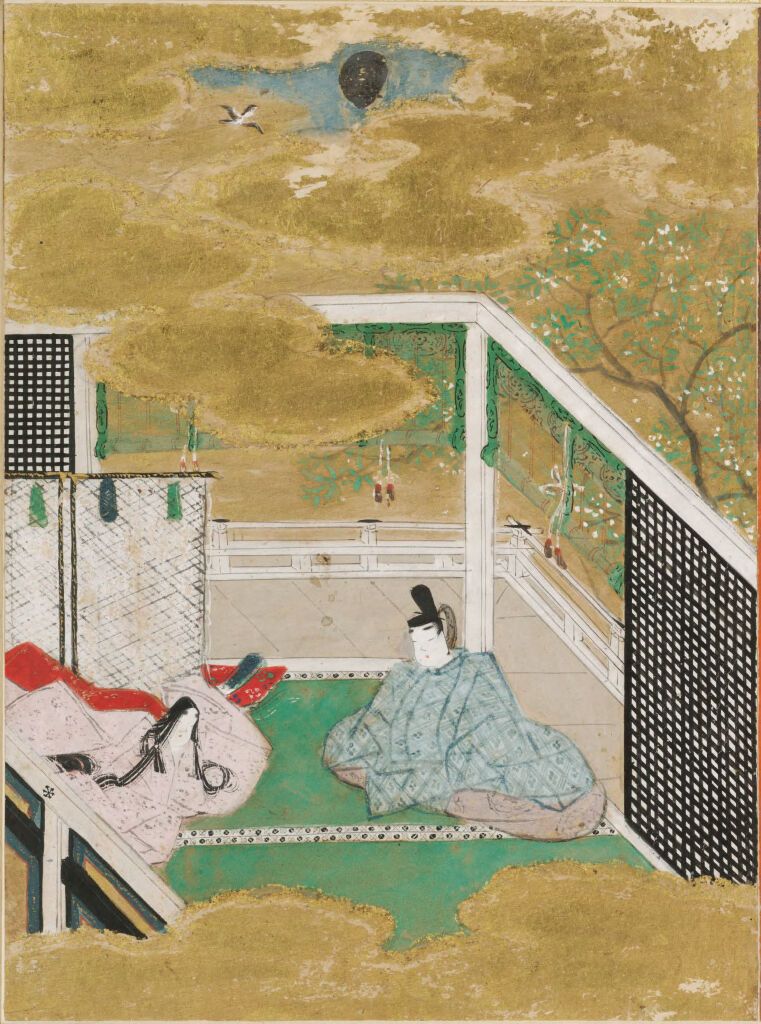
Falling Flowers (Hanachirusato), Illustration to Chapter 11 of the Tale of Genji (Genji monogatari)
Tosa Mitsunobu
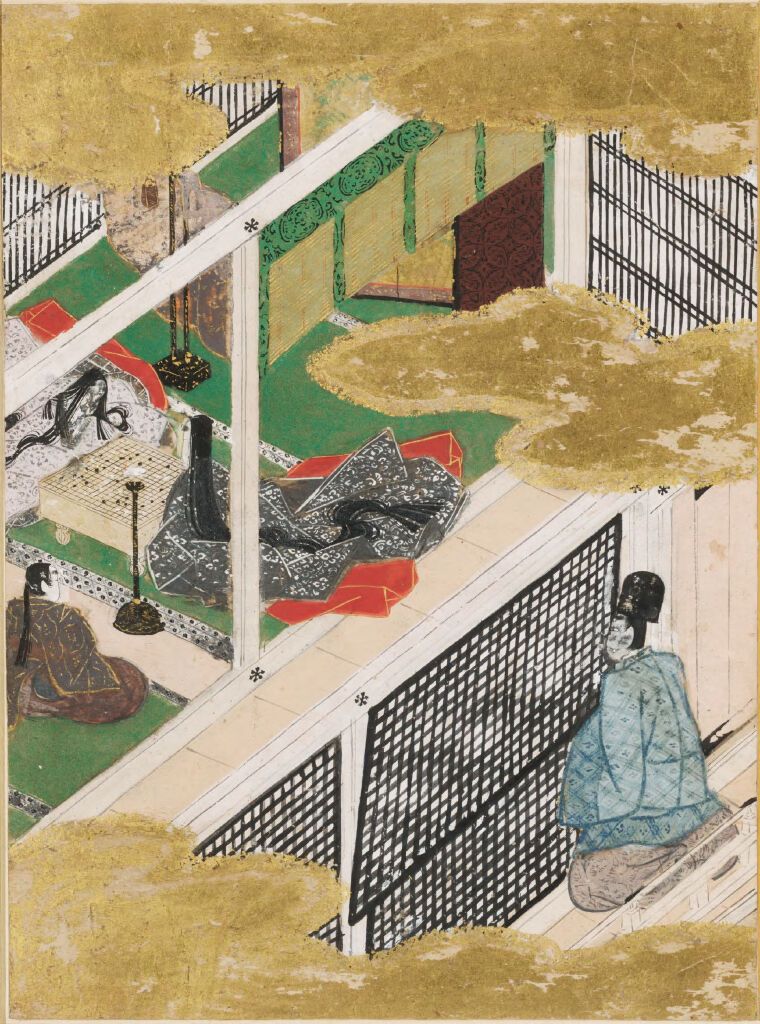
The Cicada Shell (Utsusemi), Illustration to Chapter 3 of the Tale of Genji (Genji monogatari)
Tosa Mitsunobu
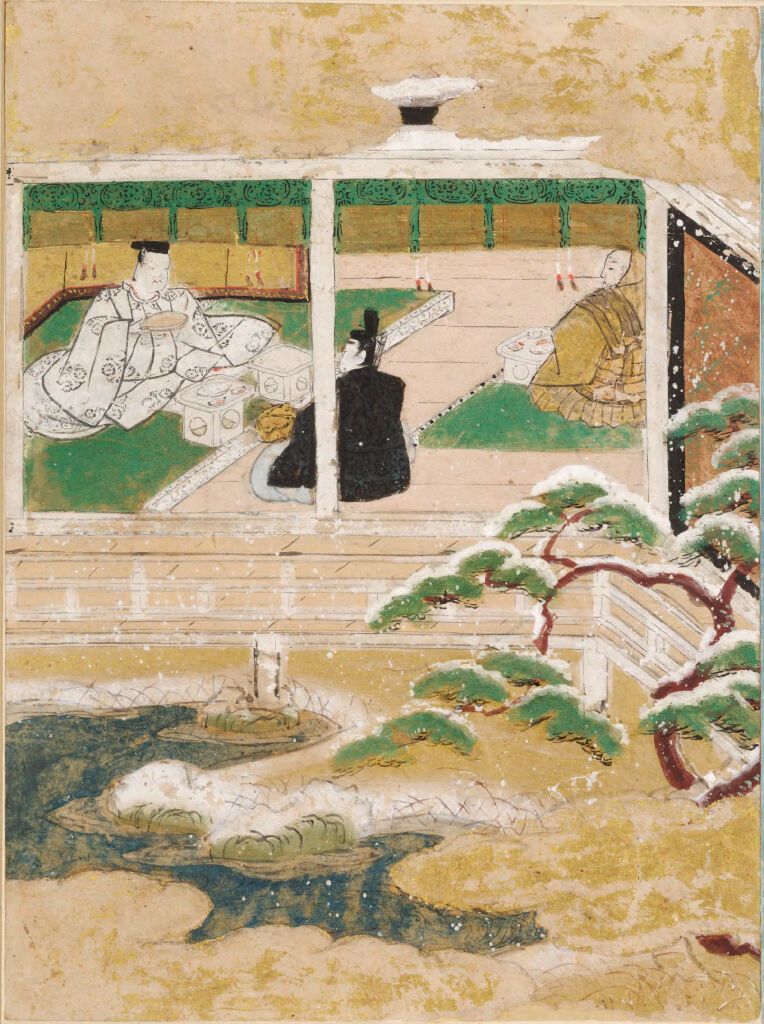
The Seer (Maboroshi), Illustration to Chapter 41 of the Tale of Genji (Genji monogatari)
Tosa Mitsunobu
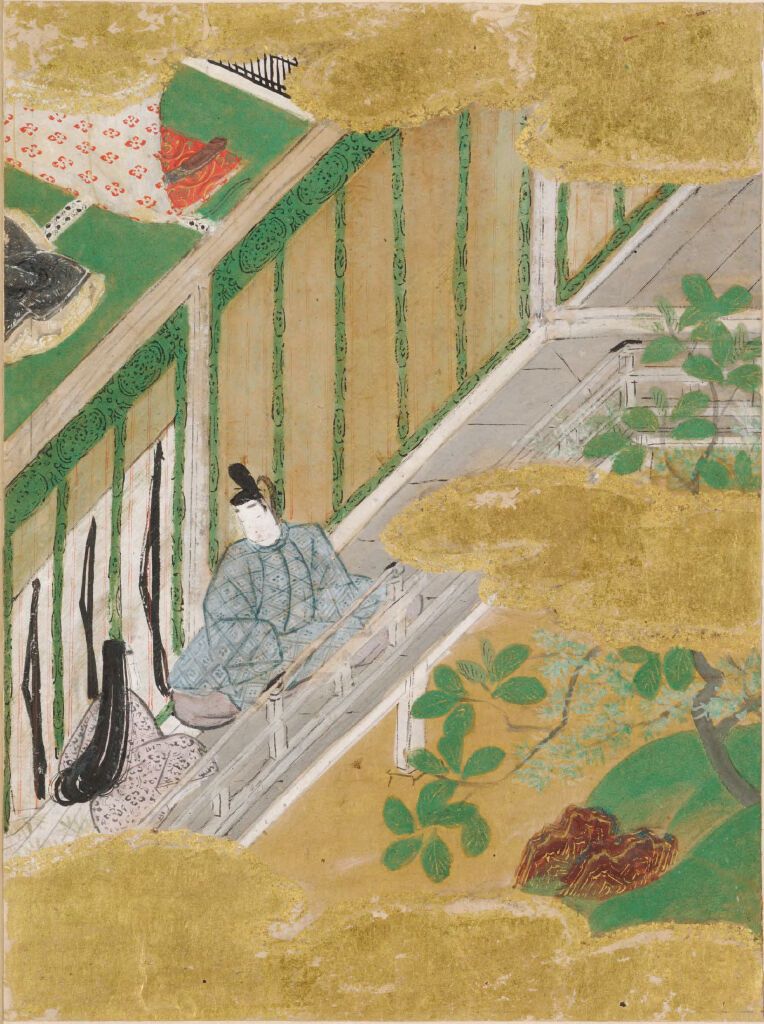
The Oak Tree (Kashiwagi), Illustration to Chapter 36 of the Tale of Genji (Genji monogatari)
Tosa Mitsunobu
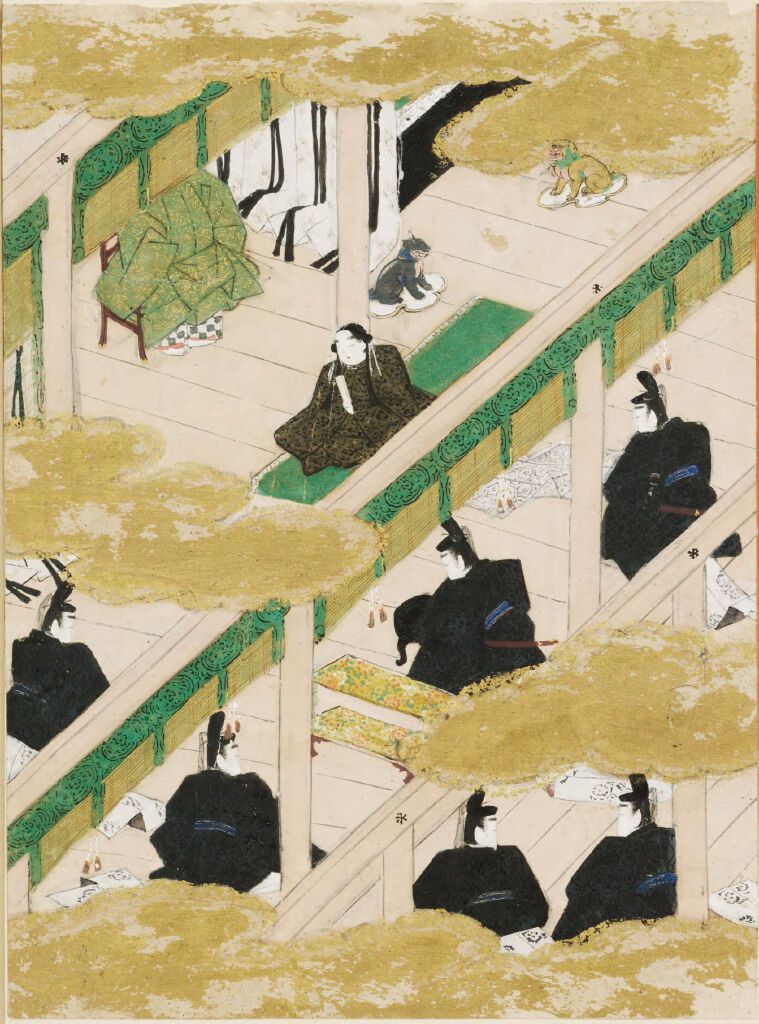
The Paulownia Pavilion (Kiritsubo), Illustration to Chapter 1 of the Tale of Genji (Genji monogatari)
Tosa Mitsunobu
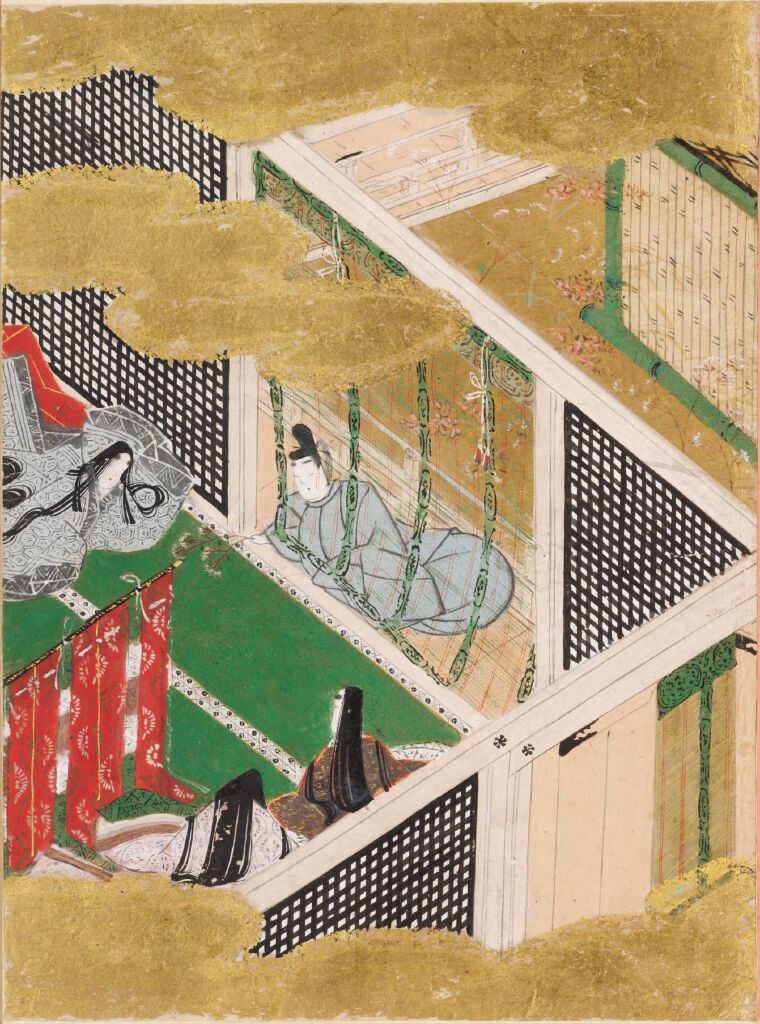
Thoroughwort Flowers (Fujibakama), Illustration to Chapter 30 of the Tale of Genji (Genji monogatari)
Tosa Mitsunobu

Under the Cherry Blossoms (Hana no En), Illustration to Chapter 8 of the Tale of Genji (Genji monogatari)
Tosa Mitsunobu

The Pilgrimage to Sumiyoshi (Miotsukushi), Illustration to Chapter 14 of the Tale of Genji (Genji monogatari)
Tosa Mitsunobu
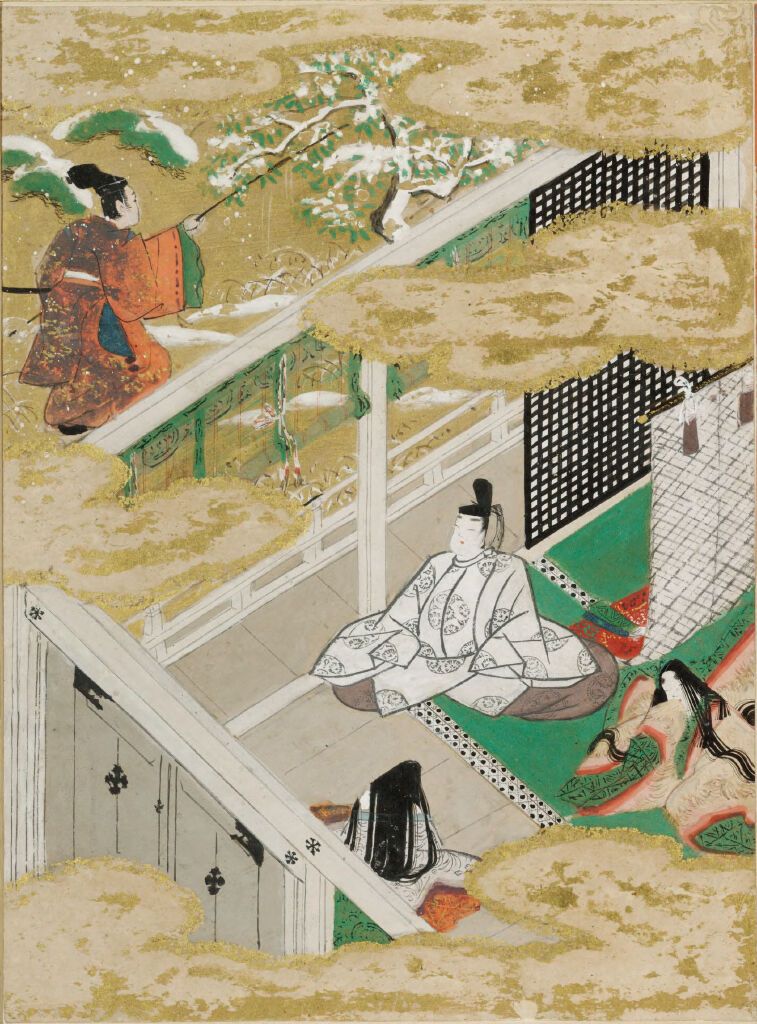
The Safflower (Suetsumuhana), Illustration to Chapter 6 of the Tale of Genji (Genji monogatari)
Tosa Mitsunobu
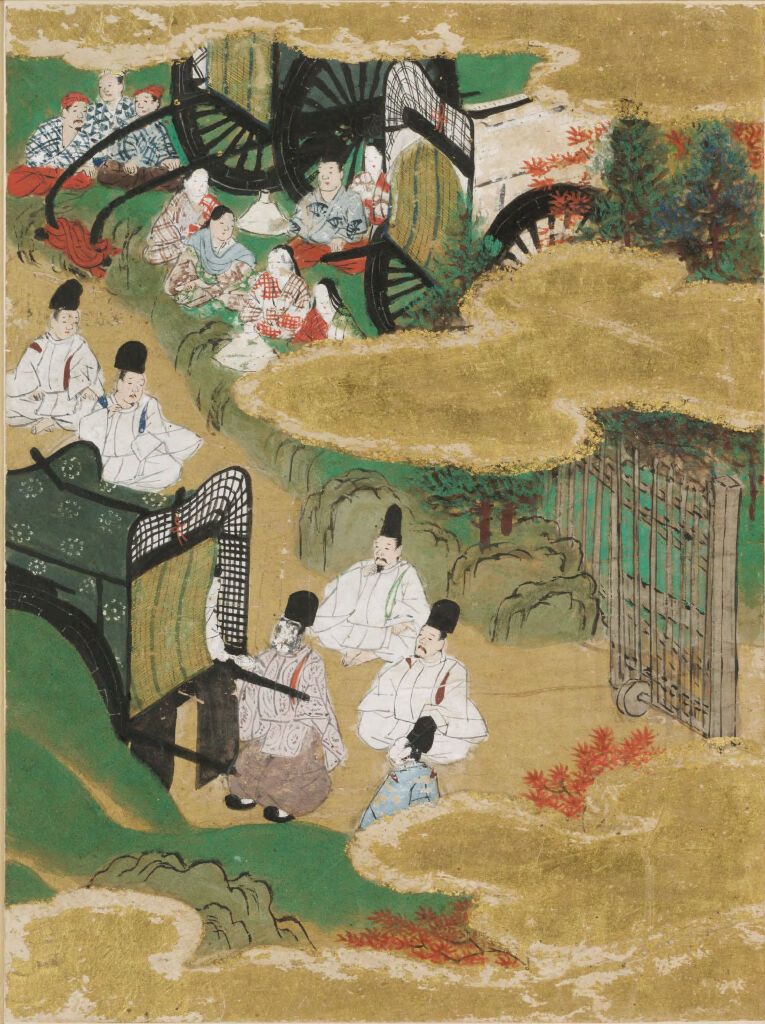
At the Pass (Sekiya), Illustration to Chapter 16 of the Tale of Genji (Genji monogatari)
Tosa Mitsunobu
More Illustration Art
Browse all →Falling Flowers (Hanachirusato), Illustration to Chapter 11 of the Tale of Genji (Genji monogatari)
Tosa Mitsunobu
The Cicada Shell (Utsusemi), Illustration to Chapter 3 of the Tale of Genji (Genji monogatari)
Tosa Mitsunobu
The Seer (Maboroshi), Illustration to Chapter 41 of the Tale of Genji (Genji monogatari)
Tosa Mitsunobu
The Oak Tree (Kashiwagi), Illustration to Chapter 36 of the Tale of Genji (Genji monogatari)
Tosa Mitsunobu
The Paulownia Pavilion (Kiritsubo), Illustration to Chapter 1 of the Tale of Genji (Genji monogatari)
Tosa Mitsunobu
Thoroughwort Flowers (Fujibakama), Illustration to Chapter 30 of the Tale of Genji (Genji monogatari)
Tosa Mitsunobu