
By the Spinning Wheel — History & Facts
What first draws the eye in By the Spinning Wheel is the hush: a woman and a child, caught in a pool of warm light, as if the rest of the world has faded away. The woman’s hand hovers with practiced care over the spinning wheel, her attention split between her work and the child beside her. The child, perched on a bench, is absorbed in a book, his face illuminated by the same gentle glow that outlines the woman’s features.
The palette is rich in browns and golds, with the darkness around them deepening the sense of intimacy and quiet industry. Every detail—the tilt of the woman’s head, the soft gleam on the spinning wheel, the child’s bare feet—invites the viewer to linger, to imagine the rhythm of the wheel and the soft murmur of a story being read aloud. Painted in 1867, this work by Adolph Tidemand belongs to a tradition of Northern European genre painting that found beauty and meaning in everyday rural life. Such scenes were often created for a growing middle class eager to celebrate domestic virtues and national identity, especially in the wake of social and political changes sweeping through Scandinavia in the nineteenth century.
Today, By the Spinning Wheel is housed in the National Museum of Art, Architecture and Design, a fitting home for a painting that quietly honors the dignity of ordinary moments. History has kept few traces of this specific canvas’s journey, but its gentle light continues to draw us into a vanished world—one where work and learning, tradition and tenderness, are woven together in the same golden thread.
More Artworks by Adolph Tidemand

Bridal Procession on the Hardangerfjord
Adolph Tidemand
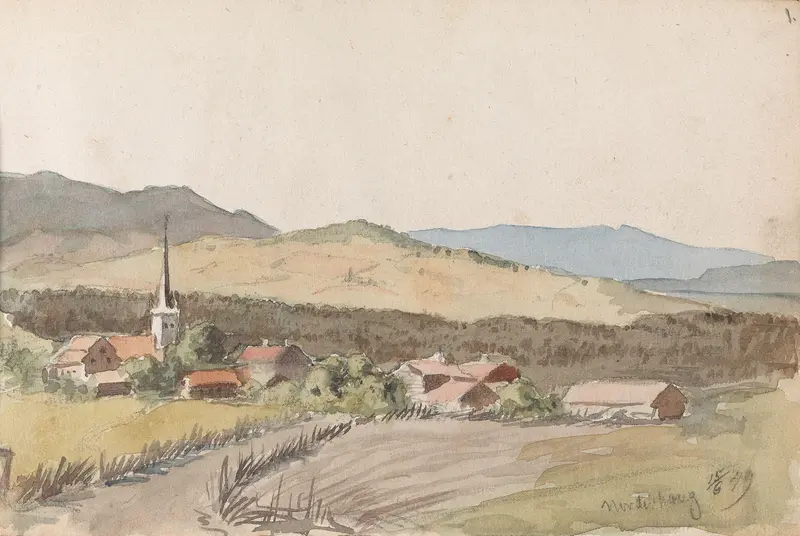
Fra Haugsbygd
Adolph Tidemand
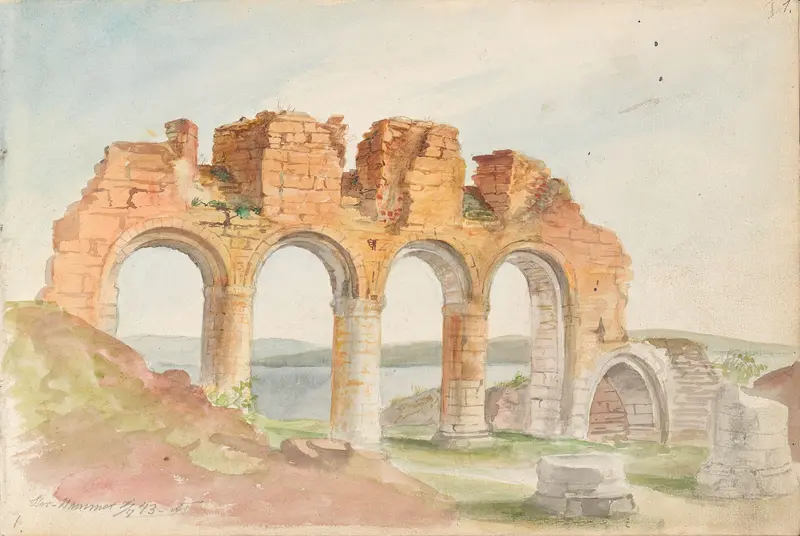
Domkirkeruinen, Hamar
Adolph Tidemand
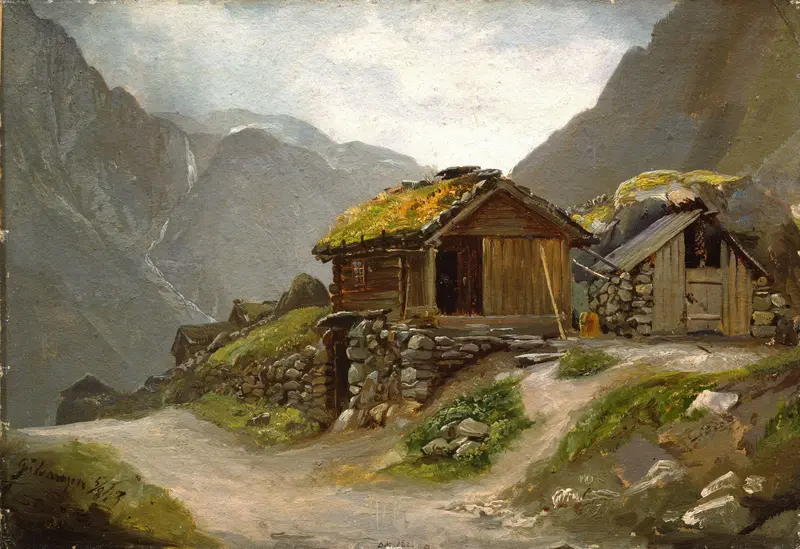
View from Gudvangen
Adolph Tidemand

View of Gudvangen
Adolph Tidemand
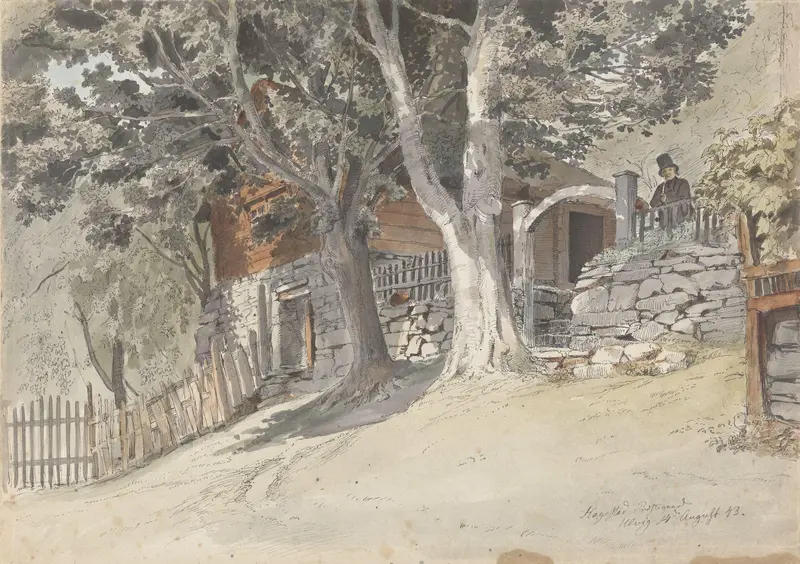
Hagestad prestegård, Ulvik i Hardanger
Adolph Tidemand
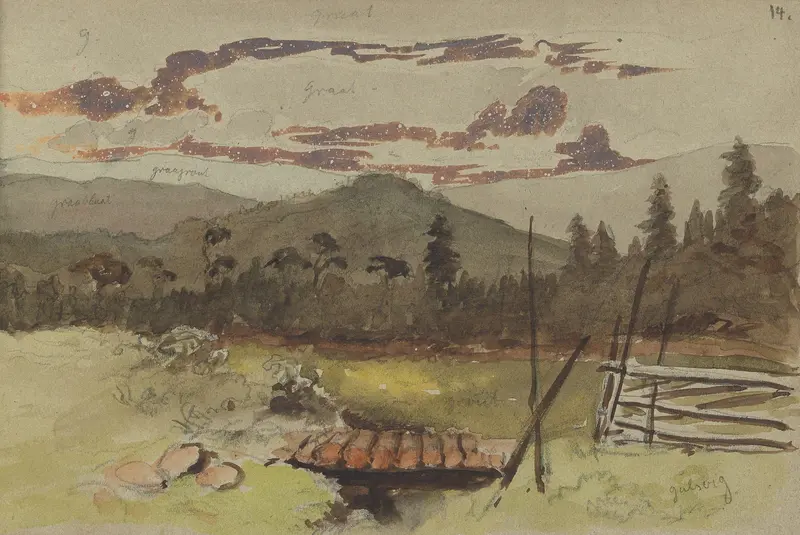
Fra Gulsvik
Adolph Tidemand
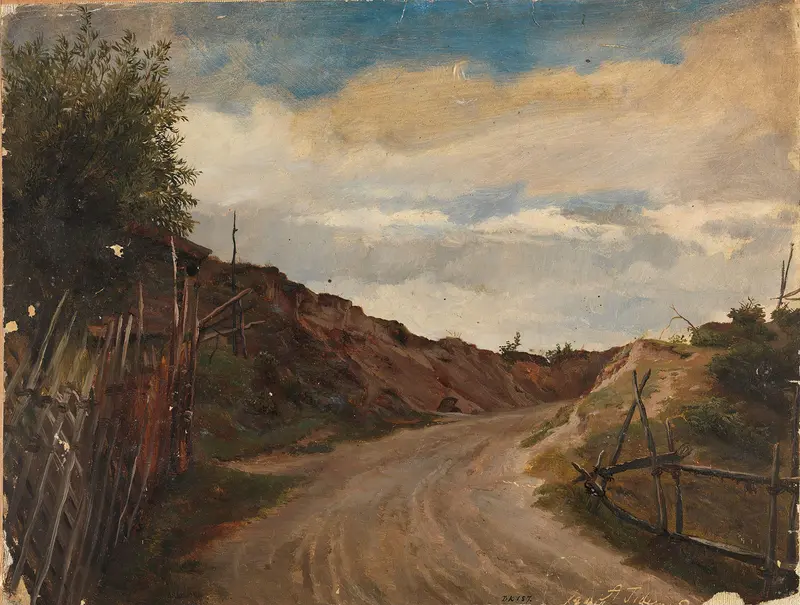
Country Road
Adolph Tidemand
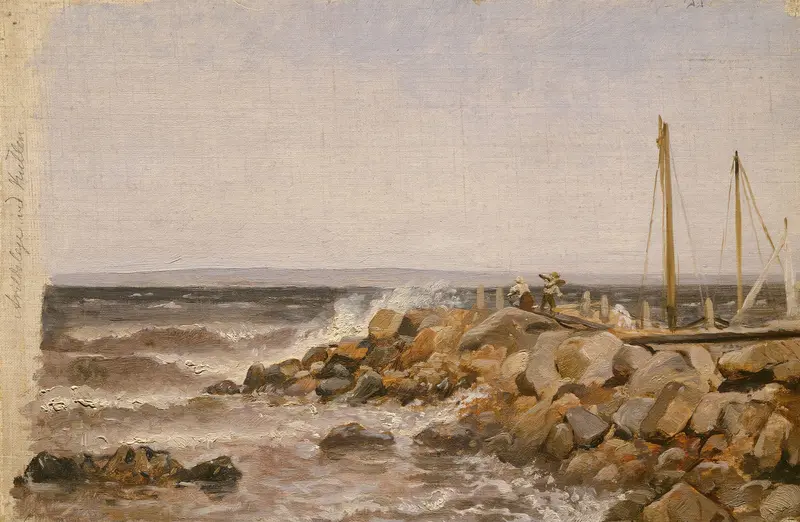
From Kullen in Sweden
Adolph Tidemand

Untitled
Adolph Tidemand
More Genre Scene Art

Banquet of the Officers of the St George Civic Guard
Frans Hals

Rembrandt and Saskia in the Scene of the Prodigal Son
Rembrandt van Rijn

Bal du moulin de la Galette
Pierre-Auguste Renoir

Quadrille at the Moulin Rouge
Henri de Toulouse-Lautrec

A Burial at Ornans
Gustave Courbet

When Will You Marry?
Paul Gauguin