
Cabane Sous Les Arbres — History & Facts
Who listens when art speaks of silence? In Cabane Sous Les Arbres, the stillness of nature becomes a profound sanctuary that invites contemplation and transcendence. Look to the left at the rustic cabin, nestled beneath a canopy of vibrant green foliage. Notice how the interplay of light and shadow dances across the textured surface, with dappled sunlight filtering through the leaves to embrace the wooden structure. The rich, earthy tones of the cabin contrast beautifully with the lush, almost otherworldly hues of the surrounding trees, creating a harmonious balance that pulls the viewer into a tranquil reverie. This painting embodies the tension between isolation and connection.
The cabin, while a symbol of solitude, stands as a testament to the peace found in retreating into nature. The thick trunks of the trees stand sentinel, their presence both protective and imposing, evoking a sense of reverence for the natural world. The absence of human figures heightens the emotional landscape, suggesting that the true dialogue lies within the viewer’s introspection, encouraging a deep engagement with the silence enveloping the scene. Paul Gauguin created Cabane Sous Les Arbres in 1892 during his time in Pont-Aven, a period marked by his search for artistic originality.
This was a pivotal moment in the art world as Post-Impressionism began to take shape, focusing less on realism and more on emotional and symbolic expression. Gauguin's exploration of color and emotion reflected his desire to transcend the boundaries of conventional art, seeking to evoke deeper spiritual experiences through his work.
More Artworks by Paul Gauguin
Browse all →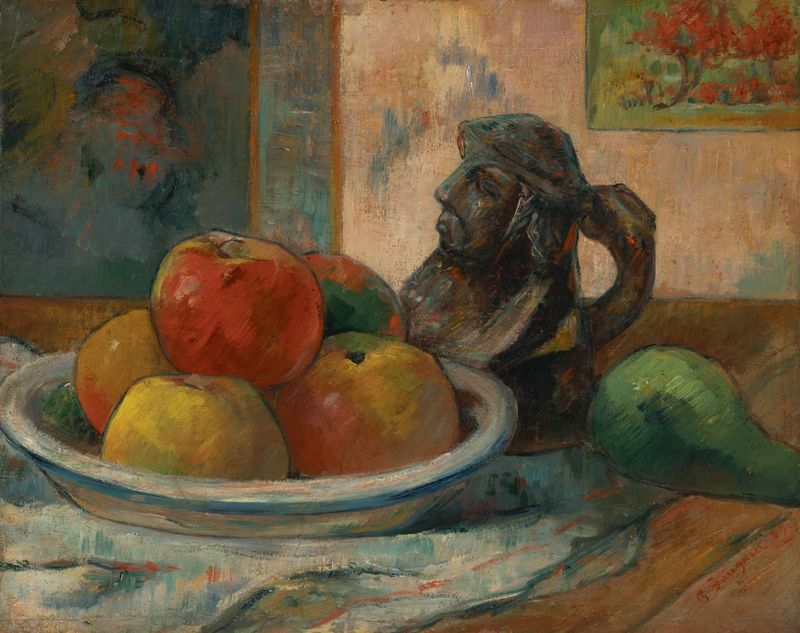
Still Life with Apples, a Pear, and a Ceramic Portrait Jug
Paul Gauguin
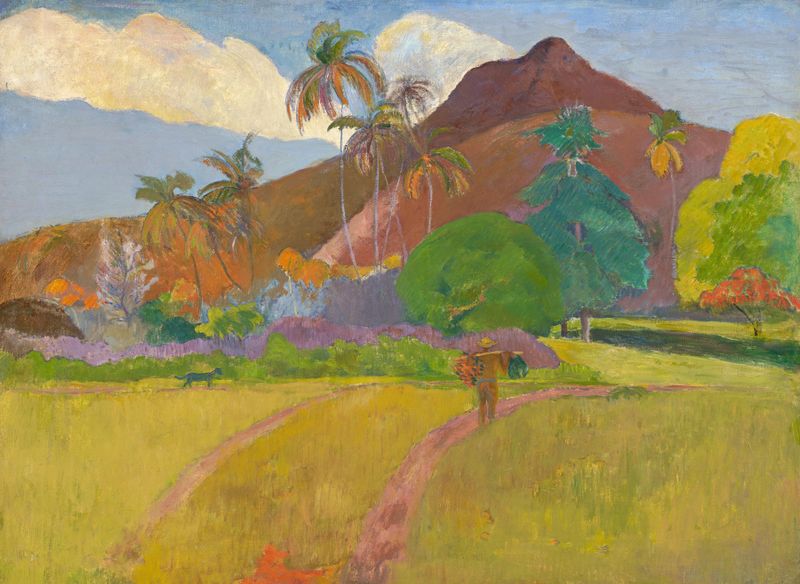
Tahitian Landscape
Paul Gauguin

Landscape near Pont-Aven
Paul Gauguin

No te aha oe riri (Why Are You Angry?)
Paul Gauguin
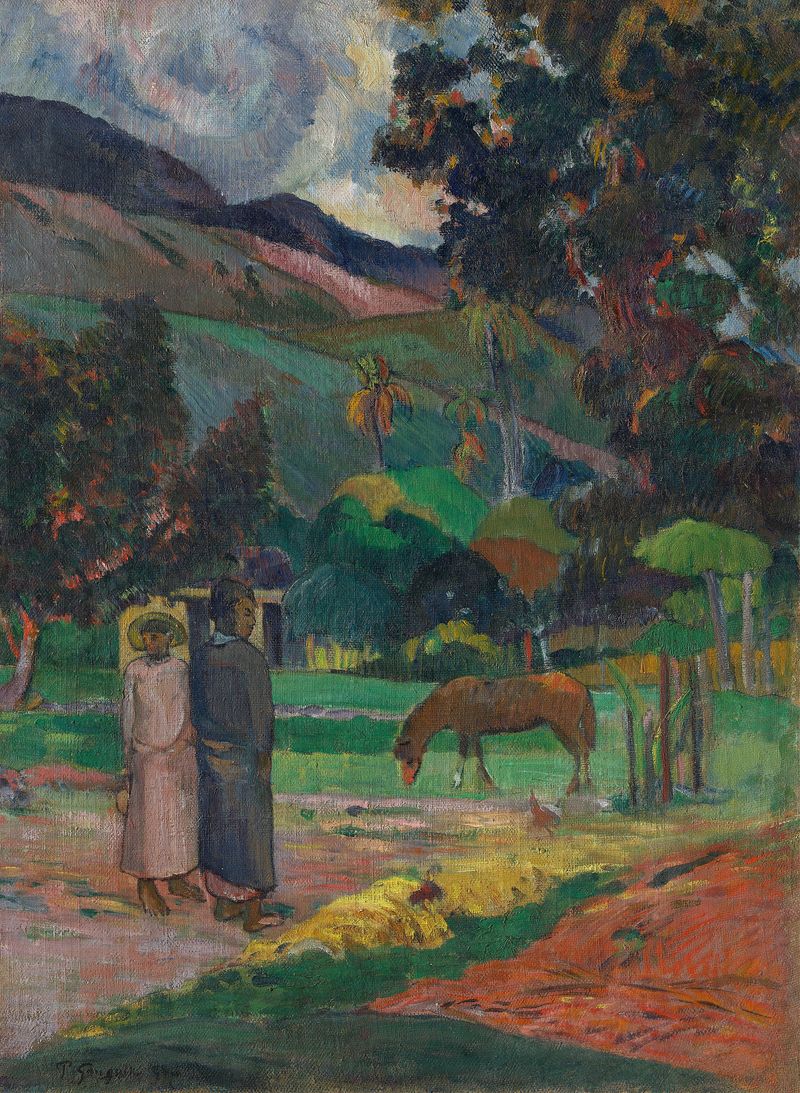
Tahitian Landscape
Paul Gauguin
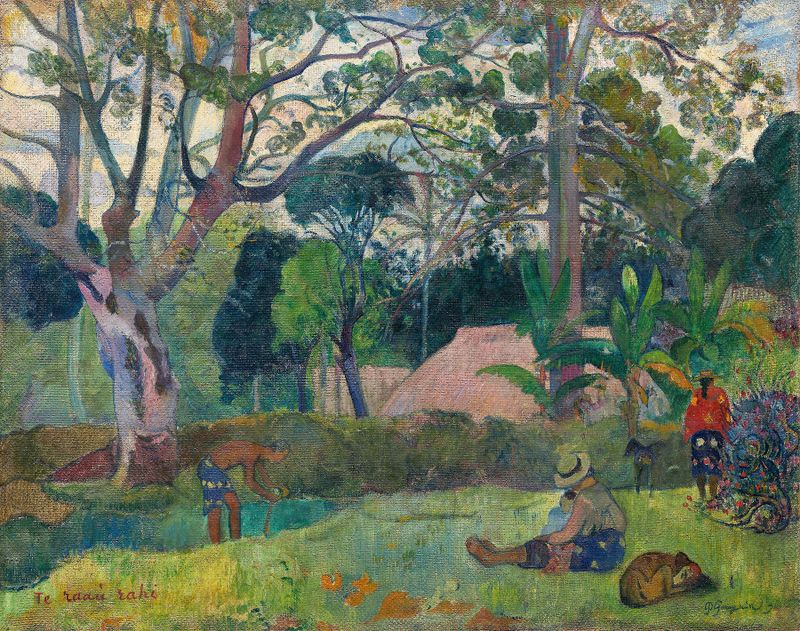
Te raau rahi (The Big Tree)
Paul Gauguin

Landscape at Le Pouldu
Paul Gauguin

Landscape of Brittany
Paul Gauguin

Poèmes Barbares
Paul Gauguin
Mahana no atua (Day of the God)
Paul Gauguin





