Cabbage Field — History & Facts
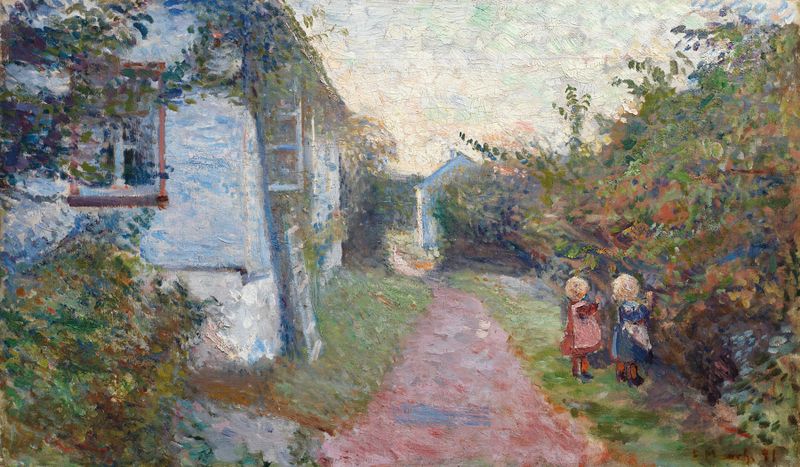
In the quiet embrace of a cabbage field, the weight of destiny looms large—each leafy green a testament to the unseen struggles and triumphs of life. Focus on the lower left corner of the canvas, where the rhythmic pattern of cabbages unfolds in lush greens and somber earth tones. Notice how the brushstrokes dance between chaos and harmony, each stroke laden with intention. As your gaze travels upward, the muted palette gives way to a sky teeming with ominous clouds, casting a shadow over the scene that speaks to an undercurrent of foreboding.
The composition draws you in, juxtaposing the vibrant life of the cabbages against the impending gloom, inviting contemplation of both nature’s bounty and its fragility. The emotional tension arises from the contrasting elements of hope and despair. The cabbages, in all their verdancy, suggest growth and sustenance, yet they also exist under the weight of a heavy sky, hinting at fate’s unpredictable nature. Each cabbage might symbolize a life, rooted and thriving, yet subject to the capriciousness of the world around it.
This duality serves as a reminder of human existence—rich with potential yet shadowed by uncertainty. In 1915, Edvard Munch painted this work during a turbulent period marked by personal crises and global conflict. Living in Norway, he faced the aftermath of World War I, reflecting themes of existential concern and emotional depth in his art. During this time, he sought to distill the complexities of human experience, and Cabbage Field stands as a testament to his ability to weave together the rawness of life with the specters of fate.