
Caernarfon Castle — History & Facts
The weight of loss lingers in the shadows cast by stone and memory, beckoning the viewer to ponder the echoes of history. In Caernarfon Castle, grief is not just a feeling but a palpable presence, inviting a deep reflection on what remains and what has been lost. Look to the left at the imposing twin towers, rising like sentinels against a soft sky. Their stark, weathered surfaces reveal layers of history, each crack a testament to time's relentless march.
The muted palette of greens and grays evokes a somber tranquility, while the delicate brushstrokes capture fleeting moments of light, illuminating the castle's silhouette against the horizon—a contrast between the fortress’s permanence and the evanescent beauty of nature surrounding it. Within this composition, the juxtaposition of the castle's solidity and the ethereal quality of the landscape speaks to the tension between strength and vulnerability. The quiet waters reflecting the structure create a sense of duality, suggesting that even the mightiest can be rendered fragile by the passage of time. The absence of human figures evokes solitude, yet the grandeur of the architecture hints at the lives once lived within its walls, amplifying the sense of nostalgia and loss. Painted in 1745, this work emerged during a period of significant change in Britain’s artistic landscape.
Richard Wilson, often considered the father of British landscape painting, sought to elevate the genre, infusing it with emotional depth and grandeur. At this time, his exploration of natural beauty and architecture reflected a broader shift towards the Romantic sensibility, as artists were beginning to embrace the emotional resonance of their subjects.
More Artworks by Richard Wilson
Browse all →
Rome from the Villa Madama
Richard Wilson
View of Tivoli- the Cascatelle and the ‘Villa of Maecenas’
Richard Wilson
Lago d’Agnano with Vesuvius in the distance
Richard Wilson
Dinas Bran from Llangollen
Richard Wilson
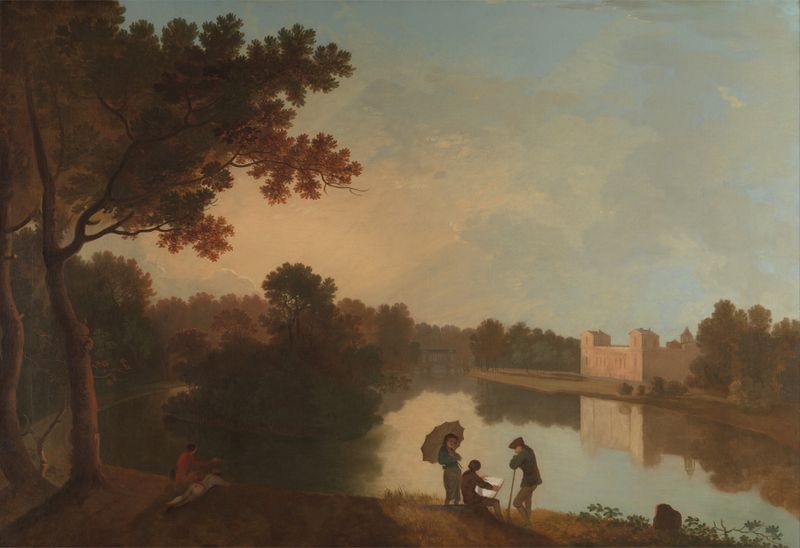
Wilton House from the Southeast
Richard Wilson
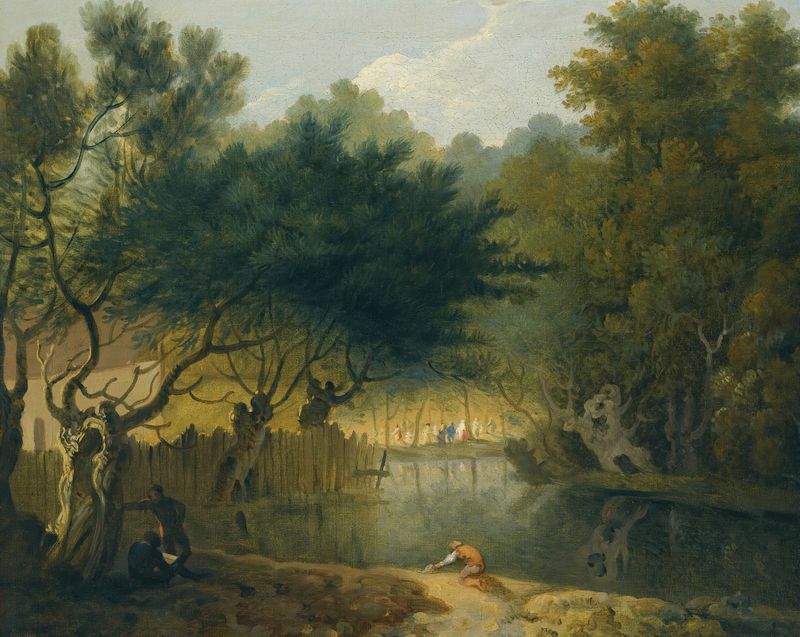
A View Of St. James’s Park, London
Richard Wilson
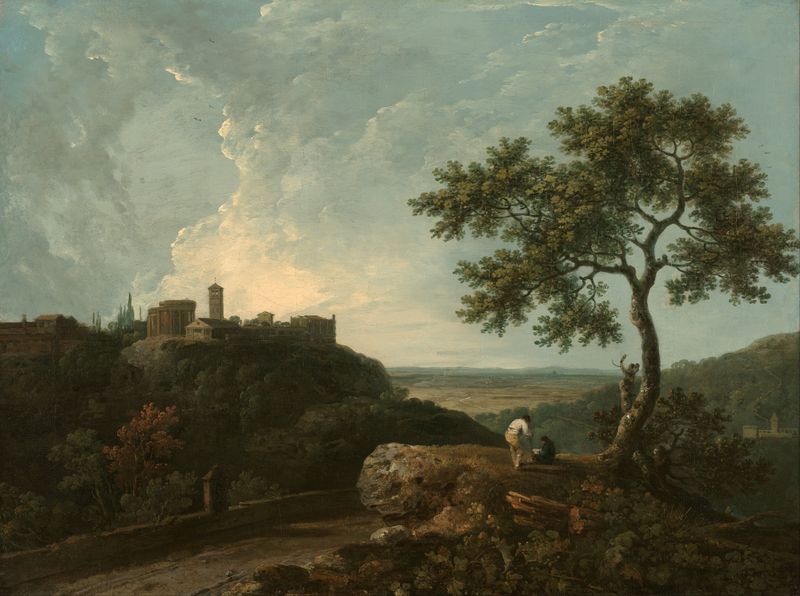
Tivoli- The Temple of the Sybil and the Campagna
Richard Wilson
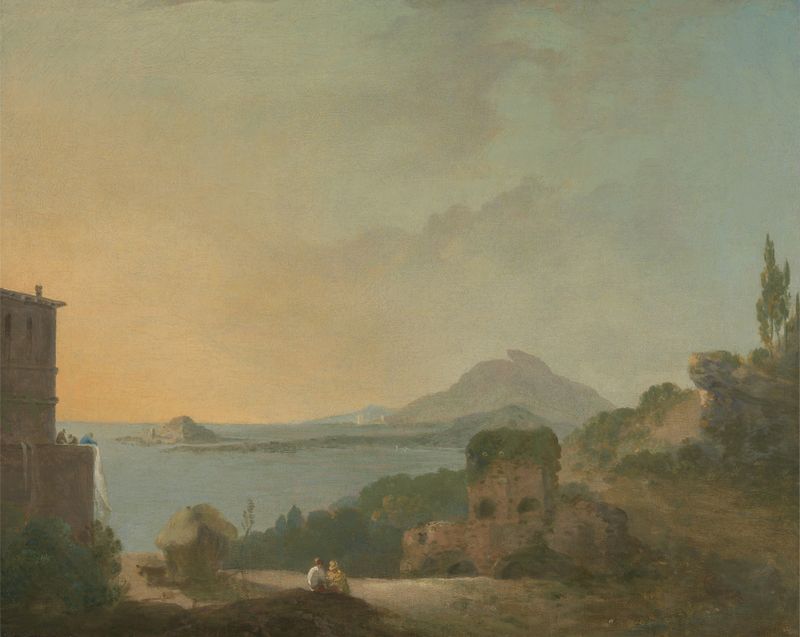
Cicero’s Villa and the Gulf of Pozzuoli
Richard Wilson
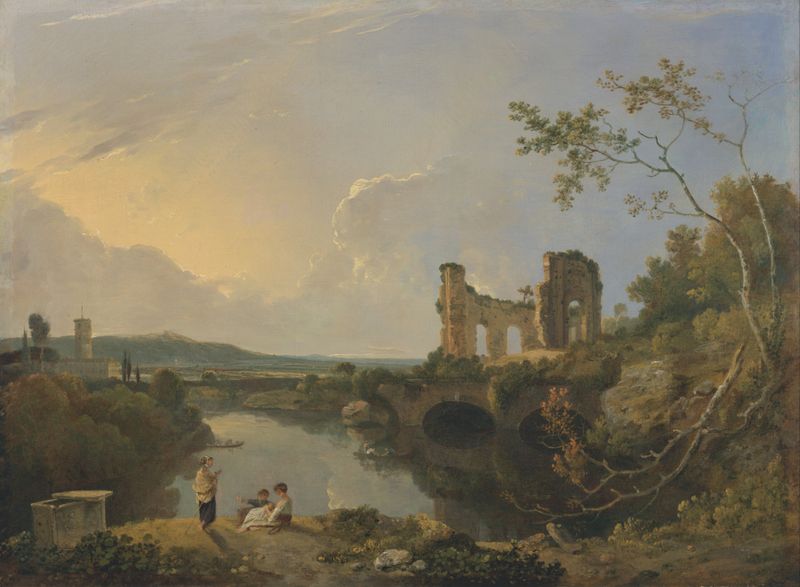
Italian Landscape (Morning)
Richard Wilson
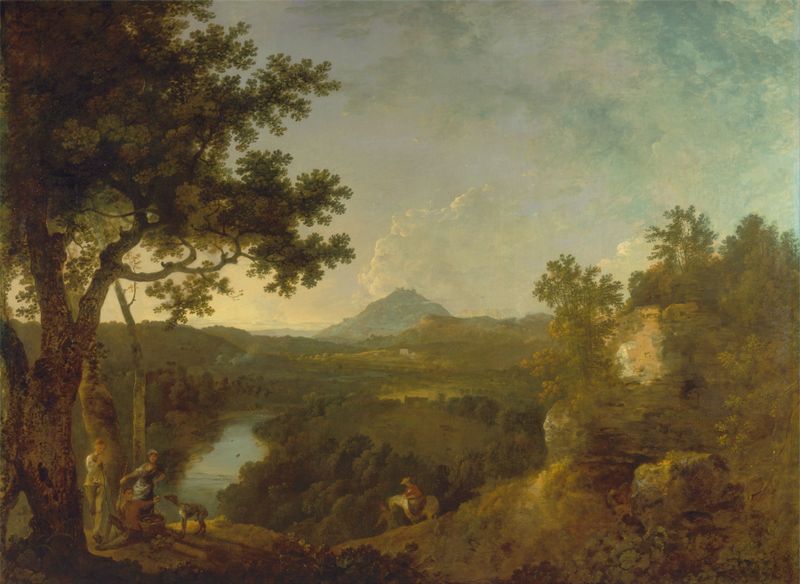
View near Wynnstay, the Seat of Sir Watkin Williams-Wynn, BT.
Richard Wilson
More Architecture Art
Browse all →
The statue of Liberty
Frédéric Auguste Bartholdi

View of Houses in Delft, Known as ‘The Little Street’
Johannes Vermeer

View of Houses in Delft, Known as ‘The Little Street’
Johannes Vermeer

The Cathedral in Rouen. The portal, Grey Weather
Claude Monet

The yellow house
Vincent van Gogh

The Church in Auvers-sur-Oise, View from the Chevet
Vincent van Gogh