
Camel (Ralli) — History & Facts
The camel stands alone, front and center, its gaze meeting the viewer with a frankness that borders on curiosity. There is no bustling caravan, no desert expanse—just the animal, its sturdy legs planted in a patch of light, the suggestion of a shadow anchoring it to the bare ground. The harness and saddle, rendered in earthy browns, are not mere props but signals of work and journey, hinting at stories of distant places and burdens borne.
The careful modeling of the camel’s head, with its slightly cocked posture and alert expression, draws us in: this is not a generic beast of burden but a singular presence, dignified and alert. The background is left raw and pale, focusing all attention on the animal’s form and personality. Works like Camel (Ralli), painted sometime between 1873 and 1909, belong to a period when European artists were captivated by the cultures and landscapes of North Africa and the Middle East. Painters such as Theodoros Ralli traveled widely, documenting scenes and figures that fed the era’s fascination with the so-called “Orient.” These studies were often intended for collectors eager for glimpses of far-off lands, or as preparatory works for grander compositions.
History has kept few traces of this particular camel’s story, but the painting’s immediacy and focus speak to a moment when artists sought not just spectacle, but the quiet dignity of everyday life. Let your gaze linger on the camel’s face—a reminder that even the most utilitarian subject can command the stage.
More Artworks by Theodoros Ralli

The Sleeping Concubine
Theodoros Ralli
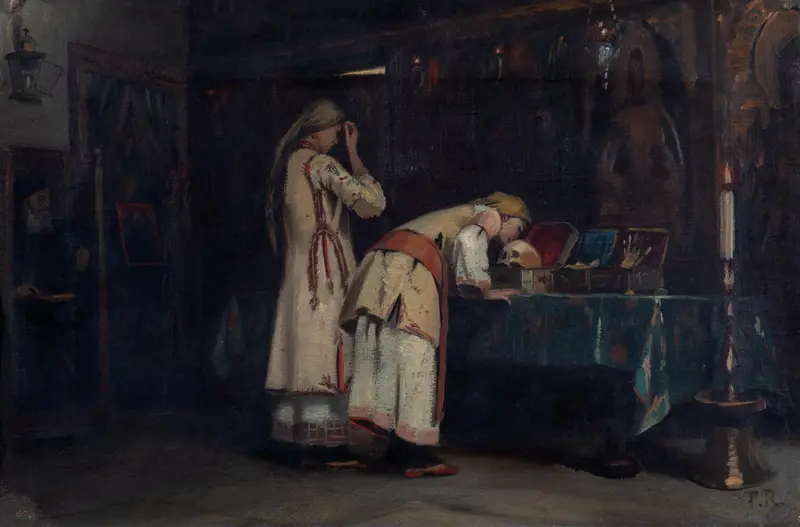
Holy Relics
Theodoros Ralli
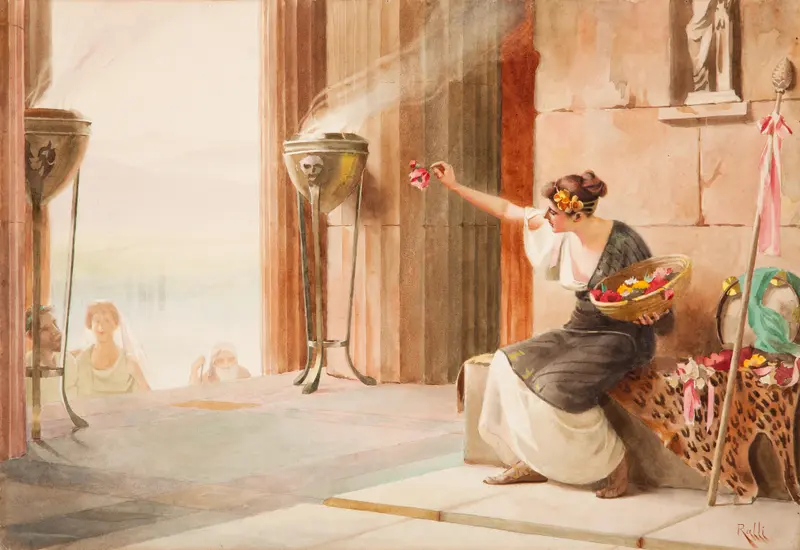
Flower Seller at the Parthenon
Theodoros Ralli
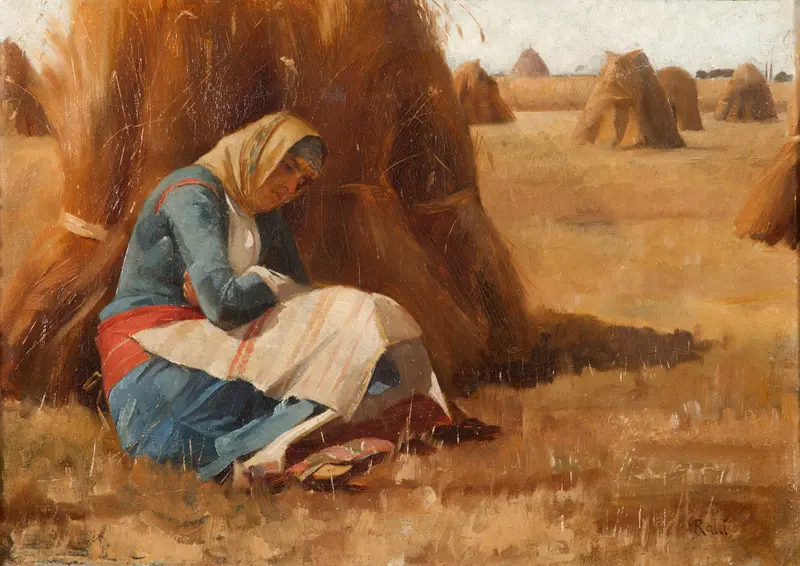
Resting by a Haystack
Theodoros Ralli
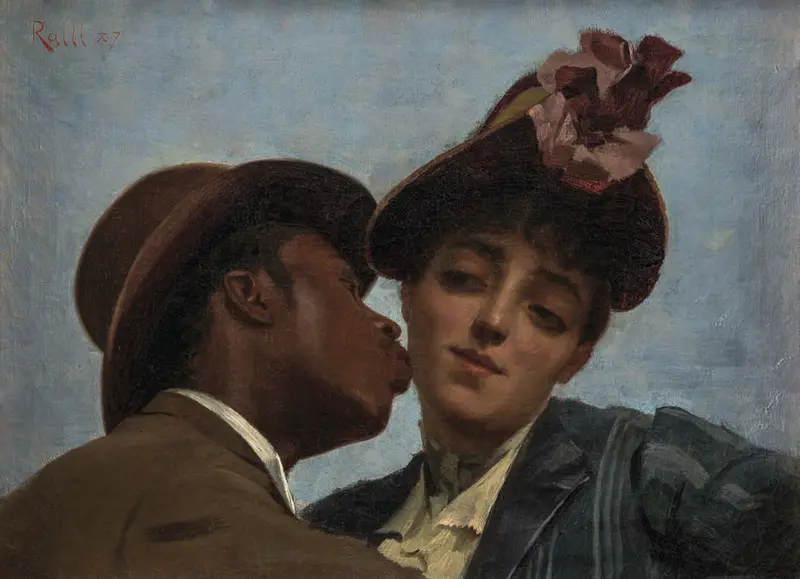
The Kiss (Ralli)
Theodoros Ralli
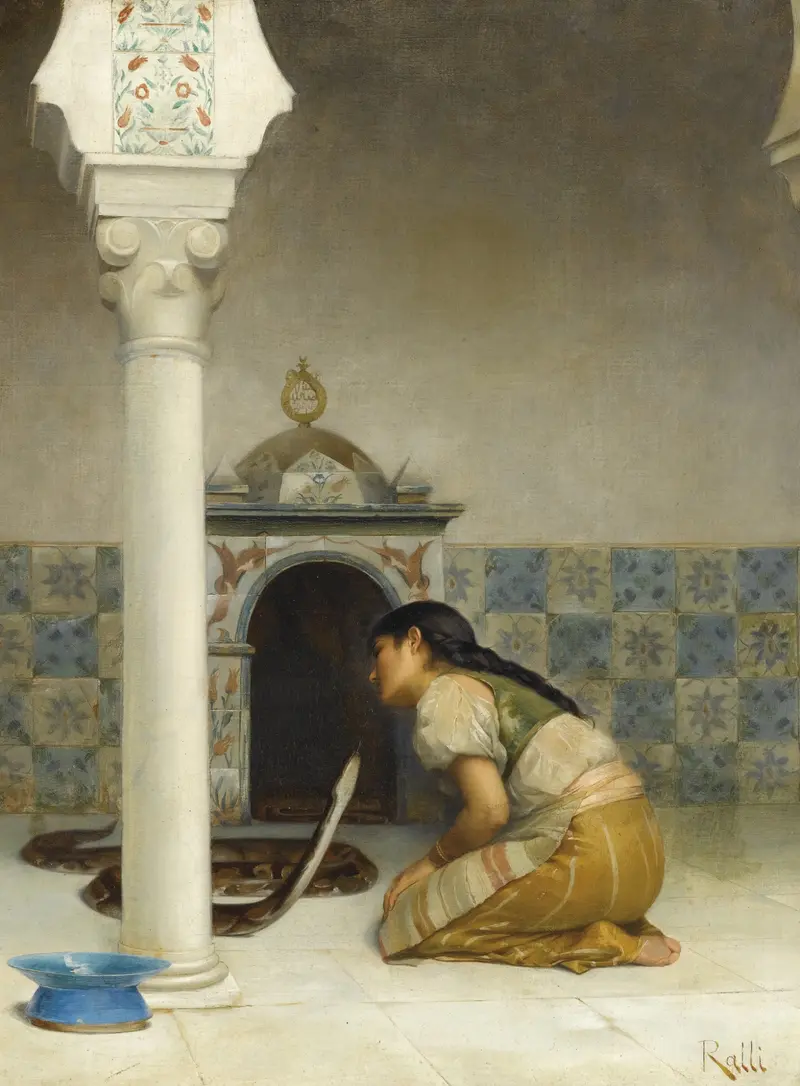
The Sacred Serpent
Theodoros Ralli
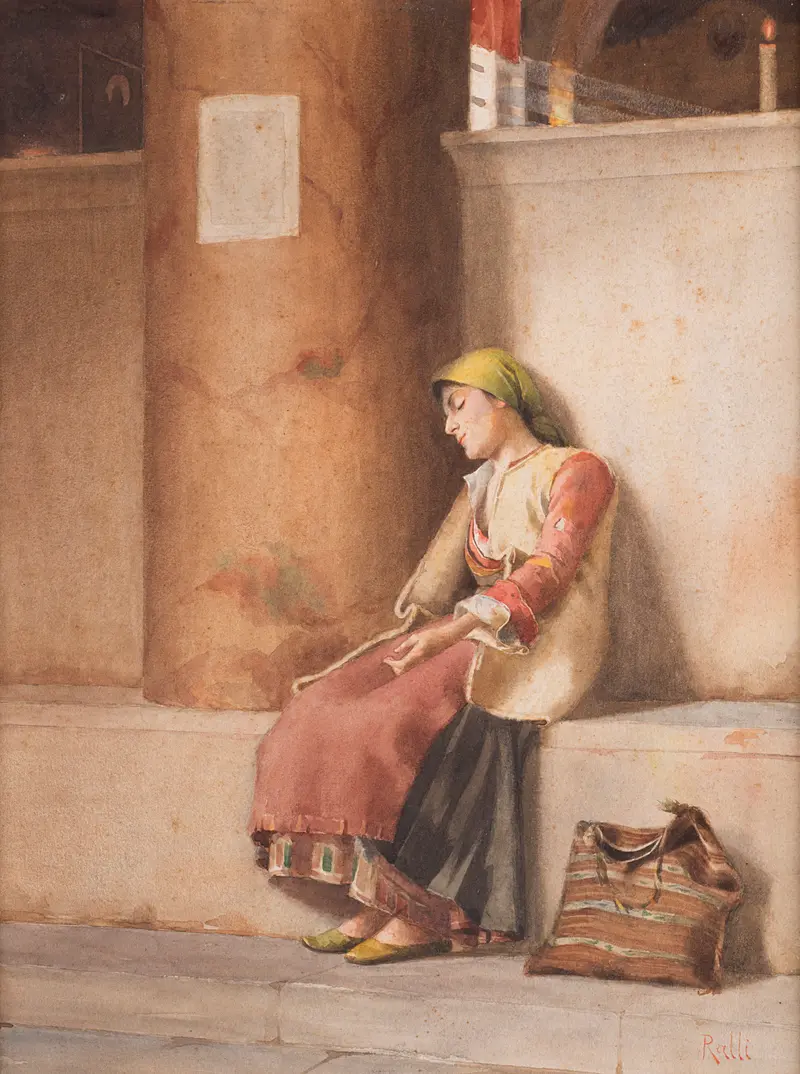
A Moment of Reflection
Theodoros Ralli
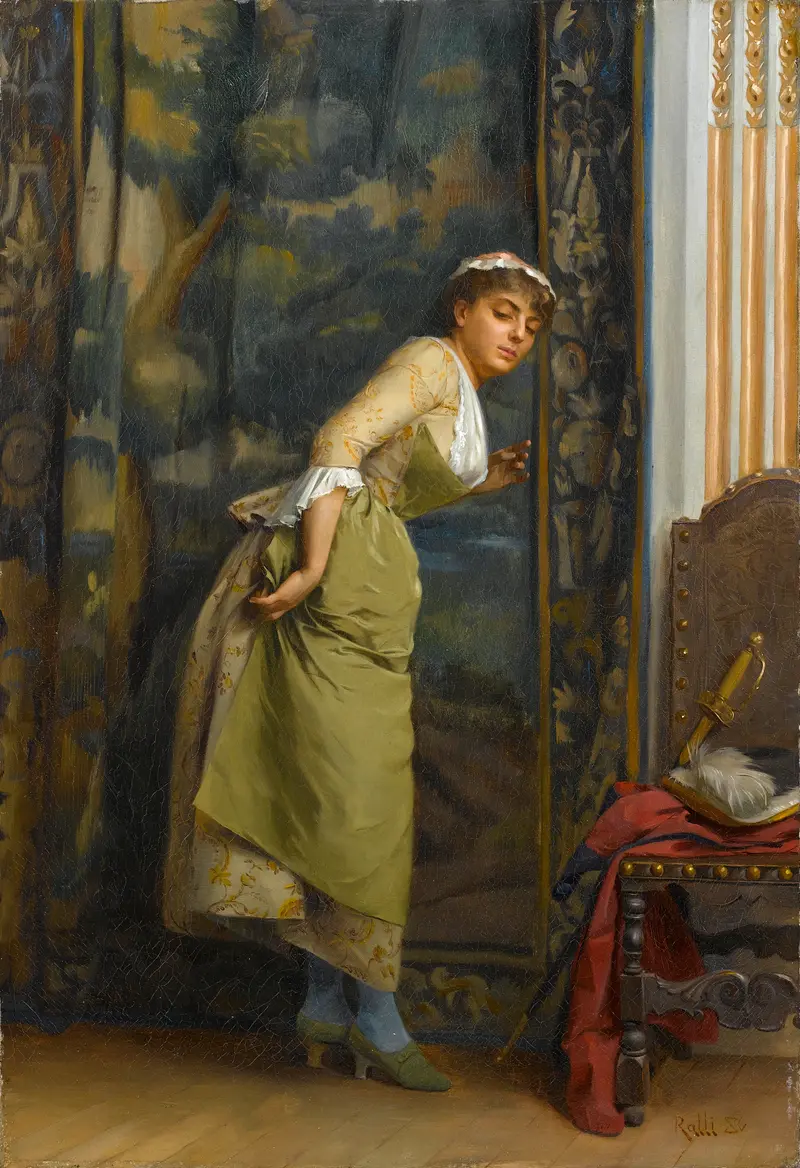
Eavesdropping (Ralli)
Theodoros Ralli
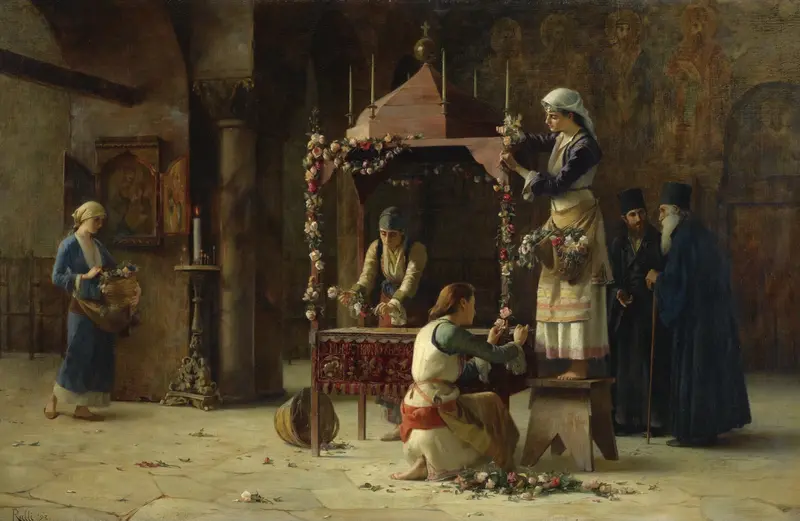
Holy Friday, Greece
Theodoros Ralli
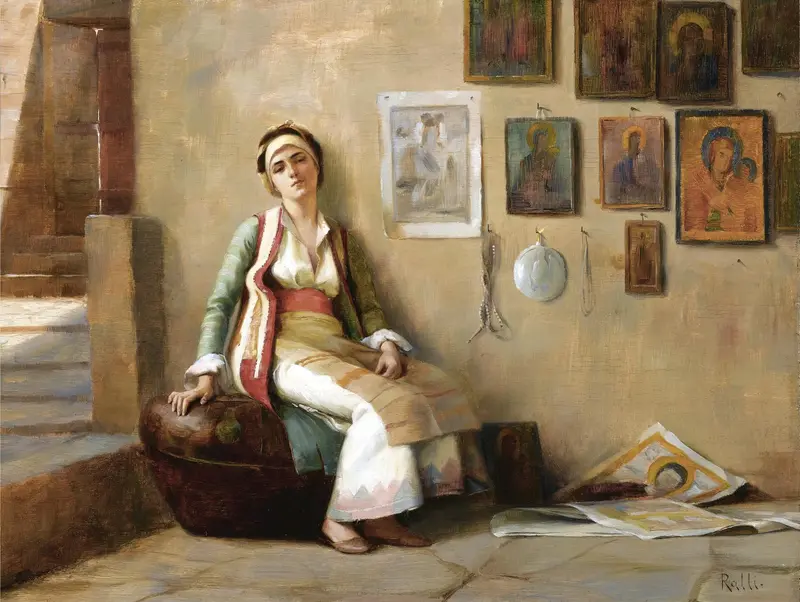
A Moment's Rest
Theodoros Ralli





