
Holy Friday, Greece — History & Facts
What first catches the eye in Holy Friday, Greece by Theodoros Ralli is the hush of devotion that fills the air, as women bend to their task with a quiet intensity. The heart of the painting is the kouvouklion, its wooden canopy transformed by garlands of fresh flowers, each blossom a small act of remembrance. Ralli leads us through the scene with shafts of gentle light that pick out the white headscarves and the delicate hands at work, while petals scatter across the stone floor, a silent testament to the labor underway.
The epitaphios, draped across the bier, anchors the ritual, its embroidered image of Christ’s body echoing the icons on the wall behind. Figures are arranged in a careful choreography: a woman stands barefoot on a stool to reach the upper garlands, another kneels to thread roses, while a pair of priests look on, their dark robes grounding the composition in the gravity of the moment. Painted in 1893, this work emerges from a world where faith and tradition shaped the rhythm of daily life, especially in rural Greece. Scenes like this—women preparing the epitaphios for Good Friday—were both communal duty and spiritual offering, repeated in village churches across the Orthodox world.
The genre flourished in the late nineteenth century, as artists like Ralli sought to capture the dignity and detail of local customs for audiences both at home and abroad. While history has kept few traces of this particular painting’s journey, its presence in the Soure collection today invites us to linger over every gesture, every petal, and to imagine the scent of flowers mingling with candle wax in the cool air of the church.
More Artworks by Theodoros Ralli

The Sleeping Concubine
Theodoros Ralli
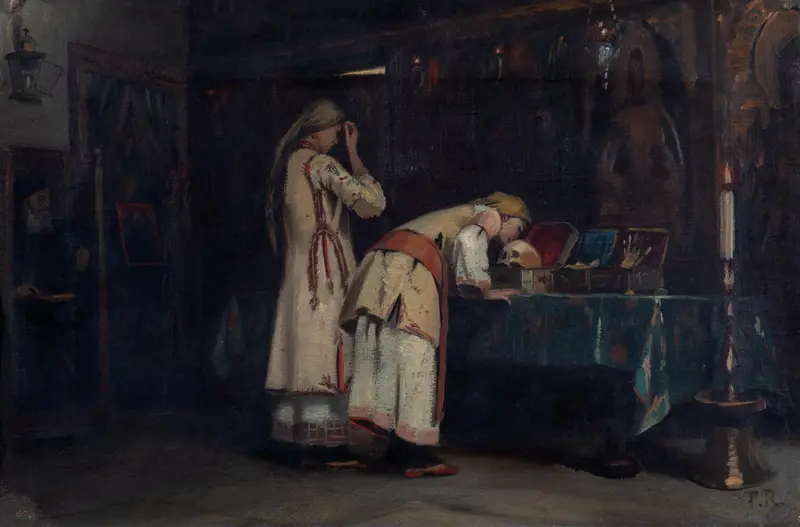
Holy Relics
Theodoros Ralli
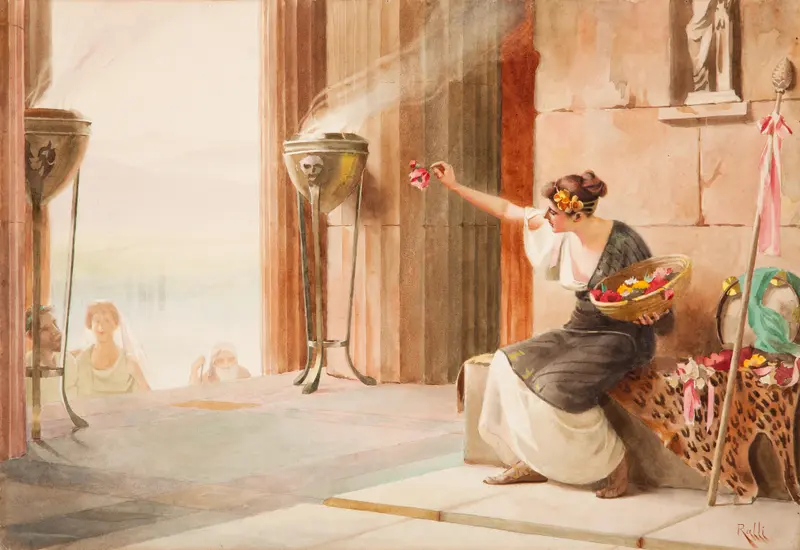
Flower Seller at the Parthenon
Theodoros Ralli
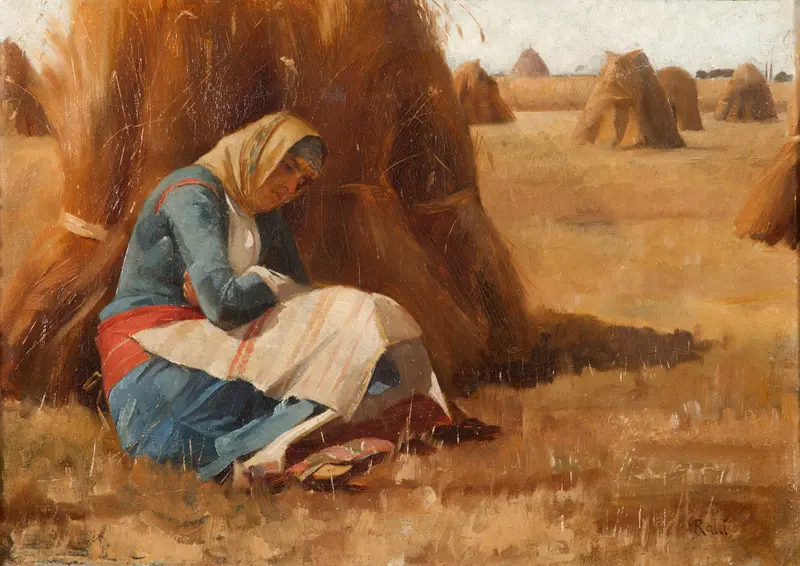
Resting by a Haystack
Theodoros Ralli
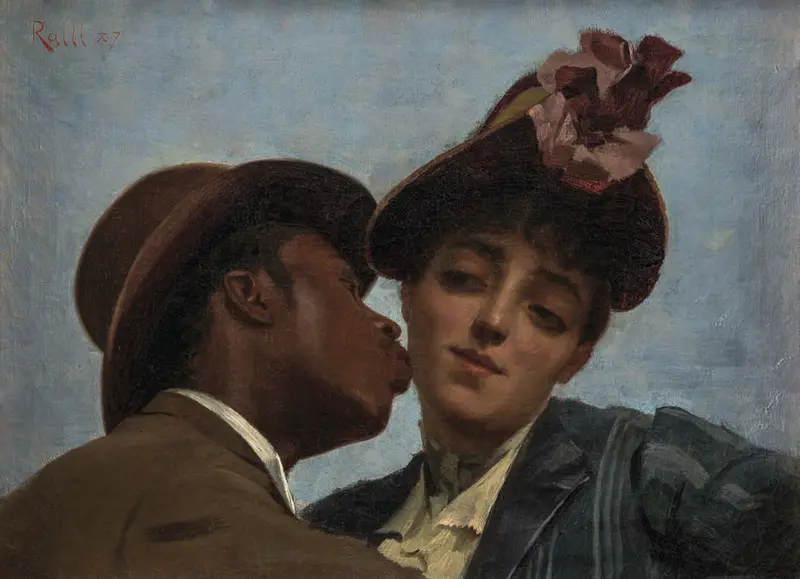
The Kiss (Ralli)
Theodoros Ralli
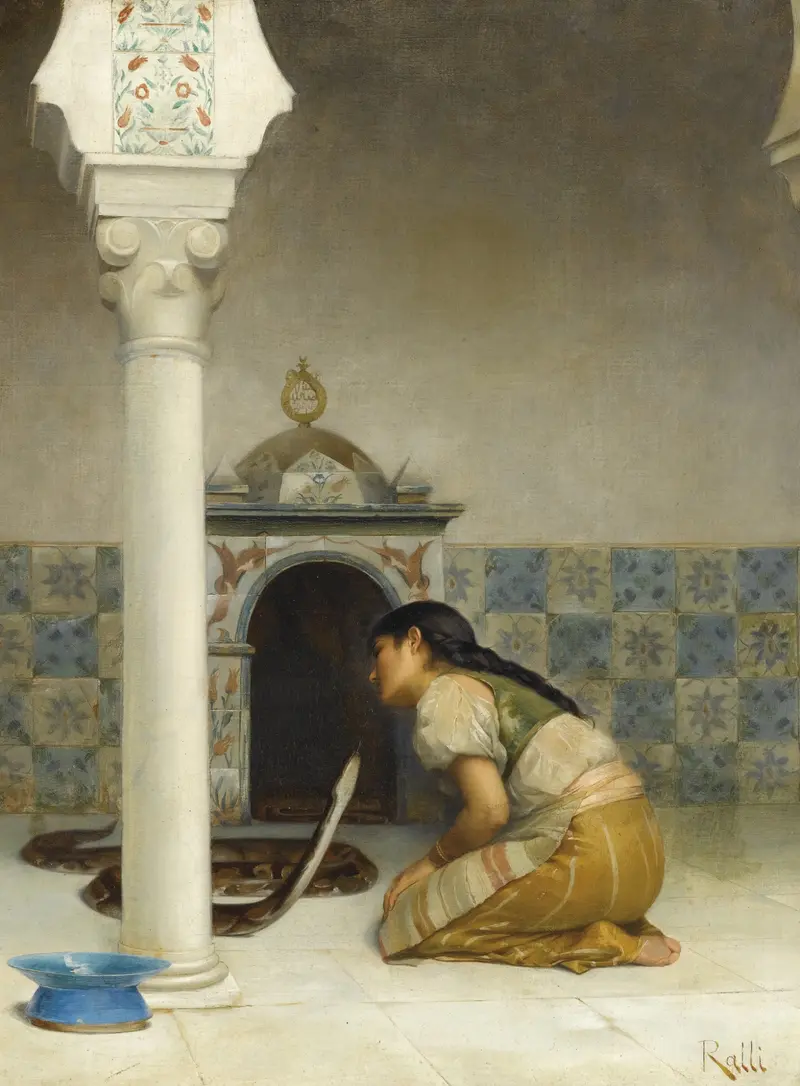
The Sacred Serpent
Theodoros Ralli
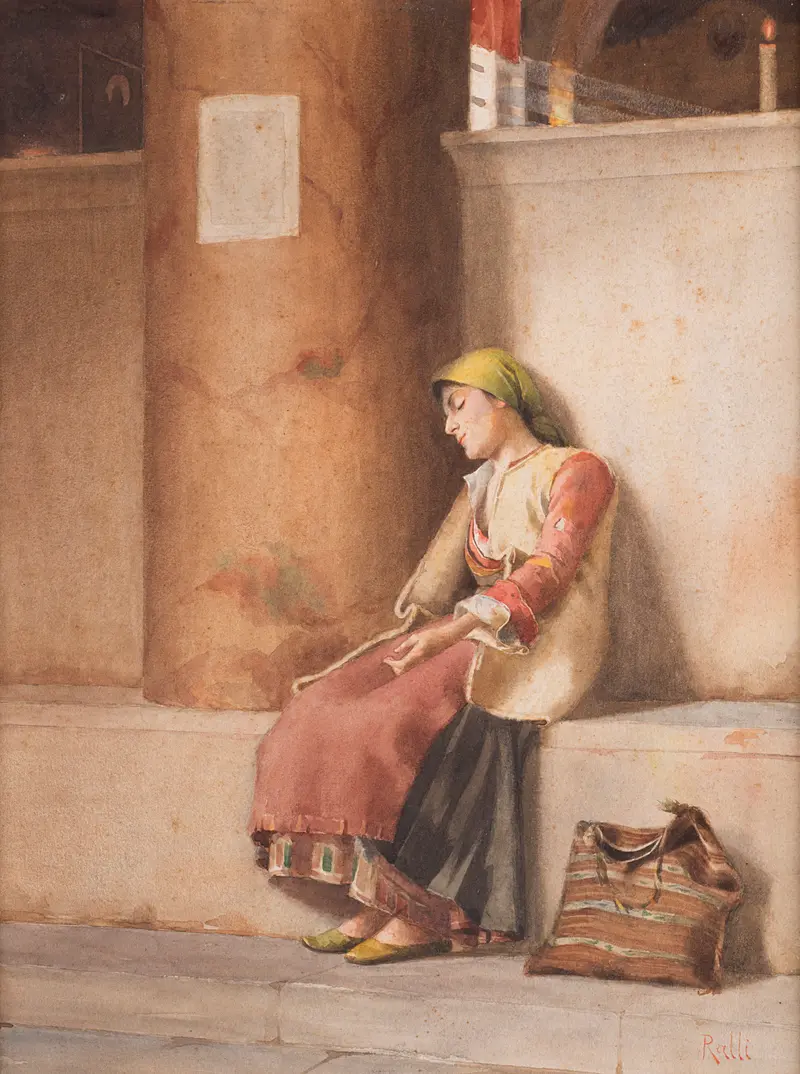
A Moment of Reflection
Theodoros Ralli
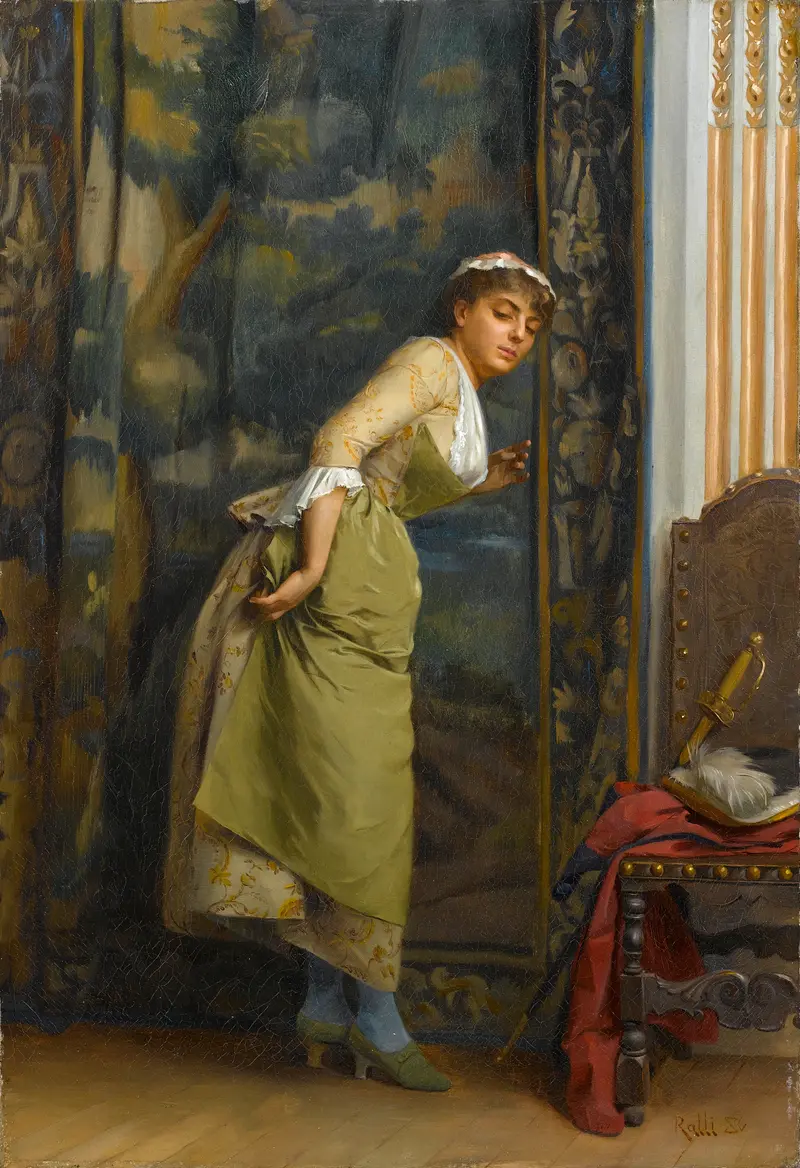
Eavesdropping (Ralli)
Theodoros Ralli
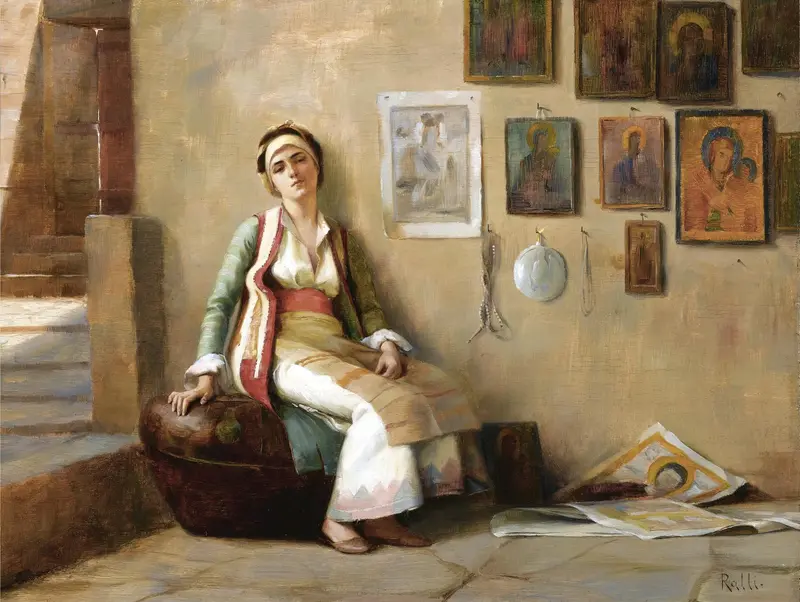
A Moment's Rest
Theodoros Ralli
Veiled Woman in Yellow
Theodoros Ralli
More Genre Scene Art

Banquet of the Officers of the St George Civic Guard
Frans Hals

Rembrandt and Saskia in the Scene of the Prodigal Son
Rembrandt van Rijn

Bal du moulin de la Galette
Pierre-Auguste Renoir

Quadrille at the Moulin Rouge
Henri de Toulouse-Lautrec

A Burial at Ornans
Gustave Courbet

When Will You Marry?
Paul Gauguin