
Holy Relics — History & Facts
A hush of devotion fills this dimly lit interior, where every gesture is a thread in the fabric of faith. The eye is drawn first to the figure bent low, her lips pressed to a reliquary containing a skull—an act of veneration so intimate it seems to hush the entire scene. Nearby, another woman stands, hand raised in the sign of the cross, her embroidered dress catching the scant light that filters through the gloom.
The candle’s steady flame and the priest in the shadows anchor the moment in ritual, while the reliquaries—one holding a skull, another a saint’s hand—are set before icons that flicker faintly in the background. The palette, all cool shadows and sudden glints of gold, sets a mood of reverence and mystery, drawing the viewer into the quiet drama of belief. Painted before 1895 by Theodoros Ralli, this work belongs to a world where the veneration of relics was woven into the rhythms of Orthodox Christian life. Such paintings, often commissioned for private devotion or as records of local custom, captured the intersection of the sacred and the everyday in late nineteenth-century Eastern Europe and the Eastern Mediterranean.
The artist’s attention to costume and ritual detail reflects a broader fascination of the era with documenting disappearing traditions, even as modernity crept in at the edges. Though little is recorded about the journey of this particular canvas, its presence in a collection today is a reminder of how art preserves not just faces and places, but the gestures of faith itself—inviting us to linger, and look again.
Sources: Wikidata Q136399329 · Image source (Wikimedia Commons)
More Artworks by Theodoros Ralli

The Sleeping Concubine
Theodoros Ralli
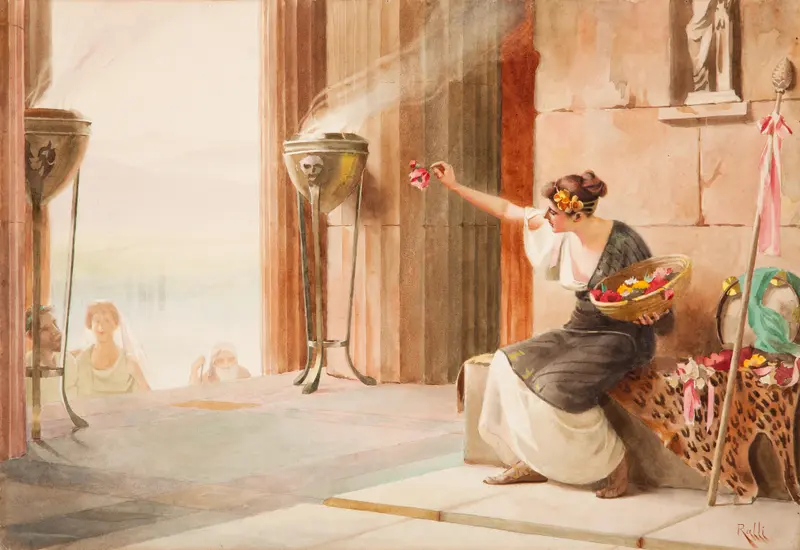
Flower Seller at the Parthenon
Theodoros Ralli
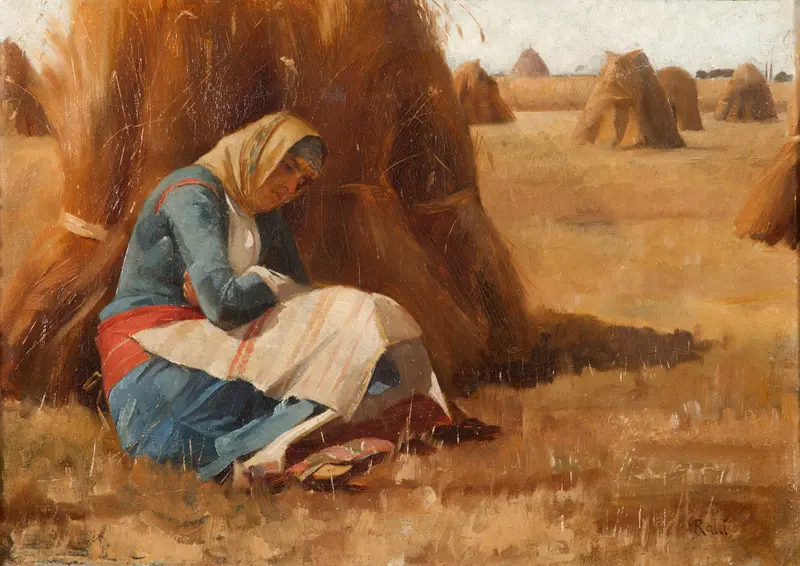
Resting by a Haystack
Theodoros Ralli
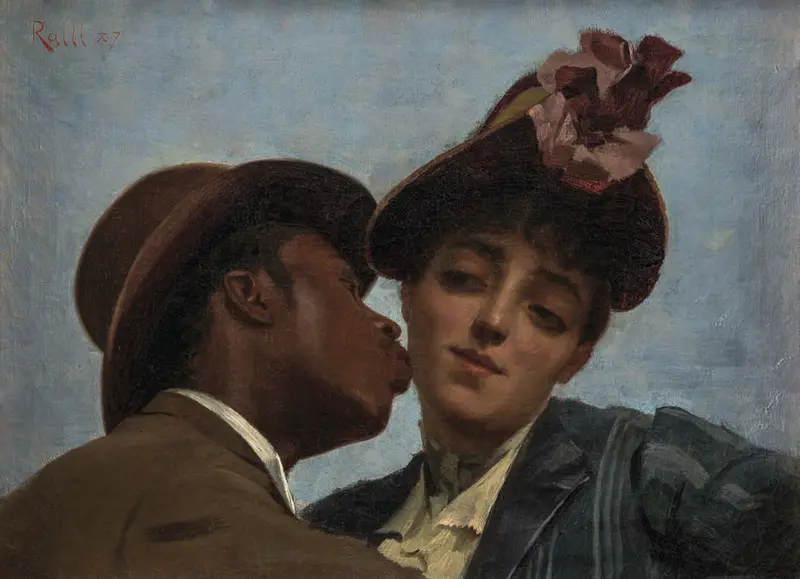
The Kiss (Ralli)
Theodoros Ralli
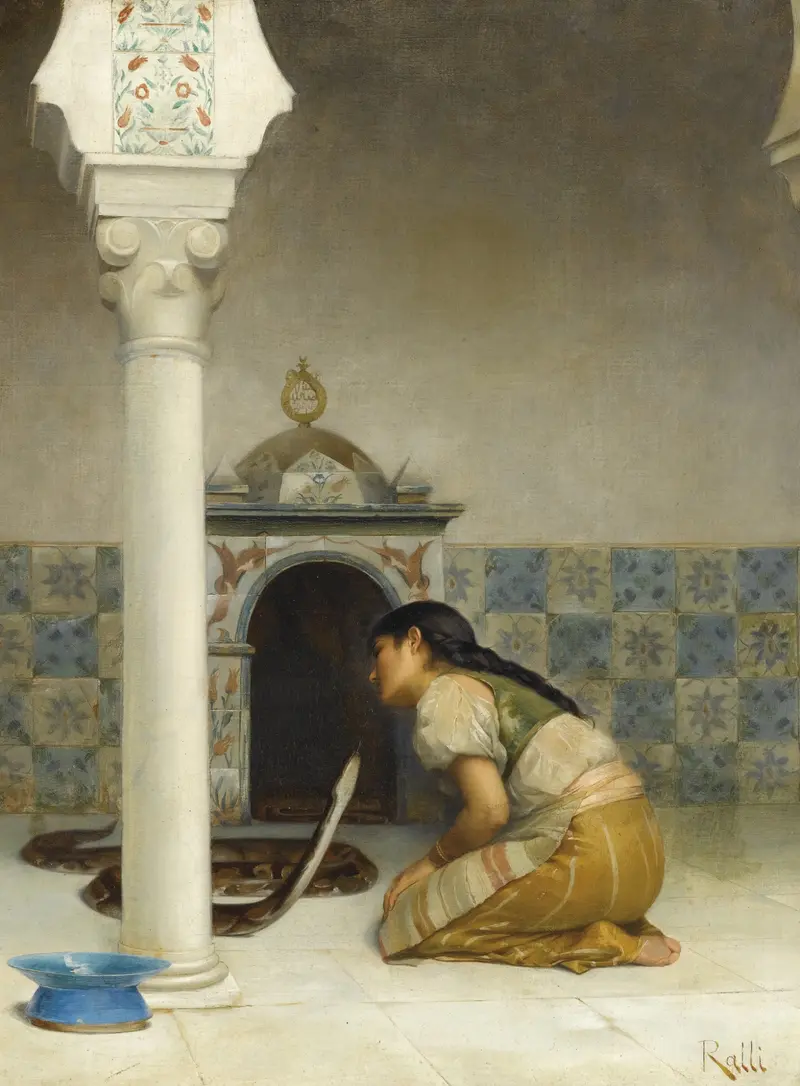
The Sacred Serpent
Theodoros Ralli
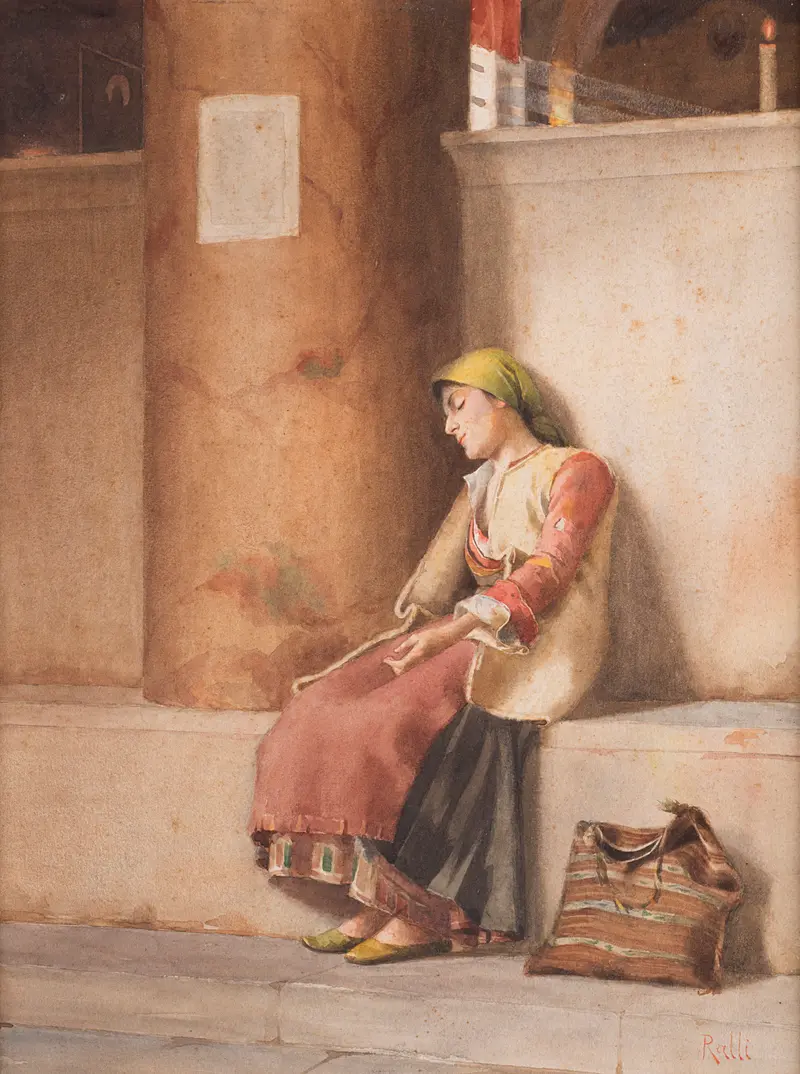
A Moment of Reflection
Theodoros Ralli
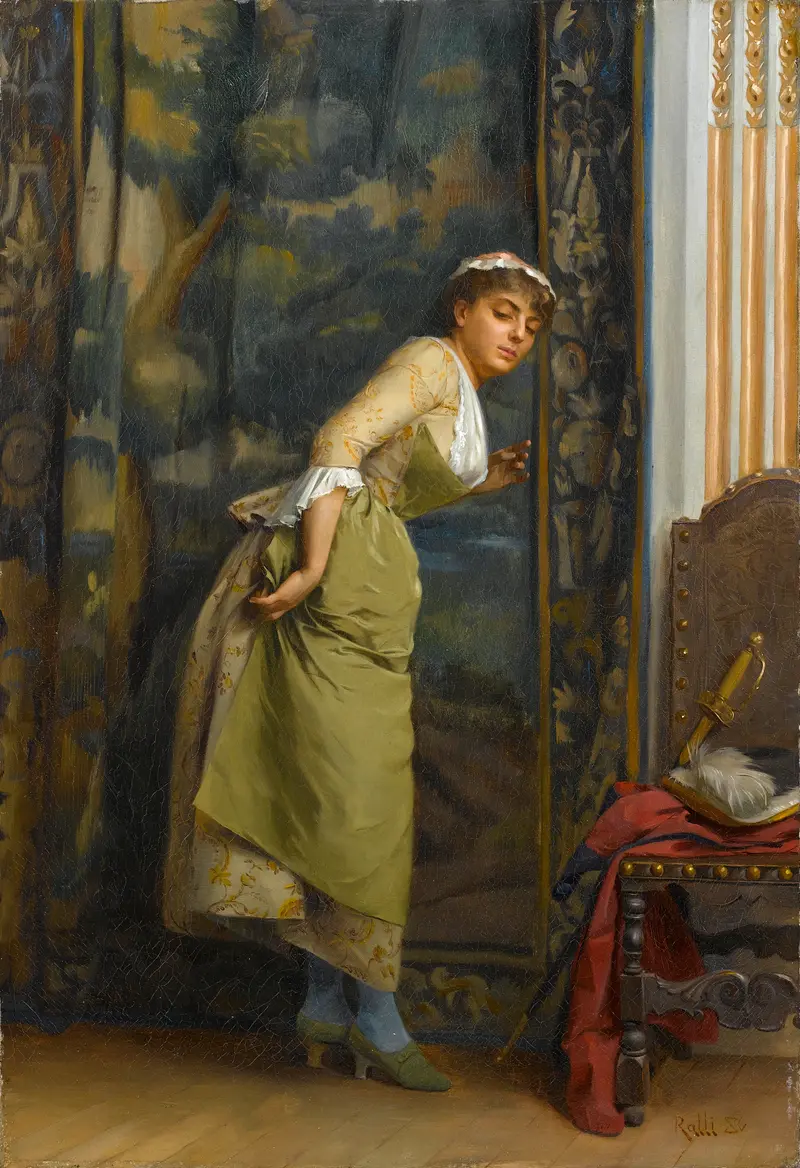
Eavesdropping (Ralli)
Theodoros Ralli
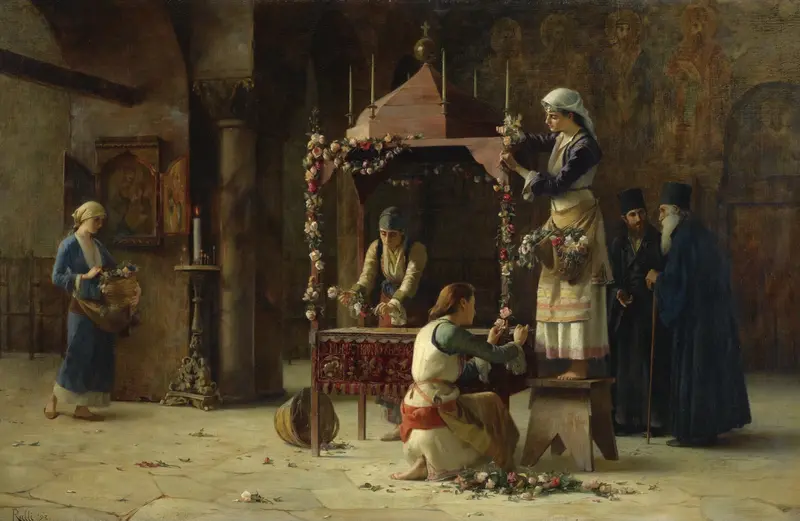
Holy Friday, Greece
Theodoros Ralli
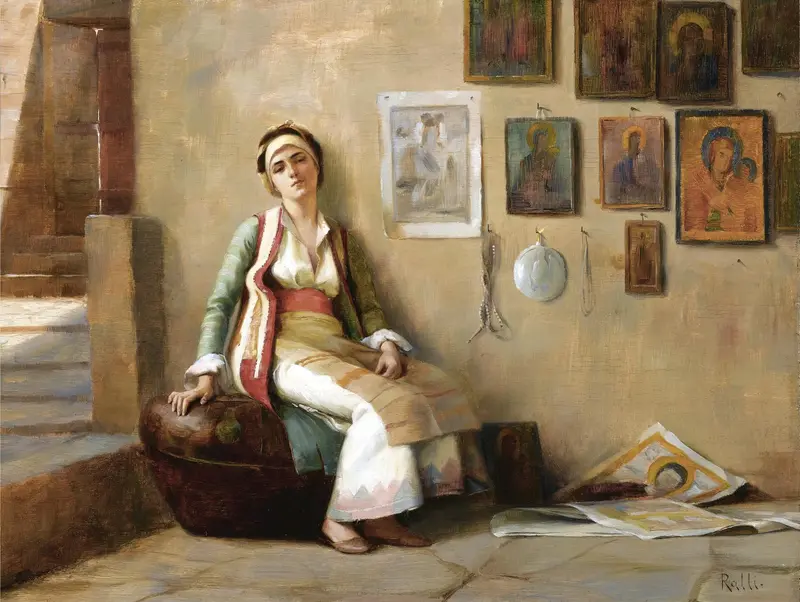
A Moment's Rest
Theodoros Ralli
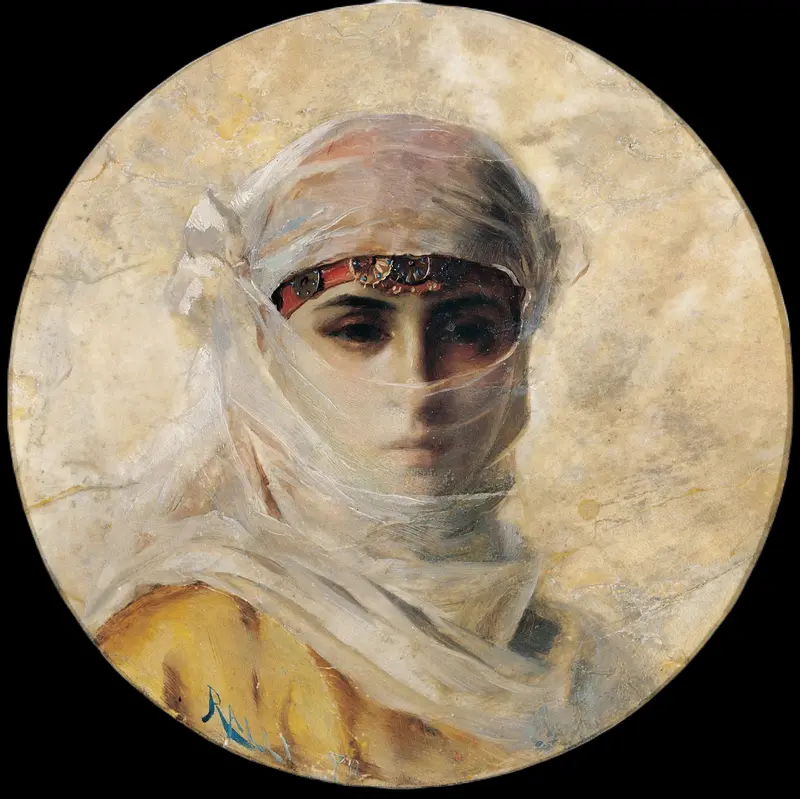
Veiled Woman in Yellow
Theodoros Ralli





