
Canale Grande in Venice II — History & Facts
In Canale Grande in Venice II, the tumult of life and rebirth dances through each stroke, inviting contemplation of renewal amidst the timelessness of the city. Look to the left at the vibrantly painted buildings, their reflections rippling softly in the water beneath. The artist employs a harmonious palette of blues and greens, interlaced with warm hues that evoke the sun's embrace. Notice how the delicate brushwork creates a whimsical movement, as if the scene itself breathes — a vivid interplay of light and shadow that brings Venice to life. Upon deeper inspection, the juxtaposition of the stagnant water and the vibrant architecture reveals a narrative of transformation.
The stillness of the canal speaks to the passage of time, while the lively colors symbolize the enduring spirit of the city. The subtle inclusion of boats hints at the continuous flow of movement and life, reinforcing the notion that rebirth is ever-present, even in moments of quiet repose. Pankiewicz painted Canale Grande in Venice II in 1931, during a period of artistic exploration that sought to capture the essence of place through impressionistic techniques. Living in Paris, he was influenced by the vibrant art scene around him, as well as the resonance of traditional motifs.
This work reflects his engagement with both the beauty of Venice and a broader artistic dialogue about identity and place in a rapidly changing world.
More Artworks by Józef Pankiewicz
Browse all →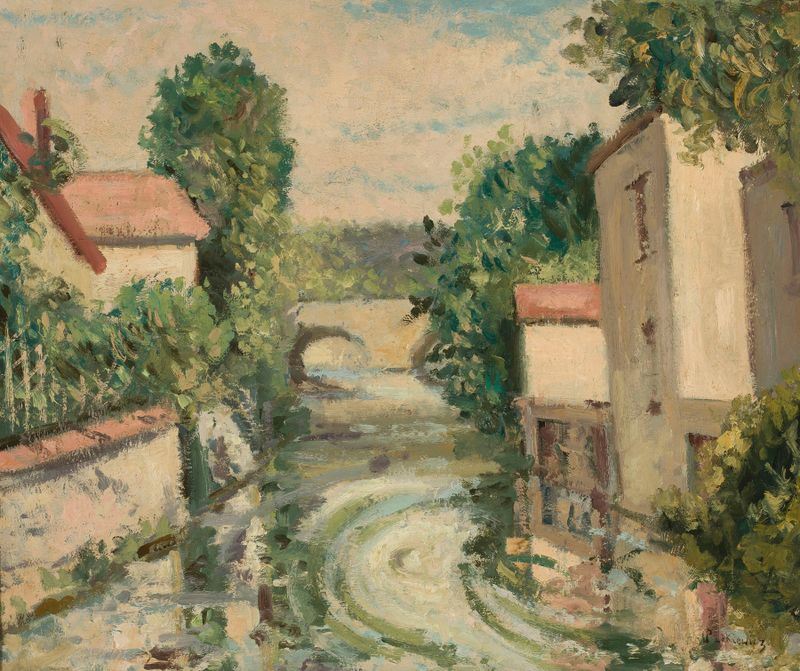
Landscape
Józef Pankiewicz

Cab in the Rain
Józef Pankiewicz
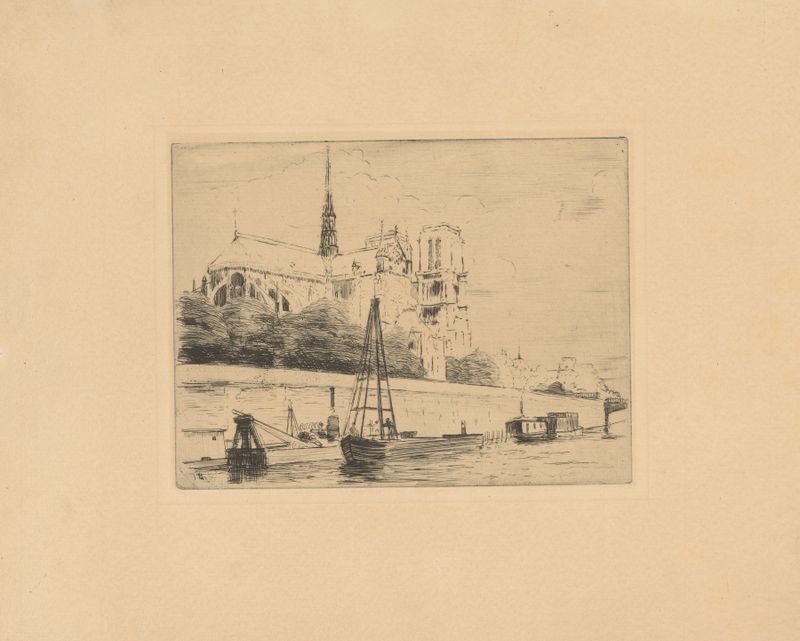
Notre Dame Cathedral in Paris
Józef Pankiewicz
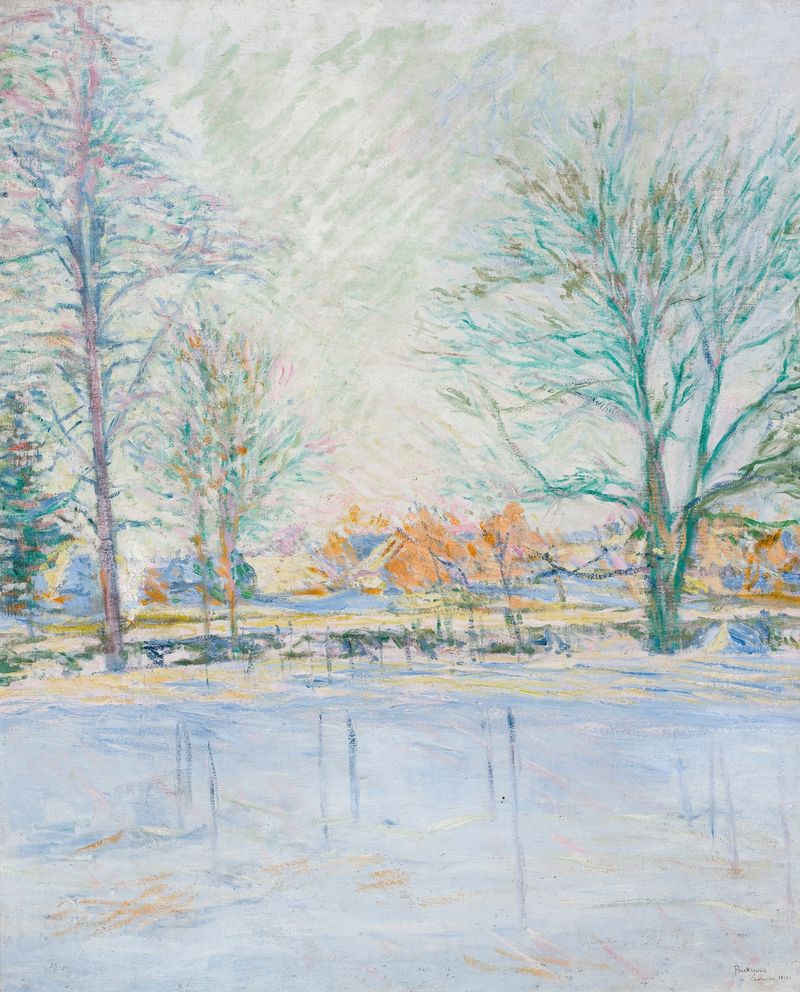
Landscape from Czarnolas
Józef Pankiewicz
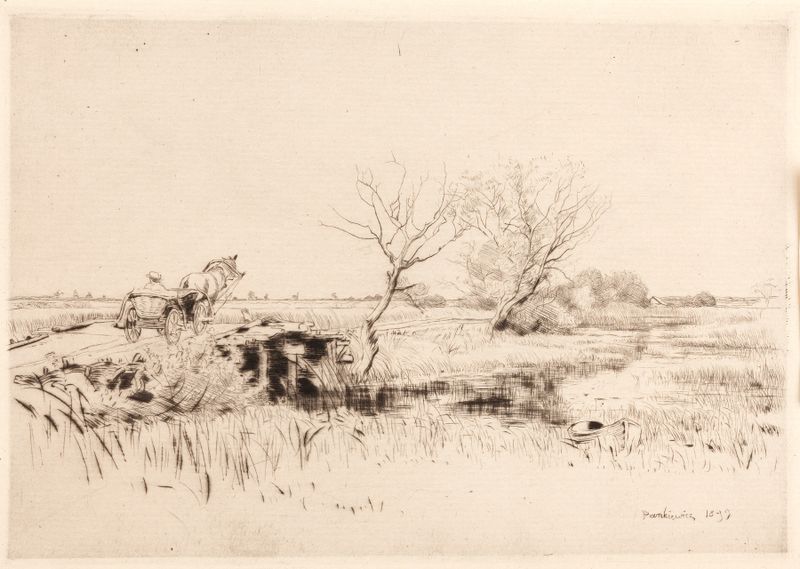
Pińsk Channel in Polesie I
Józef Pankiewicz
Pont Corneille in Rouen
Józef Pankiewicz
Pont Marie in Paris
Józef Pankiewicz

Rouen – portal from the Church of St Maclou
Józef Pankiewicz
Harbour at Concarneau
Józef Pankiewicz
Landscape from Saint-Tropez – Stone pines
Józef Pankiewicz





